Key Highlights
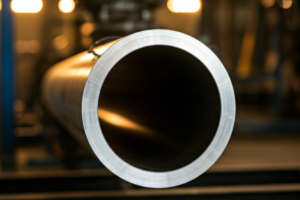
The 5052 aluminum tube pairs solid strength with strong corrosion resistance, which makes it a practical choice for marine and industrial service.
- It is stronger than 3003 and 5251 and is easy to form and weld.
- It is widely used in marine, aerospace, and industrial fabrication for fuel lines, heat exchangers, and tanks.
- It cannot be heat-treated, but cold working raises its strength for demanding manufacturing steps.
- Its resistance to stress corrosion cracking is better than many other aluminum alloys, supporting a long service life.
Introduction
5052 aluminum tubing is light yet strong and resists corrosion well. It is used in the aerospace field and in appliances, which is why it is often discussed alongside aircraft-grade aluminum materials. Its strength, weldability, and corrosion resistance make it a dependable choice for many products and parts.
Properties of 5052 Aluminum Tube
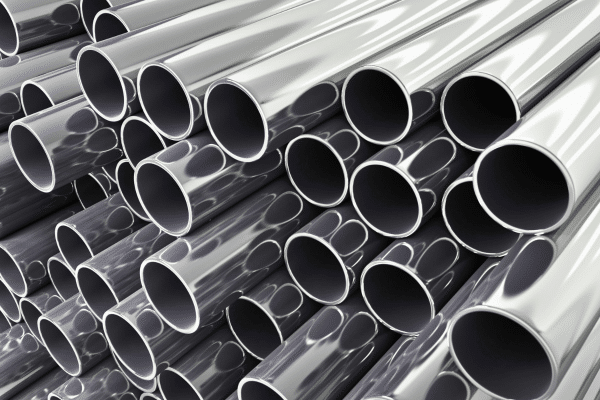
The aluminum tube in 5052 is popular for its balanced properties. Its chemical makeup delivers solid strength, and its corrosion resistance lets it perform in tough environments such as saltwater and aerospace service. These traits explain its wide use across applications.
Chemical Composition and Its Impact
5052 is built on an aluminum base with magnesium as the main alloying element. Magnesium raises both strength and corrosion resistance. Small additions of chromium and manganese further support corrosion resistance and long-term durability.
Mechanical Characteristics
5052 offers high strength with good formability, so it can be shaped into complex designs without losing strength. Its strength-to-weight ratio is valuable wherever low weight matters, such as aerospace and automotive parts.
Practical Applications and Uses
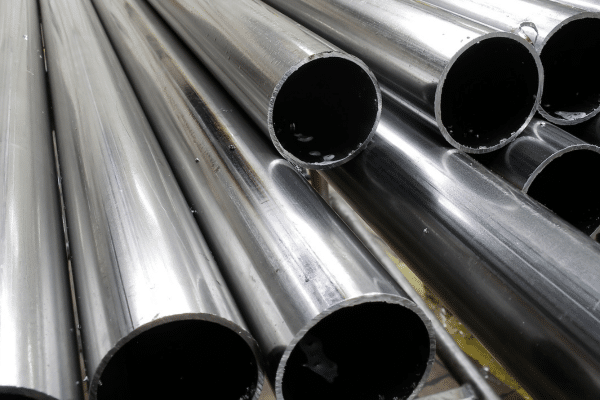
The 5052 aluminum tube is strong, light, and easy to form and weld, which supports complex designs. Its corrosion resistance lets it work in harsh conditions, from aviation parts to marine structures.
5052 Aluminum Tube in the Aviation Industry
In aviation, materials must be strong yet light. The 5052 aluminum tube pairs strength, weldability, and corrosion resistance, and appears in fuel tanks, hydraulic tubing, and structural components.
5052 Aluminum Tube in the Aerospace Industry
The aerospace sector needs materials that hold up under tough conditions. The 5052 aluminum tube supports fuel lines, hydraulic systems, and structural parts. Its stability across temperature and pressure changes makes it reliable for aerospace use.
Production Process of 5052 Aluminum Tube
5052 aluminum tube is produced under careful controls to meet high-quality standards for aerospace and industrial use. The alloy is first made to follow ASTM standards, then shaped through extrusion, drawing, and annealing.
| Process | Description |
|---|---|
| Extrusion | Shaping the aluminum alloy into a tube form. |
| Drawing | Reducing the tube diameter and wall thickness. |
| Annealing | Heat treating to enhance ductility and reduce internal stresses. |
Surface Treatment Options for 5052 Aluminum Tube
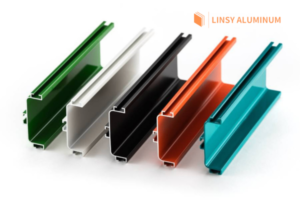
Several surface treatments are available for 5052 aluminum tubes, including anodizing, powder coating, and polishing. These treatments improve appearance, durability, and corrosion resistance for both industrial and decorative use.
Industrial Applications
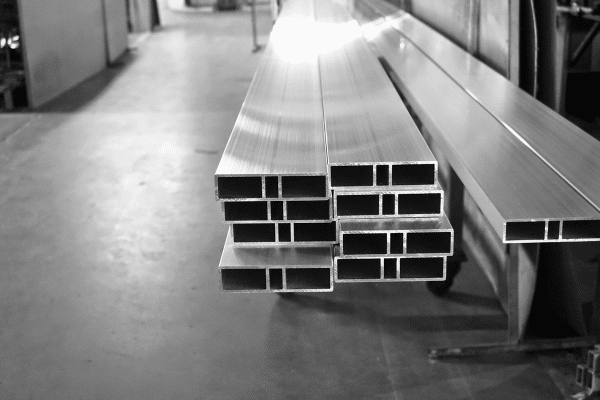
5052 resists corrosion well, making it suitable for storage tanks that hold chemicals and other demanding materials. Its strength and weldability also suit building frames, supports, and other structural parts in heavy industry. The 5052 aluminum square tube is a common choice for framed structures.
Everyday Uses and Consumer Products
Beyond factories, 5052 appears in sports gear, furniture frames, and some electronics. It is light and corrosion resistant, so products made from it last longer.
Selecting and Buying 5052 Aluminum Tube
When you buy a 5052 aluminum tube, keep these points in mind:
- Check certifications: Confirm the product meets standards such as ASTM or AMS so quality matches your needs.
- Specify measurements: State outer diameter, wall thickness, and length clearly to get the right part.
- Assess the supplier: Choose a supplier with a track record of consistent quality and reliable delivery.
Linsy Aluminum 5052 Aircraft Seamless Tubing
Linsy Aluminum 5052 seamless tubing is built for high quality and reliable performance in aviation. It suits aircraft fuel lines, hydraulic lines, and structural pieces. It resists corrosion for longer service in harsh conditions and offers a high strength-to-weight ratio that supports fuel efficiency. Its formability also supports the complex designs aircraft parts require. You can review the 5052 aluminum round tube product page for dimensions and tempers.
Conclusion
5052 aluminum tube is easy to work with, but it cannot be heat-treated, so its strength depends on the right temper and cold working rather than heat treatment. For buyers, the trade-off is choosing a supplier that can hold tight tolerances and deliver certified material on a predictable schedule. Linsy Aluminum addresses this from its Shenzhen factory with 20+ years of experience, ISO 9001, ISO 14001, and ISO 45001 systems, a material test certificate (MTC) per order, and custom lead times of 10-60 days. Explore our 5052 aluminum alloy range, or compare options in our 5052 vs 6061 aluminum guide. Contact Linsy Aluminum today to discuss your 5052 tube requirements and request a quote.
FAQ
Is 5052 aluminum tube heat-treatable?
No. 5052 is a non-heat-treatable alloy. Its strength comes from strain hardening (cold working) and temper selection such as H32 or H34, not from heat treatment.
What surface treatments work on 5052 aluminum tube?
Common options are anodizing, powder coating, and polishing. These improve appearance, durability, and corrosion resistance for industrial or decorative use.
What certifications does Linsy Aluminum provide?
Linsy Aluminum holds ISO 9001, ISO 14001, and ISO 45001 and supplies a material test certificate (MTC) with each order. SGS test reports are available on request at an extra cost.
What is the lead time for custom 5052 aluminum tube?
Custom orders are typically produced and delivered within 10-60 days, depending on specification and volume.