ไฮไลท์สำคัญ
- The weldability of an aluminum alloy depends on what the alloy is made of, its thermal conductivity, and if there is an oxide layer on its outside.
- The 5xxx and 6xxx alloy series are both good choices for welding. They give you a nice mix of high strength and formability.
- Alloys that contain a lot of copper or zinc, such as the 2xxx and 7xxx series, can crack more easily. To get a good weld with these, you need to take special welding steps.
- A few important things will affect how good your weld will be. These include whether the alloy has high strength, whether it protects against corrosion, and whether it has a lower melting point.
- Choosing the right filler metal is key. It helps keep away porosity and makes the weld strong and durable.
- Working with a supplier who provides ready-made welding materials can give you better, more consistent quality. It can also save time and help avoid fabrication problems.

การแนะนำ
When you start a project that requires aluminum welding, choose the right material first. This is important for welding. The aluminum you use will change how well your welding turns out. Look at what the project needs, then select aluminum that meets those needs. If you do this, you can get good results.
For example, a team makes a part that looks good to everyone at first. But, when the team starts making it, the welds just keep cracking. People say the welder is the problem. Then, after some checking, they find that the “5083” sheet the team used has iron levels over 0.6%. This does not meet AWS D1.2 rules. This happens more often than people think.
You can weld aluminum well if you start right. A key step is to choose the best alloy for what you want to do. You must know the proper temper for your work. The metal you get from a supplier who knows about welding, alloy, and temper will help a lot.
At Linsy, we do more than just sell aluminum. The company provides certified materials ready for welding. These are good for people who want to match engineering plans with real shop needs. This guide shows which alloys will work for you in 2025. It also explains how to get these materials without risk.
Influencing Factors of the Weldability of Aluminum Alloys
Weldability indicates how easily an aluminum alloy welds. If the alloy is weldable, you can join it without any trouble or weld defects.
Weldability is not only good or bad. There is a range, it depends on:
1. Chemical composition (Mg, Si, Fe, Cu levels)
The chemicals used in aluminum alloys can affect how easily they weld. Magnesium strengthens aluminum and helps prevent corrosion. Silicon improves weldability and makes weld joints stronger.
Too much iron or copper in the metal can make welding difficult. This might lead to cracks. The right balance of these elements is important. For example, 5xxx series alloys have a lot of magnesium. They tend to weld well. But, because these alloys are strong, you may need to use special ways to deal with distortion.
2. Thermal conductivity (high = harder heat control)
Aluminum has high thermal conductivity. It takes heat away from the weld area fast. Because of this, it can be hard to keep the weld steady. You might not get enough weld depth. There can also be weak spots, especially when working with thin pieces. Alloys with lower conductivity hold heat better. Still, you have to control the process well so the metal does not bend or develop holes from excessive heat.
3. Surface oxide layer (melts at ~2070°C vs. aluminum’s 660°C)
The oxide layer on the outside of aluminum can make welding tough. This layer is mostly made of aluminum oxide. The melting point of this layer is about 2070°C. That is much higher than the melting point of the main metal, which is just 660°C.
If you do not remove the oxide from the metal before you weld, it can make it hard for the metal to stick. This can result in a weak weld. To get a good weld, you need to get the metal ready first. A lot of people use a brush or special chemicals on the metal. This helps you to see the clean aluminum on the inside, and your weld will stay strong.
4. Temper state (T6 cracks; O or H32 welds smoothly)
Aluminum that is in the T6 temper is tough. But when you weld it, the metal can break more easily. The heat from welding changes how the metal holds together. This can cause cracks in the weld or near the heat-affected zone.
O (annealed) and H32 tempers are softer. They are easier to bend. These states help the metal handle heat and stop cracking. That is why people need to weld alloys such as 6061 when they be in the O or T4 state. You should not weld them in T6.
It is good to know that you cannot use every metal called “aluminum” for arc welding. You need to be sure which ones work well for this welding method. Let’s talk about which types of aluminum are suitable for arc welding.
Why “Weldable Aluminum” Isn’t Just About the Alloy Number
Most people say the alloy series is what makes aluminum weldable. They think you can get good results when welding the 1xxx, 5xxx, or 6xxx alloy series. But they feel the 2xxx or 7xxx alloys do not weld as well.
In real-life engineering and fabrication, weldability is about more than just knowing the alloy number. The way metal is joined or welded depends on several factors. These are metallurgy, temper, how the joint is made, what filler is used, and where the metal will be used.
✅ 1. Alloy Number Matters… But Only Partially
Different types of alloys have their own way of acting when you see how the metal changes and works. They do not all be the same. The way an alloy changes or reacts will be different from the way other alloys do.
|
Series |
องค์ประกอบโลหะผสมหลัก |
General Weldability |
|---|---|---|
|
1xxx |
Pure aluminum |
ยอดเยี่ยม |
|
3xxx |
แมงกานีส |
ดี |
|
5xxx |
แมกนีเซียม |
Excellent (but beware Mg > 3%) |
|
6xxx |
Mg + Si |
Good with correct filler |
|
2xxx |
ทองแดง |
Poor to fair |
|
7xxx |
สังกะสี |
Poor to fair |
So yes, the alloy series can give you a first feel for it. But the alloy series does not give you the whole story.
✅ 2. Temper Is Just as Important as Alloy Number
Example:
- 6061-O (annealed) → This one is very easy to weld
- 6061-T6 → You can weld this, but it does lose some strength near the weld. So you will need heat treatment after to get all its strength back.
So, if you have two metals with the same alloy number, but the tempers are different, they can act in other ways when you do welding.
✅ 3. The Right Filler Rod Can Make a “Difficult” Alloy Weldable
Take 6061 aluminum, for example. If you weld it while it is in the T6 temper, it can crack. This is because the metal contains magnesium and silicon. The way the metal gets heat-treated also matters.
But if you use the right filler rod, you can greatly improve weldability. For example, ER4043 contains more silicon. ER5356 comes with more magnesium. Both rods help to make the weld easier and smoother.
- ER4043: This one lowers the melting point. It helps the weld flow better. It also helps prevent cracks, making it suitable for most welding jobs with 6xxx alloys.
- ER5356: This one has strength and color that match well. People pick this when they want to anodize after welding or when they need the weld to bend more easily.
|
Filler Rod |
Recommended Base Alloys |
Key Advantages |
|---|---|---|
|
ER4043 |
6061, 6063, cast aluminum |
Excellent crack resistance, good fluidity, and general-purpose usability |
|
ER5356 |
5052, 5083, 6061 (when strength or color match is critical) |
Higher as-welded strength; better compatibility with anodizing |
The filler rod does more than fill spaces. It also helps control:
- ✅ This weld does not crack easily.
- ✅ The joint is strong at the end.
- ✅ Heat spreads out well, and the weld pool acts like it should.
- ✅ The weld stays good against corrosio,n and it looks nice too.
✅ 4. Joint Design & Thickness Matter as Much as the Alloy
Even the types of aluminum known for easy welding can break if the joint does not align with the metal’s behavior. There are two things that people often do wrong:
- Thick sections of 5xxx alloys, such as 5083, contain more than 3% magnesium. These can crack under too much stress. If you use too much heat while welding, the metal can cool more slowly. This may make the metal more likely to break.
- Thin 6xxx sheets, such as 6061-T6, can bend, twist, or burn through if the heat from welding is not controlled. It’s a good idea to use a tight fit, backing bars, or to weld the parts in short runs. This can help manage the heat for these alloys.
✅5. Welding Process Dictates What’s “Weldable”
An alloy can be hard to work with sometimes. At other times, it can be easy. Following the proper steps will ensure the alloy works well.
|
Process |
ดีที่สุดสำหรับ |
ข้อควรพิจารณาที่สำคัญ |
|---|---|---|
|
TIG (GTAW) |
Precision welds, thin to medium gauges |
Demands clean surfaces and skilled operators; low distortion |
|
MIG (GMAW) |
Thicker sections, high productivity |
Higher heat input → risk of warping or Mg loss in 5xxx |
|
Laser Welding |
Thin sheets, small components |
Requires tight fit-up; minimal HAZ; excellent for automation |
|
Friction-Stir Welding (FSW) |
High-strength 2xxx/7xxx alloys |
Solid-state process—no melting, so no hot cracking |
Bottom line: “Unweldable” often just means “not with that process.” Choose the method first—then the alloy.
Top 3 Truly Weldable Aluminum Alloys in 2025
Many aluminum alloys are suitable for welding. They have excellent weldability and high strength. Their corrosion resistance also makes them ideal for jobs that need strong, long-lasting metals.
5052-H32 is widely used to make auto parts and structural components. It is popular because it has good strength and durability.
6061-T6 is easy to heat treat. It also has good weldability, so it is often used in aerospace and marine applications.
7075-T6 offers great strength but works best with thin materials. If you weld thick pieces, it can get porous and not strong.
These alloys offer high strength and corrosion resistance, making them suitable for welding and durability. People use them to create various structural components and auto parts, and to use in aerospace projects.
5052-H32
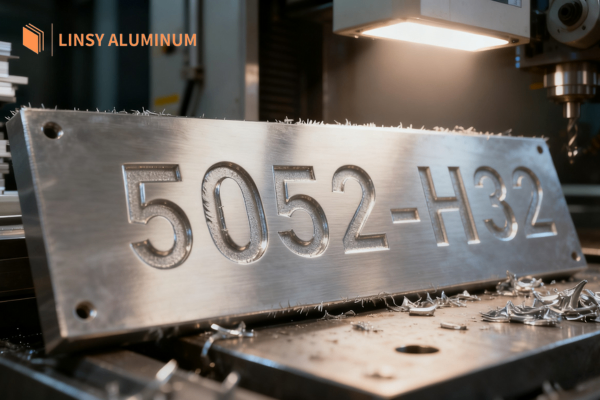
- ดีที่สุดสำหรับ: This alloy is excellent for use in enclosures, marine hardware, trailers, and non-structural frames.
- Why it welds well: This alloy is not heat-treatable and contains about 2.5% magnesium. This mix helps stop cracks from forming.
- Filler: You use 5356 or 5183 as the filler metals.
- Linsy Advantage: Linsy keeps sheet and plate material ready to go with full MTRs. This can really help if you have a startup or need to make some prototypes.
5083-H116/H321
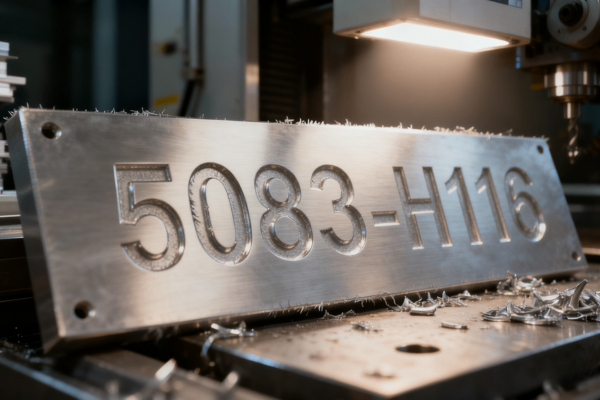
- Best for: Boat hulls, pressure vessels, and cryogenic tanks
- Why it welds well: This metal keeps over 90% of its strength even after welding. It has excellent corrosion resistance, especially in saltwater.
- Critical: You have to use the 5183 filler to match the correct Mg amount.
- Linsy Advantage: This meets marine standards set by DNV and ABS. The cut-to-size service is available too.
6061-O/T4

- Best for: Frames, brackets, car parts, and extrusion-molded shapes.
- Why caution is needed: 6061-T6 can crack when you weld it. It is better to weld in O (annealed) or T4 temper.
- Post-weld option: You can heat treat after welding to restore the T6 strength.
- Linsy Advantage: เรามี 6061-O ready for welding projects. There is no need for you to anneal it yourself.
What Makes an Aluminum Supplier “Weld-Ready”?
A “weld-ready” supplier is not just someone who gives you aluminum. This is the one who knows what you need for your fabrication work. They help by providing materials that reduce prep time and risk. A good supplier keeps the temperature steady and gives you surface quality that is very good. There are no oils or other contaminants, so you do not have to worry about weld problems.
An expert supplier like Linsy Aluminum ensures you get materials that meet the highest standards. The company’s products are usually ISO-certified. We also offer you precision cutting and protective packaging. This way, the aluminum arrives ready for fabrication. You save time and effort.
Linsy Aluminum delivers:
✅ Certified Material
- The full MTRs have both chemical data and mechanical data.
- The standards they meet include ASTM B209, EN AW, or AMS.
✅ Correct Temper, Every Time
- No guesswork: Alloys like 5052-H32, 5083-H116, and 6061-O are clearly labeled
✅ Value-Added Services
- Cut-to-size: You can save your time on prep and help stop edge damage.
- Protective film: This helps prevent scratches and keeps oxides that get trapped away.
- Technical support: You get tips on which alloy and filler to use.
At Linsy, we care about welding and want you to do well. We are not here only for small sales. Everything in how we move and get things done is set up for your success with welding.
บทสรุป
To sum up, choosing the right alloy is very important for weld projects. The metal that you pick changes how easy the weld will be. You should know how the metal mix, or alloy, affects weldability for what you need. Getting the right alloy and support from a trusted company like Linsy can improve your work. When you work with the right supplier, you get weld results you can count on. This also helps make your project go well.
With our expertise in aluminum and our commitment to delivering good results, we are here to help you with whatever you want to buy. Do not settle when you choose your materials. Make sure you have the best options. For help that fits your needs, get a free consultation with our experts today.
คำถามที่พบบ่อย
What are the most commonly used weldable aluminum alloys?
The alloys you can weld the easiest are usually from the 5xxx and 6xxx series. A lot of people use 5052, 5083, and 6061. They have excellent weldability and good strength. They also give you good corrosion resistance.
You can weld these alloys using both MIG and TIG methods. This makes them a good pick for many jobs. They produce strong welds and stand up well to corrosion.
Which aluminum alloys are considered easiest to weld for beginners?
For someone new to welding, the 5xxx aluminum alloy series, such as 5052, can be a good choice. They have excellent weldability and are unlikely to crack during welding. The 6061 alloy is a good choice, too. It is a standard arc-welding alloy that works as most people expect. But you need to watch the heat more closely when you work with it.
Are there any aluminum alloys that should be avoided for welding?
You should not use arc welding for alloys in the 2xxx and 7xxx series. The high copper or zinc content in these alloys can cause welding problems. When you weld these, brittle intermetallic phases might form. This can make the welded joint weak. It will not be strong enough for most things you need.
What makes certain aluminum alloys more weldable than others?
Weldability is about how well you can weld an alloy. It depends on which metals are mixed in it. The way heat moves in an alloy, known as thermal conductivity, is important for welding too. A strong oxide layer helps when you weld. Alloys with magnesium can be easier to weld. But if the alloy has copper or zinc, welding can be more difficult. When the alloy does not remove heat too quickly and you can control the oxide layer, it is easier to make a good weld.
How does the weldability of 6061 aluminum compare to other alloys?
6061 aluminum has excellent weldability. You can use it for welding, but it might crack more easily than 5xxx-series alloys. A good thing about 6061 aluminum is that it can be heat-treated. So, you can get high strength back in the joint after welding. It also has high strength, good formability, and corrosion resistance. This means the metal is a good choice when you want stability and corrosion resistance.
What problems can occur when welding unweldable aluminum alloys?
Welding alloys with poor weldability can cause significant trouble. When the weld cools, the metal can crack if it gets too hot. This cracking is common with these types of metals. You may also notice porosity in the weld, which occurs when gas bubbles are trapped. The area near the weld can become weak and lose its corrosion resistance. This makes it much easier for corrosion to occur, and the part might break down faster than you want. All of these problems can shorten the lifespan of your weld and the parts.