Key Highlights
- Alloys 2024 and 7075 are considered unweldable using traditional arc welding processes.
- These high-strength alloys are prone to cracking in the heat-affected zone (HAZ) during welding.
- Their strength-oriented chemical composition limits weldability.
- Specialized techniques like friction stir welding (FSW) can join them but are often impractical for everyday fabrication.
- For most applications, choose readily weldable alloys from the 1xxx, 3xxx, 4xxx, 5xxx, or 6xxx series.
Introduction
The world of arc welding includes many types of metals, each with its special traits and problems. Aluminum alloys are very popular because they are light and resist corrosion. But not all aluminum alloys behave the same during welding. This article looks at two specific alloys, 2024 and 7075. Both are generally poor candidates for traditional arc welding.
Understanding 2024 and 7075 Aluminum Alloys
The 2024 and 7075 aluminum alloys are known for being strong while remaining lightweight. This makes them favorites in fields such as aerospace and manufacturing. Their strong mechanical properties are excellent, but welding them is difficult.
These alloys contain elements that increase strength. However, those same elements can lead to cracking when you weld.
Properties of 2024 Aluminum Alloy
2024 aluminum alloy is known for its high strength and fatigue resistance. It is mainly copper-bearing, which boosts its strength. Because of these features, it is a good choice for parts like aircraft wings, fuselages, and other structures.
However, the copper in this alloy can also cause corrosion if it is not well protected. When welding 2024, heat can create brittle intermetallic compounds in the welded area, making the alloy more likely to crack. Because of this risk, 2024 is usually considered difficult to weld.
Many fabricators use alternative joining methods, such as riveting, instead. Research into new techniques and filler materials continues to explore whether welding 2024 can be made practical.
Properties of 7075 Aluminum Alloy
7075 aluminum alloy is a strong material with a great strength-to-weight ratio. It mainly contains zinc and magnesium. These elements give 7075 very high strength, even exceeding some steels.
But the same features that make 7075 strong also make it hard to weld. The heat from welding can disturb the alloy’s microstructure. This may lead to hot cracking, where cracks form in the weld as it cools. Stress-corrosion cracking can also develop over time when sustained stress meets a corrosive environment.
Because of these issues, 7075 is commonly used in bicycle frames and aircraft parts where welding is avoided or where other joining methods are used.
Pre-Welding Preparation for Aluminum Alloys
Although 2024 and 7075 are often seen as tough to weld with regular arc methods, preparing the metal for alternative joining or specialized welding follows similar principles. Proper preparation is key for these methods to succeed.
The following sections share guidance on cleaning and selecting equipment when these alloys will be joined.
Cleaning and Material Preparation
Before welding or joining 2024 or 7075, it is very important to clean the base material thoroughly. This cleaning process includes:
- Vapor Degreasing or Solvent Cleaning: Removes oils, grease, and other contaminants that could weaken the joint.
- Mechanical Cleaning: Wire brushing or sanding produces a clean, oxide-free surface for better bonding.
- Chemical Etching: An aluminum etchant removes the thin oxide layer, improving wetting and capillary action during joining.
These careful cleaning steps are vital with strong alloys like 2024 and 7075. Any leftover contamination can cause defects and weaken the joint.
Selecting the Right Welding Equipment
It is important to pick the right equipment when evaluating joining methods for 2024 and 7075.
| Equipment | Description | Use for Aluminum Alloys |
| High-Frequency TIG Welder | Precise control over the arc and heat | Best for thin sections |
| Pulsed MIG Welder | Better heat control helps prevent burn-through | Ideal for thicker sections |
| Friction Stir Welding (FSW) Machine | Joins materials without melting them | Great for strong aluminum alloys like 7075 |
Understand what each process can and cannot do when choosing equipment. That helps ensure strong, reliable joints.
Conclusion
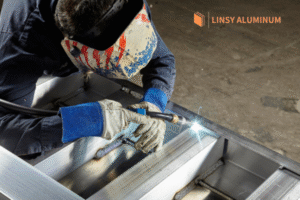
Welding 2024 and 7075 aluminum alloys successfully takes careful attention and precision. Know the special traits of each alloy, prepare thoroughly before joining, and follow expert technique during the process to produce strong, lasting joints. Whether your project is small or industrial, clean well, choose the right tools, and apply the right method — these are the keys to success.
Choosing Linsy Aluminum means selecting an aluminum supplier in China dedicated to quality, innovation, and customer satisfaction. As one of the leading aluminum brands, we specialize in producing high-strength aluminum alloys tailored for demanding industries like aerospace, automotive, and construction. Our advanced aluminum factory in China uses cutting-edge technology and stringent quality control to ensure each product meets rigorous international standards. With a commitment to customized solutions and prompt global delivery, Linsy Aluminum stands out as a trusted partner for all your aluminum needs, delivering quality and reliability every step of the way.
Planning a 7075 or 2024 project and need joinable material or expert advice? Contact Linsy Aluminum to discuss your requirements.
Frequently Asked Questions
Can 2024 aluminum be easily welded?
Welding 2024 aluminum is achievable but challenging due to its poor weldability, which can cause cracks under traditional arc welding. Therefore, it is not recommended for hobbyists to attempt welding this alloy.
What are the best practices for welding 7075 aluminum?
For 7075 aluminum, friction stir welding is the preferred method because its solid-state approach avoids the melting-related issues of arc welding. Traditional arc welding is not recommended. Beginners working with 7075 should explore alternative joining techniques.