Key Highlights
- Aluminum 5052 H32 resists corrosion well, making it a strong choice for marine and industrial use.
- It offers medium-to-high strength with better formability than many comparable 5xxx grades.
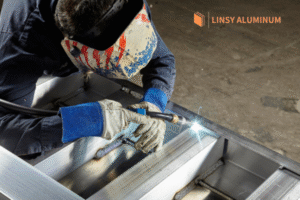
- It welds readily and handles cold forming without cracking.
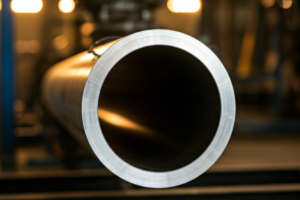
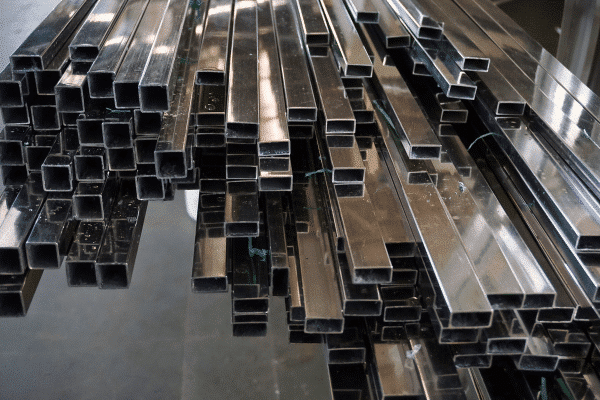
- It is available as sheet, plate, treadplate, bar, tube, and wire, giving designers several options.
- It serves many fields, including marine, transportation, and construction.
Introduction
Aluminum 5052 H32 is a versatile aluminum alloy. It forms easily and resists corrosion, which makes it a favorite for sheet-metal work across many industries. Its balanced strength and simple welding process put it among the most used grades in the 5000 series. This guide covers its properties, benefits, applications, and how it compares with other common alloys.
What Are the Properties of 5052 H32 Aluminum Alloy?
Aluminum 5052-H32 gains strength from its composition and temper. The H32 label means the metal is strain hardened and then partially annealed for stability. This makes it stronger than the annealed condition, known as 5052-O, while keeping enough flexibility for bending. It is not as hard as fully hardened tempers.
That balance makes 5052-H32 useful for work that needs both strength and formability, such as tight bends in sheet metal or parts exposed to weather. The alloy delivers consistent results across fabrication and finishing steps.
Chemical Composition
The behavior of 5052 H32 comes from what it is made of. Aluminum is the base metal, but small added elements matter. Magnesium is the key alloying element; it raises strength, especially after strain hardening. Chromium improves corrosion resistance, which helps in wet or chemically aggressive environments. A little silicon adds strength and improves castability.
Together these elements give 5052 H32 its strength, formability, and corrosion resistance without complex processing.
Physical Attributes and Benefits
5052 H32 has a high strength-to-weight ratio, so it supports loads without adding much mass. That matters in transportation and structures where weight savings count.
It also has good fatigue strength, so it holds up under repeated stress in parts like brackets, panels, and marine fittings. Its corrosion resistance comes from a protective oxide layer that forms on the surface and blocks further oxidation.
This resistance makes 5052 H32 a practical choice for marine use, chemical-processing equipment, and building components exposed to the elements.
5052 – H32 Plate and Treadplate
5052-H32 is supplied as plate and treadplate. Plate has a smooth, strong surface suited to general fabrication. Treadplate carries a raised pattern that improves slip resistance, so it fits walkways, stairs, and platforms. You can review sizes and finishes on the 5052-H32 aluminum sheet product page.
The table below lists common mechanical properties of 5052-H32 in both metric and imperial units:
| Property | Value |
| Ultimate Tensile Strength | 228 MPa (33 ksi) |
| Yield Strength | 193 MPa (28 ksi) |
Practical Applications of 5052 H32 Aluminum
The mix of properties in 5052 H32 suits many jobs. It is strong yet easy to form, weld, and finish, which fits detailed designs and fabricated assemblies.
It works for light aircraft parts and for structural pieces in tough marine environments. The strength-to-weight ratio and corrosion resistance explain its popularity across sectors.
Industries That Frequently Use 5052 H32
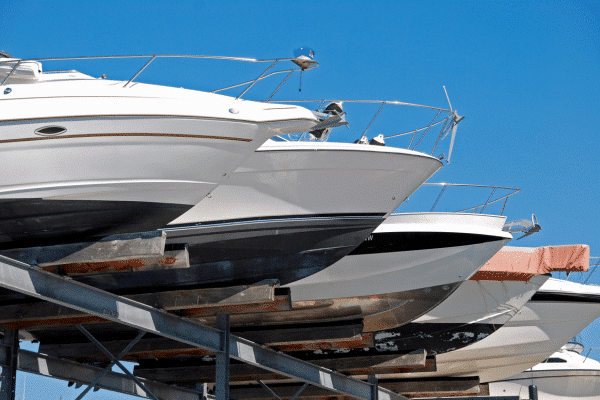
5052 H32 is common in marine settings because it resists seawater corrosion. It is used for boat hulls, docks, and other seaside structures, and it welds into strong joints that keep those structures safe.
Beyond marine, it serves transportation, where light, durable materials are needed. It appears in truck bodies, trailers, signs, and guardrails. In construction it becomes roofing, siding, window frames, and enclosures.
Its good machinability allows precise cuts and shapes for detailed work, making 5052 H32 a regular pick across industries.
Comparing Uses with Other Aluminum Alloys
Next to other grades, 5052 H32 shows clear strengths. 6061-T6 aluminum has higher tensile strength, but 5052 H32 forms and springs back better, so it suits projects with tight bends that still need strength.
5052 H32 holds up under repeated stress better than softer grades such as aluminum 3003. For corrosion resistance it performs like marine-grade 5083 aluminum; 5083 is tougher, yet 5052 H32 is easier to shape and weld. For a side-by-side look, see the 5052 or 6061 aluminum: the ultimate guide.
Conclusion
5052 H32 is not the strongest aluminum available. It cannot match the tensile strength of 6xxx-series grades such as 6061-T6, and it is not meant for high-temperature service or heavily loaded structural frames. Choose it when formability, weldability, and corrosion resistance rank above peak strength.
Linsy Aluminum runs a Shenzhen factory with more than 20 years of experience and supplies 5052 H32 in sheet, plate, bar, tube, and wire across the 1000–8000 series. Custom sizes are cut to order with a lead time of 10–60 days, backed by in-house CNC machining, welding, laser cutting, and surface treatments such as anodizing. Every order ships with a material test certificate (MTC), and SGS test reports are available on request at extra cost. Our ISO 9001, 14001, and 45001 systems support consistent quality.
Tell us your alloy, temper, and drawing, and contact Linsy for a quick quote.
FAQ
What does the H32 temper mean on 5052 H32?
H32 means the alloy is strain hardened to a quarter-hard condition and then partially annealed for stability. It is stronger than annealed 5052-O while staying easy to form and bend.
Is 5052 H32 good for marine environments?
Yes. Its magnesium content gives strong resistance to seawater and salt spray, which is why it is widely used for boat hulls, docks, and offshore structures.
Can 5052 H32 be welded?
It welds readily with standard processes such as GTAW and GMAW and produces sound joints. A 5xxx-series filler such as 5356 is commonly used to protect corrosion resistance in the weld zone.
5052 H32 or 6061-T6 — which should I choose?
Choose 5052 H32 when formability, weldability, and corrosion resistance matter more than raw strength. Choose 6061-T6 when you need higher tensile strength and better machinability. The 5052 vs 6061 guide covers the trade-offs in detail.
What product forms does 5052 H32 come in?
Common forms include sheet, plate, treadplate, bar, tube, and wire. Linsy can also supply custom profiles and cut lengths; see the 5052 aluminum alloy product page for the full range.