5052 aluminum sheet and plate is non-heat-treatable Al-Mg flat product with 2.2–2.8% magnesium, supplied from 0.2 mm sheet to 80 mm plate. It is the alloy for formed and welded parts that see water: fuel tanks, marine panels, pressure covers, appliance and transport components. Strength comes from strain hardening, so the temper you buy is the strength you keep.
Sheet: 0.2–6.0 mm
Plate: 6.0–80 mm
Coil: 0.2–3.0 mm, 508/610 mm ID
Tempers: O / H32 / H34 / H36 / H38 (sheet)
Standard: ASTM B209
Quality documents: MTC report with every order
5052 aluminum sheet and plate is non-heat-treatable Al-Mg flat product with 2.2–2.8% magnesium, supplied from 0.2 mm sheet up to 80 mm plate. It is the alloy chosen for formed and welded parts that see water: fuel tanks, marine panels, pressure covers, appliance and transport components. Strength comes from strain hardening, so the temper you buy is the strength you keep — and welding softens it with no heat treatment available to recover it. Alloy data: 5052 aluminum alloy.
| Form | Tempers | Thickness (mm) | Width (mm) | Length (mm) |
|---|---|---|---|---|
| Sheet | O, H32, H34, H36, H38 | 0.2 – 6.0 | 1,000 – 1,500 (to 2,600) | 1,000 – 4,000, cut to length |
| Plate | O, H32, H34 | 6.0 – 80 | 1,000 – 2,600 | 1,000 – 6,000 |
| Coil | O, H32, H34 | 0.2 – 3.0 | 1,000 – 1,500 | Coil ID 508 / 610 mm |
Sheet or plate? At 6 mm the product changes from coiled sheet to rolled plate, and the temper range narrows with it: sheet runs to H38, plate stops at H34 because a harder plate cannot be rolled and levelled reliably. Supplied to ASTM B209; EN 485 equivalents available.
Coil is the economical form if you are blanking your own parts — it is priced per tonne and avoids paying for sheet offcuts. State the coil ID your line accepts (508 or 610 mm).
| Temper | Tensile (MPa) | Yield (MPa) | Elongation | Condition |
|---|---|---|---|---|
| O | 172 – 214 | ≥ 66 | 18 – 20% | Annealed, maximum formability |
| H32 | 214 – 262 | ≥ 159 | 5 – 9% | Quarter hard, stabilised — the workhorse |
| H34 | 234 – 283 | ≥ 179 | 4 – 7% | Half hard |
| H36 / H38 | 255 – 303 / 269 min | ≥ 200 / 221 | ~4% | Three-quarter and full hard, sheet only |
Typical values; confirm against the MTC. Density 2.68 g/cm³, elastic modulus 70 GPa. Note the elongation collapse from O to H32: that is the whole reason the temper choice changes what you can form.
H32 is the volume temper and covers most sheet and plate work: tank shells, panels, brackets, general fabrication. H34 adds about 20 MPa of yield at noticeably reduced ductility — use it where the part is not formed after cutting.
O is for forming, and on this alloy that is a decision you cannot undo: bend H32 on a tight radius and it cracks, and there is no heat treatment afterwards to restore anything you anneal. If the shop is going to roll or press the sheet, buy O and accept the lower strength, or design the part so the forming is shallow enough for H32.
| Alloy / temper | Tensile (MPa) | Yield (MPa) | Weldability | Where it fits |
|---|---|---|---|---|
| 5052-H32 | 214 – 262 | ≥ 159 | Excellent | Fuel tanks, marine panels, formed and welded parts |
| 5083-H116 / H321 | 305 | 215 | Excellent | Heavier marine structure, pressure vessels, cryogenic |
| 6061-T6 | 310 | 276 | Good | Machined plate, structures, anodized panels |
5052 is the middle of the three: less strong than 5083 or 6061, but the most formable of them and the most forgiving in salt water. Choose 5052 when the part is formed or welded and the load is moderate; step to 5083 when the same service needs more strength, and to 6061 when the part is machined rather than formed.
Cutting: sheet is guillotined, sawn or laser cut; plate is sawn. Cut-to-size is normally cheaper than shipping full sheets.
Forming: excellent in O and good in H32. Roll forming, press braking and spinning all work; watch the bend radius on H32 and keep the bend line across the rolling direction where possible. 5052 is one of the easiest alloys to draw and spin.
Welding: very good with 5356 filler, or 4043 where fluidity matters more than colour. The weld zone returns near O condition, so welded tanks are usually designed on the annealed strength of the joint.
Surface: mill finish, PVC film, polished, or anodized — it anodizes bright and white, which is why it is often chosen for visible marine fittings.
Fuel and oil tanks, marine hull panels and superstructures, pressure-vessel shells, truck and trailer bodies, appliance panels and liners, road signs and signage, refrigeration and air-conditioning parts, chemical equipment, anodized decorative panels, architectural cladding.
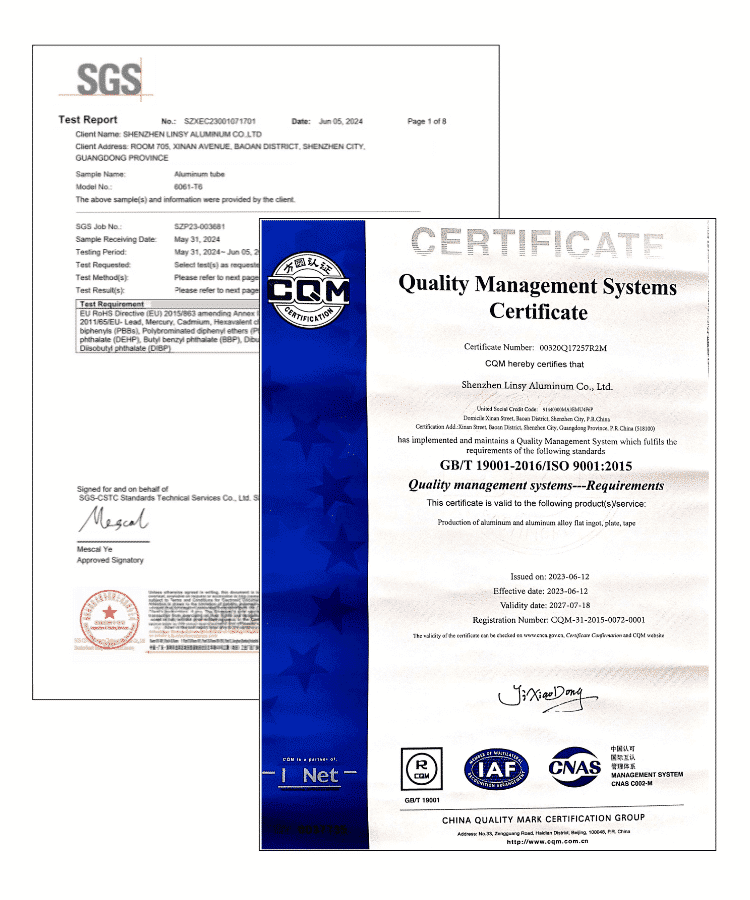
Every order ships with an MTC reporting alloy, temper, chemical composition and mechanical results against ASTM B209. For tank and pressure work, state the temper and standard on the enquiry so the certificate matches the design calculation. Third-party testing is available on request at additional cost; production runs under ISO 9001, ISO 14001 and ISO 45001 certified systems.
Sales confirm stock or custom lead time for that exact combination.
Shenzhen-based aluminum factory, more than 20 years in the industry, supplying 1000–8000 series alloys in standard specifications and custom sizes.
Q: Can 5052 sheet be heat treated for more strength?
A: No. It is non-heat-treatable; strength comes from strain hardening. To get more you buy a harder temper (H34 instead of H32) and give up formability.
Q: Why does plate stop at H34 when sheet goes to H38?
A: Because a thick section cannot be rolled and levelled to a fully hard temper reliably. Above 6 mm the practical range is O, H32 and H34.
Q: H32 or O for a tank shell?
A: O if the shell is rolled or pressed, H32 if it is only bent on a generous radius. H32 will crack on a tight roll, and welding softens the seam regardless — design the shell on the welded strength.
Q: Is 5052 good for marine use?
A: Yes, it is one of the standard marine alloys. For higher stress in the same environment, 5083-H116 or H321 is the next step up.
Q: Do you supply coil?
A: Yes — 0.2–3.0 mm, 1,000–1,500 mm wide, in 508 or 610 mm ID. Tell us the coil weight and ID your line accepts.
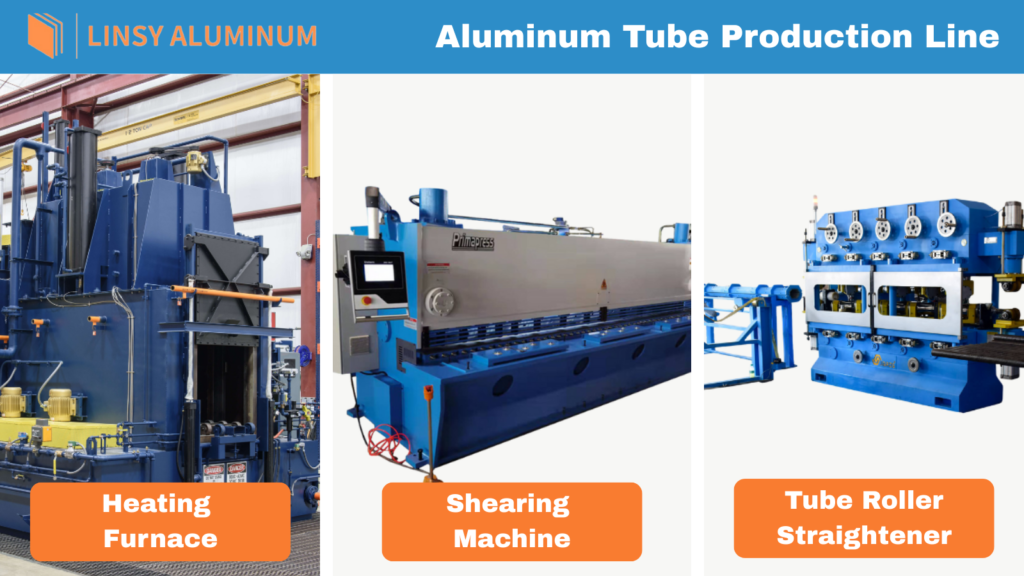
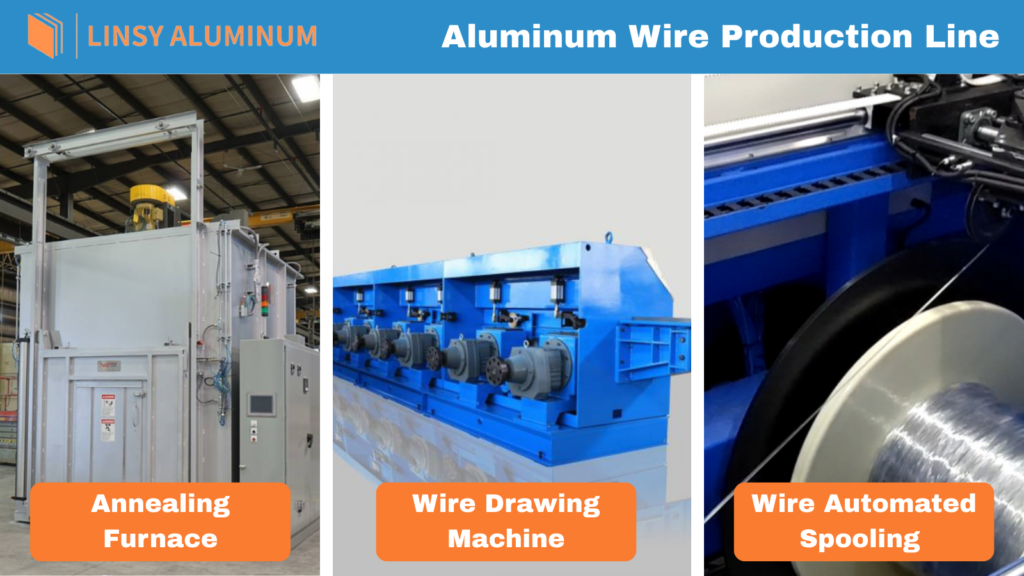
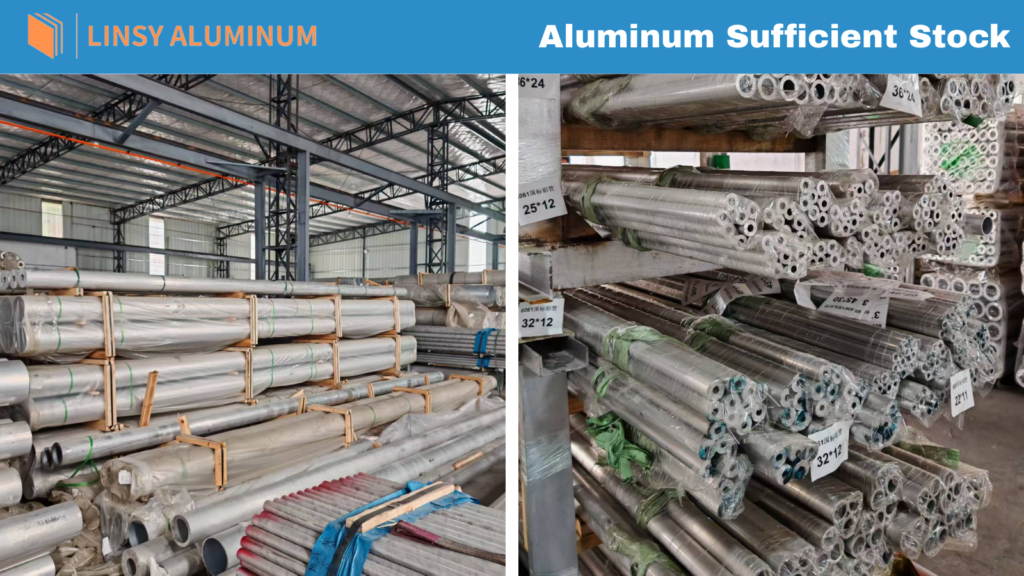
Linsy Advantages
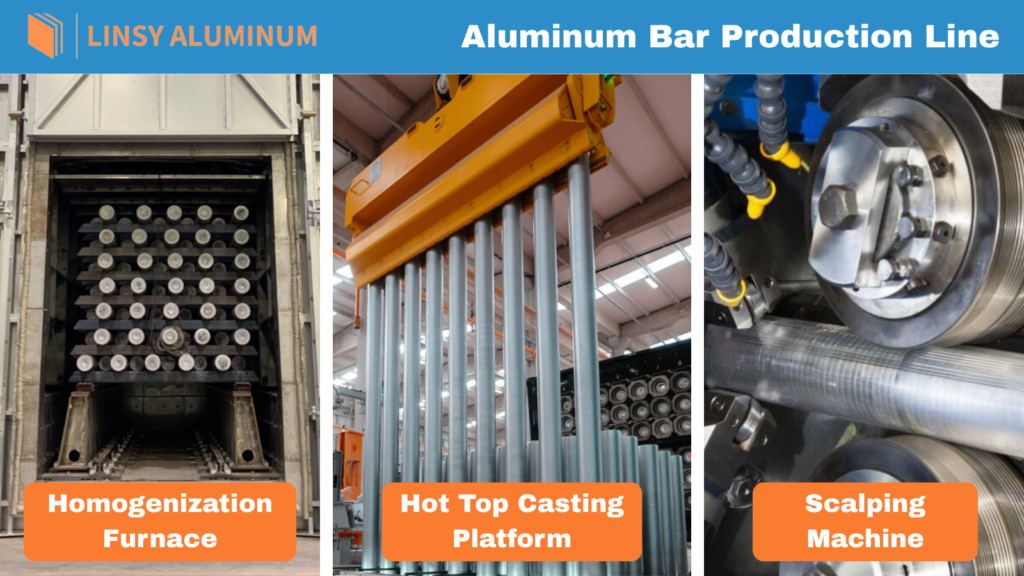
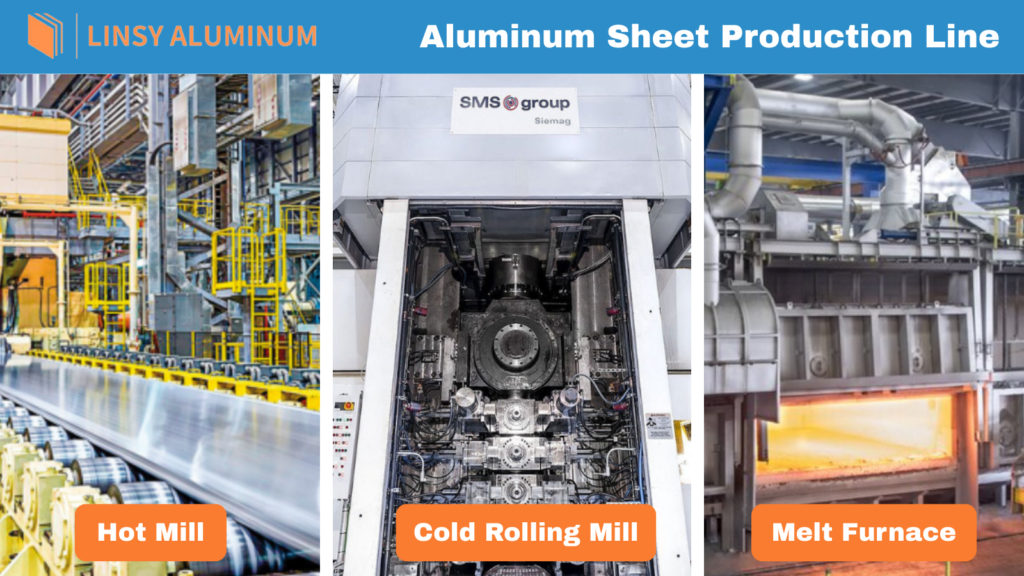
Linsy Aluminum is a leading supplier of aluminum processing products, serving diverse industries including aerospace, general engineering, automotive, marine, shipbuilding and other specialized industrial applications.
We are committed to maintaining the highest standards of quality and environmental responsibility, as demonstrated by our certifications: ISO 9001:2008, ISO 14001:2004 and SGS.