Hoogtepunten
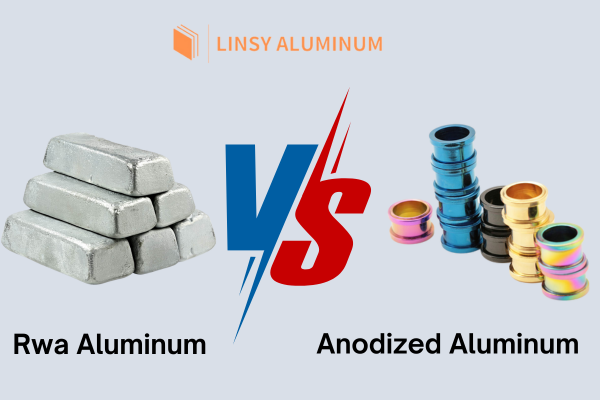
- Raw aluminium bears its mill-finish surface with a thin natural oxide layer — affordable and versatile, but less durable and harder to color.
- Anodized aluminum undergoes an electrochemical treatment that builds a thick, porous aluminum oxide layer — harder, more corrosion-resistant, and available in a wide color range.
- The core trade-off: cost and simplicity vs. surface durability, color flexibility, and maintenance demands.
- Choosing the right option depends on exposure conditions, appearance requirements, and budget.
- A supplier that provides both aluminum stock and in-house anodizing simplifies procurement and quality control.
Inleiding
Aluminum is a lightweight, strong, and naturally corrosion-resistant metal used across construction, automotive, marine, and general engineering. When left in its mill-finish state, it is cost-effective and easy to fabricate. However, for applications that demand a tougher surface, richer appearance, or longer outdoor life, anodizing transforms the same aluminum into a materially different proposition.
This comparison breaks down raw aluminum and anodized aluminum across durability, appearance, maintenance, and application fit — so you can decide which surface finish matches your project requirements.
Wat is ruw aluminium?
De basisprincipes van ruw aluminium
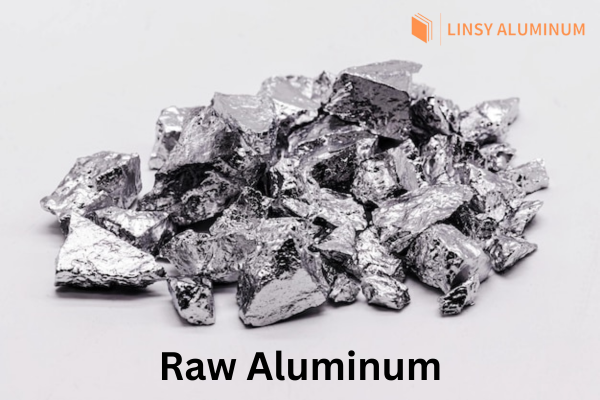
“Mill finish” refers to the surface of aluminum after processes such as rolling or extrusion. It carries the characteristic unfinished look, including minor manufacturing marks. Although aluminum naturally forms a thin oxide layer when exposed to air, this layer is superficial and offers only basic protection.
A key advantage of raw aluminum is that it can be further processed into sheets, plates, bars, tubes, profiles, and custom shapes. This versatility makes it a go-to material for construction frames, heat sinks, and general industrial components. It also accepts additional finishes — painting, powder coating, or later anodizing — when requirements change.
The limitation: the natural oxide film is too thin to withstand harsh chemical exposure, constant abrasion, or long-term outdoor weathering without discoloration or pitting.
Voor- en nadelen van ruw aluminium
Raw aluminum is cost-effective and widely available, but its trade-offs matter when surface performance counts.
- Kosteneffectief: As the base material, raw aluminum is the least expensive option per kilogram.
- Veelzijdig: It can be extruded, rolled, drawn, or machined into nearly any product form.
- Naturally corrosion-resistant: A thin aluminum oxide layer forms on exposure to air, providing basic protection in mild environments.
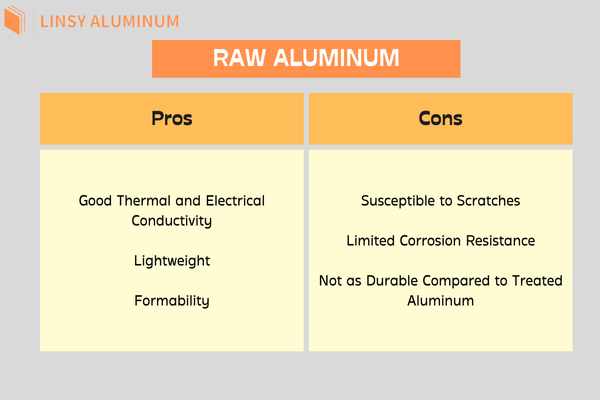
- Susceptible to scratches and dents: The thin natural oxide layer offers limited hardness — raw surfaces scratch and dent more easily than anodized ones.
- Limited corrosion resistance in harsh conditions: In marine, chemical, or high-humidity environments, the natural oxide is insufficient.
- Uiterlijk: The dull, inconsistent mill-finish look does not suit decorative or consumer-facing applications.
Wat is geanodiseerd aluminium?

Anodized aluminum is aluminum that has undergone an electrochemical treatment to thicken its natural oxide layer. Unlike applied coatings, the anodic layer grows from the aluminum itself — it is integral, not a surface film — so it does not chip, peel, or flake.
During anodizing, aluminum is immersed in an acid electrolyte bath while an electric current passes through it. Oxygen ions bond to the aluminum surface, forming a controlled, porous aluminum oxide structure. Because the layer is porous, it can absorb dyes before sealing, producing a wide spectrum of durable colors.
De basisprincipes van geanodiseerd aluminium
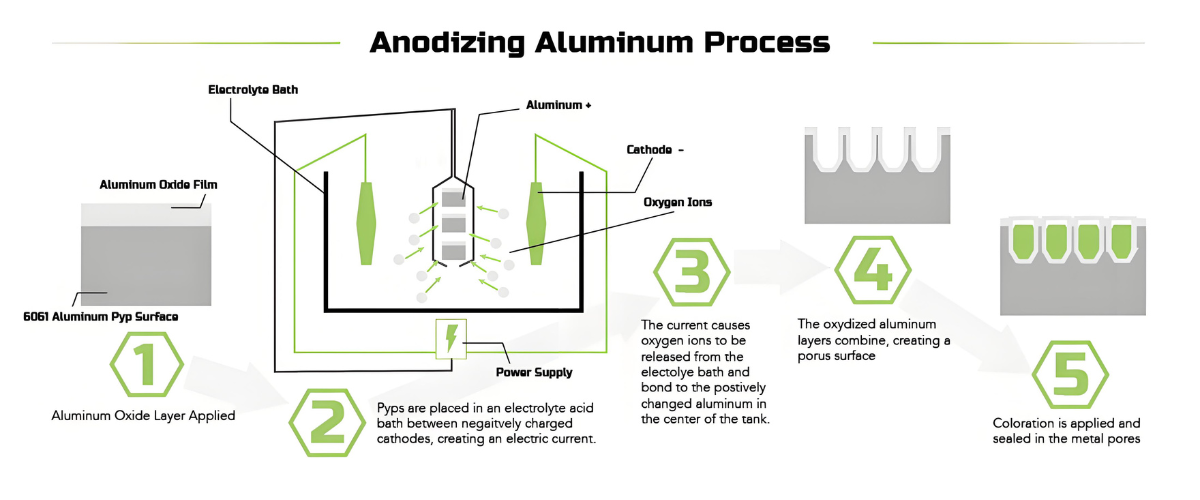
The anodizing process converts the aluminum surface into aluminum oxide — a material nearly as hard as sapphire on the Mohs scale. The oxide layer is typically 5–25 microns thick for standard architectural anodizing and can exceed 50 microns for hard anodizing in engineering applications.
Because the oxide layer is integral to the metal, anodized finishes maintain their appearance under UV exposure and resist wear far longer than paint or powder coating. The sealed surface is also electrically non-conductive and resistant to many chemicals.
Voor- en nadelen van geanodiseerd aluminium
Anodizing delivers meaningful gains in performance and appearance, but the process adds cost and imposes some practical limits.
- Enhanced durability: The anodic layer is harder than the base aluminum, resisting scratches, abrasion, and general wear.
- Superior corrosion resistance: The thickened oxide barrier stands up to salt spray, humidity, and chemical exposure.
- Aesthetic versatility: Available in a wide range of colors — from clear/silver to black, bronze, gold, red, blue, and custom hues.
- Low maintenance: The non-porous sealed surface resists staining and cleans with mild detergent and water.
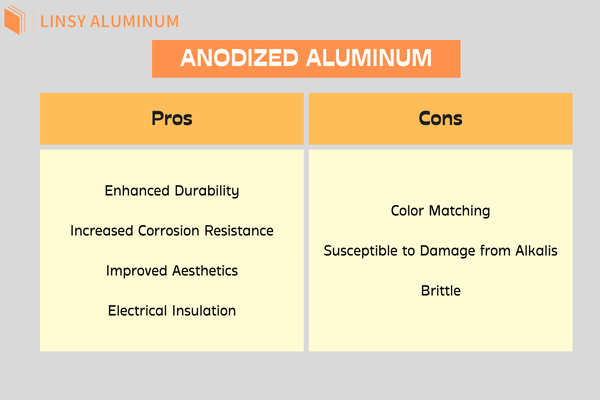
- Higher cost: Anodizing adds processing cost; the per-unit price is higher than mill-finish aluminum.
- Batch color consistency: Achieving an exact color match across different production batches requires tight process control.
- Reduced formability: The hardened surface layer can crack if the part is bent or formed after anodizing.
Belangrijkste verschillen tussen ruw aluminium en geanodiseerd aluminium
The defining distinction is the surface. Raw aluminum carries its natural mill finish with a thin, passive oxide film. Anodized aluminum has an electrochemically grown oxide layer that is orders of magnitude thicker, harder, and tightly bonded to the substrate.
Duurzaamheid
The anodizing process builds a dense aluminum oxide layer that resists scratches, abrasion, and mechanical wear. This layer is integrated into the metal — unlike paint or plating — so it cannot delaminate.
Raw aluminum’s natural oxide film is microscopically thin by comparison. Under repeated contact, impact, or friction, raw surfaces show wear marks, scuffs, and dents sooner. For components in moving assemblies, sliding tracks, or high-touch zones, anodized aluminum holds its surface integrity much longer.
Uiterlijk
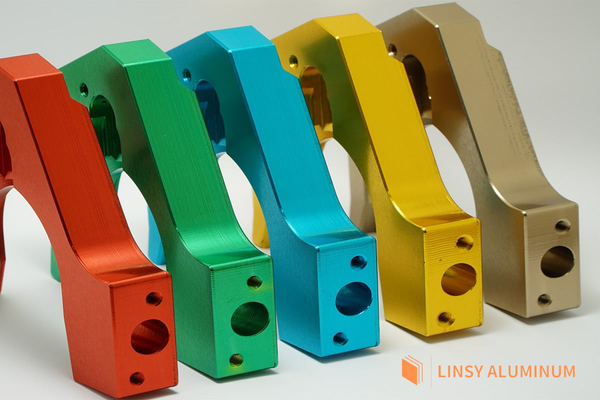
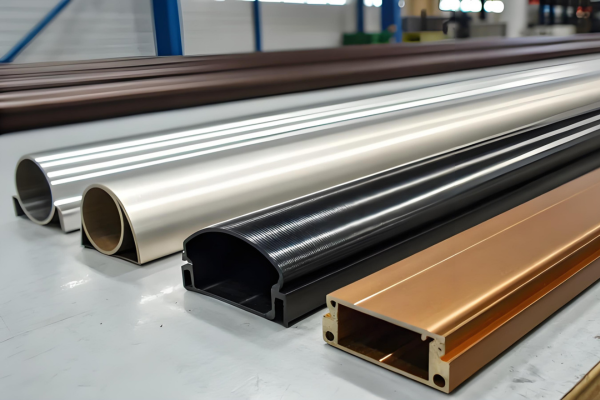
Anodized aluminum accepts dyes directly into its porous oxide structure before sealing. This produces rich, fade-resistant colors — from clear satin to deep black, bronze, gold, and custom tones — without the risk of peeling or chipping.
Raw aluminum stays silver-gray and picks up handling marks, oxidation spots, and uneven weathering over time. Paint and powder coating can add color but are surface films that lack the bond strength and longevity of anodizing. For visible architectural trim, consumer products, or brand-critical parts, anodized color is the durable choice.
Onderhoud
Anodized aluminum needs minimal upkeep. The sealed oxide surface resists stains, fingerprints, and environmental buildup. Routine cleaning is a wipe-down with mild soap and water — no waxing, polishing, or refinishing required.
Raw aluminum, without a protective finish, collects dirt and oxidation residue more readily. In outdoor or humid settings, it needs regular cleaning to prevent pitting and discoloration. The maintenance gap becomes a significant cost driver over the life of a product or installation.
Toepassingen van aluminium vs geanodiseerd aluminium
Both finishes have their place. Raw aluminum works well where cost, weight, and basic corrosion resistance are sufficient. Anodized aluminum steps in when surface performance, longevity, or appearance are non-negotiable.
Toepassingen voor ruw aluminium
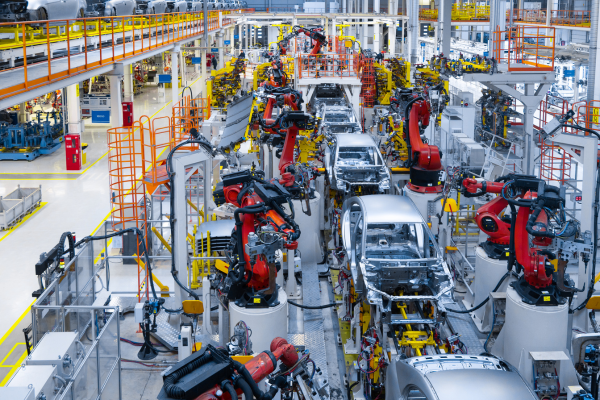
Raw aluminum is commonly extruded into window frames, door frames, and structural profiles where the natural finish meets indoor or sheltered requirements. It is also used for machinery components, heat sinks, electrical enclosures, and large-volume fabrication where cost per unit is the main driver.
Because it remains easily weldable, machinable, and formable without a hardened surface layer, raw aluminum is the starting point for subsequent finishing operations — including anodizing, when downstream processing is needed.
Toepassingen voor geanodiseerd aluminium
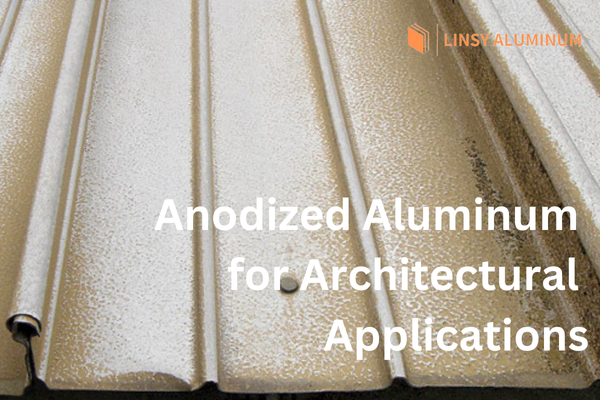
Anodized aluminum excels in outdoor and high-wear environments: architectural facades, curtain walls, window systems, marine fittings, automotive trim, and consumer electronics housings. The thick oxide layer shrugs off UV radiation, salt spray, and urban pollutants without fading or corroding.
Its consistent color and low-maintenance surface also suit high-traffic interiors — elevator panels, handrails, retail displays — where appearance must hold up to daily handling.
Voordelen van geanodiseerd aluminium ten opzichte van ruw aluminium
Choosing anodized aluminum over raw aluminum comes down to three measurable gains: surface hardness, corrosion endurance, and aesthetic flexibility. Each directly extends product life and reduces long-term maintenance.
- Hardness: The anodic layer measures 300–500 HV on the Vickers scale, compared to roughly 50–150 HV for bare aluminum — a 3–10x improvement.
- Corrosion endurance: Salt spray testing shows anodized aluminum surviving hundreds of hours without pitting, whereas raw aluminum begins corroding within tens of hours in the same conditions.
- Aesthetic range: Anodized finishes hold color without fading, chalking, or requiring recoating — and they accept custom hues that paint cannot match for bond strength.
Conclusie
Raw aluminum and anodized aluminum are not two separate materials — anodized aluminum is aluminum, with a purpose-grown oxide surface that changes how it performs and looks. Raw aluminum wins on upfront cost and basic workability; anodized aluminum wins on surface hardness, long-term corrosion resistance, color options, and maintenance savings.
The decision path is straightforward: if your application runs indoors in mild conditions and surface finish does not matter, mill-finish aluminum does the job. If it faces weather, abrasion, chemicals, or consumer-facing aesthetics, anodizing is worth the added cost.
Linsy Aluminum simplifies this choice by supplying both the aluminum stock and the in-house anodizing process under one roof. With 20+ years of experience, ISO 9001/14001/45001 certified management systems, and in-house surface finishing (anodizing, polishing, powder coating), Linsy delivers aluminum in plate, sheet, bar, tube, profile, and wire form — anodized to specification with consistent quality from a single supplier. Custom lead times range from 10 to 60 days, and every order ships with a Material Test Certificate. Contact Linsy Aluminum today to discuss your aluminum and anodizing requirements and request a quote.
Veelgestelde vragen
Is anodized aluminum better than raw aluminum?
Anodized aluminum offers superior surface properties — hardness, corrosion resistance, and color stability — but “better” depends on the application. For indoor structural use where cost is the priority, raw aluminum may be the right answer. For outdoor, high-wear, or appearance-critical roles, anodized aluminum is the stronger choice.
Wat zijn de belangrijkste voordelen van geanodiseerd aluminium?
Anodizing builds a thick, integral aluminum oxide layer that increases surface hardness 3–10x over bare aluminum, blocks corrosion far longer than the natural oxide film, and accepts dyes for durable, fade-resistant color. The sealed surface also requires minimal maintenance.
When is anodizing worth the extra cost?
Anodizing pays off when the product faces outdoor exposure, frequent handling, abrasive contact, or corrosive environments — and when appearance matters. The upfront cost is offset by longer service life, fewer refinishing cycles, and lower maintenance.
Wat gebeurt er als aluminium niet wordt geanodiseerd?
It stays in its mill-finish state with a thin natural oxide layer. It is more prone to scratching, surface oxidation, and corrosion in harsh environments. Over time, bare aluminum darkens, develops uneven patina, and may show pitting in marine or chemical settings.
What is the main drawback of anodized aluminum?
Cost is the primary drawback — anodizing adds processing expense. Additionally, parts must be anodized before bending or heavy forming, as the hardened layer can crack under post-treatment deformation. Batch-to-batch color matching also requires careful process control.
Can anodized aluminum be welded?
The anodic oxide layer is non-conductive and must be removed from the weld zone before welding. After welding, the anodized finish is locally destroyed; the part typically requires re-anodizing or a touch-up coating to restore corrosion protection at the weld seam.