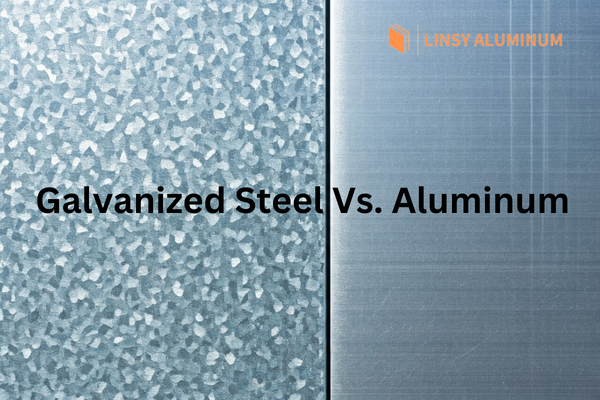
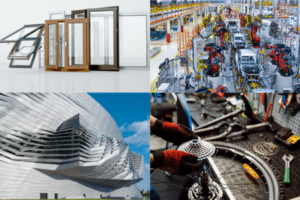
This blog talks about galvanized steel and aluminum. Each type of metal has unique features.
We will examine how metals resist corrosion, their strength and weight, and how they react to heat. We will also examine where they are used and consider the pros and cons of each metal.
Understanding the strengths and weaknesses of these materials will help you make smart decisions for your projects.
If you need strong, lightweight materials or good corrosion resistance, this guide will provide the information you need.
By the end, you can choose the best material for your project’s needs and budget.
Giới thiệu
When you need construction materials, you have many options. It is important to understand how these materials differ, especially when choosing between galvanized steel and aluminum. Galvanized steel is known for being a durable, corrosion-resistant option for structural applications, while aluminum is a lightweight, versatile metal with excellent corrosion resistance. This knowledge will help you choose the right material for your project.
In this post, we will explore the main differences between galvanized steel and aluminum. Both materials are popular and have unique qualities that influence how they are used. By looking at their strengths and weaknesses, this guide will help you decide if galvanized steel or aluminum is the better choice for you.
What is Galvanized Steel?
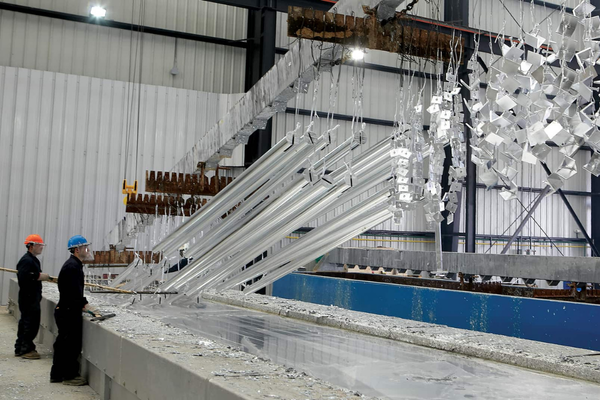
Galvanized steel is normal steel with a layer of zinc. This zinc layer helps prevent corrosion. To make galvanized steel, the steel is either dipped in molten zinc or coated with electricity. This method makes the steel tougher and better at resisting rust. That’s why it is a great option for outdoor use.
The Galvanization Process and Its Importance
The galvanization process has important steps.
First, you must clean the steel surface thoroughly. This is crucial because it removes oil, grease, and rust. If you leave these impurities, the zinc coating will not stick well.
Next, the clean steel goes into a bath of molten zinc, which is heated to about 840°F (450°C). The steel stays in this bath until it gets as hot as the zinc, helping create a strong bond between the steel and the zinc.
This bond forms a layer of zinc-iron alloy, which is crucial for the galvanization process. When the steel cools, a layer of pure zinc forms over the alloy layer. These two layers work together to protect against corrosion.
Key Properties of Galvanized Steel
Galvanized steel is great at fighting rust as it has a zinc layer protecting it. The zinc shields the steel from harm and rusts first if scratched, preserving the steel. Galvanized steel is robust and durable, perfect for sturdy projects with heavy loads. The thin zinc coat offers great defense, making it a wise choice for industry and construction. Thanks to galvanization, the protective layer makes maintenance easy and extends the material’s lifespan without frequent repairs.
What is Aluminum?
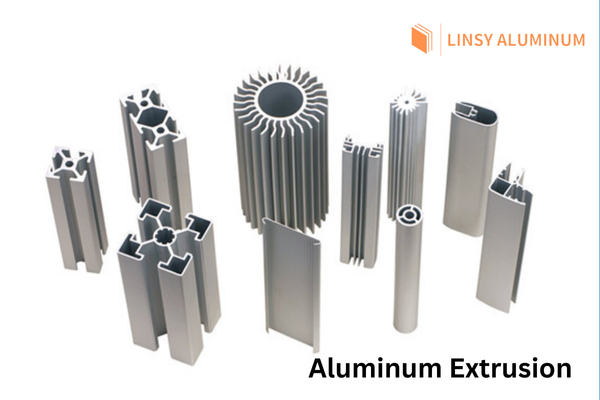
Aluminum is a light metal with a shiny silver-white color. Its light weight makes it a popular choice in many areas. It resists corrosion and has high thermal conductivity, which attracts industries such as aerospace, automotive, construction, and packaging. Aluminum is also easy to shape and cast into various forms, which helps manufacturers create detailed designs and functions.
Definition and Characteristics
Aluminum is a light metal without iron, weighing one-third of steel, making it strong yet lightweight. It’s ideal for tasks needing strength while staying light, like in aircraft construction, to enhance fuel efficiency. Other metals are mixed with aluminum to enhance its properties, creating alloys with copper, magnesium, silicon, or zinc. Each alloy type has distinct characteristics such as strength, flexibility, rust resistance, and ease of welding. The versatility of aluminum alloys makes them suitable for various industrial uses and diverse product requirements.
Key Differences Between Galvanized Steel and Aluminum
Galvanized steel and aluminum both have unique strengths. Each material has special qualities that make it better for certain tasks. Knowing how they differ is important. This knowledge helps you pick the best material for your project.
Galvanized steel is strong and durable. This is why it is often a better choice than aluminum for carrying heavy loads or avoiding damage. However, aluminum is lighter and resists rust well. Because of this, it is the preferred choice when you want to reduce weight and ensure it holds up in harsh conditions.
Strength and Durability
Galvanized steel is tough and durable. It can support heavy loads, making it great for construction. It resists dents well, crucial for lasting strength. Aluminum isn’t as strong as steel but has a high strength-to-weight ratio. This makes it ideal for aerospace due to its lightness and strength needs. Both materials have their strengths – galvanized steel is coated with zinc to prevent corrosion outdoors. In contrast, aluminum naturally resists corrosion with a protective oxide layer, perfect for damp environments.
Tài sản
Galvanized Steel
Nhôm
Độ bền kéo
~400–550 MPa
~90–400 MPa
Cường độ chịu kéo
~250–300 MPa
~40–275 MPa
So sánh trọng lượng
Aluminum and steel differ in weight. Aluminum is light due to its low density, making it easier to handle. This is beneficial for transportation and installation. Industries like aerospace prefer aluminum due to its lightweight nature. It helps reduce fuel consumption and carbon emissions in vehicles. On the other hand, galvanized steel is heavy but strong because of its higher density. Weight variation is crucial for projects with limits and ease of handling during installation.
Tài sản
Galvanized Steel
Nhôm
Tỉ trọng
~7.85 g/cm³
~2,7 g/cm³
Khả năng chống ăn mòn
Galvanized steel and aluminum stop rust but in different ways. Galvanized steel has a zinc coating to prevent corrosion. The zinc acts as a shield against rust. Aluminum forms a thin oxide layer when exposed to air, protecting it from corrosion, especially in wet places. Both materials prevent rust well, but some prefer one over the other. Galvanized steel is great for coastal regions with salt because the zinc shield protects it. Conversely, aluminum is better in acidic areas due to its effective resistance to chemical damage with the oxide layer.
Độ dẫn nhiệt
Thermal conductivity tells us how well a material can move heat. Galvanized steel and aluminum have very different abilities in this regard.
Aluminum’s high thermal conductivity allows it to transfer heat easily. This is useful when heat needs to move away quickly or effectively.
Tài sản
Galvanized Steel
Nhôm
Độ dẫn nhiệt
Low (~50 W/m·K)
High (~205 W/m·K)
Applications of Galvanized Steel vs. Aluminum
The choice between galvanized steel and aluminum depends on your needs. Galvanized steel is strong and very durable. It also has good corrosion resistance. Aluminum, however, is lighter. It has good thermal conductivity and a nice appearance.
Ngành xây dựng
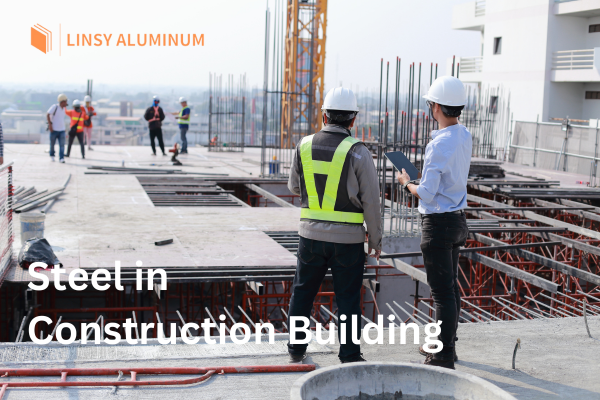
Galvanized steel is strong and used in construction for beams, columns, and roofing. The zinc coating prevents corrosion. Aluminum is light and gaining popularity in construction, used for windows, doors, and roofs. It reduces building weight and simplifies assembly. Aluminum is also chosen for its attractive appearance, giving buildings a modern look with stylish panels on walls inside or outside.
Ngành công nghiệp ô tô
The car industry uses strong, light, and cheap galvanized steel and aluminum. Galvanized steel surfaces are common on cars, especially on important parts like the frame and chassis. These parts play a crucial role in ensuring safety during accidents. A zinc coating protects the steel from rust, increasing the car’s lifespan.
Car manufacturers are turning to aluminum for better fuel efficiency. Aluminum alloys are lighter than steel, helping cars consume fuel more effectively and emit less pollution. Aluminum is both sturdy and lightweight, making it ideal for body panels, hoods, and doors. It also fights rust well, which benefits engine components and exhaust systems. With a growing emphasis on fuel economy and eco-friendliness, we can anticipate an increase in aluminum usage in future cars.
Ứng dụng hàng hải
Galvanized steel and aluminum are both ideal for Maine. Galvanized steel has a zinc coating protecting it from saltwater corrosion. Many choose it for boat trailers, docks, and piers. Aluminum is rust-resistant, ideal for small boat hulls. Its lightness improves fuel efficiency and handling. It fights saltwater corrosion well and lasts. In copper-based paint areas, aluminum can rust without care. Compatibility with other materials matters when picking steel or aluminum for marine use.
Pros and Cons of Each Material
Both galvanized steel and aluminum have pros and cons. Galvanized steel is strong and durable, suitable for sturdy projects. However, it’s heavy and can rust if not maintained. On the other hand, aluminum is lightweight, corrosion-resistant, and recyclable, making it popular in various industries. Yet, it’s pricier and not as robust as steel. Consider these factors when selecting the right material for your needs.
Ưu và nhược điểm của nhôm
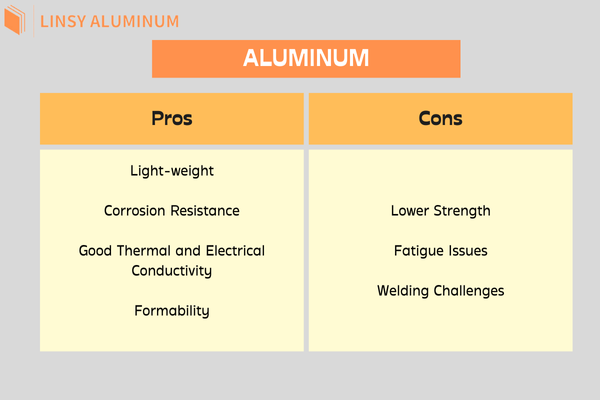
Pros of Aluminum:
1. Lightweight: It is one-third the weight of steel, making it ideal for applications where weight is crucial.
2. Corrosion-resistant: Aluminum naturally forms a protective oxide layer, preventing rust and corrosion.
3. High thermal conductivity: Efficiently transfers heat, making it suitable for industries like aerospace and automotive.
4. Easy to shape: Can be easily molded into different forms and designs, enhancing versatility in manufacturing.
Cons of Aluminum:
1. Lower strength compared to steel: It may not be as suitable for heavy-duty or high-stress applications.
2. Limited hardness: Prone to scratches and dents compared to stronger metals like galvanized steel.
3. Higher cost: Generally more expensive than galvanized steel, affecting overall product costs.
4. Sensitive to high temperatures: Aluminum can lose strength at elevated temperatures, limiting its use in extreme heat conditions.
In conclusion, while aluminum offers unique benefits like lightweight construction and corrosion resistance, it may not be the best choice for all applications due to its lower strength and higher cost compared to materials like galvanized steel.
Pros and Cons of Galvanized Steel
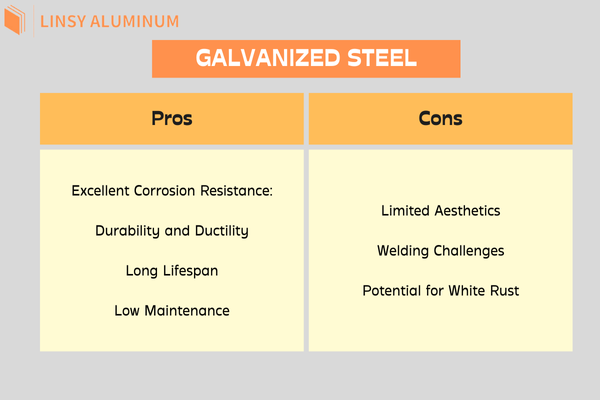
Pros of Galvanized Steel:
Superior strength: Galvanized steel is known for its high strength and durability, making it suitable for heavy-duty applications.
Excellent corrosion resistance: The zinc coating on galvanized steel provides exceptional protection against rust and corrosion, extending its lifespan.
Lower cost: More economical compared to aluminum, making it a cost-effective option for various projects.
Versatile: Due to its robust nature, it can be used in diverse industries, ranging from construction to automotive.
Cons of Galvanized Steel:
Prone to rusting over time: If the zinc coating is compromised, galvanized steel can start corroding, leading to potential maintenance issues.
Heavier than aluminum: Galvanized steel’s weight can be a drawback in applications where lightweight materials are preferred.
Limited flexibility: It is not as easy to shape or mold as aluminum, which can limit design options in manufacturing processes.
Susceptible to scratching: Galvanized steel’s outer zinc layer can be prone to scratches, impacting its aesthetic appeal in certain applications.
Phần kết luận
Knowing the differences between galvanized steel and aluminum is important for making good choices in many industries. Galvanized steel is very strong and lasts a long time. Aluminum, on the other hand, is lightweight, which can be useful for certain jobs. When you choose the right material for your project, think about corrosion resistance and thermal conductivity. Each material has its pros and cons, so look at them based on your needs. If you need quotes for these materials for business projects, feel free to reach out to us for expert help. Make a good choice for your next project!
Tại sao nên chọn Linsy Aluminum
Là một trong những thương hiệu nhôm hàng đầu và là nhà cung cấp hàng đầu tại Trung Quốc, Nhôm Linsy nhấn mạnh chất lượng và độ tin cậy trong tất cả các sản phẩm của mình. nhà máy nhôm ở Trung Quốc Sản xuất hợp kim nhôm hiệu suất cao, đáp ứng những yêu cầu khắt khe nhất của ngành. Với cam kết hướng đến sự hoàn hảo, chúng tôi cung cấp độ chính xác, độ bền và các tùy chọn phù hợp để đáp ứng nhu cầu cụ thể của dự án, khẳng định vị thế là đối tác đáng tin cậy cho các doanh nghiệp trên toàn cầu đang tìm kiếm giải pháp nhôm vượt trội. NHẬN BÁO GIÁ
Những câu hỏi thường gặp
Which is More Corrosion-resistant: Galvanized Steel or Aluminum?
Both materials effectively stop corrosion. Galvanized steel has a zinc coating that protects it. Aluminum, on the other hand, creates its own layer of oxide for safety. The choice of the “better” material depends on where it will be used. For instance, galvanized steel works well in coastal areas because it effectively resists saltwater corrosion.
Which material is stronger—galvanized steel or aluminum?
Galvanized steel is stronger than aluminum. Steel is tough and durable. While aluminum alloys can be strong, they often cannot support as much weight as galvanized steel.
Which is better, aluminum or galvanized?
There is no single right answer when choosing between aluminum and galvanized metal. The better choice depends on the project’s specific needs. Consider factors like strength, weight limits, the environment, and your budget when making your decision.
What is the downside of galvanized steel?
One issue with galvanized steel is that it can sometimes cause bacterial growth. When moisture collects in small spaces or in areas with poor airflow, it can create the right conditions for bacteria to grow on the surface.
David Hoàng
David Huang là một chuyên gia uy tín trong ngành hợp kim nhôm Trung Quốc, với hơn một thập kỷ kinh nghiệm trong việc phát triển, sản xuất và ứng dụng các hợp kim nhôm tiên tiến. Ông có thành tích đã được chứng minh trong việc cung cấp thành công các giải pháp dự án và chuyên môn kỹ thuật cho các tập đoàn toàn cầu hàng đầu trong nhiều lĩnh vực, bao gồm hàng không vũ trụ, ô tô và xây dựng. David cũng là cố vấn đáng tin cậy cho nhiều nhà sản xuất nhôm lớn tại Trung Quốc.
Dịch vụ 24/7 | Phản hồi trong vòng 10 phút!
Để biết thêm danh mục, thông tin chi tiết và báo giá, vui lòng liên hệ trực tiếp với chúng tôi!