Введение
Оцинкованная сталь и алюминий являются двумя широко используемыми материалами в строительстве, производстве и промышленных применениях. Оцинкованная сталь — это углеродистая сталь, покрытая слоем цинка, который обеспечивает протекторную защиту от коррозии. Алюминий — это лёгкий металл с естественной, сквозной коррозионной стойкостью и отличной формуемостью.
Что такое оцинкованная сталь?
Оцинкованная сталь — это углеродистая сталь, покрытая слоем цинка для предотвращения коррозии. Цинковый слой действует как физический барьер и обеспечивает катодную защиту: если покрытие поцарапано, цинк корродирует первым, жертвуя собой для защиты нижележащей стали. Это делает оцинкованную сталь практичным выбором для наружных конструкционных применений, где требуются одновременно прочность и умеренная коррозионная стойкость.
Процесс цинкования
Наиболее распространённым методом цинкования является горячее цинкование. Поверхность стали сначала очищается для удаления масла, смазки и ржавчины, что критически важно для адгезии покрытия. Очищенная сталь затем погружается в расплавленный цинк при температуре приблизительно 450 °C (840 °F) до образования металлургической связи между цинком и сталью.
Эта связь создаёт слой цинково-железного сплава, а по мере охлаждения стали на поверхности затвердевает чистый цинковый внешний слой. Эти комбинированные слои обеспечивают коррозионную защиту, которая делает оцинкованную сталь долговечной в наружных условиях.
Основные свойства оцинкованной стали
Оцинкованная сталь обладает высокой прочностью на разрыв (обычно 400–550 МПа) и отличной несущей способностью. Цинковое покрытие эффективно противостоит ржавчине в обычных атмосферных условиях. Однако покрытие является поверхностным слоем — оно может расходоваться со временем, особенно в кислых средах или средах с высоким содержанием соли. Обрезанные кромки и отверстия под крепёж теряют цинковую защиту, а сварка оцинкованной стали выделяет опасные пары оксида цинка, требующие надлежащей вентиляции.
Что такое алюминий?
Алюминий — это лёгкий серебристо-белый металл с плотностью приблизительно 2,7 г/см³ — около одной трети плотности стали. Его ключевые преимущества: естественная коррозионная стойкость, высокая теплопроводность и простота обработки. Эти свойства делают его предпочтительным материалом в авиакосмической, автомобильной, строительной, электронной и упаковочной отраслях.
Определение и характеристики
В отличие от оцинкованной стали, коррозионная стойкость алюминия не является поверхностным покрытием — это свойство материала. При контакте с воздухом алюминий образует тонкий прозрачный оксидный слой, который является самовосстанавливающимся: при повреждении оксид восстанавливается практически мгновенно. Такая сквозная защита означает, что алюминий не полагается на расходуемый слой покрытия для обеспечения коррозионной стойкости.
Алюминий может легироваться такими элементами, как медь, магний, кремний и цинк, с получением сплавов серий от 1000 до 8000. Эти сплавы обеспечивают широкий диапазон прочностей на разрыв (от приблизительно 90 МПа до более 400 МПа), уровней коррозионной стойкости и характеристик формуемости, что позволяет инженерам выбирать подходящий сплав для каждого применения.
Основные различия между оцинкованной сталью и алюминием
Прочность и долговечность
Оцинкованная сталь имеет более высокую прочность на разрыв и предел текучести, чем большинство алюминиевых сплавов, что делает её более прочным выбором для тяжёлых конструкционных применений. Алюминиевые сплавы могут достигать высоких соотношений прочности к весу — некоторые сплавы серии 7000 превышают 500 МПа — но чистый алюминий и распространённые коммерческие сплавы обычно менее прочны, чем конструкционная сталь.
| Недвижимость | Оцинкованная сталь | Алюминий |
|---|---|---|
| Прочность на разрыв | ~400-550 МПа | ~90-400 МПа |
| Предел текучести | ~250-300 МПа | ~40-275 МПа |
Сравнение веса
Плотность алюминия примерно в три раза меньше плотности оцинкованной стали (2,7 против 7,85 г/см³), что даёт ему значительное преимущество по весу. Это снижает транспортные расходы, упрощает обращение и монтаж, а также делает алюминий предпочтительным выбором для применений, где вес является критическим фактором, таких как компоненты авиакосмической техники, кузовные панели автомобилей и портативное оборудование.
| Недвижимость | Оцинкованная сталь | Алюминий |
|---|---|---|
| Плотность | ~7,85 г/см³ | ~2,7 г/см³ |
Устойчивость к коррозии
Оба материала устойчивы к коррозии, но за счёт разных механизмов. Оцинкованная сталь полагается на цинковое покрытие, обеспечивающее протекторную защиту: цинк корродирует преимущественно перед сталью, продлевая срок службы стали. Алюминий образует стабильный самовосстанавливающийся оксидный слой, который защищает весь объём материала, а не только поверхность.
Ключевое различие — долговечность. Цинковые покрытия являются расходуемыми — в течение многих лет воздействия, особенно кислотных дождей, промышленных загрязнителей или морского солевого тумана, цинковый слой разрушается и в конечном итоге обнажает нижележащую сталь. Сквозная коррозионная стойкость алюминия даёт преимущество в долгосрочных наружных или морских применениях, где деградация цинкового покрытия вызывает опасения. Тем не менее цинковая защита оцинкованной стали надёжно работает во многих стандартных наружных условиях и остаётся экономически эффективной стратегией защиты от коррозии.
Теплопроводность
Алюминий обладает высокой теплопроводностью (приблизительно 205–235 Вт/м·К), что делает его эффективным материалом для радиаторов и теплообменников. Оцинкованная сталь имеет значительно более низкую теплопроводность (примерно 50 Вт/м·К), что может быть преимуществом в применениях, где требуется сохранение тепла. Для таких применений, как радиаторы, теплообменники и электронные корпуса, алюминий является очевидным выбором.
Применение оцинкованной стали в сравнении с алюминием
Выбор между этими материалами зависит от конкретных требований вашего проекта: требований к прочности, ограничений по весу, условий окружающей среды и бюджета.
Строительная промышленность
Оцинкованная сталь широко используется для конструкционных каркасов, кровли, ограждений, заборов и воздуховодов, где требуются высокая прочность и защита от коррозии. Алюминий используется для оконных рам, навесных фасадов, кровельных панелей и архитектурной облицовки, где его лёгкий вес и естественная коррозионная стойкость снижают нагрузку на конструкции и потребности в обслуживании.
Автомобильная промышленность
Автомобильная промышленность широко использует оба материала. Кузовные панели и конструкционные компоненты из оцинкованной стали обеспечивают защиту при столкновениях и долговечность при более низкой стоимости материала. Алюминиевые кузовные панели, блоки двигателей, колёса и компоненты шасси снижают вес транспортного средства, улучшая топливную экономичность и снижая выбросы.
Морское применение
Морские условия создают уникальные проблемы. Солёная вода ускоряет расходование цинковых покрытий на оцинкованной стали — как только цинковый слой истощается, нижележащая сталь начинает корродировать. Самовосстанавливающийся оксидный слой алюминия обеспечивает длительную защиту в условиях солёной воды, что делает специальные морские алюминиевые сплавы (серий 5000 и 6000) стандартным выбором для корпусов судов, доков, морских платформ и прибрежных архитектурных элементов.
Плюсы и минусы каждого материала
Плюсы и минусы алюминия
- Преимущества: Лёгкий вес (одна треть плотности стали), естественная сквозная коррозионная стойкость, самовосстанавливающийся оксидный слой, высокая теплопроводность, отличная формуемость и обрабатываемость, возможность вторичной переработки без потери свойств, широкий диапазон сплавов для индивидуальных характеристик.
- Недостатки: Более низкая прочность по сравнению со сталью для большинства сплавов, более высокая стоимость за единицу объёма в некоторых формах, подверженность гальванической коррозии при контакте с разнородными металлами без надлежащей изоляции.
Плюсы и минусы оцинкованной стали
- Преимущества: Высокая прочность на разрыв и несущая способность, более низкая первоначальная стоимость материала, протекторная цинковая защита продлевает срок службы, широкая доступность, хорошо отработанные методы производства.
- Недостатки: Тяжёлый вес (почти в три раза больше плотности алюминия), цинковое покрытие является расходуемым слоем, который со временем разрушается, обрезанные кромки и отверстия под крепёж теряют цинковую защиту, сварка выделяет опасные цинковые пары, ограниченная формуемость по сравнению с алюминием.
Заключение
Оцинкованная сталь и алюминий выполняют различные функции. Оцинкованная сталь обеспечивает высокую прочность и протекторную цинковую защиту при более низкой первоначальной стоимости, что делает её подходящей для конструкционных каркасов, тяжёлых нагрузок и сред, где деградация цинкового покрытия происходит медленно. Её основные ограничения — вес, постепенное расходование покрытия (особенно в морских или кислых средах) и опасные побочные продукты сварки.
Алюминий предлагает иное ценностное предложение: сквозную коррозионную стойкость, не зависящую от расходуемого поверхностного слоя, вес в три раза меньше, а также возможность адаптации свойств в широком диапазоне сплавов. Для проектов, где приоритетами являются снижение веса, долгосрочная наружная долговечность, теплопроводность или формуемость, алюминий является более сильным кандидатом.
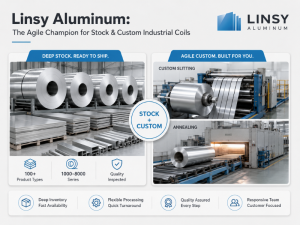
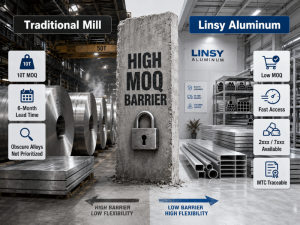
Алюминий Линси Linsy — это алюминиевый завод в Шэньчжэне с более чем 20-летним опытом работы в отрасли. Компания поставляет алюминиевые плиты, листы, прутки, трубы, проволоку, рулоны, профили и блоки по всей серии сплавов 1000–8000. Linsy сочетает прямые поставки с завода, складские запасы и производство по индивидуальным заказам с низким минимальным объёмом, а также собственную обработку с ЧПУ, сварку TIG и MIG, лазерную резку и финишную обработку поверхности — включая анодирование, полировку, заводскую поверхность и порошковое покрытие. Индивидуальные заказы поставляются в течение 10–60 дней, и каждая поставка включает сертификат испытаний материала (MTC). Предприятие имеет сертификаты систем менеджмента ISO 9001, ISO 14001 и ISO 45001; отчёты об испытаниях SGS доступны по запросу за дополнительную плату.
Свяжитесь с Linsy Aluminum сегодня, чтобы обсудить ваши требования к алюминию и запросить коммерческое предложение.
Часто задаваемые вопросы
Какой материал более коррозионностойкий — оцинкованная сталь или алюминий?
Оба материала устойчивы к коррозии за счёт разных механизмов. Оцинкованная сталь зависит от цинкового покрытия, которое жертвует собой для защиты стали под ним; это покрытие эффективно в обычных атмосферных условиях, но со временем расходуется. Алюминий образует самовосстанавливающийся оксидный слой, присущий самому материалу — он восстанавливается при повреждении и не истощается со временем. В долгосрочных наружных или морских применениях, где деградация покрытия вызывает опасения, сквозная коррозионная стойкость алюминия обеспечивает измеримое преимущество.
Что прочнее — оцинкованная сталь или алюминий?
Оцинкованная сталь прочнее большинства алюминиевых сплавов по абсолютной прочности на разрыв и пределу текучести, обычно достигая 400–550 МПа по сравнению с 90–400 МПа для распространённых алюминиевых сплавов. Однако значительно более низкая плотность алюминия означает, что он часто обеспечивает превосходное соотношение прочности к весу для применений с ограничениями по весу.
Как соотносятся затраты между оцинкованной сталью и алюминием?
Оцинкованная сталь обычно имеет более низкую стоимость за фунт материала, чем алюминий. Однако сравнение общих затрат должно учитывать производство, транспортировку, монтаж и долгосрочное обслуживание. Меньший вес алюминия может снизить расходы на доставку и обработку, а его естественная коррозионная стойкость исключает необходимость периодического повторного покрытия, которое оцинкованная сталь может в конечном итоге потребовать.
Можно ли красить оцинкованную сталь?
Да, оцинкованную сталь можно красить, но процесс требует специальной подготовки. Поверхность цинка должна быть тщательно очищена и загрунтована совместимой с цинком грунтовкой перед нанесением краски. Без надлежащей подготовки адгезия краски будет плохой, и покрытие преждевременно отслоится.
Когда следует выбирать оцинкованную сталь вместо алюминия?
Выбирайте оцинкованную сталь, когда приоритетом является высокая абсолютная прочность, применение связано с тяжёлыми конструкционными нагрузками, а окружающая среда допускает разумную долговечность цинкового покрытия (стандартные наружные условия, не морские). Выбирайте алюминий, когда снижение веса критически важно, применение требует долгосрочной коррозионной стойкости в морских или агрессивных средах, необходима теплопроводность или требуются сложное формообразование и механическая обработка. Для многих проектов решение сводится к тому, что важнее: экономия веса и долговечность коррозионной защиты или абсолютная прочность и первоначальная стоимость материала.