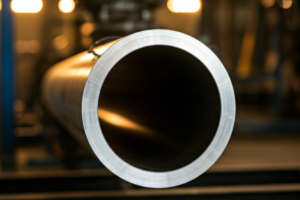
7075-T651是7075合金的峰值强度、去应力状态——当零件需要以极轻的重量承载类似钢材的载荷时,工程师们就会选择这种铝合金牌号。本指南涵盖T651代号的含义、真实数据、它与T6及耐腐蚀状态的区别,以及其强度在哪些场景中发挥优势——从而帮助您判断T651的峰值强度和加工稳定性是否值得其在耐腐蚀性和连接性方面的局限。.
什么是7075铝合金?
7075是一种以锌、镁和铜为核心的7xxx系合金,其中MgZn₂析出相是主要的强化相;它通过沉淀硬化获得强度,达到其他常见变形铝合金无法匹敌的水平,这使其在高载荷、重量关键结构中独树一帜。这种峰值强度是该合金旨在赢得的优势——但同样富含锌、含铜的化学成分在驱动强度的同时,也使7075的耐腐蚀性较差,且实际上无法通过熔焊方法焊接。.
这种强度的代价是狭窄的加工窗口:7075必须进行防腐蚀保护,并通过紧固而非焊接来连接,而您选择的状态决定了加工零件承载多少残余应力。正是这个残余应力问题——以及您的零件在大量加工后是否需要严格的尺寸稳定性——使T651状态成为精密加工的首选,下一节将对此进行说明。.
了解T651状态
“T651”意味着材料经过固溶热处理、淬火、拉伸去应力,然后进行人工时效。合金被加热使Zn/Mg/Cu溶解为固溶体,淬火使其过饱和截留,拉伸1–3%以消除锁定在板材中的淬火应力,然后在时效温度下保温,使MgZn₂析出相发展至峰值强度。拉伸是区分T651与普通T6的关键步骤。.
这一拉伸步骤完成了一项对每位机加工人员都至关重要的工作:它消除了残余应力,否则一旦去除材料,零件就会弹跳超出公差。在厚7075板材中,淬火留下的内应力足以在CNC加工过程中使成品部件翘曲;T651预先消除了这些应力,因此零件在切削后能保持形状。出于这一原因,厚板加工件的航空规范要求使用T651而非T6。.
7075的化学成分正是T651位居铝合金强度表榜首的原因——锌(5.1–6.1%)是主要强化元素,镁促成沉淀反应,铜增加硬度,而铬(0.18–0.28%)提高抗应力腐蚀开裂能力。这些都不是没有代价的:铜还降低了相对于6xxx合金的耐腐蚀性能,这是每个7075应用都必须围绕其进行设计的约束条件。.
| 要素 | 典型范围(7075) |
|---|---|
| 锌 (Zn) | 5.1–6.1% |
| 镁(Mg) | 2.1–2.9% |
| 铜 (Cu) | 1.2–2.0% |
| 铬 (Cr) | 0.18–0.28% |
| 硅 (Si) | 最大0.40% |
| 铁(Fe) | 最大0.50% |
| 锰 (Mn) | 最大0.30% |
| 钛 (Ti) | 最大0.20% |
| 铝 (Al) | 平衡 |
T651与T6的区别
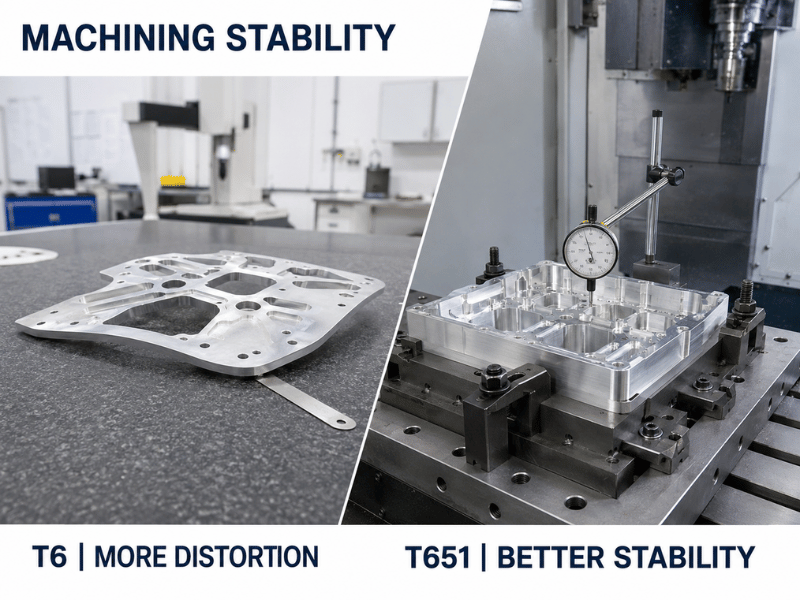
T6和T651达到基本相同的峰值强度——T651的拉伸发生在淬火之后、时效之前,因此不会改变最终硬度或屈服强度。改变的是残余应力:T651的残余应力远低,因此大量加工的板材保持平整和尺寸稳定,而T6可能因材料去除释放内应力而变形。对于薄截面和轻切削零件,T6已足够且略便宜;对于厚板、夹具以及任何在CNC加工后要求严格公差的零件,T651是更安全的规格。完整的T651对比T6及对比T73的详细分析见下方对比表,以耐腐蚀为重点的替代方案见我们的 7075-T73性能指南.
7075-T651力学性能
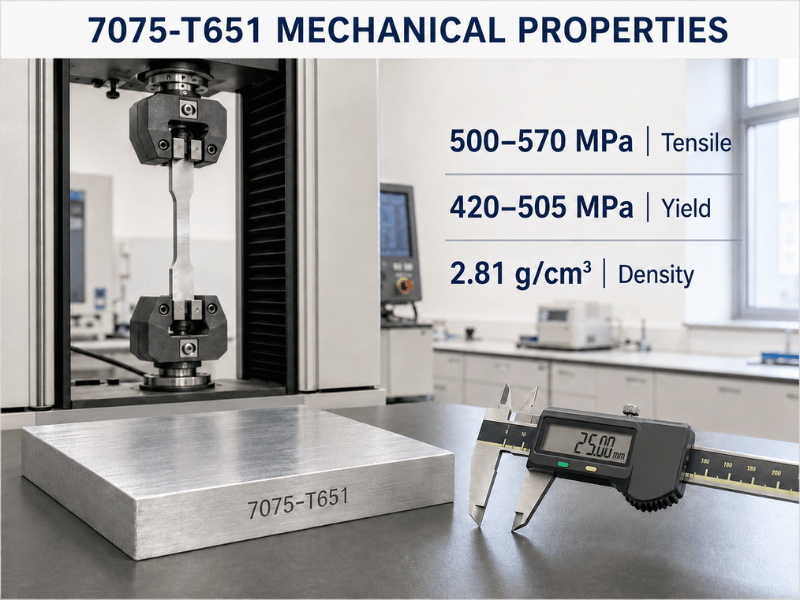
7075-T651是常用库存铝合金状态中强度最高的——以下数据为板材、棒材和块材的典型值。.
| 财产 | 典型值(7075-T651) |
|---|---|
| 密度 | 2.81 克/立方厘米 |
| 极限抗拉强度 | ~572 MPa(83 ksi) |
| 屈服强度(0.2%偏移量) | ~503 MPa(73 ksi) |
| 断裂伸长率 | 11% |
| 疲劳强度 | ~160 兆帕 |
| 布氏硬度 | ~150 HB |
| 弹性(杨氏)模量 | ~71.7 GPa |
| 剪切强度 | ~331 MPa |
| 导热性 | ~130 W/m-K |
| 导电性 | ~33% IACS |
| 热膨胀系数 | 23 µm/m·K |
~503 MPa的屈服强度是最关键的数值:约为6061-T6屈服强度的1.8倍,比2024-T3高出约55%,这就是7075在机身和工装中替代钢材的原因。这种强度的代价是耐腐蚀性和连接性能——7075不可熔焊,在任何潮湿或氯化物环境中都需要表面保护。~160 MPa的疲劳强度仍能很好地支撑循环载荷,但该合金的刚度与6061大致相当(弹性模量~71.7 GPa),因此7075胜在比强度而非刚性。跨合金对比概况,请参见我们的 6061与7075对比指南.
7075-T651的应用领域
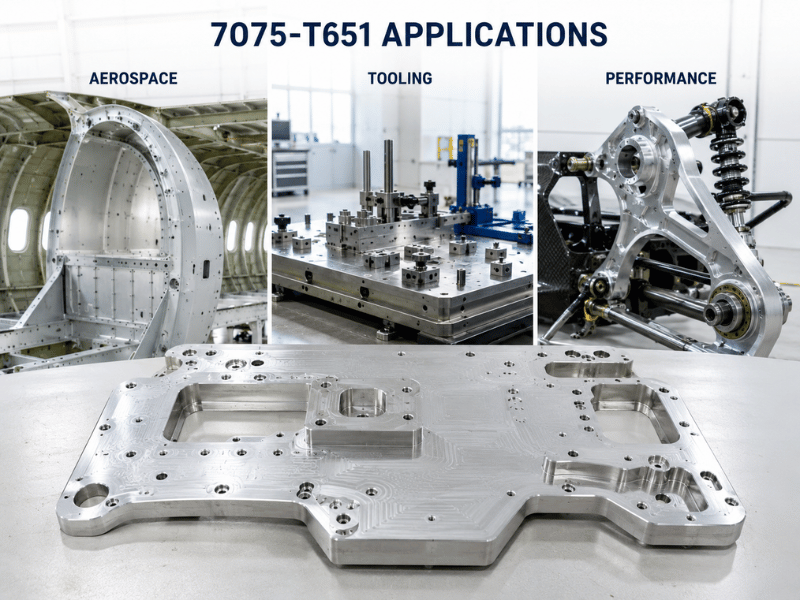
7075-T651在峰值强度和加工后严格公差决定制造方案的场合,以及用户能够对零件进行防腐蚀保护并通过紧固方式连接的场合中占有一席之地。它占据了铝合金范围内高载荷、精密加工的高端领域,而6061和6063则以通用性和成本优势覆盖其余应用。.
航空航天与精密加工结构
机翼梁、机身框架、隔框、起落架部件和加工接头使用T651,因为去应力板材在深腔铣削中能保持公差。模具和工装制造商也选用T651板材:它加工后表面光洁,可抛光用于小批量注塑或吹塑模具,并在去除材料后保持尺寸稳定。这些都是干燥、受保护、强度关键的环境——正是T651峰值强度大显身手、而其腐蚀敏感性通过涂层而非合金选择来管理的场合。.
高性能汽车、国防与工装
赛车悬挂臂、底盘板、变速箱壳体和自行车车架使用T651以在最大载荷下减轻质量。国防和装甲应用利用同样的比强度优势。共同点是零件通过机加工、螺栓连接或粘接——而非焊接——并且在空气环境中而非盐雾环境中运行。避免将T651用于任何暴露于持续潮湿、海洋环境或氯化物环境的部件;对于这些场合,应降级选用过时效的 7075-T73/T7351状态 或5xxx/6xxx系合金。.
T651与其他7075状态对比——如何选择
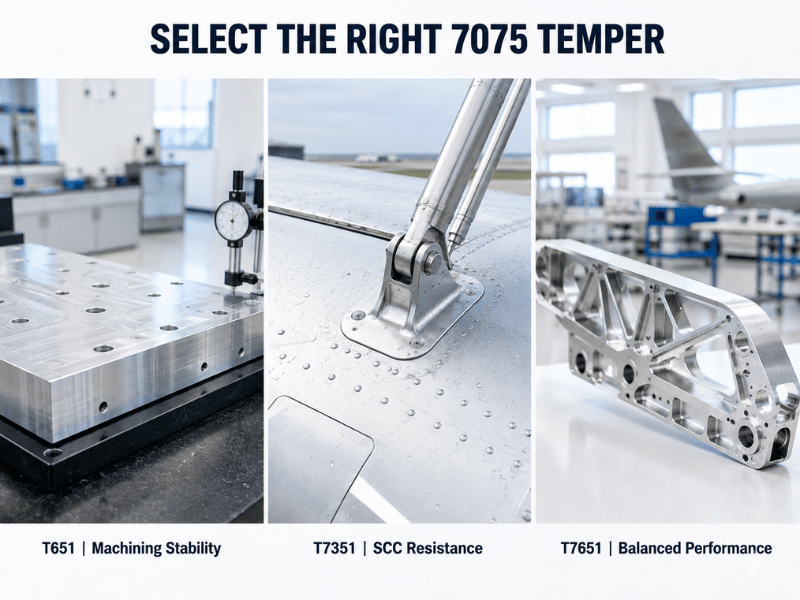
7075-T651是峰值强度、去应力选项;其他状态则以强度换取耐腐蚀性或成形性。.
| 脾气 | 处理方式 | 抗拉强度(兆帕) | 屈服强度(MPa) | 抗应力腐蚀开裂性能 | 最适合 | 应避免的情况 |
|---|---|---|---|---|---|---|
| T651 | 固溶+拉伸+时效 | ~572 | ~503 | 中度 | 精密加工板材、夹具、干燥空气结构 | 潮湿、海洋或氯化物环境 |
| T6 | 固溶+时效 | ~572 | ~503 | 中度 | 通用高强度、薄截面 | 严格公差加工厚板 |
| T73 / T7351 | 固溶+拉伸+过时效 | ~505 | ~435 | 优秀 | 潮湿/含盐航空、近海洋部件 | 需要峰值强度 |
| T76 / T7651 | 固溶+拉伸+平衡过时效 | ~510 | ~420 | 良好 | 半暴露蒙皮、平衡载荷+耐腐蚀 | 需要最大强度 |
| O | 退火 | ~250 | ~110 | 良好 | 成形、冲裁、剧烈弯曲 | 任何承重应用 |
何时应选择T651
当零件由厚板加工或必须在大量去除材料后保持严格公差时,选择T651——拉伸步骤正是防止其翘曲的关键。当零件处于干燥、受保护、强度关键的环境(机身内部结构、工装、赛车部件)中,且腐蚀通过涂层而非合金替换来管理时,选择T651。.
何时其他回火状态更合适
当零件处于持续潮湿、盐雾或氯化物环境中且无法得到充分保护时,应升级到T73或T7351——你牺牲约12–15%的屈服强度,换来好几个数量级提升的抗应力腐蚀开裂(SCC)性能。当你需要半暴露结构兼具 decent 强度和改善的耐腐蚀性时,选择T76/T7651。对于任何必须熔焊或需要小半径成形的零件,完全避开7075:6061-T6的焊接和成形性能要好得多(参见我们的 6061-T6完整指南),而O态是唯一适合剧烈成形的7075状态。.
使用7075-T651——你需要了解的事项
- 机加工。. T651的机加工性能极佳——它可高速切削,形成短碎切屑,并能保持公差,因为拉伸步骤已消除了残余应力。这正是7075成为CNC板材和模具加工首选的原因;使用锋利的硬质合金刀具和良好的冷却液流量,在更高进给量下可获得比6061更好的表面光洁度。.
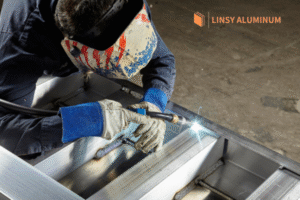
- 焊接. 7075不建议用于熔焊——电弧工艺会导致热裂纹,使热影响区软化40–50%,并留下残余应力,在使用中易引发应力腐蚀开裂。对于结构连接,应设计为铆接、螺栓连接或粘接;在不可避免需要焊接时,搅拌摩擦焊(FSW)可保留超过90%的母材强度,但7075承载路径的熔焊修复不应重新投入使用。.
- 腐蚀防护。. T651仅具有中等耐腐蚀性,且在峰值时效状态下对应力腐蚀开裂敏感,因此需保护暴露表面:阳极氧化(Type II或III)、铬酸盐转化涂层(Alodine)、包铝或涂漆。对于任何海洋或氯化物环境应用,应指定T73/T7351,而非仅依赖涂层。.
- 成形性。. T651成形性差,在小半径弯曲下会开裂;应使用大弯曲半径并预留回弹量。真正的成形应在O态下进行,成形后再热处理至T6或T73——不要指望直接成形T651。.
优点与局限性一览
| 尺寸 | 优势 | 限制 |
|---|---|---|
| 强度重量比 | 所有常用铝合金中最高(屈服强度约503 MPa) | 成本远高于6xxx系列 |
| 机加工稳定性 | T651应力消除,CNC加工后保持平整 | T651相比T6有拉伸/加工溢价 |
| 疲劳性能 | 约160 MPa,可承受循环航空载荷 | 在腐蚀环境中受应力时有SCC风险 |
| 耐腐蚀性 | 在干燥环境中通过涂层可管理 | 最多算中等;需要保护,不像5xxx/6xxx |
| 焊接性 | FSW可用于非关键接头 | 不建议熔焊 |
| 可用性 | 常备板材、棒材和块料库存 | 薄壁和特种挤压型材较少见 |
| 抗应力腐蚀开裂性能 | 在T651状态下适用于干燥、有保护的零件 | 峰值时效状态在潮湿环境中需要T73/T7351 |
结论
权衡很明确:7075-T651提供任何库存铝材中最高的强度,加上使精密零件保持公差的机加工稳定性——但它需要腐蚀防护和紧固(非焊接)连接,在任何潮湿或氯化物环境中都是错误选择。当零件是机加工、承载关键且有保护时选择它;当腐蚀是考虑因素时选择T73/T7351,当焊接或成形决定制造方式时选择6061。.
在 林西铝业, 我们备有7075-T651板材、棒材、块料和管材库存,其他7075状态(T6、T73/T7351)也可按各种形式供应。每笔订单均附有工厂测试证书,SGS成分、力学和超声波(厚板)报告可应要求提供。我们的团队会审查您的图纸,推荐合适的状态和尺寸,并在您过度指定之前提示SCC风险。. 发送图纸和需求,我们将返回等级匹配审查和报价。.
常见问题
7075-T651比7075-T6更强吗?
基本相同。两者均达到约572 MPa抗拉强度和约503 MPa屈服强度;T651的拉伸发生在时效之前,不改变最终强度。真正的区别在于残余应力——T651在重切削加工中保持尺寸稳定,而T6在应力释放时可能变形,因此T651是精密加工板材的指定状态。.
7075-T651可以焊接吗?
不能通过熔焊实现。电弧工艺会导致热裂纹,使焊接区软化40–50%,并在使用中留下SCC风险,因此7075结构接头采用铆接、螺栓连接或粘接。搅拌摩擦焊可用于非关键焊缝并保留大部分母材强度,但熔焊的7075承载路径不应重新投入使用。.
我应该选择T651还是T73?
对于干燥、有保护、强度关键且腐蚀通过涂层管理的零件,选择T651。当零件面临持续潮湿、盐雾或氯化物时,选择T73或T7351——你放弃约12–15%的屈服强度,换来好几个数量级提升的抗SCC性能,这就是航空航天外部和海洋相关零件指定过时效状态的原因。.
7075-T651适合海洋或户外使用吗?
只有在强保护下才可以,但即便如此,T651对于海洋应用来说也不是一个好的默认选择,因为峰值时效的7075在氯化物中对应力腐蚀开裂敏感。对于真正的海洋或沿海暴露,应指定T73/T7351或改用5xxx系列;T651适用于干燥、有涂层、飞机内部或工装用途。.
Linsy是否备有7075-T651库存,交货期是多少?
是的。常备板材、棒材、块料和管材从库存发货;非库存尺寸和状态按定制生产,典型交货期为10–60天,取决于合金、尺寸和加工工艺。Linsy支持低MOQ定制生产,因此混合规格或较难找到的7075订单很少会阻碍项目。.