Linsy aluminum tubes are manufactured using a seamless process optimized for quality and concentricity. The journey begins with casting solid Round Ingots in the Melting Furnace. After heating, the material is formed via Extrusion (with Piercing), followed by specialized dimensioning using Cold Rolling or Drawing to achieve precise wall thickness and temper. Final quality is assured through Straightening and mandatory Non-Destructive Testing (NDT).
1. Melting and Continuous Casting
High-purity aluminum and alloying elements are melted in the Melting Furnace. The molten metal is then solidified into solid, cylindrical Round Ingots using Continuous Casting Equipment. This ensures the material has a uniform composition and a dense, fine-grained structure, essential for subsequent processing.
2. Pre-Extrusion Heating
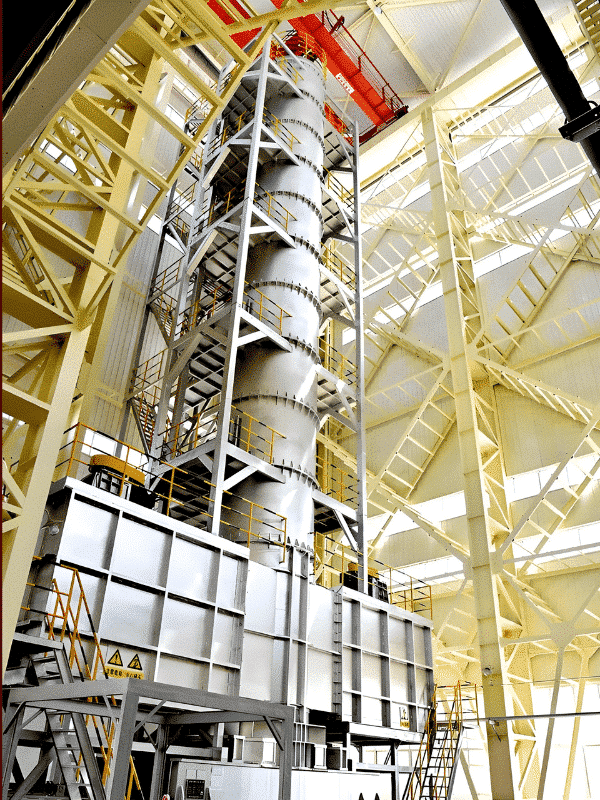
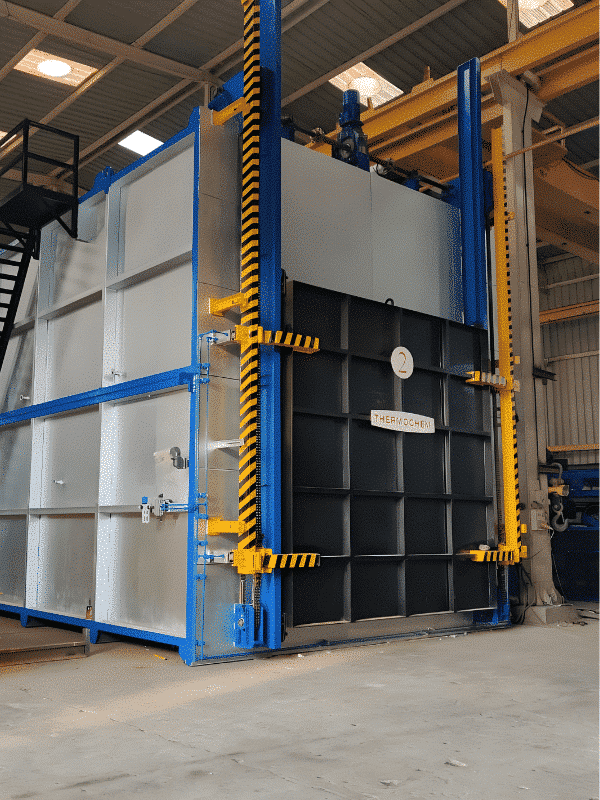
The cast ingots are transferred to a high-precision Heating Furnace (e.g., Induction or Gas Furnace) and raised to the required extrusion temperature. Careful temperature control at this stage is crucial to maximize the aluminum’s plasticity and ductility, ensuring the material flows correctly during the high-pressure extrusion step.
3.Hollow Forming via Extrusion
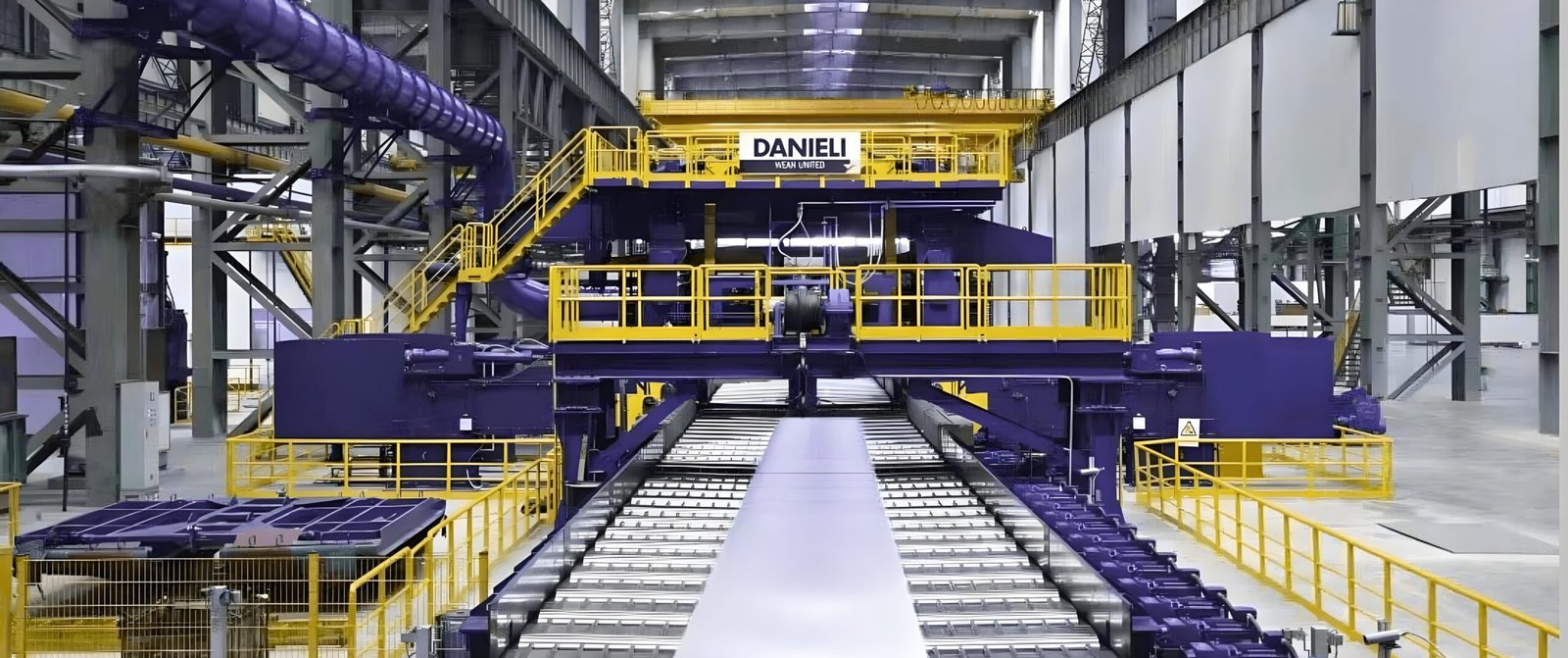
The heated ingot is pushed through a die using a powerful Extrusion Press. This step includes Piercing, where a mandrel is used to create the central hole, transforming the solid ingot into a hollow tube shell (Forming). The press dictates the initial outer diameter and wall thickness.
4.Precision Sizing and Finishing
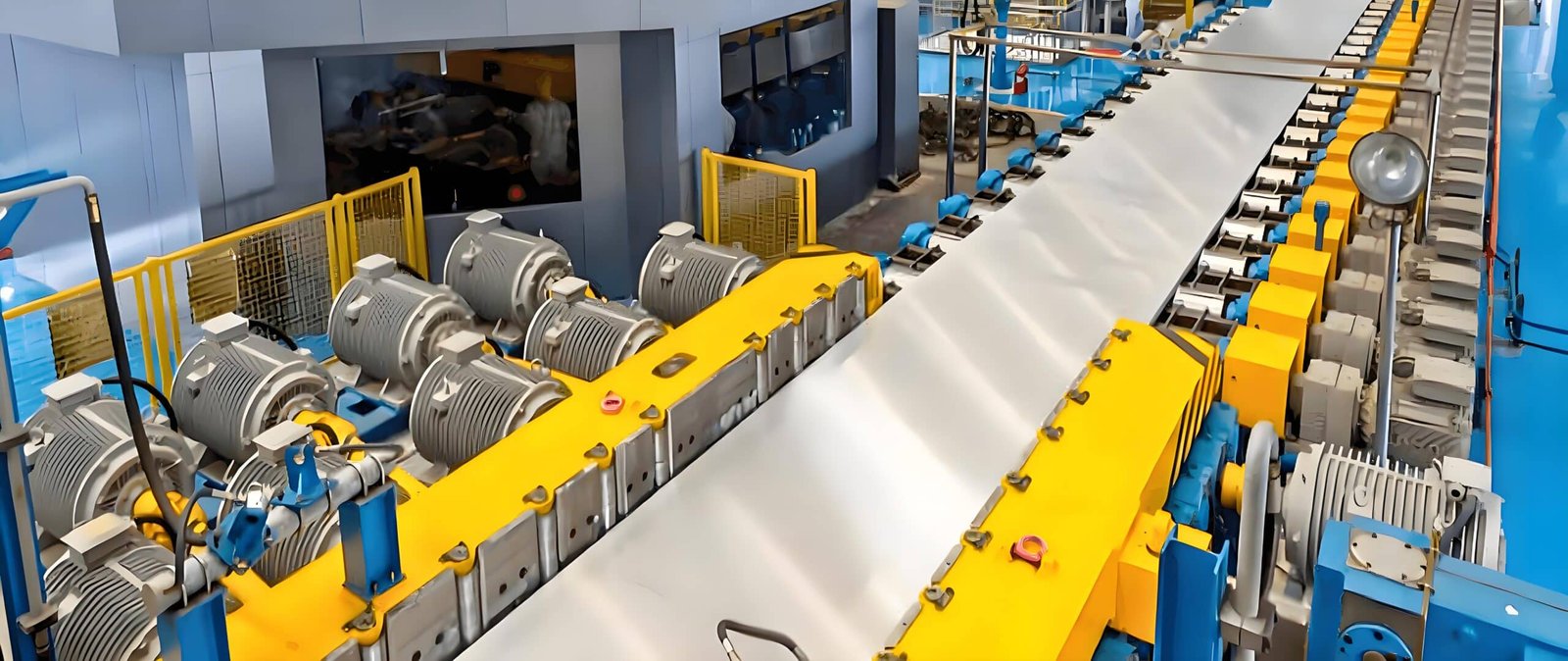
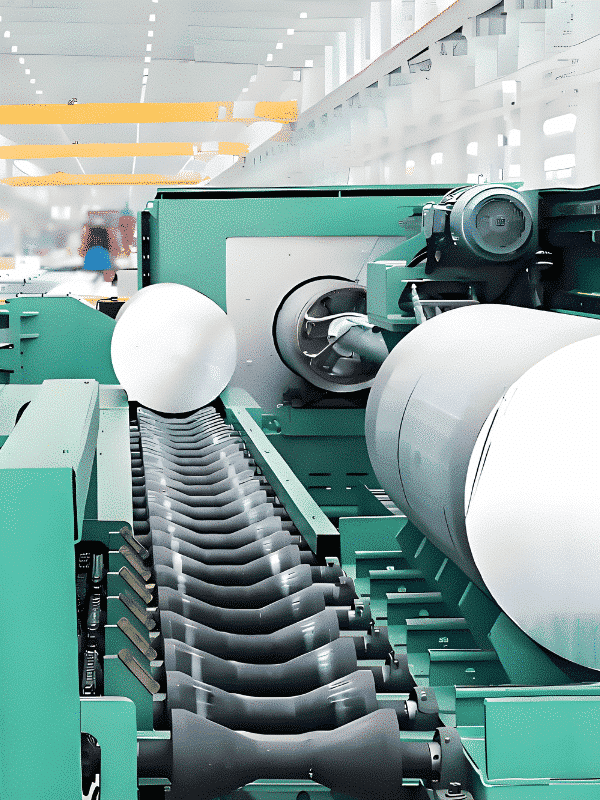
To achieve the final, exact wall thickness and external diameter, the tube is processed through either a Cold Rolling Mill(Mandrel Mill) or a Cold Drawing Bench. This cold working process refines the grain structure, significantly improves surface finish, and increases the mechanical strength of the tube.
5. Straightening
Following cold working, tubes often have slight curvature. They are passed through a Roller Straightener or a Stretch Straightener to ensure perfect linear alignment. This is vital for tubes used in assembly, construction, and high-speed machining applications.
6. Mandatory Quality Inspection
To guarantee structural integrity, every tube undergoes Non-Destructive Testing (NDT). This often utilizes Eddy Current Equipment or Ultrasonic Testing Equipment to detect and locate any internal flaws, cracks, or imperfections without damaging the product.
Certification
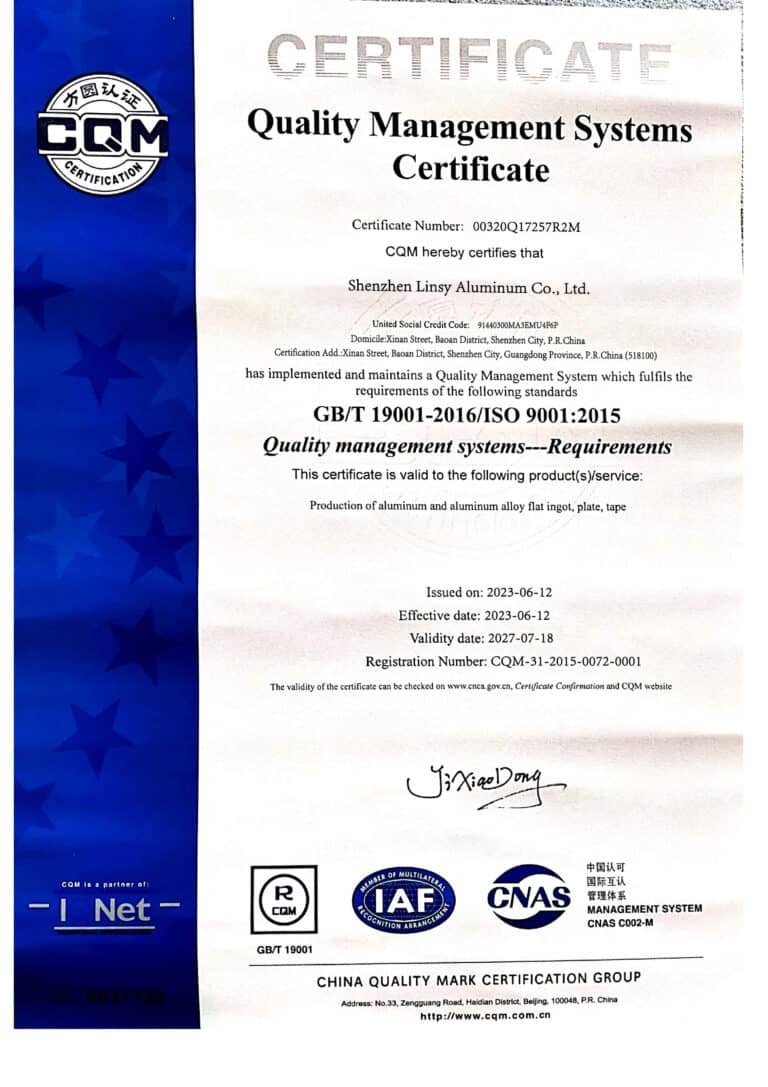
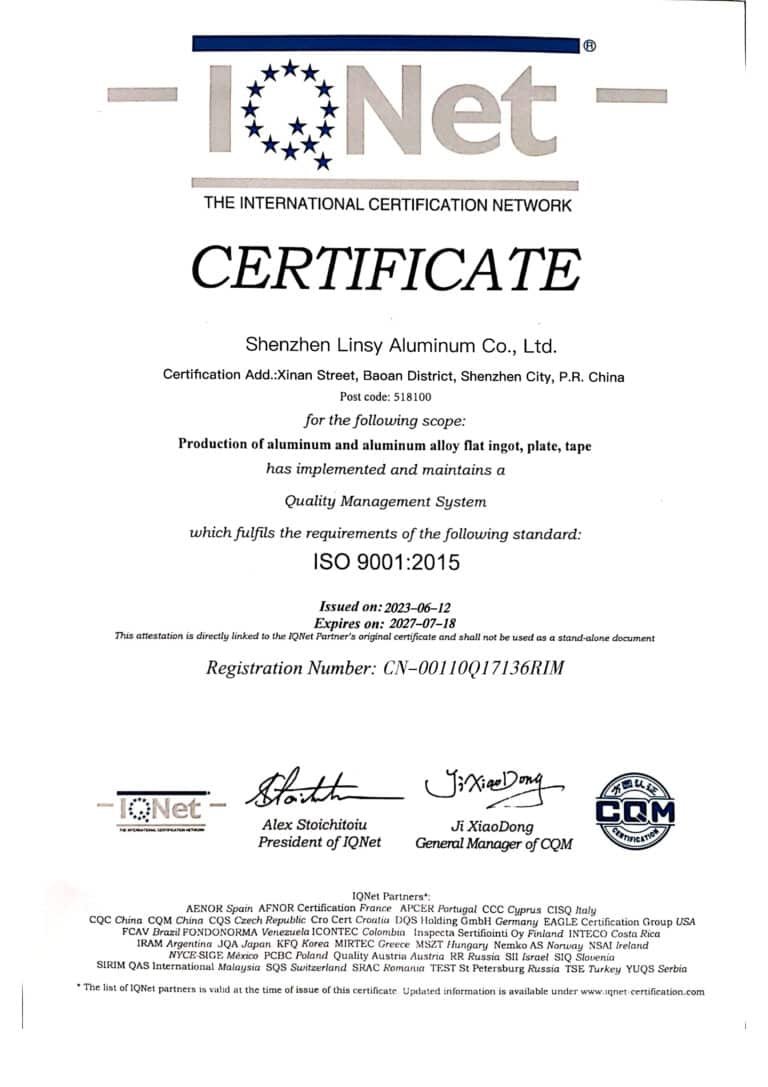
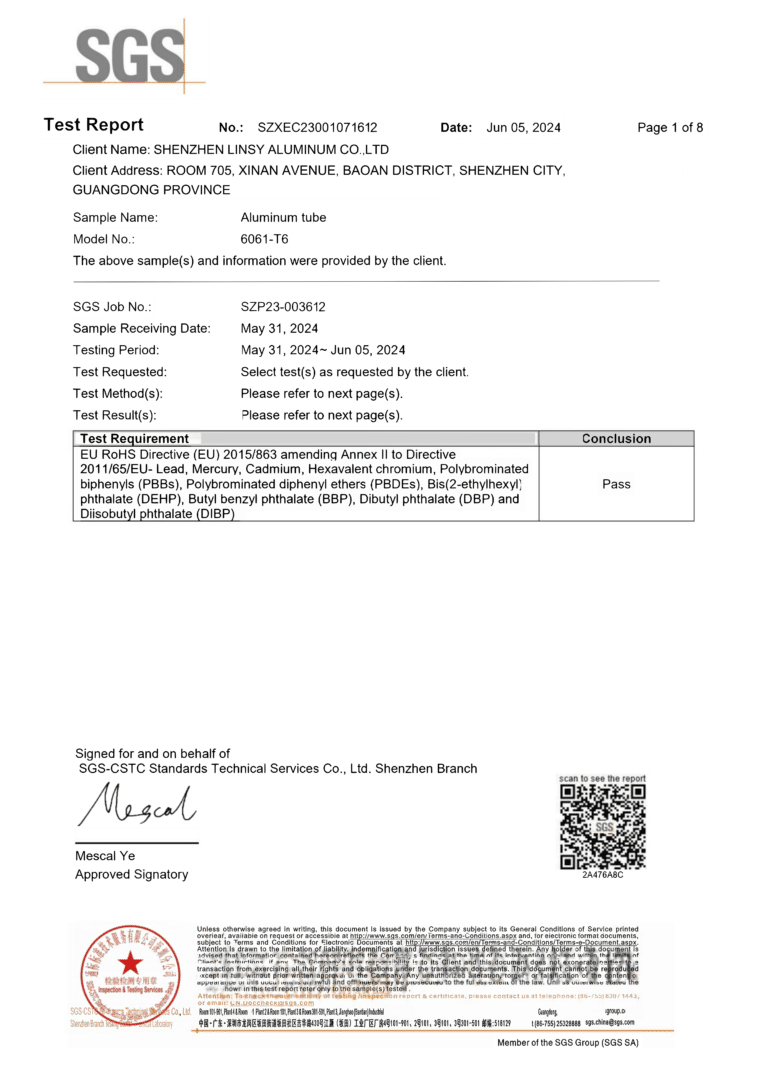
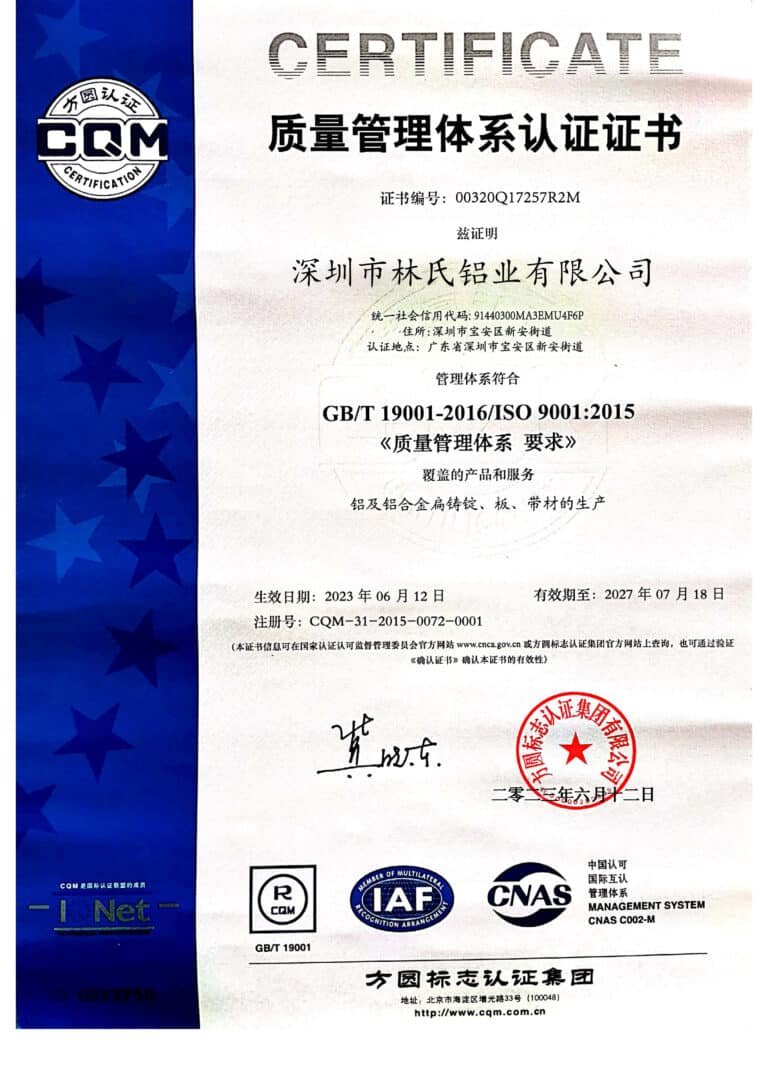
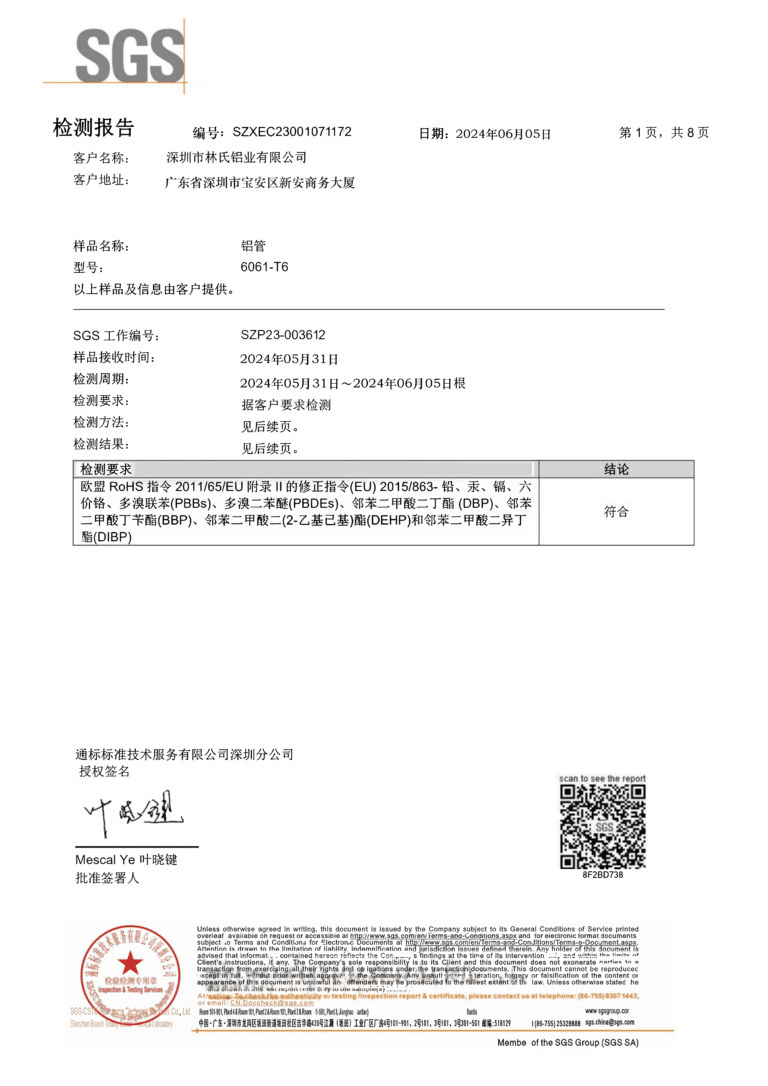
Linsy Alu. has successfully achieved certification for the ISO 9001, ISO 14001, SGS and OHSAS 1800 to assure utmost quality for our customers.