Введение
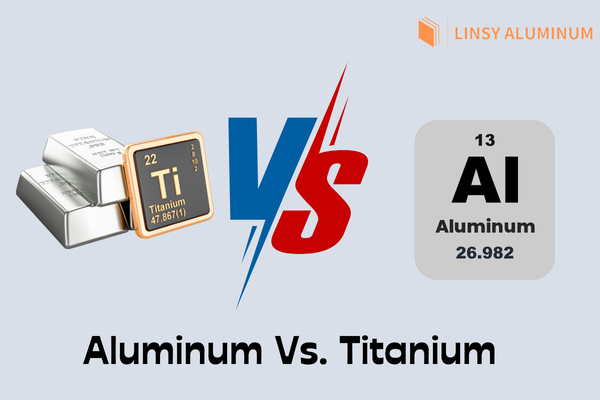
Алюминий и титан являются легкими, прочными и коррозионностойкими металлами. Однако они занимают совершенно разные позиции на рынке материалов. Стоимость титана в 10–30 раз выше стоимости алюминия за килограмм, и каждый из этих металлов доминирует в конкретных областях применения, где его уникальное сочетание свойств обеспечивает наилучшие результаты.
В данном руководстве приводится сравнение алюминия и титана по параметрам, наиболее важным для выбора материала: физические свойства, соотношение прочности и веса, коррозионная и температурная стойкость, а также обрабатываемость. Цель — помочь инженерам и закупочным подразделениям определить, какой материал подходит для их применения, а не какой материал “лучше” в абсолютном выражении.
Алюминий против титана: сравнение ключевых свойств
Физические свойства
|
Недвижимость |
Алюминий |
Титан |
|
Температура плавления |
~660 °C |
~1668 °C |
|
Прочность на разрыв |
70-700 МПа (зависит от сплава) |
900-1200 МПа (зависит от марки) |
|
Устойчивость к коррозии |
Отличная (образует защитный оксидный слой) |
Исключительная (устойчив к морской воде, кислотам и щелочам) |
Оба металла обладают высоким соотношением прочности и веса и образуют собственные пассивные оксидные слои. Более высокая температура плавления титана и более широкая химическая стойкость делают его стандартным выбором для экстремальных условий эксплуатации. Более низкая стоимость алюминия и более простая обработка делают его практичным выбором для большинства коммерческих применений.
Соотношение прочности и веса
|
Недвижимость |
Алюминий |
Титан |
|
Соотношение прочности и веса |
~158 кН-м/кг |
~187 кН-м/кг |
|
Прочность на разрыв |
140-690 МПа |
345-1 380 МПа |
|
Плотность |
~2,7 г/см³ |
~4,5 г/см³ |
|
Стоимость |
Ниже (биржевое ценообразование) |
Выше (в 10–30 раз выше алюминия за кг) |
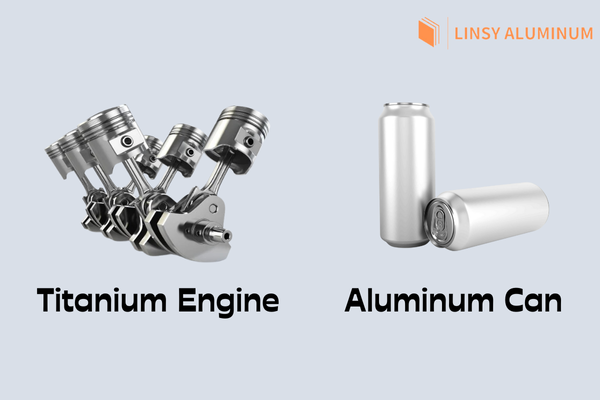
Титан достигает более высокого соотношения прочности и веса, чем алюминий, поэтому он используется в авиационных двигателях и высоконагруженных конструкционных компонентах. Однако титан примерно на 60% плотнее алюминия. Для применений, где абсолютная экономия веса важнее максимальной прочности на разрыв — таких как обшивка самолетов, автомобильные кузовные панели и корпуса потребительской электроники — алюминий обеспечивает лучшие результаты при значительно меньшей стоимости материала.
Коррозионная и температурная стойкость
|
Недвижимость |
Алюминий |
Титан |
|---|---|---|
|
Защитный слой |
Оксидный слой алюминия (Al₂O₃); менее эффективен в кислотах и щелочах |
Слой диоксида титана (TiO₂); устойчив к воздействию воздуха, воды, кислот и щелочей |
|
Типичные условия эксплуатации |
Общего назначения; умеренное коррозионное воздействие (упаковка, строительство) |
Морская среда, химическая переработка, медицинские имплантаты, глубоководное оборудование |
Коррозионная стойкость титана значительно превосходит алюминий в агрессивных химических средах, включая морскую воду, сильные кислоты и щелочи. Оксидный слой алюминия обеспечивает достаточную защиту в атмосферных условиях и в пресной воде, но для более требовательных условий эксплуатации требуется анодирование или нанесение покрытий.
|
Недвижимость |
Алюминий |
Титан |
|---|---|---|
|
Температура плавления |
~660°C |
~1668°C |
|
Сохранение прочности |
Теряет прочность выше ~200°C |
Сохраняет прочность до ~600°C |
|
Теплопроводность |
~205-235 Вт/м-К |
~6-20 Вт/м-К |
|
Приложения |
Радиаторы охлаждения, теплоотводы, теплообменники (высокая теплопроводность) |
Авиационные двигатели, компоненты выхлопных систем (сохранение прочности при высоких температурах) |
Рекомендации
- Выбирайте алюминий, если: Применение требует хорошей коррозионной стойкости в умеренных условиях или высокой теплопроводности (например, охлаждение электроники, автомобильные радиаторы).
- Выбирайте титан, если: Проект требует исключительной коррозионной стойкости или устойчивых характеристик при повышенных температурах (например, компоненты авиационных двигателей, морское оборудование, оборудование для химических процессов).
Обрабатываемость

Обрабатываемость — один из самых значительных практических разрывов между этими двумя металлами. Алюминий обрабатывается чисто на высоких скоростях стандартным инструментом. Титан трудно поддается механической обработке из-за низкой теплопроводности, склонности к наклепу и предрасположенности к налипанию на режущий инструмент.
|
Недвижимость |
Алюминий |
Титан |
|
Простота обработки |
Высокая: мягкий, режется на высоких скоростях, минимальный износ инструмента |
Низкая: требует низких скоростей, специализированного инструмента и охлаждения |
|
Отделка поверхности |
Чистые поверхности достигаются стандартным инструментом |
Сложная — риск налипания и нароста на инструменте |
|
Стоимость обработки |
Низкая: более короткое время цикла и меньший расход инструмента |
Высокая: низкие скорости, частая замена инструмента, дополнительное охлаждение |
|
Приложения |
Крупносерийное производство, автомобильные детали, потребительская электроника |
Авиакосмические компоненты, медицинские имплантаты, высоконагруженные применения |
Рекомендации
- Выбирайте алюминий: Когда скорость, экономическая эффективность и простота обработки являются основными факторами проекта.
- Выберите титан: Когда деталь должна выдерживать экстремальные нагрузки или агрессивные среды, и более высокая стоимость обработки на деталь оправдана требованиями к характеристикам.
Как выбрать между алюминием и титаном
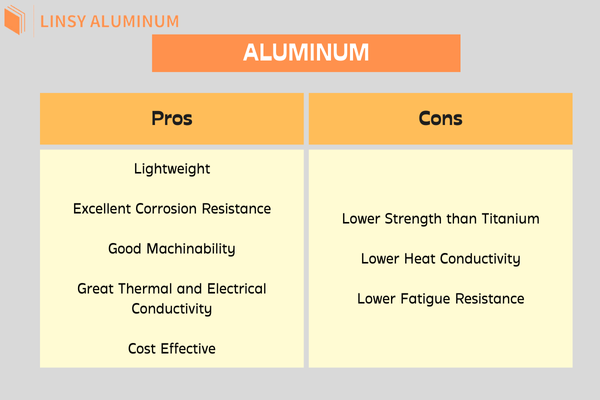
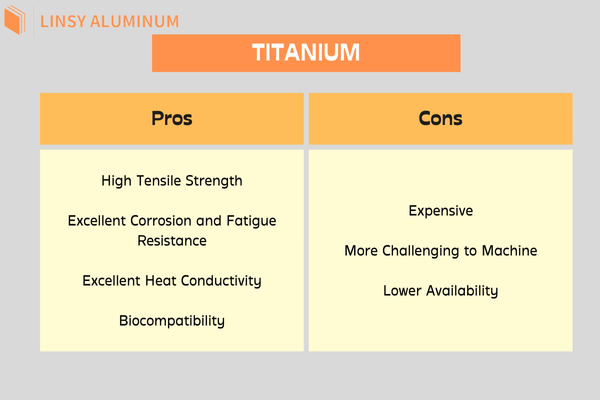
Выбор материала — это компромисс между требованиями к характеристикам и ограничениями проекта. Не существует универсального “лучшего” металла — существует только металл, который подходит для вашей конкретной ситуации.
Выбирайте титан, если:
- Ваше применение работает в экстремальных условиях: авиационные двигатели, глубоководное оборудование, химическая переработка или медицинские имплантаты.
- Биосовместимость является обязательным требованием.
- Бюджет допускает в 10–30 раз более высокую стоимость материала и дополнительные расходы на механическую обработку.
Выбирайте алюминий, если:
- Легкий вес и экономическая эффективность являются основными факторами (например, компоненты транспортных средств, потребительская электроника, строительные материалы).
- Требуется высокая теплопроводность или электропроводность.
- Ваш производственный процесс требует быстрой механической обработки, легкой сварки и гибкого формообразования — без специализированного инструмента, необходимого для титана.
Заключение
Алюминий и титан выполняют важные функции в современном производстве, но они относятся к разным частям спектра материалов. Титан превосходно подходит для применений, где его исключительная коррозионная стойкость, высокотемпературная прочность и биосовместимость оправдывают его стоимость — авиационные двигатели, хирургические имплантаты и глубоководное оборудование. Для остальных 95% производственных задач, где бюджет, формуемость и доступность материала имеют большее значение, алюминий является прагматичным выбором.
Алюминий Линси — это алюминиевый завод в Шэньчжэне с более чем 20-летним опытом работы в отрасли, поставляющий плиту, лист, пруток, трубу, проволоку, катушку, профиль и блок из сплавов серий 1000–8000. Независимо от того, нужен ли вам складской материал из наличия или индивидуальное производство с низким минимальным объемом заказа и сроком поставки 10–60 дней, Linsy обеспечивает прямые поставки с завода, подтвержденные системами менеджмента ISO 9001, ISO 14001 и ISO 45001. Каждый заказ включает сертификат испытаний материала (MTC), а отчеты об испытаниях SGS предоставляются по запросу.
Собственные производственные возможности включают механическую обработку с ЧПУ, сварку TIG (GTAW), сварку MIG (GMAW), лазерную резку и финишную обработку поверхности — включая анодирование, полировку, поверхность после прокатки, порошковую окраску по RAL 9016 и защитную ПВХ-пленку.
Свяжитесь с Linsy Aluminum сегодня, чтобы обсудить ваши требования к алюминию и запросить коммерческое предложение.
Другие сравнения:
Часто задаваемые вопросы
Что дороже: алюминий или титан?
Стоимость титана в 10–30 раз выше, чем алюминия, за килограмм. Эта разница в цене отражает более высокие затраты на добычу и переработку титана, более ограниченную глобальную цепочку поставок, а также энергоёмкий процесс Кролля, используемый для производства титановой губки. Более низкая стоимость алюминия обусловлена обильными запасами бокситовой руды и зрелой, масштабированной инфраструктурой плавильного производства.
Когда оправдана переплата за титан по сравнению с алюминием?
Титан оправдывает свою стоимость в тех областях применения, где отказ недопустим, а алюминий не может выполнить поставленные задачи: компоненты авиационных двигателей, работающие при температуре выше 400°C, хирургические имплантаты, требующие биосовместимости, глубоководное оборудование, подвергающееся воздействию солёной воды при экстремальных давлениях, и оборудование химических производств, работающее с сильными кислотами. Для этих случаев титан не является “дорогим” — это единственный материал, который работает. Для применений, где свойств алюминия достаточно, переплата редко бывает оправдана.
Какой металл обладает лучшей коррозионной стойкостью?
Титан обладает превосходной коррозионной стойкостью, особенно в солёной воде, сильных кислотах и щелочах. Его пассивный слой TiO₂ химически более устойчив, чем слой Al₂O₃ у алюминия. Алюминий обеспечивает хорошую коррозионную стойкость в атмосферных условиях и в пресной воде, однако в более агрессивных средах, где титан сопротивляется коррозии без дополнительной обработки, алюминий требует анодирования или защитных покрытий.
Почему титан сложнее обрабатывать механически, чем алюминий?
Низкая теплопроводность титана удерживает тепло на режущей кромке, что вызывает быстрый износ инструмента. Он также подвержен наклёпу и склонен к налипанию — прилипает к режущему инструменту и разрывается, вместо того чтобы чисто срезаться. Эти свойства требуют низких скоростей резания, жёстких креплений и обильного охлаждения. Алюминий легко обрабатывается на высоких скоростях стандартным инструментом, поэтому механически обработанные алюминиевые детали гораздо чаще встречаются в серийном производстве.
Какой металл легче — алюминий или титан?
Алюминий легче. Плотность алюминия составляет приблизительно 2,7 г/см³, тогда как титана — приблизительно 4,5 г/см³, то есть примерно на 60% выше. Однако более высокая прочность титана иногда позволяет использовать более тонкие стенки, что частично компенсирует разницу в весе в конструкциях, критичных по прочности. Для применений, где абсолютный минимальный вес является приоритетом, а требования к прочности умеренные, алюминий является более лёгким выбором.
Как отличить титан от алюминия?
Титан ощутимо плотнее при одинаковом объёме и имеет более тёмный серый оттенок поверхности по сравнению с более светлым серебристым видом алюминия. На титане не образуется тусклая серая оксидная плёнка, обычно наблюдаемая на алюминии. Титан также обладает гораздо более низкой электропроводностью и при шлифовании даёт белые искры, тогда как алюминий искр не даёт. Простой тест на плотность — взвешивание известного объёма — обеспечивает наиболее надёжную идентификацию в полевых условиях.