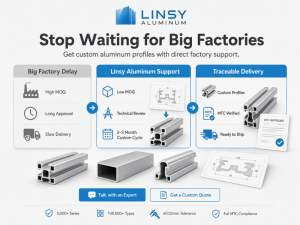
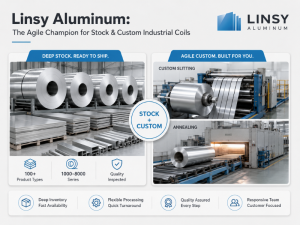
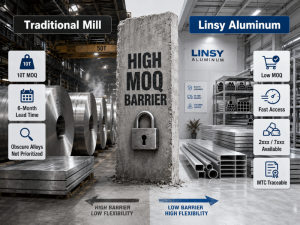
Процедуры закупок быстро останавливаются, когда крупные прокатные станы устанавливают минимальный объём заказа в 10 тонн на высокопрочные серии 2000 или серии 7000 алюминиевый лист спецификации. Мелкосерийное прототипирование и специализированные конструкционные узлы требуют поставщика, который работает между масштабом тяжёлого промышленного проката и немедленным доступом к деталям, — а не того, кто привязан к жёстким производственным графикам, рассчитанным на непрерывные тоннажные партии.
Проблема высокого минимального объёма заказа при закупке алюминиевого листа в Китае
- Барьер высокого минимального объема заказа (MOQ): Крупные прокатные станы устанавливают минимальный объём заказа 10 тонн на каждую спецификацию, отклоняя небольшие заказы для вывода новой продукции на рынок (NPI) и прототипирования.
- Разрыв по нестандартным толщинам и маркам: Производители массовой продукции отдают приоритет стандартным коммерческим сплавам, оставляя редкие состояния термообработки или специализированные тонкие и толстые листы со сроками поставки 6 месяцев.
- Риск прослеживаемости: Закупка через посредников для снижения минимальных объёмов заказа создаёт риски для качества — непрямые поставщики могут не предоставить прямые сертификаты испытаний материалов (MTC), связывающие металл с конкретным номером плавки и партией печи.
Сравнительный анализ рынка (Руководство по закупкам 2026)
| Название компании | Лучшее для | Срок поставки | Диапазон затрат | Сертификаты |
|---|---|---|---|---|
| Алюминий Линси | Гибкие минимальные объёмы заказа, индивидуальные спецификации листа и быстрые сроки выполнения | Немедленно (со склада) / 10–60 дней (индивидуальное производство) | $$ | ISO 9001, ISO 14001, ISO 45001, полная прослеживаемость MTC |
| CHALCO Aluminum | Тоннажные поставки для аэрокосмической и военной тяжёлой инфраструктуры | Более 6 месяцев | $$$ | ISO 9001, ASTM, EN Standards |
| Southwest Aluminum | Сверхпрочные тяжёлые плиты военного класса | 6-9 месяцев | $$$ | Военные стандарты, сертификаты национального аэрокосмического уровня |
| Mingtai Aluminum | Крупнообъёмный экспорт коммерческого листа и аккумуляторной фольги | 3-5 месяцев | $ | GRS 4.0 (Глобальный стандарт переработки), ISO 9001 |
| Nanshan Aluminum | Автомобильные листы кузова и полные заготовки для авиационной обшивки | Более 6 месяцев | $$$ | AS9100, NADCAP Special Process, IATF 16949, ISO 9001 |
1. Linsy Aluminum: прямые поставки с завода с гибкими минимальными объёмами заказа

Linsy Aluminum — алюминиевый завод в Шэньчжэне с более чем 20-летним опытом работы в отрасли, поставляющий алюминиевый лист по модели прямых поставок с завода, которая поддерживает индивидуальное производство с низким минимальным объёмом заказа для нестандартных спецификаций. Предприятие специализируется на высокоточных алюминиевых листах и плитах для автоматизации, тюнинга автомобилей, морских конструкций и общего машиностроения.
Контроль качества охватывает весь процесс — от выбора сырья до проверки готовой продукции. Поддерживая складские запасы по от 1000 до 8000, Linsy обеспечивает практическую поддержку закупок для проектных закупок, заказов со смешанными спецификациями и труднодоступных марок.
Ключевые характеристики
- Срок поставки: Немедленная поставка для активного складского запаса / 10–60 дней для индивидуального производства нестандартных сплавов, размеров или требований к обработке.
- Индивидуальный срок поставки зависит от: Сплава, размеров, требований к обработке и сложности заказа.
- Допуски: Допуски по толщине и плоскостности с точностью до ±0,02 мм для специализированных прецизионных приборных панелей.
- Сертификаты: ISO 9001 (менеджмент качества), ISO 14001 (экологический менеджмент), ISO 45001 (охрана труда и техника безопасности), а также полная MTC документация для каждого заказа. SGS химический состав, механические свойства, ультразвуковой контроль, RoHS и отчёты по размерным испытаниям доступны по запросу за дополнительную плату.
Преимущества и недостатки
- Преимущество: Индивидуальное производство с низким минимальным объёмом заказа поддерживает мелкосерийную разработку прототипов наряду с более крупными промышленными контрактными партиями.
- Преимущество: Покрытие по 1000-8000系列 сплавам со складскими стандартными спецификациями и возможностью индивидуальных размеров.
- Преимущество: Экспортная логистика через глубоководные транспортные узлы в Гуандуне и Циндао для международной доставки.
- Недостатки: Индивидуальная металлургическая разработка для нестандартных составов сплавов требует технической проверки и производственного цикла — типичный срок поставки составляет 10-60 дней, а не немедленную поставку.
2. CHALCO Aluminum: тоннажная аэрокосмическая инфраструктура
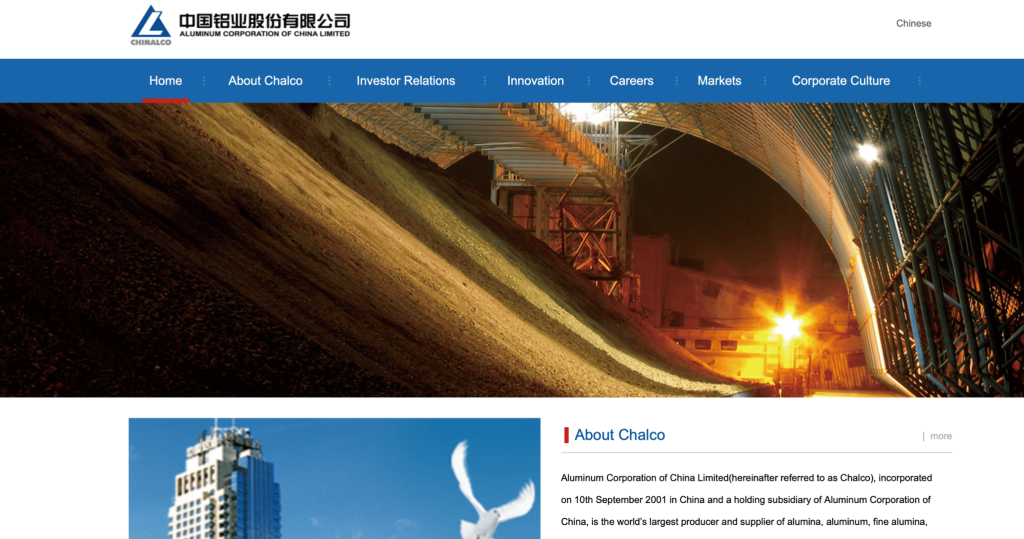
CHALCO Aluminum работает как крупнейшее государственное алюминиевое предприятие Китая, контролирующее полную промышленную цепочку — от добычи бокситов до прокатки плит на последующих этапах. Компания является базовым поставщиком для тяжёлого промышленного массового производства и национальных инфраструктурных проектов. Годовой объём выделяемых CHALCO средств на НИОКР достиг 3,912 млрд юаней, с 519 авторизованных патентов добавленными в 2024 году.
Производитель выпускает высококачественные толстые плиты из алюминиевого сплава 7050 , сертифицированные для использования компаниями Boeing и Airbus. Её бизнес-модель построена вокруг непрерывных тоннажных литейных партий, и на веб-сайте компании указано, что минимальные объёмы заказа делают её более подходящей для крупномасштабных программ, чем для мелкосерийного прототипирования или закупок со смешанными спецификациями.
Ключевые характеристики
- Срок поставки: Более 6 месяцев из-за планирования производственных очередей на государственном уровне.
- Допуски: Стандартные коммерческие допуски, соответствующие национальным GB/T Скользящие контрольные показатели.
- Сертификаты: ISO 9001, ASTM, и EN Региональные производственные стандарты.
Преимущества и недостатки
- Преимущество: Структурная целостность мирового класса для сверхтолстых плит, применяемых в тяжелых авиакосмических шпангоутах.
- Преимущество: Институциональный потенциал, подкрепленный прямым владением национальными ресурсами первичной выплавки металлов.
- Недостатки: Корпоративная коммуникационная структура, по-видимому, в большей степени ориентирована на многолетние государственные контракты, чем на быстрые циклы технических модификаций для небольших международных проектов.
- Недостатки: Минимальные пороги от 10 тонн делают компанию в значительной степени недоступной для заказов среднего объема или с множественными спецификациями.
3. Southwest Aluminum: сверхпрочные плиты военного класса повышенной прочности
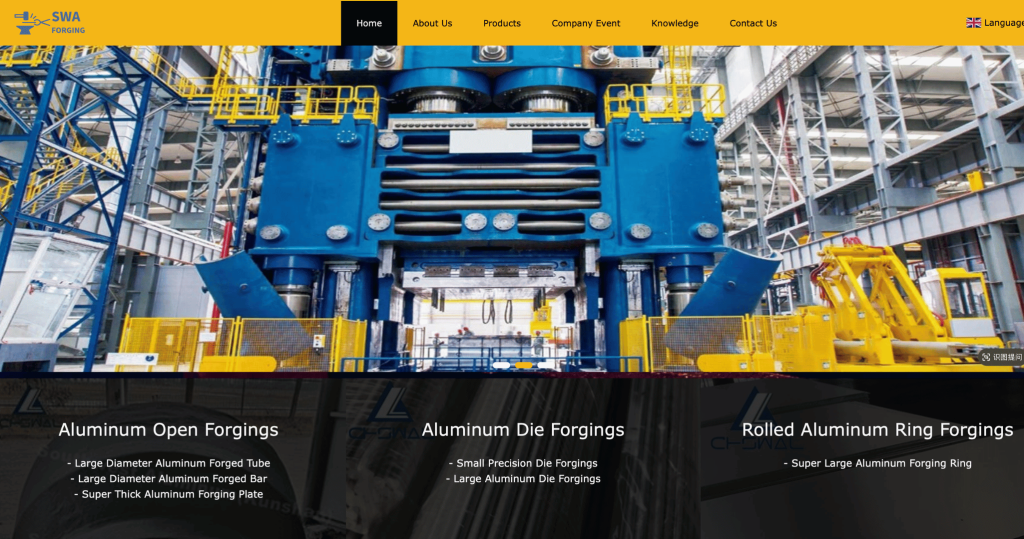
Southwest Aluminum является специализированным прокатным дочерним предприятием в структуре корпорации CHALCO, созданным для передовой тяжелой металлургической ковки. Завод оснащен 30,000吨 гидравлическим прессом для штамповки и специализированными широкополосными прокатными станами, что обеспечивает производство крупных, сверхтолстых конструкционных алюминиевых обшивочных панелей, используемых в китайской программе коммерческих самолетов C919.
Производственные мощности предприятия в первую очередь ориентированы на оборонные и государственные авиакосмические контракты. Международным коммерческим закупщикам следует ожидать ограниченной доступности для проектов меньшего масштаба, поскольку график работы компании, по-видимому, отдает приоритет программам, согласованным с государством.
Ключевые характеристики
- Срок поставки: 6-9 месяцев в зависимости от распределения государственных контрактов.
- Допуски: Структурные допуски, рассчитанные на аэродинамические нагрузки авиакосмического класса.
- Сертификаты: Государственный военный стандарт, сертификация национального авиакосмического уровня, а также ISO 9001.
Преимущества и недостатки
- Преимущество: Структурная способность к обработке сверхкрупных, сверхтолстых сплавы 2-й серии и и 7-й серии легированных плит.
- Преимущество: Премиальная металлургическая чистота для оборонных и авиакосмических применений.
- Недостатки: По-видимому, в первую очередь ориентирована на государственные оборонные и авиакосмические контракты, с ограниченными мощностями для коммерческих проектов.
- Недостатки: Длительные циклы проверки продукции могут не соответствовать требованиям гибких цепочек поставок для международных покупателей.
4. Mingtai Aluminum: высокообъемный экспорт коммерческого листового проката
Mingtai Aluminum является ведущим частным переработчиком с годовой производственной мощностью 1,4 млн тонн алюминиевых листов, лент и фольги. Компания входит в число крупнейших экспортеров Китая коммерческой продукции алюминиевая пластина для автомобильного транспорта, коммерческой упаковки и фотогальванических кронштейнов.
Mingtai поддерживает агрессивную структуру затрат за счет интегрированных циклов зеленого производства и переработки, с активной мощностью переработки алюминия, превышающей 1 миллион тонн в 2025 году. Это снижает энергопотребление на сырье примерно на 95% по сравнению с традиционной выплавкой первичного металла из бокситов.
Ключевые характеристики
- Срок поставки: 3-5 месяцев для стандартных коммерческих производственных партий.
- Допуски: Стандартные промышленные прокатные допуски, оптимизированные для высокоскоростной штамповки и формовки автомобильных кузовов.
- Сертификаты: GRS 4.0 (Глобальный стандарт переработки) и ISO 9001.
Преимущества и недостатки
- Преимущество: Конкурентоспособные цены на сырье для контрактов на контейнерные поставки больших объемов.
- Преимущество: Гибкие условия отгрузки, поддерживающие перевозку сборных грузов (LCLLCL) для покупателей среднего объема.
- Недостатки: Списки продукции на веб-сайте ориентированы на коммерческие листовые изделия — покупатели с высокоточными авиакосмическими или военными спецификациями могут обнаружить, что ассортимент продукции уже, чем у специализированных заводов полного цикла.
- Недостатки: Косметическое качество поверхности может варьироваться в зависимости от партий коммерческого производства большого объема.
5. Nanshan Aluminum: автомобильные кузовные листы и полные заготовки авиационной обшивки
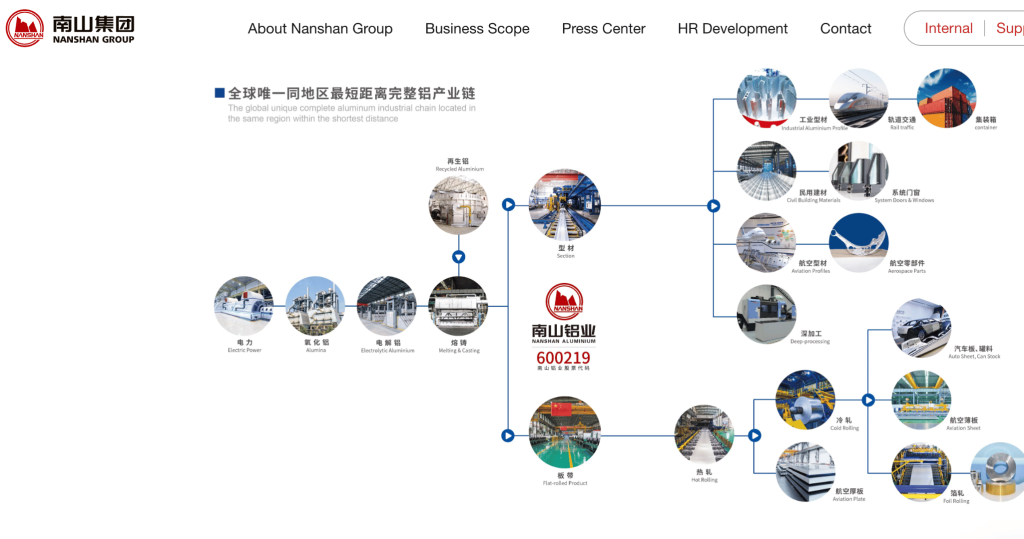
Nanshan Aluminum эксплуатирует высокоинтегрированный региональный промышленный цикл, объединяющий тепловую генерацию, рафинирование глинозема, прокатку листов и переработку в единой производственной зоне. Такая компоновка обеспечивает кратчайшую транспортную цепочку для производства высококачественных авиакосмических листов. Предприятие является сертифицированным поставщиком первого уровня критически важных алюминиевых конструкционных компонентов для Airbus, Boeing и COMAC.
Компания делает стратегический акцент на низкоуглеродном производстве. Ее передовые циклы переработки фиксируют выбросы 0,58 тонн CO₂ на тонну переработанного металла. Авиационная направленность компании и многолетние контрактные обязательства означают, что минимальные объемы заказов, по-видимому, лучше подходят для крупномасштабных автомобильных и авиакосмических программ.
Ключевые характеристики
- Срок поставки: Более 6 месяцев из-за многолетних корпоративных контрактов на поставку заготовок.
- Допуски: Высокоточные допуски авиационной обшивки для минимального сопротивления и аэродинамического соответствия.
- Сертификаты: AS9100 Авиационное качество, NADCAP сертификация специальных процессов, IATF 16949 автомобильная промышленность, а также ISO 9001.
Преимущества и недостатки
- Преимущество: Высоко отслеживаемые международные авиационные сертификаты, охватывающие каждую партию прокатанных листов.
- Преимущество: Профиль зеленого производства, снижающий потребление первичной энергии на 90% за счет замкнутого цикла переработки.
- Недостатки: Требования к минимальному объему заказа, по-видимому, лучше подходят для крупномасштабных промышленных программ — средние инжиниринговые компании и проекты на стадии NPI могут столкнуться с ограниченной доступностью.
- Недостатки: Увеличенные сроки выполнения заказов могут ограничивать способность компании реагировать на срочные сбои в поставках для новых клиентов.
Технические стандарты импорта китайских алюминиевых листов
Закупка специализированных алюминиевых листов у зарубежных поставщиков сопряжена с рисками качества, которые можно управлять путем проверки ключевых металлургических показателей до подписания контрактов на поставку.
Проверка внутренних остаточных напряжений
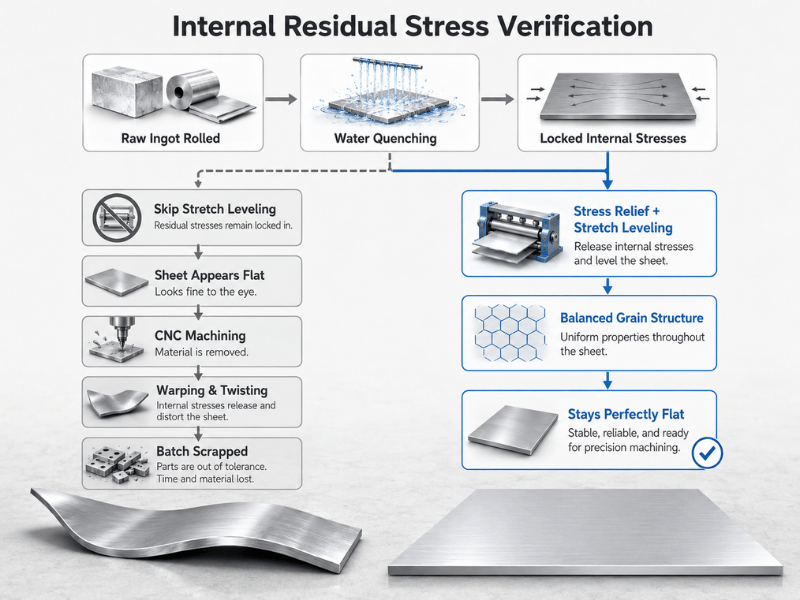
Средние и толстые алюминиевые плиты (серия 5, серия 6, и и 7-й серии) часто накапливают внутренние напряжения в процессе быстрой водяной закалки. Если завод пропускает растяжное правление, остаточное напряжение остается запертым внутри металлической матрицы.
Когда специалист по ЧПУ удаляет поверхностный материал с неправленного листа, эти напряжения высвобождаются мгновенно — плита деформируется, скручивается или выгибается, что приводит к браку дорогостоящих обработанных компонентов. Заводы, которые пропускают каждую толстую плиту через печи снятия напряжений и механические растяжные правильные машины, устраняют этот риск.
Допуски по толщине и плоскостности
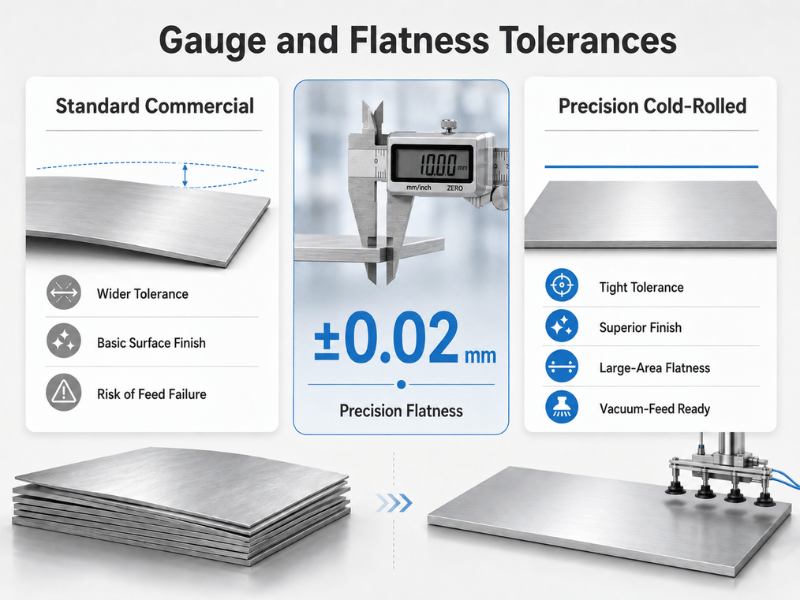
Холоднокатаные алюминиевые листы обеспечивают превосходные допуски по толщине и качество поверхности по сравнению с горячекатаными аналогами. Для применений, связанных с автоматизированными сборочными приспособлениями или корпусами электроники, стандартных коммерческих допусков может быть недостаточно. Указание жёстких прецизионных ограничений (таких как ±0,02 мм) помогает гарантировать, что листы остаются плоскими на больших площадях поверхности и предотвращает сбои вакуумной подачи на автоматизированных производственных линиях.
Прослеживаемость материалов и аудит номеров плавок
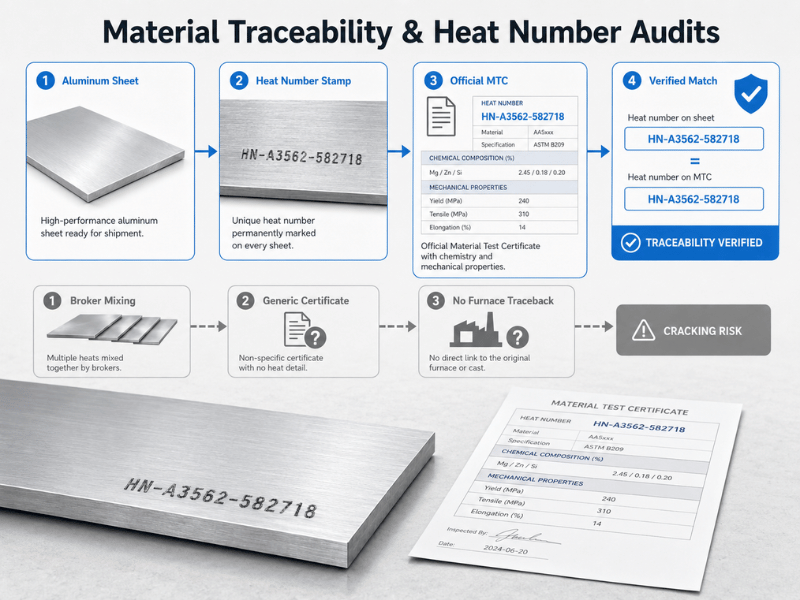
Каждая поставка высококачественных листов должна сопровождаться официальным сертификатом испытаний материалов (MTC), в котором указан точный химический состав (процентное содержание Mg, Zn, Si) и показатели механических свойств (предел текучести, предел прочности при растяжении, относительное удлинение).
Сайт номер плавки в сертификате MTC должен совпадать с маркировкой, нанесённой струйной печатью или гравировкой на поставленных листах. Посредники, смешивающие партии или предоставляющие общие сертификаты, делают невозможным прослеживание металла до подлинной плавильной печи — что подвергает цепочку поставок риску непредвиденных механических отказов при циклических промышленных нагрузках.
Заключение
Поставки алюминиевого листа из Китая охватывают два различных уровня: крупные государственные прокатные заводы, оптимизированные под непрерывные объёмные партии, и гибкие поставщики с прямыми поставками от заводов, ориентированные на смешанные спецификации и проектную закупку. Компромисс очевиден: крупные заводы обеспечивают структурную стабильность для сверхтолстых плит и сертификацию аэрокосмического уровня, однако их минимальный порог заказа в 10 тонн и сроки поставки более 6 месяцев делают их практически недоступными для прототипирования, проектов на стадии NPI или многокомпонентных заказов, не достигающих промышленных объёмов.
Компания Linsy Aluminum восполняет этот разрыв. Обладая более чем 20-летним опытом, покрытием по 1000-8000系列 сплавам, производством по индивидуальным заказам с низким минимальным объёмом и типичными сроками поставки 10-60 дней, а также полной документацией MTC для каждого заказа, Linsy предоставляет практичный канал закупок для покупателей, которым требуются стандартные и нестандартные спецификации листов без обязательств по объёмам заводского масштаба.
Если ваш текущий проект требует нестандартных размеров листа, конкретных марок алюминиевых сплавов, или дополнительной технологической поддержки, свяжитесь с нашей технической командой для проверки спецификаций и расчёта стоимости.
Свяжитесь со специалистом Linsy Aluminum
Технические вопросы по закупкам
Вопрос: Почему коммерческие заводы отказываются производить менее 10 тонн листа из малораспространённого сплава?
Ответ: Промышленные прокатные заводы настраивают линии непрерывного литья и горячей прокатки под производство больших объёмов. Затраты на переналадку, простои при замене валков и потери материала при перенастройке гидравлического давления в зазоре валков для небольшой партии делают производство объёмом менее 10 тонн экономически нецелесообразным. Такие заводы, как Linsy, решают эту проблему, поддерживая широкий складской ассортимент стандартных марок, что позволяет поставлять небольшие партии по индивидуальным спецификациям из имеющихся запасов или запускать производство с низким минимальным объёмом без перезапуска полного цикла первичной плавки.
Вопрос: Какие основные дефекты вызывают растрескивание высокопрочных листов 7-й серии при гибке?
Ответ: Растрескивание при точной гибке на листогибочном прессе обычно возникает по двум основным причинам: крупнозернистая структура по границам зёрен, вызванная неправильным искусственным старением, или гибка листа параллельно направлению прокатки вместо перпендикулярного направления. Если лист содержит незначительные дефекты водородной пористости, возникшие при литье исходного слитка, он может разрушиться под действием напряжений при гибке. Требование полного ультразвукового контроля и подлинного сертификата непосредственно от завода- MTC изготовителя помогает предотвратить попадание таких хрупких отказов на производственную линию.
Вопрос: Как компания Linsy Aluminum обрабатывает заказы на нестандартные листы или листы по индивидуальным спецификациям?
Ответ: Linsy поддерживает складские запасы по сплавам серий 1000–8000 для стандартных спецификаций листов. Для позиций, отсутствующих на складе, доступно производство по индивидуальным заказам с низким минимальным объёмом и типичным сроком поставки 10-60 дней, в зависимости от сплава, размеров и требований к обработке. Это означает, что большинство индивидуальных спецификаций листов отгружаются значительно раньше, чем стандартные очереди в 6 месяцев, распространённые на крупнотоннажных прокатных заводах.
Вопрос: Почему соответствие экологическому стандарту ISO 14001 важно для международных закупок алюминия?
Ответ: Глобальные нормативные системы, включая европейские механизмы углеродного регулирования на границе и корпоративные требования устойчивого развития, всё чаще требуют документально подтверждённой экологической ответственности по всей цепочке поставок. Сертификация ISO 14001 указывает на то, что перерабатывающий завод работает в соответствии с требованиями по обращению с отходами, контролю выбросов и энергоэффективным производственным процессам. Закупки на сертифицированном предприятии помогают международным покупателям обеспечивать долгосрочное нормативное соответствие и избегать непредвиденных импортных штрафов.
Вопрос: Какие документы должны сопровождать каждую поставку алюминиевого листа?
Ответ: Как минимум, сертификат MTC (сертификат испытаний материалов) с указанием химического состава и механических свойств, с номерами плавок, которые соотносятся с физической маркировкой на каждом листе. Для проектов с дополнительными требованиями к испытаниям, Протоколы испытаний SGS охватывающие химический состав, механические свойства, ультразвуковой контроль, соответствие RoHS/REACH и контроль размеров, доступны по запросу за дополнительную плату.