Najważniejsze informacje
- 5083 to nieutwardzalna cieplnie płyta Al-Mg-Mn: wytrzymałość pochodzi z magnezu oraz obróbki na zimno, a nie z obróbki cieplnej.
- Stan dostawy należy dobrać do zastosowania: O do formowania, H111 lub H112 dla równowagi właściwości, H116 lub H321 dla płyt morskich i krytycznych pod względem korozji.
- Grubość, wykończenie powierzchni i plan spawania należy dopasować do warunków eksploatacji; 5083 nie nadaje się do dekoracyjnego anodowania.
- Przed zamówieniem należy potwierdzić z dostawcą stany dostawy, dokumentację i czas realizacji; raporty MTC i SGS stanowią standardową kontrolę jakości.
Wprowadzenie
Płyta aluminiowa 5083 5083 to podstawowy gatunek morski i konstrukcyjny z serii 5xxx: wysoka wytrzymałość jak na stop nieutwardzalny cieplnie, niezawodna odporność na korozję morską i czysta spawalność. Wybór zwykle sprowadza się do stanu dostawy, grubości, powierzchni i sposobu użytkowania płyty. Niniejszy przewodnik omawia każdą z tych opcji, aby zamówiona płyta odpowiadała zastosowaniu, a nie stanowiła problem.
Zrozumienie stopu aluminium 5083
Stop aluminium 5083 jest niepoddające się obróbce cieplnej. Jego wytrzymałość pochodzi z magnezu i manganu utrzymywanych w roztworze stałym oraz z ewentualnej obróbki na zimno wynikającej ze stanu dostawy, a nie z przesycania i starzenia. Dlatego 5083 zachowuje wytrzymałość w stanie dostawy i nie wymaga cyklu obróbki cieplnej do osiągnięcia właściwości eksploatacyjnych.
Magnez jest pierwiastkiem odpowiadającym zarówno za wytrzymałość, jak i odporność korozyjną, zwłaszcza w środowiskach chlorkowych. To połączenie sprawia, że 5083 znajduje zastosowanie w konstrukcjach morskich, kriogenicznych i ciśnieniowych, a nie w utwardzanych cieplnie gatunkach konstrukcyjnych, takich jak 6061.
Kluczowe właściwości i korzyści
Najważniejszą właściwością płyty jest wysoka wytrzymałość bez obróbki cieplnej, dzięki czemu przenosi obciążenia i przeciwstawia się odkształceniom w kadłubach, zbiornikach i elementach konstrukcyjnych. Zachowuje również ciągliwość w temperaturach kriogenicznych, dlatego stosuje się ją w instalacjach LNG i niskotemperaturowych.
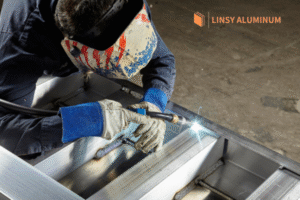
Odporność korozyjna wynika z zawartości magnezu, a nie z przewodności cieplnej. 5083 wytrzymuje działanie wody morskiej i wielu chemikaliów przemysłowych, dzięki czemu koszty utrzymania w trudnych warunkach eksploatacji pozostają niskie. Spawanie jest proste, ale strefa wpływu ciepła ulega wyżarzeniu i jest nieco bardziej miękka niż materiał rodzimy, dlatego projekt złącza powinien uwzględniać to osłabienie.
Porównanie z innymi stopami aluminium
Do formowania i zastosowań korozyjnych 5083 zachowuje się podobnie do 5052, ale jest mocniejszy, co czyni go lepszym wyborem, gdy konstrukcja musi przenosić rzeczywiste obciążenia. Nie jest to gatunek zalecany tam, gdzie przewodność cieplna determinuje projekt; wymienniki ciepła i elektronika wymagające szybkiego odprowadzania ciepła zwykle wymagają gatunków o wyższej przewodności, takich jak 1050, 1060 lub 3003. Obróbka skrawaniem jest tylko umiarkowana, ponieważ stop jest lepki i ulega umocnieniu odkształceniowemu, więc jeśli dominującą rolę odgrywa precyzyjna obróbka skrawaniem, inny gatunek może być łatwiejszy w przetwarzaniu.
Jak wybrać odpowiednią płytę ze stopu 5083
Należy zacząć od warunków eksploatacji, a nie od pojedynczej linijki w karcie specyfikacji. Poniższe cztery wybory obejmują większość zamówień:
- Temperament — wybierz O dla maksymalnej podatności na formowanie, H111 lub H112 dla równowagi wytrzymałości i obrabialności, oraz H116 lub H321 (patrz przewodnik 5083-H321) dla płyt morskich lub krytycznych pod względem korozji, gdzie odporność na złuszczanie ma znaczenie.
- Grubość i forma — stosuj blachę grubą do elementów konstrukcyjnych i grubszych płaskich przekrojów; stosuj blachę cienką do części formowanych lub giętych. Przed zwolnieniem potwierdź tolerancje szerokości, długości i płaskości względem rysunku.
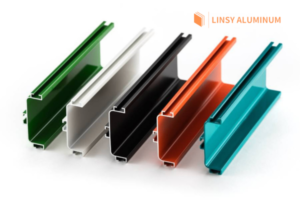
- Powierzchnia i wykończenie — zaplanuj malowanie lub powlekanie proszkowe, ponieważ 5083 nie nadaje się do dekoracyjnego anodowania; wynik jest zwykle nierówny i ciemniejszy niż w gatunkach 6xxx.
- Plan spawania — połącz blachę grubą ze spoiwem 5xxx, takim jak 5356 lub 5183, i zaprojektuj złącze z uwzględnieniem nieco bardziej miękkiej strefy wpływu ciepła.
- Dopasowanie do zastosowania — dla morski stop aluminium zastosowań należy potwierdzić stan dostawy i ewentualne zatwierdzenia towarzystw klasyfikacyjnych wymagane specyfikacją; dla zastosowań motoryzacyjnych i kriogenicznych należy sprawdzić ciągliwość w niskich temperaturach i cele wagowe.
Zastosowania płyt ze stopu 5083
Płyta ze stopu 5083 jest specyfikowana wszędzie tam, gdzie wytrzymałość, odporność na wodę morską i spawalność mają większe znaczenie niż skrawalność czy wygląd po anodowaniu. Typowe zastosowania obejmują przemysł stoczniowy, zbiorniki ciśnieniowe, wagony kolejowe, zbiorniki magazynowe i płyty pancerne.
Przemysł motoryzacyjny
Programy motoryzacyjne wykorzystują 5083 do redukcji masy bez utraty wytrzymałości, co poprawia zużycie paliwa w pojazdach spalinowych i zasięg w pojazdach elektrycznych. Ten sam stosunek wytrzymałości do masy ma zastosowanie w wagonach kolejowych, zbiornikach magazynowych i obudowach konstrukcyjnych.

Przemysł stoczniowy
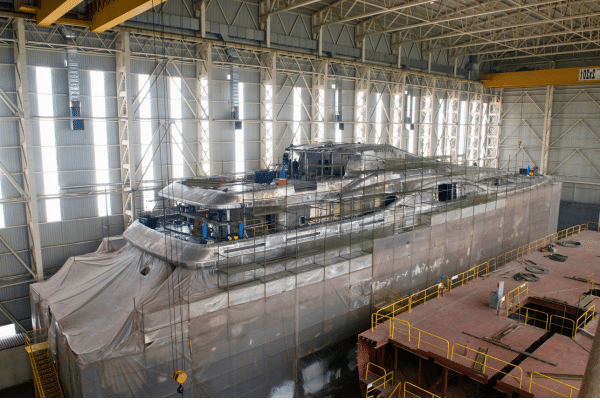
5083 to standardowa płyta na kadłuby i nadbudówki z istotnego powodu: spawa się czysto, jest odporna na korozję morską i zachowuje ciągliwość w niskich temperaturach. Występuje w zbiornikowcach LNG, pokładach i pancerzach, gdzie wymagana jest długa żywotność w środowisku wodnym.
Pełne zestawienie właściwości i gatunków równoważnych znajduje się w przeglądzie aluminium 5083.
Wnioski
Blacha gruba 5083 zawdzięcza swoje miejsce wytrzymałości, odporności na korozję w wodzie morskiej i czystej spawalności, dlatego pojawia się w zastosowaniach morskich, motoryzacyjnych i kriogenicznych. Kompromisem jest to, że nie poddaje się obróbce cieplnej, jest tylko dość dobrze obrabialna i nie nadaje się do dekoracyjnego anodowania — wszystko to jest do opanowania przy odpowiednim stanie utwardzenia, spoiwie i wyborze wykończenia.
Linsy Aluminum dostarcza płyty i arkusze ze stopu 5083 w stanach O, H111, H112, H116 i H321, z certyfikatem MTC dla każdego zamówienia oraz raportami z badań SGS dostępnymi na życzenie za dodatkową opłatą. Typowy czas realizacji zamówień niestandardowych wynosi 10–60 dni w zależności od stopu, wymiarów i obróbki; firma posiada certyfikaty ISO 9001, ISO 14001 i ISO 45001. Skontaktuj się z nami w celu potwierdzenia grubości, stanów dostawy i dokumentacji dla Twojego projektu.
Często zadawane pytania
Co sprawia, że aluminium 5083 idealnie nadaje się do zastosowań morskich?
5083 jest odporny na korozję morską, w tym na działanie chlorków odpowiedzialnych za degradację w środowisku morskim, i zachowuje ciągliwość w bardzo niskich temperaturach bez kruchnienia. To połączenie sprawia, że jest to domyślna płyta na kadłuby, pokłady i instalacje LNG.
Jak aluminium 5083 sprawdza się w projektach spawalniczych?
5083 spawa się łatwo standardowymi metodami z materiałem dodatkowym z serii 5xxx, takim jak 5356 lub 5183. Złącze pozostaje wytrzymałe, ale strefa wpływu ciepła ulega wyżarzeniu i jest nieco bardziej miękka niż materiał rodzimy, dlatego połączenie należy projektować z uwzględnieniem tego osłabienia.
Jaki stan dostawy płyty ze stopu 5083 powinienem wybrać?
Wybierz O, gdy potrzebujesz maksymalnej formowalności, H111 lub H112 dla ogólnej równowagi wytrzymałości i obrabialności, oraz H116 lub H321 dla zastosowań morskich lub krytycznych pod względem korozji, gdzie odporność na złuszczanie ma największe znaczenie. Dopasuj stan dostawy do wymagań dotyczących formowania i korozji elementu.
Czy płyta aluminiowa 5083 może być anodowana?
5083 może być anodowany, ale powłoka jest zwykle nierównomierna i ciemniejsza niż w przypadku gatunków z serii 6xxx, dlatego nie jest wybierany do dekoracyjnego anodowania. Większość projektów wykorzystuje malowanie lub lakierowanie proszkowe dla uzyskania odpowiedniego wyglądu i dodatkowej ochrony antykorozyjnej.