Principais destaques
- A 5083 é uma chapa de Al-Mg-Mn não tratável termicamente: a resistência vem do magnésio mais trabalho a frio, não de tratamento térmico.
- Escolha o temperamento pela aplicação: O para conformação, H111 ou H112 para equilíbrio, H116 ou H321 para uso marítimo e chapas críticas quanto à corrosão.
- Adeque espessura, acabamento e plano de soldagem à condição de serviço; a 5083 não é adequada para anodização decorativa.
- Confirme temperamentos, documentação e prazo de entrega com o fornecedor antes de pedir; relatórios MTC e SGS são controles padrão.
Introdução
Placa de alumínio 5083 É o grau marítimo e estrutural 5xxx mais utilizado: alta resistência para uma liga não tratável termicamente, confiável resistência à corrosão em água do mar e boa soldabilidade. A seleção geralmente se resume ao temperamento, espessura, superfície e como a chapa será usada. Este guia aborda cada uma dessas escolhas para que a chapa pedida se ajuste ao trabalho, em vez de gerar problemas.
Entendendo a liga de alumínio 5083
Liga de alumínio 5083 é não tratável termicamente. Sua resistência vem do magnésio e manganês mantidos em solução sólida, além de qualquer trabalho a frio do temperamento, não de tratamento térmico de solução. É por isso que a 5083 permanece resistente como fornecida e não precisa de ciclo de tratamento térmico para atingir as propriedades de serviço.
O magnésio é o elemento que impulsiona tanto a resistência quanto a resistência à corrosão, especialmente em ambientes com cloretos. Essa combinação é o que coloca a 5083 em serviços marítimos, criogênicos e de pressão, em vez de graus estruturais tratados termicamente, como a 6061.
Principais propriedades e benefícios
A propriedade mais importante para chapa é alta resistência sem tratamento térmico, por isso ela suporta carga e resiste à deflexão em cascos, tanques e membros estruturais. Também mantém tenacidade em temperaturas criogênicas, razão pela qual aparece em serviços de GNL e baixa temperatura.
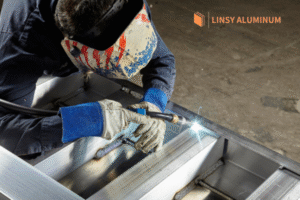
A resistência à corrosão vem do teor de magnésio, não da condutividade térmica. A 5083 resiste à água do mar e a muitos produtos químicos industriais, então a manutenção permanece baixa em serviços severos. A soldagem é simples, mas a zona afetada pelo calor é recozida e ligeiramente mais macia que a chapa base, então o projeto da junta deve considerar essa redução.
Comparação com outras ligas de alumínio
Para conformação e trabalhos de corrosão, a 5083 se comporta de forma próxima à 5052, mas é mais resistente, o que a torna a melhor escolha quando a estrutura precisa suportar carga real. Não é o grau a especificar onde a condutividade térmica orienta o projeto; trocadores de calor e eletrônicos que precisam de transferência rápida de calor geralmente exigem graus de maior condutividade, como 1050, 1060 ou 3003. A usinagem é apenas razoável porque a liga é pegajosa e encrua, então se a usinagem de precisão domina o trabalho, outro grau pode ser mais fácil de processar.
Como Escolher a Chapa 5083 Certa
Comece pela condição de serviço, não por uma única linha na folha de especificações. As quatro escolhas abaixo cobrem a maioria dos pedidos:
- Temperamento — escolha O para máxima conformabilidade, H111 ou H112 para um equilíbrio entre resistência e trabalhabilidade, e H116 ou H321 (ver o guia 5083-H321) para chapas marítimas ou críticas quanto à corrosão, onde a resistência ao lascamento importa.
- Espessura e forma — utilize chapa grossa para elementos estruturais e secções planas mais espessas; utilize chapa fina para peças conformadas ou dobradas. Confirme as tolerâncias de largura, comprimento e planicidade em relação ao desenho antes da liberação.
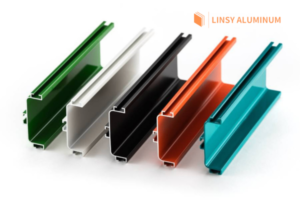
- Superfície e acabamento — planeie a pintura ou revestimento em pó, porque o 5083 não é adequado para anodização decorativa; o resultado é geralmente irregular e mais escuro do que as ligas da série 6xxx.
- Plano de soldagem — combine a chapa grossa com um material de adição da série 5xxx, como 5356 ou 5183, e dimensione a junta para uma zona afetada pelo calor ligeiramente mais macia.
- Adequação à aplicação — para de grau marítimo trabalho, confirme o temperamento e qualquer aprovação de sociedade classificadora que a especificação exigir; para serviços automotivos e criogênicos, verifique tenacidade a baixa temperatura e metas de peso.
Aplicações da Chapa 5083
A chapa 5083 é especificada onde resistência, resistência à água do mar e soldabilidade importam mais que usinabilidade ou aparência anodizada. Usos típicos incluem construção naval, vasos de pressão, vagões ferroviários, tanques de armazenamento e blindagem.
Setor automotivo
Programas de veículos usam 5083 para reduzir peso sem perder resistência, o que ajuda na economia de combustível em carros a combustão e na autonomia em veículos elétricos. O mesmo equilíbrio resistência-peso se aplica a vagões ferroviários, tanques de armazenamento e invólucros estruturais.

Indústria de construção naval
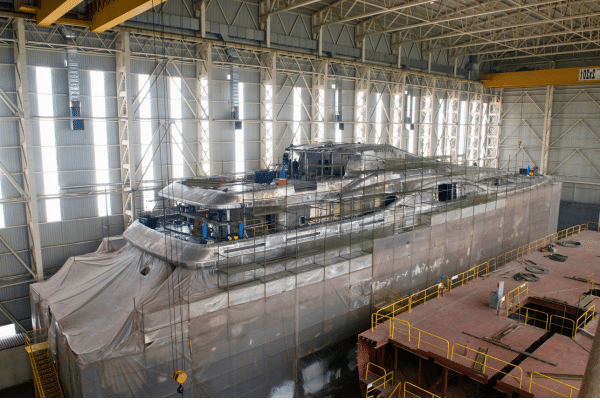
A 5083 é a chapa padrão para cascos e superestruturas por uma razão: solda limpa, resiste à corrosão da água do mar e permanece tenaz em baixas temperaturas. Aparece em transportadores de GNL, conveses e blindagem onde longa vida útil em água é exigida.
Para o quadro completo de propriedades e graus equivalentes, veja a visão geral do alumínio 5083.
Conclusão
A chapa grossa de 5083 conquista o seu lugar pela resistência, resistência à corrosão em água do mar e soldabilidade limpa, razão pela qual aparece em aplicações marítimas, automóveis e criogénicas. A contrapartida é que não é tratável termicamente, é apenas razoavelmente maquinável e não é adequada para anodização decorativa — tudo gerível com a escolha correta de temperamento, material de adição e acabamento.
A Linsy Aluminum fornece chapa e folha 5083 nos temperamentos O, H111, H112, H116 e H321, com MTC para cada pedido e relatórios de teste SGS disponíveis sob solicitação com custo adicional. Nosso prazo típico de entrega personalizada é de 10 a 60 dias, dependendo da liga, dimensões e processamento, e possuímos ISO 9001, ISO 14001 e ISO 45001. Entre em contato conosco para confirmar espessuras, temperamentos e documentação para o seu projeto.
Perguntas frequentes
O que torna o alumínio 5083 ideal para aplicações marítimas?
A 5083 resiste à corrosão da água do mar, incluindo o ataque de cloretos que impulsiona a degradação marítima, e permanece tenaz em temperaturas muito baixas sem se tornar frágil. Essa combinação é a razão pela qual ela é a chapa padrão para cascos, conveses e serviços de GNL.
Qual é o desempenho do alumínio 5083 em projetos de soldagem?
A 5083 solda facilmente com processos padrão e metal de adição 5xxx, como 5356 ou 5183. A junta permanece resistente, mas a zona afetada pelo calor é recozida e ligeiramente mais macia que a chapa base, então projete a conexão considerando essa redução.
Qual Temperamento 5083 Devo Escolher para Chapa?
Escolha O quando precisar de máxima conformabilidade, H111 ou H112 para um equilíbrio geral entre resistência e trabalhabilidade, e H116 ou H321 para serviços marítimos ou críticos quanto à corrosão, onde a resistência ao lascamento importa mais. Adeque o temperamento às demandas de conformação e corrosão da peça.
A Chapa de Alumínio 5083 Pode Ser Anodizada?
A 5083 pode ser anodizada, mas o revestimento geralmente é irregular e mais escuro que nos graus 6xxx, então não é escolhida para anodização decorativa. A maioria dos projetos usa pintura ou revestimento em pó para aparência e proteção extra contra corrosão.