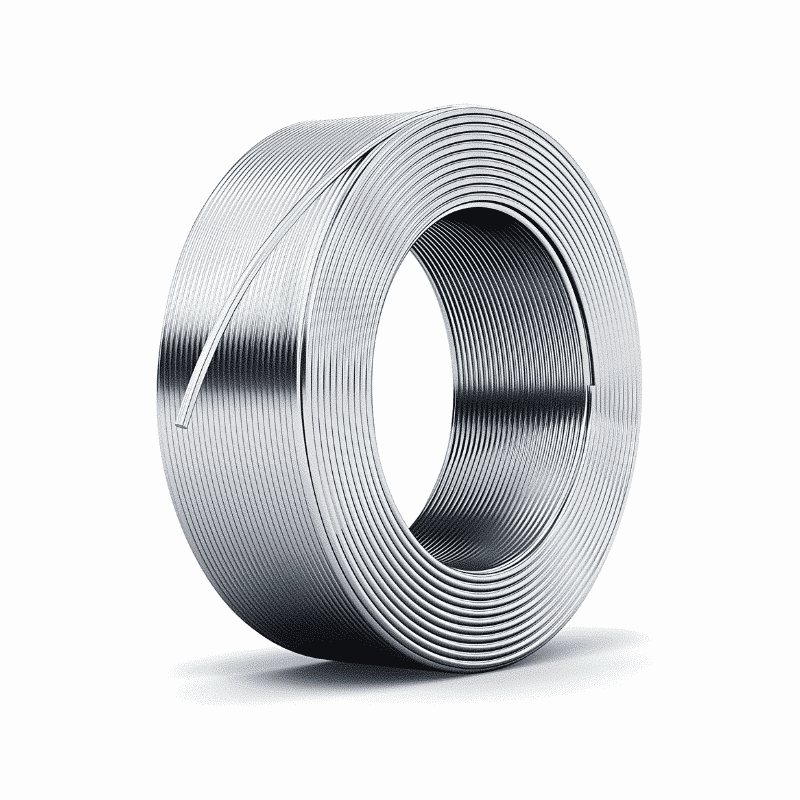
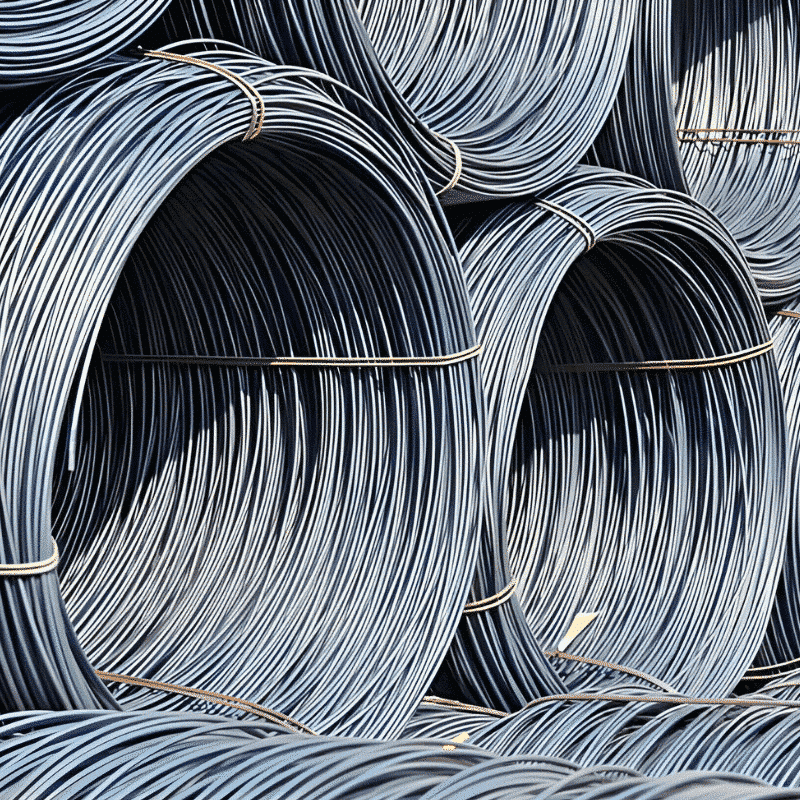


Linsy Aluminum dostarcza drut ze stopu aluminium o średnicach 0,8–20 mm w pełnym zakresie serii 1000–8000. Każda seria stopów dostępna jest w wielu wagach zwojów i stanach obróbki cieplnej, od miękkiego drutu przewodzącego w stanie O po wysokowytrzymały drut do łączników lotniczych w stanach T6 i T73. Oferujemy niestandardowe średnice, stany obróbki, wagi zwojów i wykończenie powierzchni, aby dopasować się do wymagań produkcyjnych. Niezależnie od tego, czy potrzebujesz drutu przewodzącego 1350, drutu do nitów morskich 5056, wysokowytrzymałego drutu do łączników 2024, czy drutu spawalniczego 4043, nasza fabryka w Shenzhen dostarcza produkt z pełną dokumentacją MTC.
Serie stopów: 1000 / 2000 / 3000 / 4000 / 5000 / 6000 / 7000 / 8000
Zakres średnic: 0,8–20 mm
Typowe temperamenty: O / F / H14 / H18 / H32 / H34 / H111 / T3 / T4 / T6 / T651 / T73
Waga zwoju: Niestandardowa od 10–500 kg na zwój
Wsparcie w zakresie przetwarzania: prostowanie / cięcie na wymiar / nawijanie na szpule / niestandardowe pakowanie
Dokumenty dotyczące jakości: Raport MTC do każdego zamówienia; raporty SGS dostępne na żądanie
Drut ze stopu aluminium to ciągniony lub walcowany wyrób druciany wykonany z kutych stopów aluminium. Łączy on w sobie nieodłączne zalety aluminium – lekkość, odporność na korozję i przewodność elektryczną – z właściwościami specyficznymi dla danego stopu, takimi jak wysoka wytrzymałość, podatność na formowanie lub spawalność, w zależności od wybranej serii stopu.
Firma Linsy produkuje drut aluminiowy w pełnym spektrum serii 1000–8000. Drut dostępny jest w zwojach, na szpulach lub cięty na odcinki proste. Typowe średnice wahają się od 0,8 mm do 20 mm, a niestandardowe rozmiary i wagi zwojów są dostępne na żądanie. Typowe zastosowania obejmują przewody elektryczne, elementy złączne (nity, śruby, nakrętki), drut spawalniczy, elementy konstrukcyjne dla lotnictwa, osprzęt morski oraz części samochodowe.
Firma Linsy dostarcza drut ze stopu aluminium w siedmiu rodzinach stopów. Każda seria jest odpowiednia do różnych zastosowań w zależności od profilu wytrzymałości, przewodności, odporności na korozję i podatności na formowanie. Kliknij, aby przejść do stron poszczególnych produktów z drutu stopowego, zawierających pełne tabele składu chemicznego i właściwości mechanicznych.
Komercyjnie czyste aluminium (min. 99,0% Al). Nieutwardzalny cieplnie. Doskonała przewodność elektryczna, wysoka podatność na formowanie i silna odporność na korozję. Szeroko stosowany do przewodów elektrycznych, uzwojeń transformatorów i łączników ogólnego przeznaczenia.
| Stop | Czystość Al (min) | Typowe temperamenty | Średnica (mm) |
|---|---|---|---|
| 1050 | 99.5% | O, H14 | 0,8–12 |
| 1060 | 99.6% | O, H14 | 0,8–12 |
| 1070 | 99.7% | O, H14 | 0,8–12 |
| 1100 | 99.0% | O, H14, H18 | 0,8–12 |
| 1350 | 99.5% | O, H14, H19 | 0,8–12 |
Stopy aluminium z miedzią. Utwardzalne cieplnie dla uzyskania wysokiej wytrzymałości. Stosowane tam, gdzie kluczowy jest stosunek wytrzymałości do masy – łączniki lotnicze, nity i elementy konstrukcyjne. Dostępne opcje Alclad dla lepszej ochrony antykorozyjnej.
| Stop | Kluczowa cecha | Typowe temperamenty | Średnica (mm) |
|---|---|---|---|
| 2007 | Dobra obrabialność skrawaniem, odpowiedni do łączników | T3, T4 | 0,8–12 |
| 2014 | Wysoka wytrzymałość, klasa lotnicza | O, T4, T6, T651 | 0,8–12 |
| 2017 | Wysoka wytrzymałość, klasa nitowa | O, T4, T451 | 0,8–12 |
| 2024 | Bardzo wysoka wytrzymałość, odporny na zmęczenie | O, T3, T4, T351, T851 | 0,8–12 |
| 2219 | Wytrzymałość w wysokich temperaturach, spawalny | O, T6, T851 | 0,8–12 |
Stopy aluminium z manganem. Nieutwardzalne cieplnie, o umiarkowanej wytrzymałości i doskonałej odporności na korozję. Idealne do drutu ogólnego przeznaczenia, klipsów i łączników, gdzie liczy się podatność na formowanie.
| Stop | Kluczowa cecha | Typowe temperamenty | Średnica (mm) |
|---|---|---|---|
| 3003 | Ogólnego przeznaczenia, doskonała formowalność | O, H14, H18, H22 | 0,8–12 |
| 3004 | Wyższa wytrzymałość niż 3003 | O, H14, H18 | 0,8–12 |
| 3103 | Europejski odpowiednik 3003 | O, H14, H18 | 0,8–12 |
| 3104 | Podobny do 3004, materiał na puszki | O, H14, H18 | 0,8–12 |
Stopy aluminium z krzemem o niskiej temperaturze topnienia i dobrych właściwościach płynięcia. Stosowane głównie jako drut spawalniczy i lutowniczy, nie do zastosowań konstrukcyjnych.
| Stop | Kluczowa cecha | Typowe temperamenty | Średnica (mm) |
|---|---|---|---|
| 4005 | Lutowniczy, niska temperatura topnienia | O, F | 0,8–6 |
| 4043 | Drut spawalniczy ogólnego przeznaczenia (ER4043) | O, F | 0,8–6 |
| 4047 | Wysokokrzemowy drut lutowniczy | O, F | 0,8–6 |
Stopy aluminium z magnezem. Nieutwardzalne cieplnie, o wyjątkowej odporności na korozję, szczególnie w środowisku morskim. Stosowane do nitów, łączników i drutu spawalniczego w przemyśle stoczniowym, offshore i przetwórstwie chemicznym.
| Stop | Kluczowa cecha | Typowe temperamenty | Średnica (mm) |
|---|---|---|---|
| 5019 | Umiarkowana wytrzymałość, dobra spawalność | O, H14, H18 | 0,8–12 |
| 5052 | Doskonała odporność na korozję, klasa morska | O, H32, H34 | 0,8–12 |
| 5056 | Wyższa wytrzymałość, klasa nitowa (ER5056) | O, H32, H34 | 0,8–12 |
| 5082 | Bardzo wysoka zawartość Mg, doskonała odporność na korozję | O, H18, H38, H111 | 0,8–12 |
| 5083 | Najwyższa wytrzymałość wśród nieutwardzalnych cieplnie, morski | O, H32, H111, H116 | 0,8–12 |
Stopy aluminium z magnezem i krzemem. Utwardzalne cieplnie, o średniej do wysokiej wytrzymałości i dobrej odporności na korozję. Najbardziej wszechstronna rodzina stopów do zastosowań konstrukcyjnych, motoryzacyjnych i ogólnoinżynieryjnych w postaci drutu.
| Stop | Kluczowa cecha | Typowe temperamenty | Średnica (mm) |
|---|---|---|---|
| 6005 | Klasa wytłaczania, konstrukcyjny | T5, T6 | 0,8–12 |
| 6013 | Wysoka formowalność, klasa lotnicza | O, T4, T6 | 0,8–12 |
| 6026 | Dobra obrabialność skrawaniem, bezołowiowa alternatywa | T6, T651, T9 | 0,8–12 |
| 6060 | Dobre wykończenie powierzchni, klasa wytłaczania | O, T4, T5, T6 | 0,8–12 |
| 6061 | Najbardziej wszechstronny z serii 6000, ogólnoinżynieryjny | O, T4, T6, T651, T6511 | 0,8–20 |
Stopy aluminium z cynkiem. Podatne na obróbkę cieplną do najwyższych poziomów wytrzymałości spośród wszystkich rodzin stopów aluminium. Stosowane tam, gdzie wymagany jest maksymalny stosunek wytrzymałości do masy — elementy złączne w lotnictwie, komponenty obronne oraz części konstrukcyjne o wysokich naprężeniach.
| Stop | Kluczowa cecha | Typowe temperamenty | Średnica (mm) |
|---|---|---|---|
| 7005 | Spawalne, o wysokiej wytrzymałości, konstrukcyjne | T6, T651 | 0,8–12 |
| 7050 | Wysoka wytrzymałość z poprawioną odpornością na pękanie | T6, T651, T74, T7451 | 0,8–12 |
| 7075 | Stop aluminium o najwyższej wytrzymałości | O, T6, T651, T73, T7351 | 0,8–12 |
| 7175 | Odmiana 7075 o wysokiej czystości, poprawiona odporność na pękanie | T6, T651, T74 | 0,8–12 |
Drut aluminiowy Linsy jest produkowany zgodnie z normami międzynarodowymi i dostępny w szerokim zakresie stanów oraz powierzchni. Każda dostawa zawiera Świadectwo Kontroli Materiału (MTC) potwierdzające stop, stan, skład chemiczny i właściwości mechaniczne.
| Standard | Zakres |
|---|---|
| ASTM B211 | Walcowane lub wykańczane na zimno pręty, prety i druty z aluminium i stopów aluminium |
| ASTM B316 | Drut i pręty aluminiowe i ze stopów aluminium do nitów i spęczania na zimno |
| ASTM B230 | Drut aluminiowy 1350-H19 do celów elektrycznych |
| EN 573 | Aluminium i stopy aluminium — skład chemiczny i postać wyrobów przerabianych plastycznie |
| PL 485 | Aluminium i stopy aluminium — blachy, taśmy i płyty |
| GB/T 3190 | Aluminium i stopy aluminium przerabiane plastycznie — skład chemiczny |
| AWS A5.10 | Nagie elektrody i pręty spawalnicze z aluminium i stopów aluminium |
| AMS 4182 | Drut ze stopu aluminium (5056) do nitów |
| Temperament | Opis | Typowe serie stopów |
|---|---|---|
| O | Wyżarzony (stan najbardziej miękki) | Wszystkie serie |
| F | Stan po obróbce plastycznej (bez specjalnej kontroli) | Seria 4000 (drut wypełniający) |
| H14 | Umocniony odkształceniowo, 1/2 twardy | 1000, 3000, 5000 |
| H18 | Umocniony przez zgniot, pełny twardy | 1000, 3000, 5000 |
| H32 | Umocniony przez odkształcenie i stabilizowany, 1/4 twardy | 5000 |
| H34 | Umocniony przez odkształcenie i stabilizowany, 1/2 twardy | 5000 |
| H111 | Wyżarzony i lekko umocniony przez odkształcenie | 5000 |
| H116 | Umocniony przez odkształcenie, o specjalnej odporności na korozję | Seria 5000 (morska) |
| T3 | Roztworowo przesycony, obrobiony plastycznie na zimno, starzony naturalnie | 2000 |
| T4 | Obrobione cieplnie i naturalnie postarzone | 2000, 6000 |
| T5 | Chłodzony z podwyższonej temperatury i starzony sztucznie | 6000 |
| T6 | Poddane obróbce cieplnej i sztucznemu starzeniu | 2000, 6000, 7000 |
| T651 | Roztworowo przesycony, odprężony przez rozciąganie, starzony sztucznie | 2000, 6000, 7000 |
| T73 | Roztworowo przesycony i przestarzały dla odporności na korozję naprężeniową | 7000 |
| T7351 | Roztworowo przesycony, odprężony, przestarzały | 7000 |
Standardowe średnice drutu aluminiowego wahają się od 0,8 mm do 20 mm, z tolerancją wymiarową ±0,05 mm dla średnic do 6 mm i ±0,08 mm dla większych średnic. Średnice niestandardowe spoza tego zakresu mogą być dostępne na zamówienie.
| Seria Alloy | Standardowy zakres średnic | Typowa masa zwoju |
|---|---|---|
| Seria 1000 | 0,8–12 mm | 10–500 kg |
| Seria 2000 | 0,8–12 mm | 10–300 kg |
| Seria 3000 | 0,8–12 mm | 10–500 kg |
| Seria 4000 (wypełniający) | 0,8–6 mm | 5–100 kg |
| Seria 5000 | 0,8–12 mm | 10–500 kg |
| Seria 6000 | 0,8–20 mm | 10–500 kg |
| Seria 7000 | 0,8–12 mm | 10–300 kg |
| Rodzaj opakowania | Opis |
|---|---|
| Szpule (plastikowe/drewniane) | Do automatycznego podawania w maszynach CNC lub nitownicach; 5–100 kg |
| Zwoje (układanie poziome lub pionowe) | Standardowe opakowanie przemysłowe; 10–500 kg |
| Długości proste | Cięte na określoną długość; wiązane i paletyzowane |
| Niestandardowe opakowanie | Znakowane laserowo metki, pakowane próżniowo, skrzynie lub palety drewniane klasy eksportowej |
Wybór odpowiedniego stanu odpuszczania dla drutu aluminiowego zależy od operacji formowania, wymagań wytrzymałościowych oraz tego, czy część będzie poddawana obróbce cieplnej po formowaniu. Skorzystaj z poniższej tabeli jako szybkiego odniesienia.
| Zastosowanie | Zalecana seria | Zalecany stan odpuszczania |
|---|---|---|
| Przewody elektryczne (napowietrzne/podziemne) | 1000 (1350, 1050) | H14, H19 |
| Złącza i nity do obróbki na zimno (formowanie w stanie O) | 2000, 5000, 6000 | O (najpierw formować, następnie obróbka cieplna, jeśli dotyczy) |
| Nity o wysokiej wytrzymałości (dostarczane w stanie dostawy, bez obróbki cieplnej po formowaniu) | 2000 (2024), 7000 (7075) | T4, T6 (nitować w stanie miękkim, starzeć po) |
| Złącza morskie i odporne na korozję | 5000 (5052, 5056, 5083) | H32, H34, H111, H116 |
| Złącza i klipsy ogólnego przeznaczenia | 3000 (3003, 3004) | O, H14, H18 |
| Drut spawalniczy (MIG/TIG) | 4000 (4043), 5000 (5056) | F, O |
| Części obrabiane CNC z drutu | 2000 (2011), 6000 (6026) | T3, T6, T651 |
| Złącza lotnicze o wysokich naprężeniach | 7000 (7075, 7050) | T6, T73, T7351 |
Drut aluminiowy serii 1000 (w szczególności 1350 i 1050) oferuje przewodność elektryczną na poziomie około 61–62% IACS (Międzynarodowy Standard Wyżarzonej Miedzi). Chociaż jest niższa niż w przypadku miedzi, mniejsza gęstość aluminium oznacza, że przewód aluminiowy może przenosić ten sam prąd co przewód miedziany przy około połowie wagi. Dlatego aluminium jest dominującym materiałem do napowietrznych linii przesyłowych energii i coraz częściej jest stosowane w wiązkach przewodów samochodowych i lotniczych.
Aluminium naturalnie tworzy cienką, ochronną warstwę tlenku w powietrzu, która zapewnia dobrą odporność na korozję bez powłok. Stopy serii 5000 (5052, 5056, 5083) oferują najlepszą odporność na korozję spośród wszystkich rodzin aluminium do obróbki plastycznej, co czyni je standardowym wyborem dla złączy morskich i osprzętu offshore. Stopy serii 6000 również zapewniają dobrą odporność na korozję z dodatkową korzyścią w postaci wytrzymałości uzyskiwanej przez obróbkę cieplną.
Drut aluminiowy ma gęstość około jednej trzeciej gęstości stali (2,7 g/cm³ vs 7,85 g/cm³). Drut serii 7000 poddany obróbce cieplnej (7075-T6) może osiągnąć wytrzymałość na rozciąganie ponad 570 MPa, dorównując stali niskowęglowej, będąc przy tym o 65% lżejszym. To czyni drut aluminiowy materiałem z wyboru dla złączy lotniczych i komponentów konstrukcyjnych, gdzie waga ma krytyczne znaczenie.
W stanie O (w pełni wyżarzonym) większość drutów ze stopów aluminium jest wysoce podatna na formowanie i nadaje się do operacji wyoblania na zimno, spęczania i gięcia. Stopy umacniane przez zgniot (1000, 3000, 5000) zwiększają wytrzymałość podczas obróbki na zimno, podczas gdy stopy umacniane wydzieleniowo (2000, 6000, 7000) mogą być formowane w stanie przesyconym lub wyżarzonym, a następnie starzone do pełnej wytrzymałości. Drut wypełniający serii 4000 jest przeznaczony do topienia, a nie do formowania mechanicznego.
Drut ze stopu aluminium jest stosowany w różnych gałęziach przemysłu, gdzie liczy się niska waga, odporność na korozję i przewodność elektryczna. Poniżej przedstawiono główne kategorie zastosowań oraz serie stopów zazwyczaj dla nich określane.
| Zastosowanie | Typowe stopy | Dlaczego drut aluminiowy? |
|---|---|---|
| Przewody i kable elektryczne | 1050, 1060, 1070, 1350 | Wysoka przewodność (61–62% IACS), niska waga |
| Napowietrzne linie przesyłowe | 1350, 6201 | Wysoka wytrzymałość + przewodność dla długich rozpiętości |
| Nity i złącza (lotnictwo) | 2017, 2024, 7075 | Maksymalny stosunek wytrzymałości do wagi |
| Nity i złącza (zastosowania morskie) | 5052, 5056, 5083 | Doskonała odporność na korozję w wodzie morskiej |
| Nity i złącza (ogólnego przeznaczenia) | 3003, 6061 | Dobra równowaga między wytrzymałością a kosztem |
| Śruby, nakrętki, wkręty (obrabiane maszynowo) | 2011, 6026, 6061 | Gatunki o dobrej skrawalności do produkcji wielkoseryjnej |
| Drut spawalniczy (MIG/TIG) | 4043, 5356, 5056 | Prawidłowe dopasowanie metalurgiczne do stopu podstawowego |
| Drut spawalniczy do lutowania twardego | 4005, 4047 | Niska temperatura topnienia, dobre płynięcie |
| Sprężyny i klipsy | 3003, 5052 | Dobry odskok sprężysty, odporność na korozję |
| Części samochodowe | 6013, 6061 | Wytrzymałość z obróbki cieplnej, podatność na formowanie |
| Lotnicze okablowanie konstrukcyjne | 2024, 7075 | Wysoka wytrzymałość, odporność na zmęczenie |
Drut aluminiowy może być dostarczany w wielu formach, aby dopasować się do dalszych procesów produkcyjnych. Firma Linsy oferuje następujące opcje obróbki:
Ważna uwaga: Drut aluminiowy przeznaczony do spęczania na zimno lub nitowania jest zazwyczaj dostarczany w stanie O lub przesyconym. Drut umacnia się przez zgniot podczas formowania. Stopy umacniane wydzieleniowo (2000, 6000, 7000) powinny być starzone po formowaniu w celu osiągnięcia pełnej wytrzymałości. Stopy nieumacniane wydzieleniowo (1000, 3000, 5000) zyskują wytrzymałość tylko poprzez obróbkę na zimno i nie mogą być wzmocnione przez obróbkę cieplną.
Każda dostawa drutu aluminiowego od firmy Linsy zawiera Świadectwo Kontroli Materiału (MTC), które dokumentuje następujące informacje:
Dodatkowa dokumentacja jakościowa dostępna na żądanie:
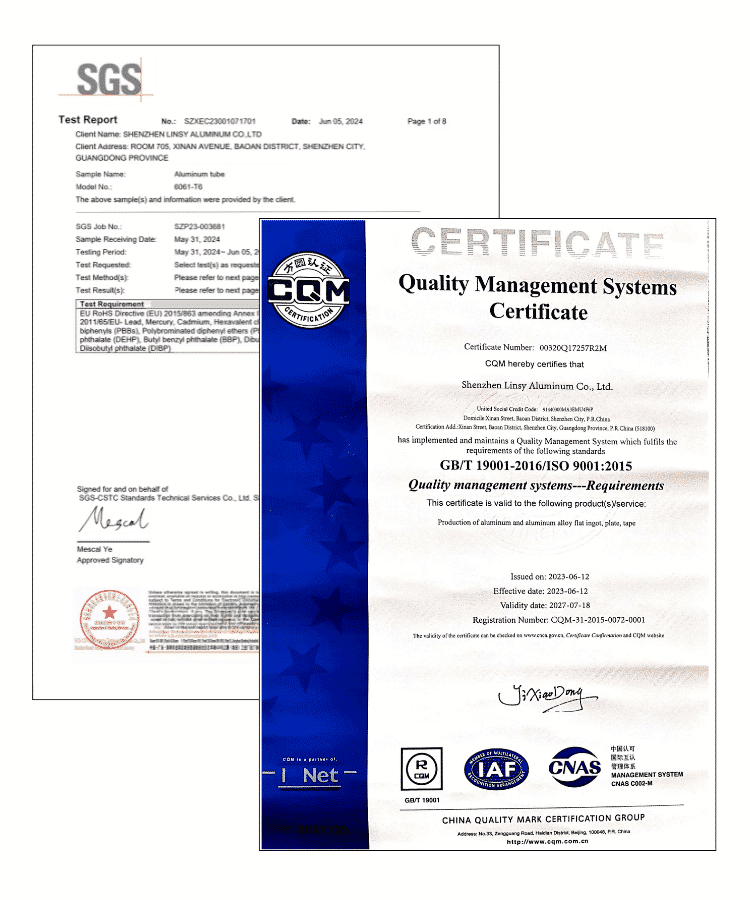
Linsy działa w ramach systemów zarządzania jakością ISO 9001, zarządzania środowiskowego ISO 14001 oraz bezpieczeństwa i higieny pracy ISO 45001.
Przeglądaj poszczególne strony produktowe drutu aluminiowego, aby uzyskać szczegółowe dane dotyczące składu chemicznego i właściwości mechanicznych:
Minimalne ilości zamówienia różnią się w zależności od stopu i średnicy. Stopy ogólnego przeznaczenia (serie 1000, 3000, 6000) mają zazwyczaj niższe MOQ niż stopy przeznaczone do lotnictwa (serie 2000, 7000). Skontaktuj się z nami, podając stop i średnicę, aby uzyskać konkretną wycenę MOQ.
Średnice poniżej 0,8 mm mogą być dostępne dla niektórych stopów. Często wymaga to specjalnego oprzyrządowania i wiąże się z wyższą minimalną ilością zamówienia. Skontaktuj się z naszym zespołem sprzedaży, aby omówić swoje wymagania.
H14 to stan umocniony przez odkształcenie (półtwardy) stosowany w stopach niepodlegających obróbce cieplnej, takich jak serie 1000, 3000 i 5000. T6 to stan po przesycaniu i sztucznym starzeniu, stosowany w stopach podlegających obróbce cieplnej, takich jak serie 2000, 6000 i 7000. Stopy w stanie H zyskują wytrzymałość tylko poprzez obróbkę na zimno; stopy w stanie T zyskują wytrzymałość poprzez utwardzanie wydzieleniowe.
Tak. Dostarczamy drut z serii 4000 (4043, 4047) i 5000 (5356, 5056) jako materiał wypełniający do spawania. Drut wypełniający jest dostarczany czysty, odtłuszczony i nawinięty warstwowo, aby zapewnić równomierne podawanie w procesach MIG i TIG. Średnice zazwyczaj 0,8–6 mm.
Tak. Stopy z serii 5000 (5052, 5056, 5083) oferują doskonałą odporność na korozję w atmosferze morskiej i przemysłowej. Są standardowym wyborem do morskich elementów złącznych, sprzętu offshore i infrastruktury przybrzeżnej. Inne serie (1000, 3000, 6000) również mają dobrą odporność na korozję atmosferyczną.
Tak. Większość stopów aluminium może być anodowana, chociaż jakość powłoki anodowej różni się w zależności od stopu. Serie 5000 i 6000 zapewniają najlepsze wykończenie anodowane. Stopy z serii 2000 i 7000 (wysoka zawartość miedzi/cynku) mogą dawać ciemniejsze lub mniej jednolite powłoki anodowane.
Wybór zależy od trzech czynników: wymaganej wytrzymałości, środowiska korozyjnego oraz możliwości obróbki cieplnej po formowaniu. Dla maksymalnej wytrzymałości (lotnictwo) wybierz 2024 lub 7075. Dla odporności na korozję (środowisko morskie) wybierz 5052 lub 5056. Do ogólnego przeznaczenia wybierz 3003 lub 6061. Skontaktuj się z naszymi inżynierami w celu uzyskania wskazówek dotyczących konkretnego zastosowania.
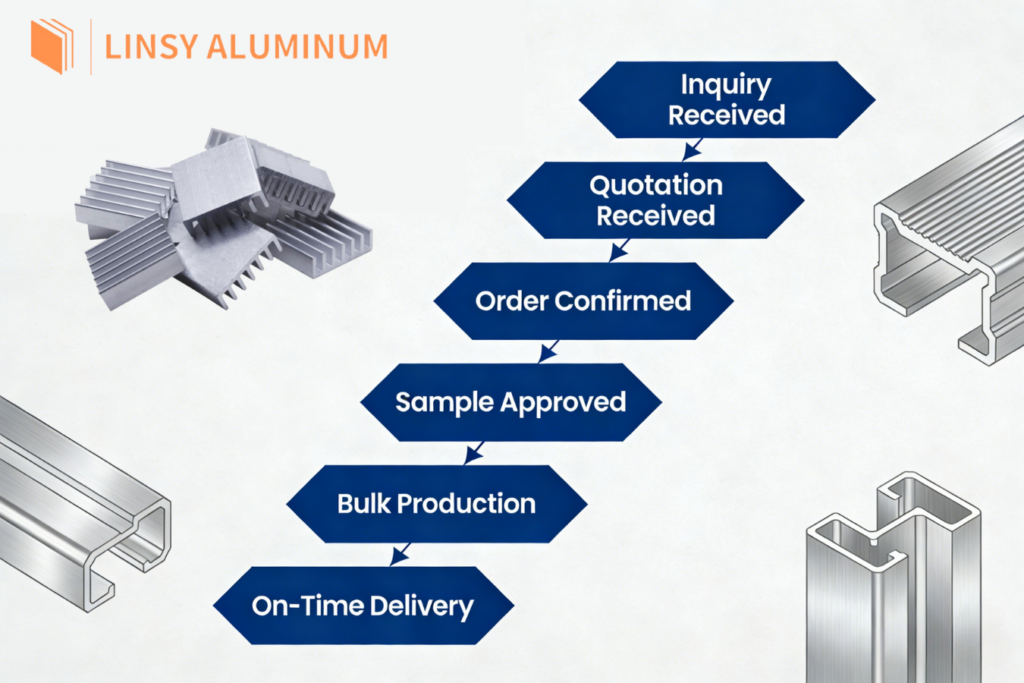
Nasz zespół zazwyczaj udziela wycen w ciągu 24 godzin dla standardowych stopów i rozmiarów. Niestandardowe lub nietypowe specyfikacje mogą wymagać dodatkowego czasu na ustalenie ceny.
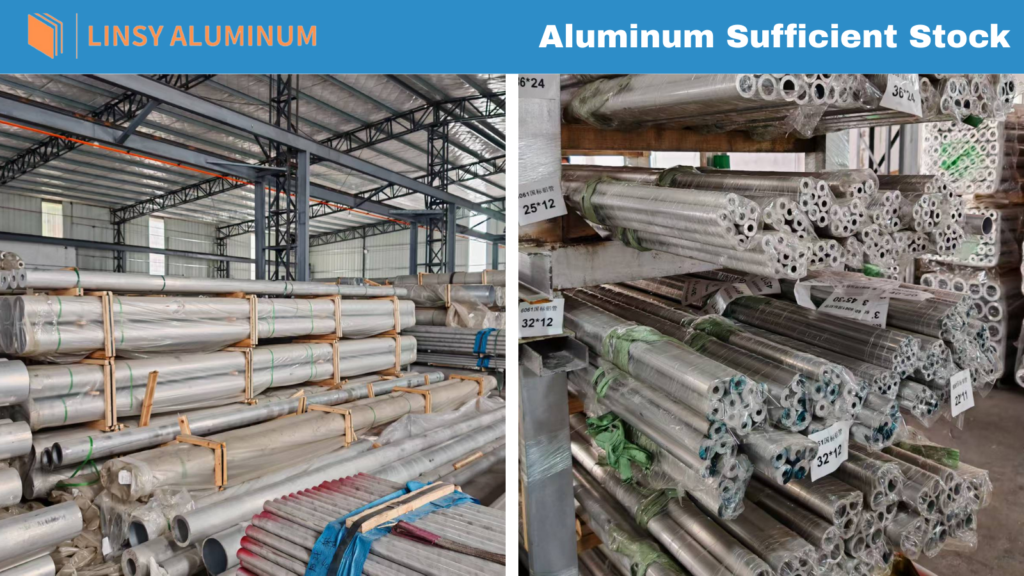
Czasy realizacji zależą od stopu, ilości i bieżącego harmonogramu produkcji. Typowy czas realizacji zamówienia niestandardowego wynosi 10–60 dni. Produkty z magazynu mogą być wysłane szybciej. Potwierdzamy czasy realizacji na etapie wyceny.
Każde zamówienie jest wysyłane ze Świadectwem Badań Materiału (MTC) dokumentującym stop, stan, skład chemiczny i właściwości mechaniczne. Raporty z badań stron trzecich SGS są dostępne na żądanie.
Drut jest dostarczany w zwojach, na szpulach lub jako odcinki proste, w zależności od wymagań. Opakowanie eksportowe obejmuje ochronne owinięcie, zabezpieczenie przed wilgocią oraz drewniane skrzynie lub palety odpowiednie do transportu morskiego.
Niestandardowe specyfikacje mogą być możliwe w zależności od stopu i ilości. Skontaktuj się z naszym zespołem inżynieryjnym, aby omówić swoje konkretne wymagania. Należy pamiętać, że niestandardowe modyfikacje stopu zazwyczaj wymagają wyższych minimalnych ilości zamówienia.
Zalety Linsy
Linsy Aluminium jest wiodącym dostawcą produktów do obróbki aluminium, obsługującym różne branże, w tym lotnictwo, inżynierię ogólną, motoryzację, przemysł morski, stoczniowy i inne specjalistyczne zastosowania przemysłowe.
Dążymy do utrzymania najwyższych standardów jakości i odpowiedzialności za środowisko, o czym świadczą nasze certyfikaty: ISO 9001:2008, ISO 14001:2004 oraz SGS.