Principais destaques
- Este guia explica as diferenças entre Alumínio 6061 T6 e T651 para que você possa escolher o temperamento certo para o seu projeto.
- Abordamos suas propriedades mecânicas, usos comuns e o benefício de cada temperamento.
- Você verá como o tratamento térmico e o alívio de tensões diferenciam o T6 do T651.
- Usinabilidade, soldabilidade e estabilidade dimensional são os fatores que decidem qual temperamento se adequa.
Introdução
Alumínio 6061 é resistente e possui boa resistência à corrosão, o que o torna útil para muitas peças. Sua resistência e resistência à corrosão são os motivos pelos quais os engenheiros o utilizam. Se você está escolhendo entre 6061 T6 e T651, as diferenças importam. Conhecê-las ajuda a obter o melhor resultado para o trabalho.
Entendendo o alumínio 6061
Alumínio 6061 é uma liga comum e versátil. Ela solda, molda e forma facilmente e resiste bem à corrosão. Sua resistência vem de sua química e tratamento térmico: principalmente alumínio com magnésio e silício adicionados para elevar as propriedades mecânicas. Diferentes tratamentos térmicos criam temperamentos como T6 e T651, cada um ajustado para condições específicas.
Noções básicas sobre a liga de alumínio 6061
As características do 6061 vêm de sua química. É principalmente alumínio, com magnésio e silício como as principais adições que aumentam a resistência, a soldabilidade e a resistência à corrosão.
O silício melhora a fundibilidade e a resistência à corrosão. O magnésio aumenta a resistência e a dureza, especialmente após o tratamento térmico. Um pouco de cobre é adicionado para aumentar ainda mais a resistência. Juntos, esses elementos tornam o 6061 flexível o suficiente para aplicações aeroespaciais, automotivas e de construção.
Características do alumínio 6061 T6
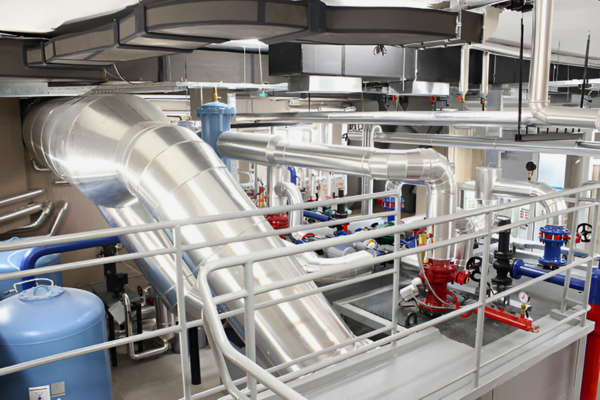
O 6061 T6 é popular porque é resistente, possui boa resistência à corrosão e é fácil de soldar. O temperamento T6 significa tratamento térmico de solução seguido de envelhecimento artificial, o que eleva as propriedades mecânicas para peças estruturais, automotivas e marítimas onde resistência e soldabilidade são essenciais.
Composição e propriedades mecânicas
O 6061 T6 depende de sua química e tratamento térmico para suas propriedades. Ele atinge uma resistência à tração acima de 310 MPa e um limite de escoamento de pelo menos 275 MPa, portanto resiste à flexão ou ruptura sob carga. Sua estrutura resistente e leve é adequada para peças automotivas e outros usos sensíveis ao peso.
Com essas propriedades mecânicas, o 6061 T6 é uma escolha resistente e versátil para muitas necessidades industriais.
Usos e aplicações comuns
O 6061 T6 é conhecido por sua resistência e é usado em peças estruturais, estruturas e painéis de carroceria. Ele solda bem e resiste à corrosão, o que impulsiona seu uso amplo. No setor automotivo, aparece em peças estruturais, estruturas e painéis de carroceria; seu peso leve ajuda em ambientes adversos.
No setor aeroespacial, sua relação resistência-peso se adequa a fuselagens de aeronaves e componentes de satélites, mesmo em condições difíceis.
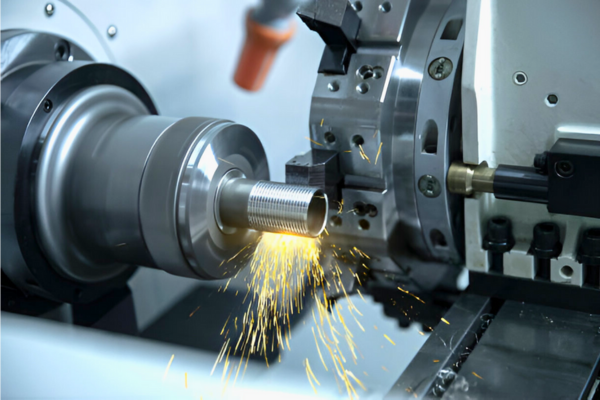
Também atende peças mecânicas como engrenagens, eixos e conexões. Ele é usinável e se adapta a muitos processos de fabricação, o que beneficia diversas indústrias.
Características do alumínio 6061 T651
O 6061 T651 compartilha a resistência e a resistência à corrosão da liga, mas mantém melhor sua forma. Essa estabilidade vem de uma etapa extra de alívio de tensões que estica o material após o envelhecimento.
Ele permanece estável durante a usinagem, o que é importante onde precisão e medidas exatas são necessárias, como em peças aeroespaciais, ferramentas e dispositivos de fixação.
Composição e propriedades mecânicas
As propriedades mecânicas e físicas do 6061 T651 são próximas às do T6. Sua resistência à tração final é de cerca de 310 MPa com um limite de escoamento semelhante. Mesmo após o alívio de tensões, o T651 mantém sua alta relação resistência-peso.
O T651 tem resistência sob carga semelhante ao T6, mas é mais duro, o que ajuda na usinagem e no acabamento superficial. É por isso que o T651 se adequa a trabalhos que exigem medidas exatas.
A combinação de resistência, dureza e estabilidade torna o 6061 T651 uma opção forte para indústrias que exigem precisão.
Aplicações e vantagens distintas
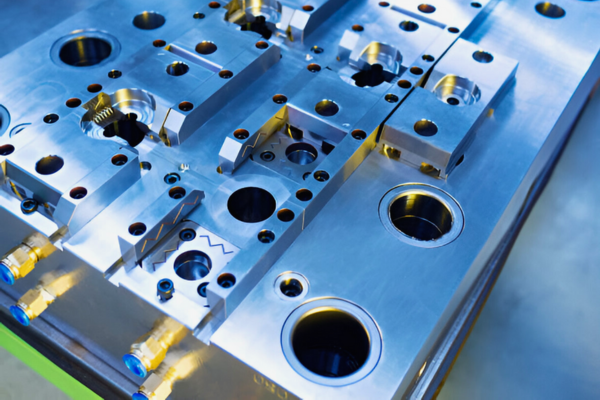
O 6061 T651 é adequado para tarefas que precisam de suporte sólido e tolerâncias apertadas. Sua etapa de alívio de tensões o mantém estável, por isso é comum na fabricação de moldes, onde mantém a forma após a usinagem e facilita cavidades precisas.
Além de moldes, o T651 é favorecido no setor aeroespacial e em automação. Sua tenacidade e resistência à corrosão são adequadas para peças críticas de aeronaves e sistemas robóticos de precisão que devem durar.
A liga 6061 forma uma camada protetora de óxido por conta própria, o que ajuda a resistir eficazmente à corrosão.
Comparação entre chapas de alumínio 6061 T651 e 6061 T6
Ambos os temperamentos carregam os benefícios do 6061: excelente resistência à corrosão, boa soldabilidade e um forte equilíbrio entre resistência e peso. Eles diferem principalmente na usinabilidade e na capacidade de manter tamanho e forma ao longo do tempo.
A tabela abaixo torna a escolha mais clara:
| Recurso | 6061 T6 | 6061 T651 |
| Resistência à tração | Alta | Alta |
| Resistência ao rendimento | Alta | Alta |
| Alongamento | Bom | Bom |
| Usinabilidade | Bom | Excelente |
| Soldabilidade | Bom | Excelente |
| Estabilidade dimensional | Bom | Excelente |
| Custo | Inferior | Mais alto |
Escolhendo entre Alumínio T651 vs T6 para Projetos
O T6 passa por tratamento térmico de solução e envelhecimento, o que pode causar alguma distorção. O T651 adiciona alívio de tensões, portanto é menos propenso a se mover durante a usinagem ou soldagem. O T651 também oferece melhor planeza e estabilidade que o T6. Se o trabalho exige planeza e estabilidade, o T651 é a melhor escolha para trabalhos de precisão; se você precisa de alta usinabilidade a menor custo, o T6 pode ser mais adequado.
Se você deseja alumínio resistente, soldável e com boa resistência à corrosão a um preço menor, o 6061-T6 é uma ótima opção para construções, quadros de bicicletas e peças automotivas.
Se você precisa de precisão, o 6061-T651 é a melhor escolha. Ele oferece estabilidade e tolerâncias apertadas para peças aeroespaciais, ferramentas, dispositivos de fixação e usinagem de precisão, mantendo o detalhe durante e após o processo.
Alinhe a liga às suas necessidades, às características do material e ao seu orçamento.

Como o Alumínio 6061 se Compara ao Aço e ao Titânio?
O alumínio 6061 é mais leve que o aço e o titânio, o que o torna popular onde o peso importa. Aço e titânio são mais resistentes em termos absolutos, mas o 6061 oferece um forte equilíbrio entre resistência e peso que se adequa a muitas indústrias.
Dicas para trabalhar com chapas de alumínio
Ao formar chapas de alumínio, observe a ductilidade e o alongamento: eles mostram o quanto você pode esticar ou dobrar sem quebrar. O 6061 nos temperamentos T6 e T651 tem boa ductilidade para conformação moderada.
Mas a conformação excessiva encrua a chapa, tornando-a mais resistente e menos dobrável. A recristalização antes de conformação pesada restaura a ductilidade. Uma porcentagem maior de alongamento significa mais dobra antes da falha, portanto acompanhe-a para manter a qualidade da chapa.
Conclusão
A compensação é clara: o T6 custa menos e usina bem para peças estruturais gerais e soldadas, enquanto o T651 adiciona alívio de tensões para melhor planeza, estabilidade dimensional e usinagem de precisão a um preço maior. Escolha o T6 para valor e soldabilidade; escolha o T651 para trabalhos de tolerância apertada e estabilidade crítica.
Em Alumínio Linsy, nós mantemos em estoque ambos chapa 6061 T6 e T651 além de barra e tubo, com relatórios de teste SGS disponíveis sob solicitação por custo adicional. Nossa equipe analisa seu desenho e recomenda o temperamento que atende à especificação sem gastos desnecessários. Informe seus requisitos e forneceremos uma cotação do material certo. Solicite uma Cotação
Perguntas frequentes
O 6061 T651 é mais resistente que o T6?
Não. Suas resistências à tração e ao escoamento são essencialmente as mesmas (cerca de 310 MPa de tração, 275 MPa de escoamento). A vantagem do T651 é a estabilidade dimensional e a usinabilidade provenientes do alívio de tensões, não uma resistência maior.
Quando devo escolher o T651 em vez do T6?
Escolha o T651 quando a peça precisar de tolerâncias apertadas, planeza ou estabilidade após usinagem e soldagem, como moldes, dispositivos de fixação e componentes aeroespaciais. Escolha o T6 quando o custo e a soldabilidade geral importarem mais que a estabilidade pós-usinagem.
O 6061 T6 e o T651 podem ser soldados?
Ambos soldam bem com MIG ou TIG usando metais de adição como 4043 ou 5356. O T6 pode empenar levemente devido ao calor; o alívio de tensões do T651 faz com que ele mantenha melhor a forma, mas controlar a entrada de calor é importante para ambos.