Key Highlights
- The 6061 aluminum angle is light yet durable, which suits many structural jobs.
- Its corrosion resistance holds up even in demanding outdoor environments.
- The alloy’s versatility spans construction, transportation, and aerospace.
- 6061 angles accept cutting, machining, and anodizing for custom lengths and finishes.
- Against 6063, 6061 offers higher strength, which fits heavy-duty frames and supports.
Introduction
This lightweight, strong alloy has become a default choice across industries. The 6061 aluminum angle pairs an impressive strength-to-weight ratio with reliable corrosion resistance, which makes it a versatile material for construction, manufacturing, and more. Understanding its capabilities helps you specify the right size and temper before you buy.
Understanding 6061 Aluminum Angle
The 6061 aluminum angle stands out for its versatility and strength. Its blend of magnesium and silicon gives it an edge in strength and formability, so it works in applications that demand resilience and structural integrity, from architectural trim to heavy-duty machine components.
What sets the angle apart is its composition. Magnesium and silicon are the primary alloying elements, delivering robust strength for load-bearing structures. That combination explains its wide use from intricate architectural designs to machinery frames.
What is 6061 Aluminum Angle?
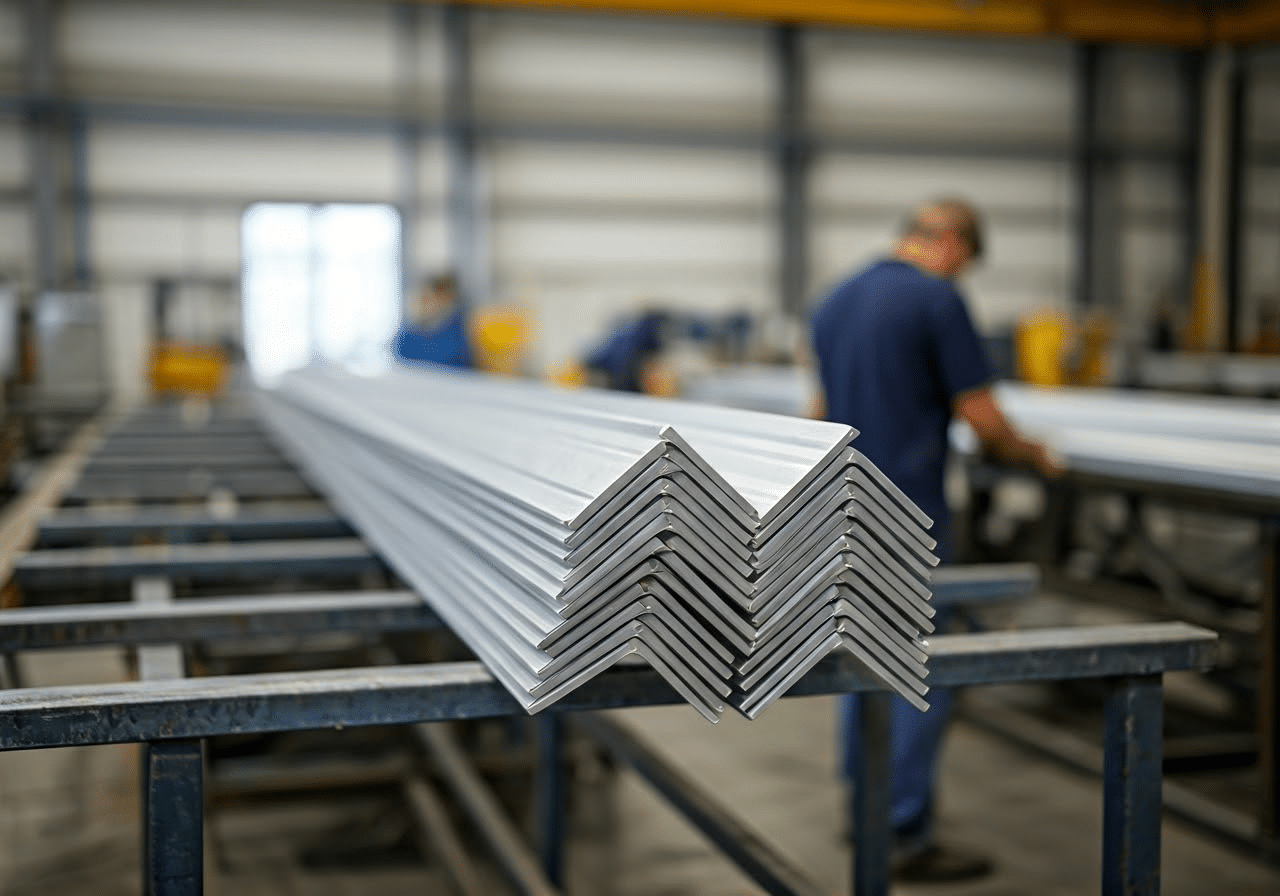
A 6061 aluminum angle is an L-shaped section with two legs meeting at 90 degrees. It is valued for strength, weldability, and machinability. Angles come in many leg lengths and wall thicknesses, so you can match the section to the load and geometry of the project.
The 6061 alloy uses magnesium and silicon as its main alloying elements, which give it the strength to serve even load-bearing structures. For a deeper look at the base grade, see our 6061 aluminum alloy overview.
Whether you are building a framework or crafting detailed parts, 6061 angle blends strength and workability. Its ability to withstand harsh environments with minimal maintenance makes it a solid pick for industrial and commercial work.
How is the 6061 Aluminum Angle processed?
Production starts with measured raw materials: aluminum, magnesium, silicon, and trace iron, copper, and zinc. The balance is tuned to hit the target properties of the final section.
The mix is extruded through a die to form the L-shape, then heat-treated to raise strength and refine the grain. Further operations finish the part:
- Cutting to length
- Machining to tolerance
- Anodizing or other coatings
These steps deliver the lengths, surface finishes, and protective coatings the application requires.
Key Physical Properties and Features
The 6061 angle’s popularity comes from its properties. It is lightweight, which eases handling and installation in overhead or large-scale builds while keeping structures robust.
It also resists corrosion well, indoors and out, without rusting or degrading in demanding conditions.
Its strength and weldability make it a versatile choice. You can cut, machine, and form it into precise shapes for a wide range of designs.
Applications and Case Study of 6061 Aluminum Angle
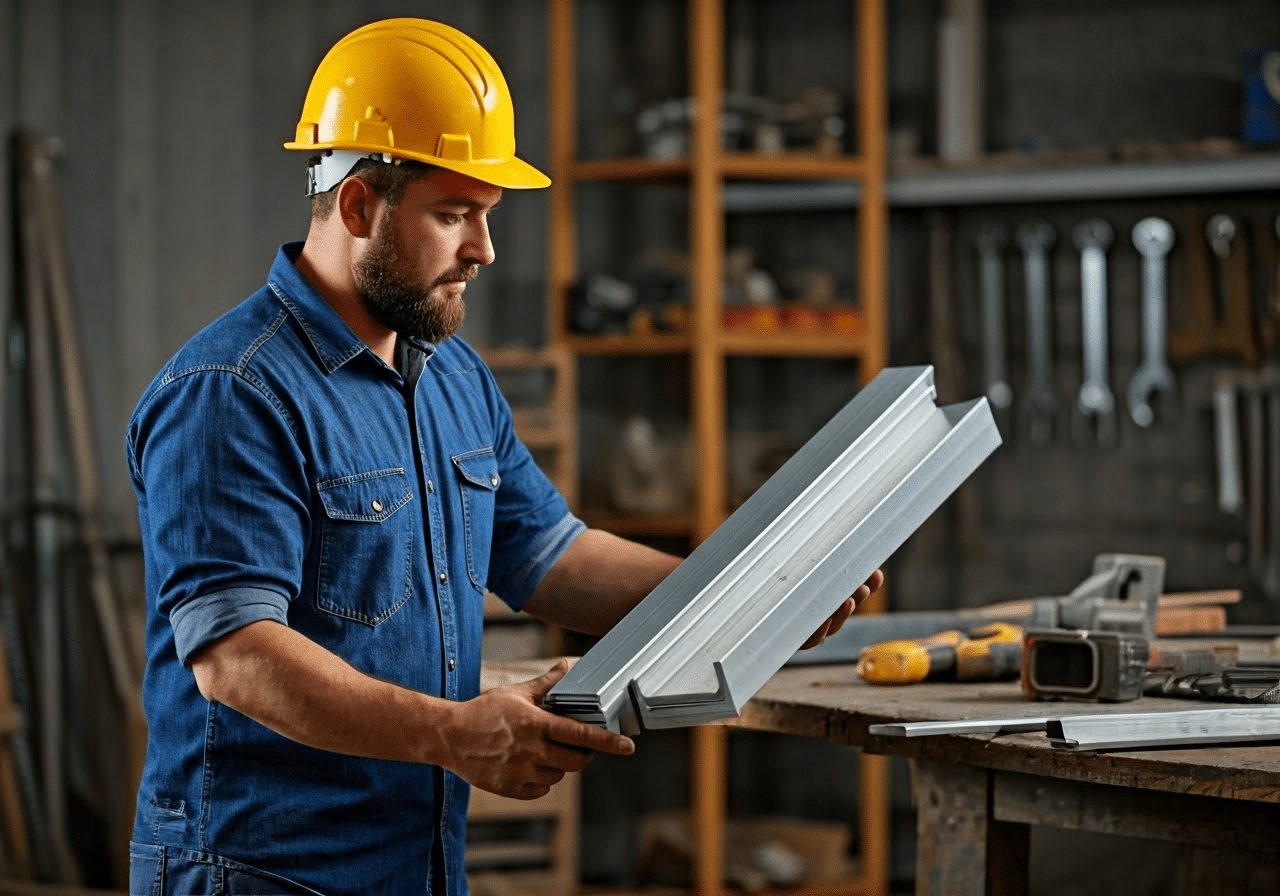
The 6061 angle adapts to many jobs: frames, brackets, supports, and structural components. You will find it in construction, transportation, and manufacturing, where its light weight, corrosion resistance, and strength pay off.
A clear example is a coastal walkway exposed to moisture and salt spray. The walkway needed a material that would survive those conditions. 6061 angle was the fit: its corrosion resistance protected the structure and its strength kept pedestrians safe. The case shows how the alloy performs in demanding settings.
Advantages of Using 6061 Aluminum Angle
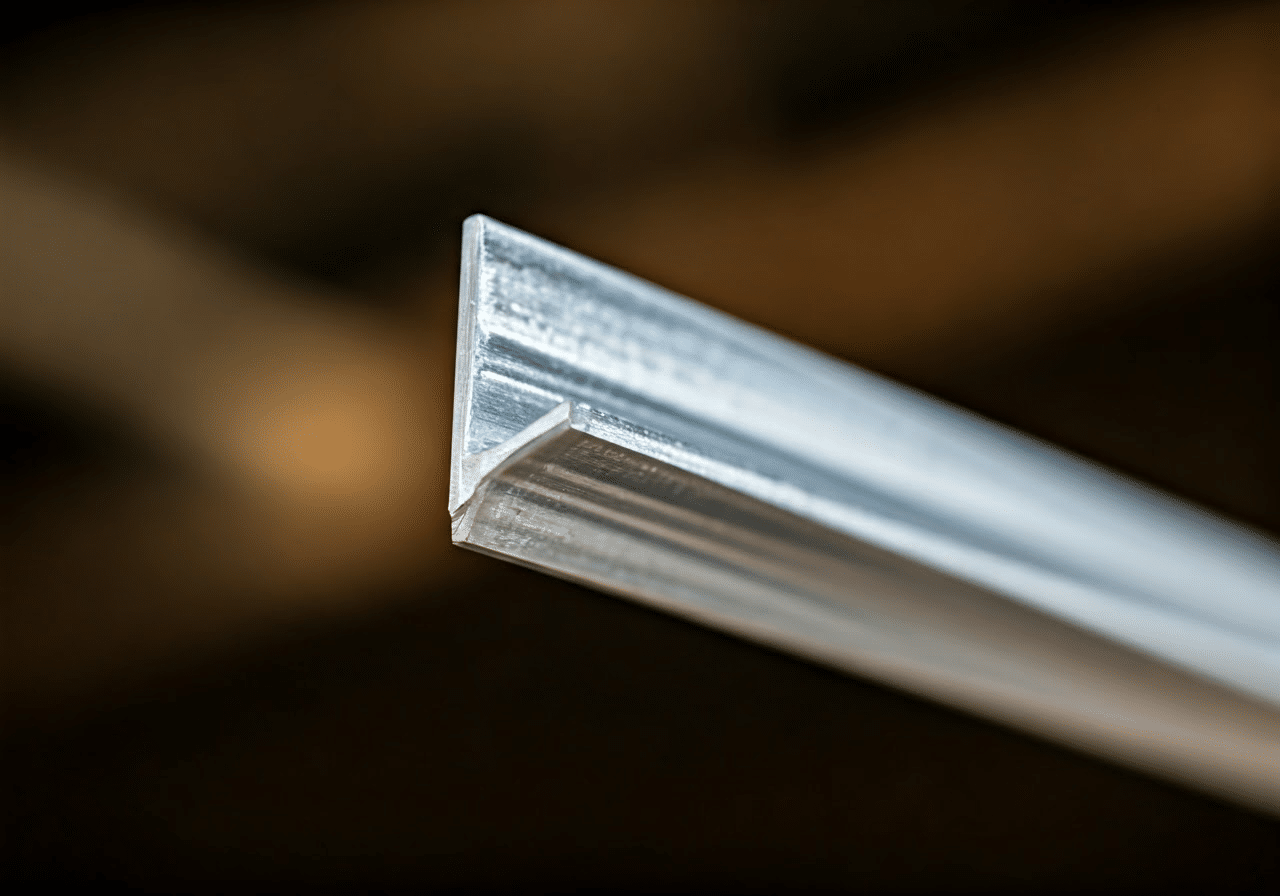
Choosing 6061 angle brings several advantages. Its strength-to-weight ratio holds structural integrity without excess bulk, and its corrosion resistance suits many environments.
6061 also welds and machines well, which simplifies fabrication and customization. Together these traits make it a cost-effective, efficient choice that saves time and resources during execution.
Comparison with 6063 Aluminum Angles
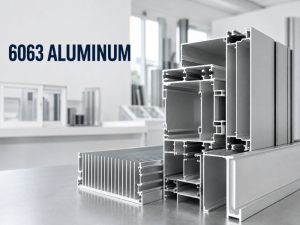
6061 angle offers higher strength than 6063. Its alloy content, including copper and magnesium, gives it durability for outdoor jobs like walkways. 6063, by contrast, is lighter and easier to extrude with a finer surface finish, so it is common in architectural trim. Match the alloy to the job: pick 6061 for strength and 6063 for decorative, light-load sections.
What to Consider When Choosing or Buying 6061 Aluminum Angle
Picking the right 6061 angle starts with size: leg length and wall thickness set the load capacity and fit. These dimensions decide whether the section meets your application.
Also weigh the environment. If the part faces weather or corrosive substances, specify a surface treatment such as anodizing for extra protection. Checking these points up front prevents early wear and extends service life.
| Factor | Considerations |
| Dimensions | Leg length (A x B) and wall thickness (C) must match the design load. |
| Length | Standard lengths (6ft, 8ft, 10ft) versus custom cut-to-size. |
| Temper | T6 temper gives higher strength for structural use. |
| Finish | Mill, anodized, or painted for corrosion protection and appearance. |
| Quantity | Bulk pricing and minimum order quantities (MOQs) may apply. |
Conclusion
6061 aluminum angle is a versatile section with strength, corrosion resistance, and easy fabrication, which is why it fits construction and structural work better than lighter options like 6063. When you specify it, weigh size, temper, finish, and environment so the section matches the load.
At Linsy Aluminum, we supply 6061 bar, flat bar, and extruded angles in T4, T6, T651, and T6511 tempers, with SGS test reports available on request at extra cost. Our team checks your drawing and recommends the right leg size, wall, and temper instead of overspecifying. Tell us your requirements and we will quote the section you need. Get a Quote
Frequently Asked Questions
What Makes 6061 Aluminum Ideal for Construction Projects?
Its magnesium-and-silicon chemistry gives strong corrosion resistance for long service life. Its light weight eases handling and speeds construction without losing strength, and it comes in sizes that customize to the project.
Where to Find Quality 6061 Aluminum Angle Supplies
Work with a supplier that shares mill test reports and can confirm temper and dimensions against your drawing. At Linsy Aluminum we provide 6061 angles and related shapes with documentation on request, so you can verify the spec before you buy. See our 6061 T651 vs T6 guide to pick the right temper.