Faits marquants
- Le cornière en aluminium 6061 est légère mais durable, ce qui convient à de nombreux travaux structurels.
- Sa résistance à la corrosion tient même dans des environnements extérieurs exigeants.
- La polyvalence de cet alliage s’étend à la construction, au transport et à l’aérospatiale.
- Les cornières en 6061 acceptent la découpe, l’usinage et l’anodisation pour des longueurs et finitions personnalisées.
- Par rapport au 6063, le 6061 offre une résistance supérieure, ce qui convient aux cadres et supports lourds.
Introduction
Cet alliage léger et résistant est devenu un choix par défaut dans de nombreuses industries. La cornière en aluminium 6061 associe un rapport résistance/poids impressionnant à une fiabilité de résistance à la corrosion, ce qui en fait un matériau polyvalent pour la construction, la fabrication et bien plus encore. Comprendre ses capacités vous aide à spécifier la bonne taille et le bon état de traitement avant l’achat.
Comprendre l'angle en aluminium 6061
La cornière en aluminium 6061 se distingue par sa polyvalence et sa résistance. Son mélange de magnésium et de silicium lui confère un avantage en termes de résistance et de formabilité, ce qui la rend adaptée aux applications exigeant résilience et intégrité structurelle, des éléments architecturaux aux composants de machines lourdes.
Ce qui distingue cette cornière, c’est sa composition. Le magnésium et le silicium sont les principaux éléments d’alliage, offrant une robustesse adaptée aux structures porteuses. Cette combinaison explique son large usage, des conceptions architecturales complexes aux cadres de machines.
Qu'est-ce que l'aluminium 6061 ?
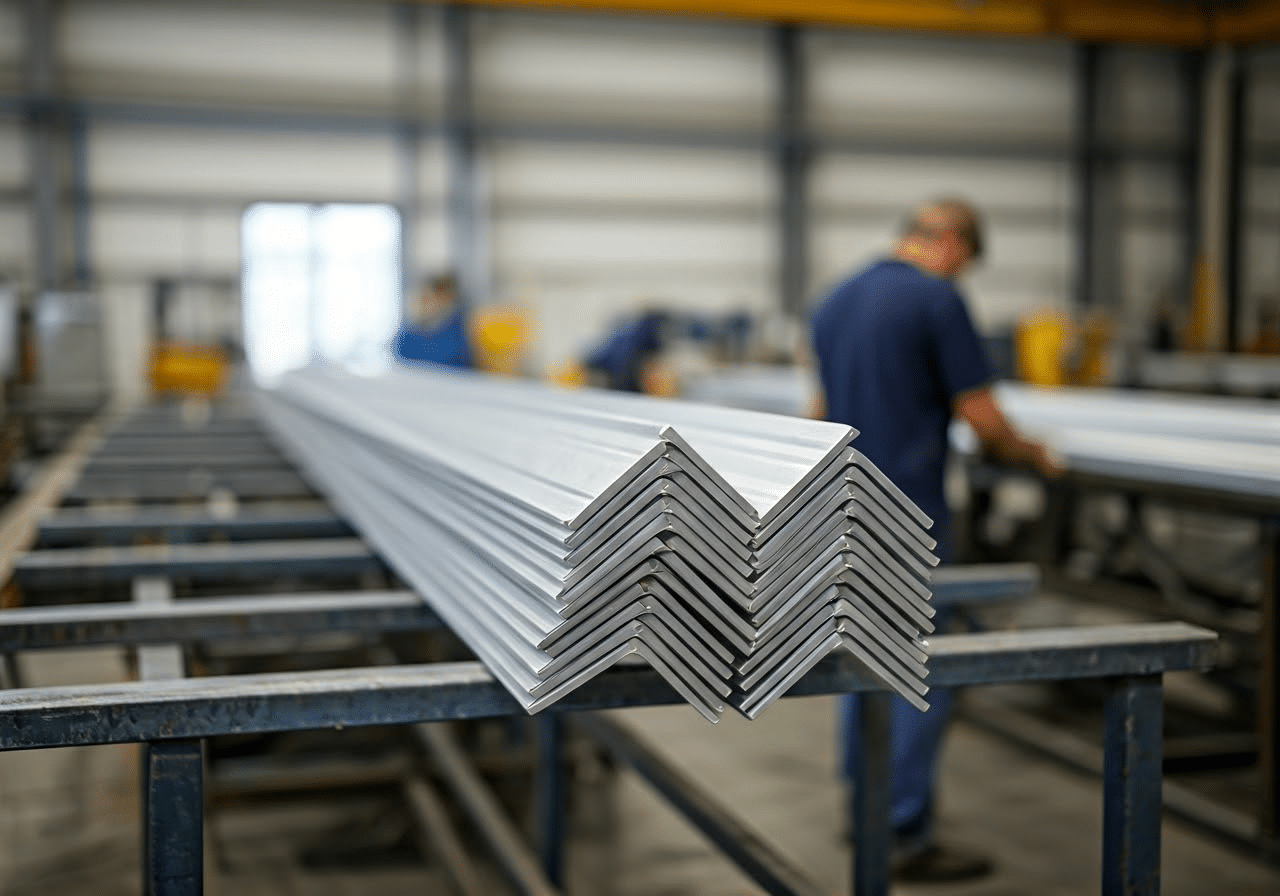
Une cornière en aluminium 6061 est un profilé en forme de L avec deux ailes se rejoignant à 90 degrés. Elle est appréciée pour sa résistance, sa soudabilité et son usinabilité. Les cornières existent en de nombreuses longueurs d’ailes et épaisseurs de paroi, ce qui permet d’adapter le profilé à la charge et à la géométrie du projet.
L’alliage 6061 utilise le magnésium et le silicium comme principaux éléments d’alliage, ce qui lui confère la résistance nécessaire même pour les structures porteuses. Pour un examen plus approfondi de la nuance de base, consultez notre Alliage d'aluminium 6061 aperçu.
Que vous construisiez une charpente ou fabriquiez des pièces détaillées, la cornière en 6061 allie résistance et usinabilité. Sa capacité à résister à des environnements difficiles avec un entretien minimal en fait un choix solide pour les travaux industriels et commerciaux.
Comment la cornière en aluminium 6061 est-elle transformée ?
La production commence par des matières premières mesurées : aluminium, magnésium, silicium, et traces de fer, cuivre et zinc. L’équilibre est ajusté pour atteindre les propriétés cibles du profilé final.
Le mélange est extrudé à travers une filière pour former la forme en L, puis traité thermiquement pour augmenter la résistance et affiner le grain. D’autres opérations finalisent la pièce :
- Découpe à longueur
- Usinage aux tolérances
- Anodisation ou autres revêtements
Ces étapes fournissent les longueurs, finitions de surface et revêtements protecteurs requis par l’application.
Propriétés physiques et caractéristiques principales
La popularité de la cornière en 6061 vient de ses propriétés. Elle est légère, ce qui facilite la manipulation et l’installation dans les constructions en hauteur ou à grande échelle, tout en maintenant des structures robustes.
Elle résiste également bien à la corrosion, à l’intérieur comme à l’extérieur, sans rouiller ni se dégrader dans des conditions exigeantes.
Sa résistance et sa soudabilité en font un choix polyvalent. Vous pouvez la découper, l’usiner et la former en formes précises pour une large gamme de conceptions.
Applications et étude de cas de l'angle en aluminium 6061
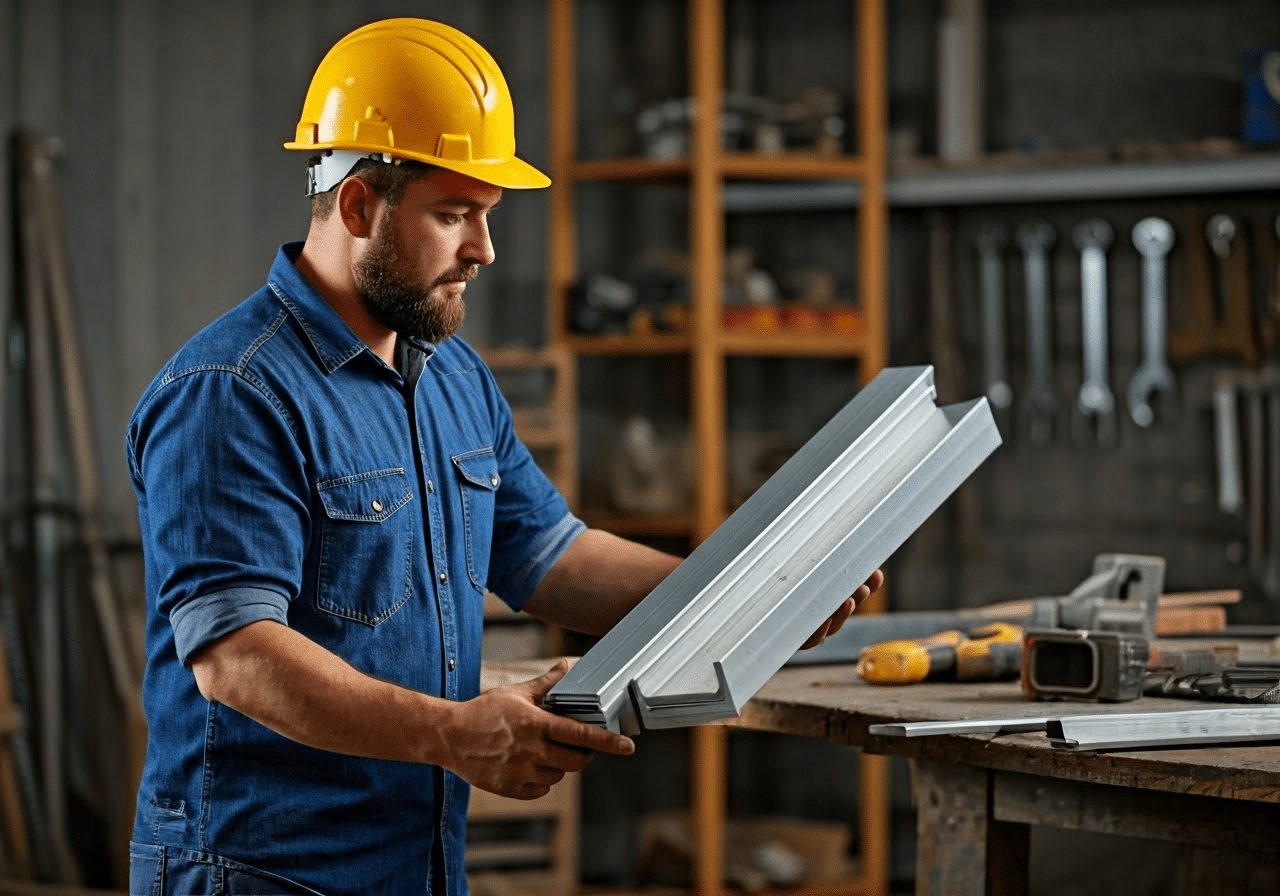
La cornière en 6061 s’adapte à de nombreux travaux : cadres, supports, renforts et composants structurels. On la retrouve dans la construction, le transport et la fabrication, où sa légèreté, sa résistance à la corrosion et sa solidité sont des atouts.
Un exemple clair est une passerelle côtière exposée à l’humidité et aux embruns salins. La passerelle nécessitait un matériau capable de survivre à ces conditions. La cornière en 6061 était adaptée : sa résistance à la corrosion protégeait la structure et sa solidité assurait la sécurité des piétons. Ce cas montre comment l’alliage se comporte dans des environnements exigeants.
Avantages de l'utilisation de l'angle en aluminium 6061
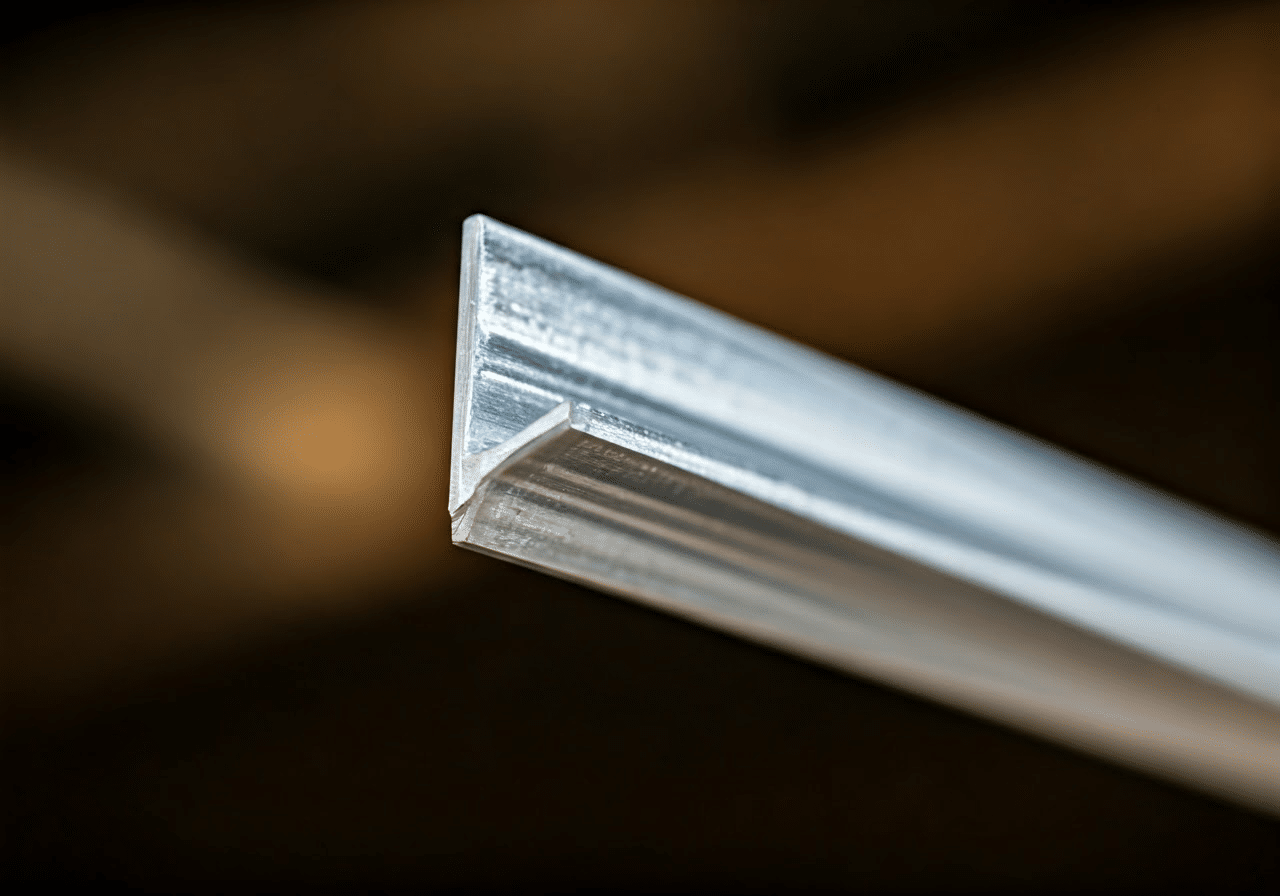
Choisir la cornière en 6061 présente plusieurs avantages. Son rapport résistance/poids maintient l’intégrité structurelle sans encombrement excessif, et sa résistance à la corrosion convient à de nombreux environnements.
Le 6061 se soude et s’usine également bien, ce qui simplifie la fabrication et la personnalisation. Ensemble, ces caractéristiques en font un choix rentable et efficace qui économise du temps et des ressources lors de l’exécution.
Comparaison avec les cornières en aluminium 6063
La cornière en 6061 offre une résistance supérieure à celle du 6063. Sa teneur en éléments d’alliage, notamment le cuivre et le magnésium, lui confère une durabilité pour les travaux extérieurs comme les passerelles. Le 6063, en revanche, est plus léger et plus facile à extruder avec une finition de surface plus fine, ce qui le rend courant dans les éléments architecturaux décoratifs. Adaptez l’alliage à l’application : choisissez le 6061 pour la résistance et le 6063 pour les profilés décoratifs à faible charge.
Ce qu’il faut considérer lors du choix ou de l’achat d’une cornière en aluminium 6061
Choisir la bonne cornière en 6061 commence par la taille : la longueur des ailes et l’épaisseur de la paroi déterminent la capacité de charge et l’ajustement. Ces dimensions décident si le profilé répond à votre application.
Évaluez également l’environnement. Si la pièce est exposée aux intempéries ou à des substances corrosives, spécifiez un traitement de surface tel que l’anodisation pour une protection supplémentaire. Vérifier ces points en amont évite l’usure prématurée et prolonge la durée de vie.
| Facteur | Considérations |
| Dimensions | La longueur des ailes (A x B) et l’épaisseur de la paroi (C) doivent correspondre à la charge de conception. |
| Longueur | Longueurs standard (6 pi, 8 pi, 10 pi) par rapport à la découpe personnalisée sur mesure. |
| Tempérer | L’état T6 offre une résistance supérieure pour un usage structurel. |
| Finition | Brut de laminage, anodisé ou peint pour la protection contre la corrosion et l’apparence. |
| Quantité | Des prix de gros et des quantités minimales de commande (MOQ) peuvent s’appliquer. |
Conclusion
La cornière en aluminium 6061 est un profilé polyvalent offrant résistance, résistance à la corrosion et facilité de fabrication, ce qui explique pourquoi elle convient mieux aux travaux de construction et structurels que des options plus légères comme le 6063. Lorsque vous la spécifiez, évaluez la taille, l’état de traitement, la finition et l’environnement afin que le profilé corresponde à la charge.
Au Aluminium Linsy, nous fournissons barres en 6061, barre plate, et cornières extrudées en états T4, T6, T651 et T6511, avec rapports d’essai SGS disponibles sur demande moyennant un coût supplémentaire. Notre équipe vérifie votre plan et recommande la bonne taille d’ailes, l’épaisseur de paroi et l’état de traitement plutôt que de surspécifier. Faites-nous part de vos exigences et nous vous chiffrerons le profilé dont vous avez besoin. Obtenir un devis
Questions fréquemment posées
Pourquoi l'aluminium 6061 est-il idéal pour les projets de construction ?
Sa composition à base de magnésium et de silicium offre une forte résistance à la corrosion pour une longue durée de vie. Sa légèreté facilite la manipulation et accélère la construction sans perte de résistance, et elle est disponible en tailles personnalisables selon le projet.
Où trouver des fournitures de qualité pour les cornières en aluminium 6061 ?
Travaillez avec un fournisseur qui partage les rapports d’essai en usine et peut confirmer l’état de traitement et les dimensions par rapport à votre plan. Chez Linsy Aluminum, nous fournissons des cornières en 6061 et des profilés connexes avec documentation sur demande, afin que vous puissiez vérifier la spécification avant d’acheter. Consultez notre guide 6061 T651 vs T6 pour choisir le bon état de traitement.