Key Highlights
Here’s a quick overview of the essential uses of aluminum:
- Aluminum is a versatile, lightweight metal with a high strength-to-weight ratio, making it ideal for transportation and construction.
- The common uses of aluminum span from aircraft and cars to electronic devices and everyday cookware.
- Its excellent corrosion resistance ensures durability in buildings, packaging, and power lines.
- Aluminum alloys are engineered to enhance specific properties of aluminum for specialized applications.
- The metal’s high recyclability offers significant environmental and economic benefits.
Introduction
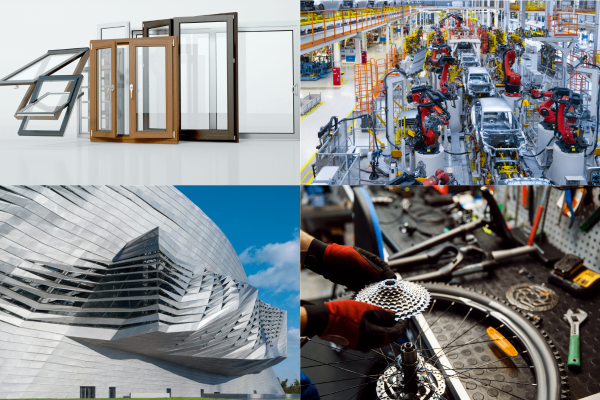
Aluminum is one of the most versatile and widely used metals on the planet. As a chemical element found in the periodic table, aluminum metal is the most abundant metallic element in the Earth’s crust. Its unique combination of beneficial properties makes it a fundamental material in countless industries, from aerospace to food packaging. This guide will explore the fascinating properties of aluminum and the extensive applications that shape our modern world, demonstrating its presence in nearly every aspect of everyday life.
Why is Aluminum So Widely Used? Key Properties
The widespread application of aluminum stems from its remarkable combination of properties. As the most abundant metal on Earth, its availability makes it a cost-effective choice for large-scale production. The inherent properties of aluminum, including its impressive strength, ductility, and low density, set it apart from other materials.
These characteristics make aluminum an indispensable resource across various sectors. What specific properties make this metal so incredibly useful compared to others? The following sections will explore the key attributes that contribute to its versatility, from its light weight to its environmental benefits.
1. Lightweight and High Strength
Aluminum’s high strength-to-weight ratio is its most celebrated feature, being a lightweight metal with a low density—much lighter than steel. This makes it vital in industries prioritizing minimal weight. For instance, in transportation, aluminum enables the construction of lighter vehicles without sacrificing strength, thereby boosting fuel efficiency by requiring less energy to move. Its combination of lightness and strength makes aluminum ideal for skyscrapers and aircraft, offering durability and support while reducing mass, a feat heavier metals struggle to match.

2. Excellent Conductivity
Aluminum is an excellent electrical conductor, slightly less conductive than copper but advantageous in specific applications due to its properties. Its combination of good conductivity and low density makes it popular for large-scale power transmission, like overhead power lines. Aluminum’s lighter weight reduces support structure costs, and its affordability makes it a cost-effective choice for long-distance power transport, strengthening its role in our infrastructure.

3. Corrosion Resistance and Durability
Durability is key in aluminum’s popularity. The metal naturally resists corrosion by quickly forming a tough, transparent aluminum oxide layer that shields it from moisture, oxygen, and corrosion. Unlike rust, this layer doesn’t flake off; it regenerates if damaged, ensuring ongoing protection. This self-repairing feature makes aluminum durable and ideal for outdoor use, from building facades to aircraft, offering long, reliable service with minimal maintenance.

4. Ductility and Malleability
Aluminum is known for its high ductility and malleability, especially in its pure form. Ductility is the ability of a material to be drawn into thin wires, while malleability is its ability to be hammered or pressed into different shapes without breaking. These properties make aluminum incredibly easy to work with.
As a versatile chemical element, pure aluminum can be easily formed, rolled, and extruded into a vast array of complex shapes and profiles. This flexibility is a significant advantage in manufacturing, allowing designers to create everything from intricate architectural features to thin, flexible aluminum foil. This ease of formation reduces manufacturing costs and opens up a world of possibilities for product design. Whether it’s being shaped into the sleek body of a smartphone or the frame of a window, aluminum’s workability is a primary reason for its popularity.

5. Recyclability and Environmental Benefits
Beyond its physical properties, aluminum offers significant environmental benefits, chief among them being its recyclability. Aluminum is 100% recyclable and can be recycled indefinitely without losing its inherent qualities. This makes it a cornerstone of a circular economy.
What are the environmental benefits of using aluminum metal? The energy savings are immense. Recycling aluminum requires only about 5% of the energy needed for primary production from raw materials. This drastically reduces the carbon footprint associated with its use. Given that aluminum is one of the most abundant metals in the Earth’s crust, its sustainable use is crucial.
Key environmental advantages include:
- Reduced energy consumption compared to new production.
- Lower greenhouse gas emissions.
- Conservation of natural resources by reducing the need for mining.

Extensive Uses of Aluminum Metal Across Industries
The uses of aluminum are vast, touching nearly every primary industry. Its unique properties make it a go-to material for a wide range of applications, including construction, transportation, packaging, and consumer goods. The table below provides a snapshot of its diverse applications, which we will explore in more detail.
Industry | Key Applications |
|---|---|
|
Construction |
Window frames, roofing, structural supports, facades |
|
Transportation |
Aircraft bodies, car frames, train cars, ships |
|
Packaging |
Beverage cans, food foil, containers, pharmaceutical packs |
|
Electrical |
High-voltage power lines, cables, busbars |
|
Consumer Goods |
Electronics, cookware, furniture, sporting equipment |
|
Renewable Energy |
Solar panel frames, support structures |
1. Transportation: The Industry of Motion
The reliance on lightweight materials in transportation has transformed the industry, particularly with the growing use of aluminum. Its low density and high strength make it perfect for automotive and aerospace uses, helping to boost fuel efficiency. Additionally, aluminum’s excellent electrical conductivity ensures efficient power transmission and operation of electronic devices. Different aluminum alloys improve structural strength while also resisting corrosion, making them ideal for window frames and support structures. This strategic use in transportation highlights aluminum’s versatility in modern engineering.
1.1 Aerospace and Aircraft
In the aerospace industry, aluminum is crucial for aircraft, providing high strength, lightweight properties, and excellent corrosion resistance. It withstands stress and weathering, enabling aircraft to carry more payloads and operate more efficiently, thereby reducing costs and environmental impact. Used in fuselage, wings, and support structures, aluminum alloys meet strict safety standards, making it the preferred material for decades.
Commonly Used Aluminum Grades:

1.2 Automotive Industry
The automotive industry is increasingly using aluminum for next-generation vehicles, shifting from steel to create safer, faster, and more eco-friendly cars. This switch is driven by the need for better fuel efficiency. Using aluminum in frames and panels reduces vehicle weight, which boosts fuel economy by requiring less energy to accelerate and maintain speed. Additionally, aluminum’s ability to absorb crash energy enhances safety.
Key applications in the automotive industry include:
- Body panels and frames
- Engine blocks and components
- Wheels and suspension parts
Its natural corrosion resistance also means that vehicles are better protected against rust, extending their lifespan.
Commonly Used Aluminum Grades:

1.3 Trains, Ships, and Other Vehicles
Beyond automotive and aviation, aluminum is vital in constructing trains, ships, and vehicles. Historically, trains were made from heavy steel and iron; however, aluminum’s low density now enables the construction of lighter, faster, and more energy-efficient trains. This shift increases speeds and cuts costs without losing durability. Aluminum’s malleability simplifies the construction of complex train frames. In marine use, aluminum resists corrosion in saltwater, thereby extending its lifespan. Additionally, its weight savings improve fuel economy and performance.
Commonly Used Aluminum Grades:
- 6061 Aluminum
- 6082 Aluminum
- 6005 Aluminum
- 6111 Aluminum
- 5052 Aluminum
- 5083 Aluminum
- 5086 Aluminum
- 7005 Aluminum

2. Construction: Building the Modern World
In the construction world, aluminum is prized for its strength, durability, and design flexibility. It is a key material in modern architecture, used for everything from window frames and roofing to massive support structures in skyscrapers. Its natural corrosion resistance ensures that buildings can withstand the elements for decades.
Why is aluminum so widely used in construction and buildings? Its high strength-to-weight ratio allows architects to design tall, stable structures without the excessive weight of steel, which would require deeper foundations and increase construction costs. The following sections highlight its specific uses.
2.1 Windows and Doors
Aluminum is a popular choice for window frames and doors in both residential and commercial buildings. Its strength allows for slim, durable frames that support large glass panes, maximizing light and offering sleek, modern looks. A key advantage is its durability and low maintenance, thanks to a protective aluminum oxide layer that prevents rust and warping from weather. and function for many years.
Benefits include high strength, weather resistance, low upkeep, and long lifespan.
These qualities make aluminum a cost-effective choice for modern building projects.
Commonly Used Aluminum Grades:

2.2 Roofing, Siding, and Structural Frames
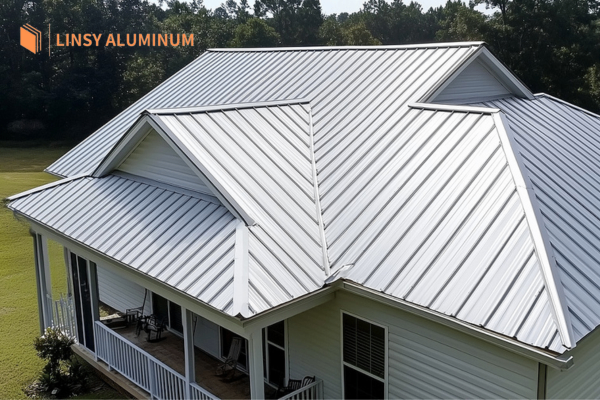
Aluminum is vital for large-scale construction, particularly for high-rise buildings, offering an excellent strength-to-weight ratio compared to steel. It enables taller, ambitious designs without the heavy weight and high costs that steel would require. Its durability and weather resistance make it ideal for roofing and siding, allowing it to withstand extreme conditions while minimizing maintenance.
Commonly Used Aluminum Grades:
2.3 Architectural Features
Aluminum offers creative freedom in art and design, enabling architects and designers to shape it into decorative and functional features, such as facade panels and custom elements. Its sleek look enhances building interiors and exteriors with various colors and textures, offering endless design options. Different alloys can achieve specific aesthetic or structural goals, allowing for the creation of unique sculptures, panels, and features that define a building’s character. Its blend of beauty and strength makes it ideal for innovative architecture.
Commonly Used Aluminum Grades:

3. Packaging: Protecting and Preserving Goods
Aluminum is vital in packaging, as it protects food and drinks in cans and foil. Its advantages include being lightweight, impermeable, and a complete barrier against light, moisture, and oxygen, thus extending shelf life without refrigeration. The following sections detail its main uses.
3.1 Beverage Cans
Beverage cans demonstrate aluminum’s versatility, being both lightweight and strong, while also being corrosion-resistant. Made mainly from aluminum alloys, they are essential for packaging that keeps products fresh and intact. Recyclable and energy-efficient to produce, they support sustainability. Aluminum in cans improves transport fuel efficiency and highlights its abundance in the Earth’s crust.
Commonly Used Aluminum Grades:

3.2 Aluminum Foil and Food Containers
Characterized by its lightweight and corrosion-resistant properties, aluminum foil is widely utilized in food packaging. The malleability of aluminum allows for versatile shapes and sizes, enhancing consumer convenience in preserving freshness. Additionally, aluminum containers are favored for their high strength and electrical conductivity, making them ideal for culinary applications. Commonly found in households and commercial settings, these products exemplify the practical applications of aluminum in everyday life, contributing to efforts in food safety and sustainability.
Commonly Used Aluminum Grades:

4. Electrical and Electronics: Powering Our Lives
Aluminum is vital in the electrical and electronics sectors, where it is used for power transmission and in consumer devices. Its high electrical conductivity, light weight, and affordability make it a preferred alternative to copper. Aluminum is used in overhead power lines and device casings, playing a crucial role in conducting electricity and providing durable, lightweight housings.
4.1 Power Lines and Cables
Aluminum is the primary material for high-voltage power lines, providing a lightweight and cost-effective alternative to copper. Despite lower conductivity, aluminum’s properties enable towers to be spaced farther apart, reducing costs. Modern power cables utilize aluminum alloys or ACSR, which combines the strength of steel with the conductivity of aluminum, enabling efficient and cost-effective transmission over long distances.
Commonly Used Aluminum Grades:

4.2 Electronics and Consumer Goods
As electronic devices become more powerful and portable, the materials used to build them must be both strong and lightweight. Aluminum fits this need perfectly, which is why it is used extensively in the manufacturing of many consumer goods. Its strength protects the delicate internal components, while its light weight makes devices easy to carry.
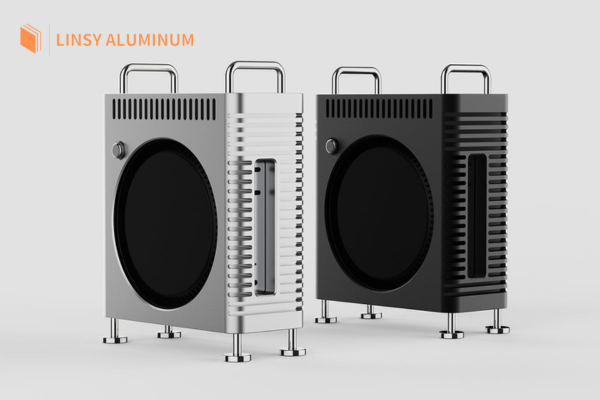
The sleek, premium finish of aluminum also adds to the aesthetic appeal of modern electronics. From smartphones to flat-screen TVs, an aluminum frame or casing signals quality and durability. It also helps dissipate heat, which is crucial for the performance of high-powered electronics.
Standard electronic devices that use aluminum include:
- Smartphones and tablets
- Laptops and computer casings
- Flat screen TVs and monitors
The affordability of aluminum allows manufacturers to create these durable, high-end products without making them prohibitively expensive.
Commonly Used Aluminum Grades:
5. Consumer Goods and Everyday Items
What are the most common uses of aluminum in everyday life? Beyond major industries, aluminum products are an integral part of our daily routines. Its versatility, strength, and appearance make it a popular material for a wide array of consumer goods.
From the cookware we use to prepare meals to the furniture in our homes, aluminum is everywhere. The following sections will highlight some of the everyday items that benefit from aluminum’s unique properties, showcasing its seamless integration into our lives.
5.1 Cookware and Appliances
Aluminum is a popular material for cookware, including pots, pans, and various cooking utensils. Its excellent thermal conductivity allows for quick and even heat distribution, which helps prevent hot spots and ensures food is cooked uniformly. This makes it a favorite among both home cooks and professional chefs.
In addition to cookware, aluminum is found in many household appliances. The frames of refrigerators, dishwashers, and dryers often contain aluminum components. Its ability to assist in efficient cooling processes is particularly beneficial in refrigerators and freezers.
Key reasons for its use in kitchens include:
- It is lightweight and easy to handle.
- It is rust-resistant and easy to clean.
- It is durable and holds up to years of wear.
Commonly Used Aluminum Grades:

5.2 Furniture and Sporting Goods
Aluminum furniture has become popular for its modern look, strength, and lightness, used in homes and offices for chairs, tables, and lamps. Its sleek appearance adds contemporary style, and despite being lightweight, it is durable and long-lasting, offering a cost-effective alternative to heavier materials. Its low melting point allows for intricate designs. In sports, aluminum is valued for its lightweight properties, used in bicycle frames, baseball bats, and tennis rackets to improve performance by balancing strength and weight.
Commonly Used Aluminum Grades:

5.3 Art and Design
Aluminum’s surprising uses extend beyond industry, especially in art and design. Its malleability and sleek finish make it a favorite for sculptures and decorative pieces, which can be polished, brushed, or anodized for different effects. Aluminum powder is even featured in paints for a metallic effect. These applications show that aluminum inspires creativity and beauty, not just industrial work.
Commonly Used Aluminum Grades:

Conclusion
Aluminum is a versatile metal with many uses across industries. Its light weight, conductivity, and corrosion resistance make it ideal for transportation, construction, and packaging, from aerospace to consumer goods. Aluminum improves performance and promotes sustainability through recyclability. Consider how its properties can enhance your projects. For personalized advice, book a free consultation with our experts.
Why Choose Linsy Aluminum
As one of the leading aluminum brands and a top supplier in China, Linsy Aluminum emphasizes quality and reliability in all its products. Our advanced aluminum factory in China manufactures high-performance aluminum alloys that satisfy the toughest industry requirements. Dedicated to excellence, we provide precision, durability, and tailored options to accommodate your specific project needs, establishing us as a trusted partner for businesses globally searching for exceptional aluminum solutions. GET A QUOTE
Frequently Asked Questions
What are the most common uses of aluminum metal in everyday life?
The most common uses of aluminum in everyday life include packaging like beverage cans and aluminum foil, consumer goods such as cookware and electronics, and transportation in cars and bicycles. You can also find many aluminum products in construction, like window frames, and in furniture.
What properties make aluminum metal so useful compared to other metals?
The key properties of aluminum that make it so useful are its high strength-to-weight ratio, making it a strong but lightweight metal. It also has excellent corrosion resistance, good electrical conductivity, high ductility, and is endlessly recyclable, setting it apart from many other metals.
How is aluminum used in the transportation industry?
In the transportation industry, this lightweight metal is used to reduce the weight of vehicles, which significantly improves fuel efficiency. It is essential in the aerospace sector for aircraft and in the automotive industry for building lighter, safer, and faster cars, trains, and ships.
Why is aluminum metal widely used in construction and buildings?
Aluminum is widely used in construction due to its durability, corrosion resistance, and high strength-to-weight ratio. It is perfect for window frames, roofing, and structural frames in skyscrapers because it is strong but light, reducing building costs and ensuring a long, low-maintenance lifespan.
What are some key advantages of using aluminum in packaging?
Key advantages of aluminum in packaging include its ability to provide a complete barrier against light, air, and moisture, preserving food freshness. It is lightweight, durable, and highly recyclable, making beverage cans and aluminum foil ideal for sustainable food packaging solutions.
How is aluminum metal used in electrical applications?
Aluminum’s good electrical conductivity and low cost make it the primary material for overhead power lines. It is also used in electronic devices, such as smartphones and laptops, for its durable, lightweight casings that also help dissipate heat, and its compounds can act as a reducing agent.
How does pure aluminum differ from aluminum alloys in their uses?
Pure aluminum is soft and highly ductile, making it ideal for products such as electrical wiring and foil. Aluminum alloys are created by adding other elements to enhance the strength of aluminum, making them suitable for structural applications such as aircraft components, car frames, and building materials.
What are the environmental benefits of using aluminum metal?
The main environmental benefit of aluminum is its high recyclability. Recycling it uses only 5% of the energy needed for primary production, drastically reducing carbon emissions and resource use. This sustainable loop helps conserve the natural supply of this element from the Earth’s crust.