Klíčové informace
- 3003 H14 je manganem zpevněná slitina řady 3000, která se snadno tvaruje a zpracovává při zachování dobré odolnosti proti korozi.
- Zpracování H14 znamená deformační zpevnění (tváření za studena) přibližně do polotvrdého stavu, což poskytuje střední pevnost bez tepelného zpracování.
- Není tepelně zpracovatelná, takže pevnost pochází z tváření za studena, nikoli z tepelného zpracování po svařování.
- Mezi běžná použití patří střešní krytiny, okapy, tepelné výměníky, palivové nádrže a obecná výroba plechů.
- Ve srovnání se slitinou 5052 se lépe tvaruje; ve srovnání se slitinou 6061 je levnější a snadněji zpracovatelná, ale nabízí nižší pevnost.
Úvod
Hliník 3003 H14 je jednou z nejpoužívanějších univerzálních hliníkových slitin. Vyvažuje střední pevnost, vynikající tvarovatelnost a dobrou odolnost proti korozi pro stavební, automobilové a výrobní aplikace.
Tento průvodce vysvětluje, co je 3003 H14, jak jeho chemické složení a zpracování H14 ovlivňují vlastnosti, kde se používá a jak se srovnává se slitinami 5052 a 6061. Pokud potřebujete materiál skladem nebo na míru, podívejte se na naši Slitina hliníku 3003 nabídku produktů.
Porozumění hliníkové slitině 3003 H14
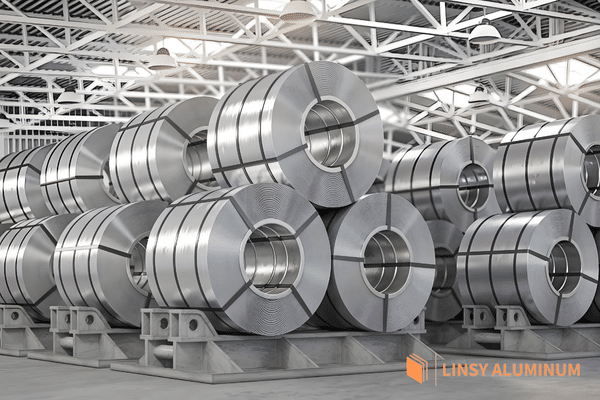
Slitina 3003 patří do řady 3000, kde je mangan hlavním legujícím prvkem. Přidaný mangan zvyšuje pevnost nad úroveň téměř čistých slitin, jako je 1100, při zachování snadného tvarování a svařování.
Označení “H14” popisuje zpracování. V označení zpracování hliníku znamená H deformační zpevnění a následující číslice popisují míru tváření za studena. H14 je přibližně polotvrdý stav, takže materiál je pevnější a tvrdší než žíhaný stav (O), ale stále snadno ohybatelný a tvarovatelný.
Chemické složení
Slitina 3003 se vyrábí podle standardních limitů chemického složení, takže kvalita zůstává konzistentní od šarže k šarži. Mangan (Mn) je klíčovou přísadou přibližně 1,0–1,5 %, a právě on zvyšuje pevnost nad úroveň čistého hliníku. Malá množství železa, křemíku, mědi a zinku jsou přítomna a ovlivňují lití, korozní chování a mechanické vlastnosti.
| Prvek | Procento (% hmotnostně) |
|---|---|
| Hliník (Al) | ~98.7% |
| Mangan (Mn) | ~1.0-1.5% |
| Měď (Cu) | ≤0,20 % |
| Křemík (Si) | ≤0,60 % |
| Železo (Fe) | ≤0,70 % |
| Zinek (Zn) | ≤0,10 % |
Klíčové vlastnosti a výhody
Hlavní výhodou slitiny 3003 H14 je tvarovatelnost. Dobře se ohýbá, odstřeďuje a taží, což zjednodušuje výrobu a rozšiřuje konstrukční možnosti. Protože ji nelze tepelně zpracovat, její pevnost pochází z tváření za studena, nikoli z tepla.
Také dobře odolává korozi, takže se hodí pro venkovní a vlhká prostředí bez dodatečných povlaků. Níže uvedená tabulka uvádí typické hodnoty vlastností.
| Majetek | Hodnota |
|---|---|
| Pevnost v tahu | ~22 000 PSI (≈152 MPa) |
| Pevnost v tahu | ~21 000 PSI (≈145 MPa) |
| Prodloužení při přetržení | ~8% |
| Hustota | ~2,73 g/cm³ |
| Tepelná vodivost | ~160 W/m·K |
| Odolnost proti korozi | Vynikající |
Co znamená teplota H14?
U hliníku termín “zpracování” popisuje stav vytvořený mechanickým nebo tepelným zpracováním. Kódy zpracování spojují písmeno s číslicemi; u řady 3000 znamenají zpracování H deformační zpevnění.
H14 znamená, že slitina byla tvářena za studena přibližně na polovinu tvrdosti plně tvrdého stavu H18. Vyšší druhá číslice znamená více tváření za studena a vyšší pevnost. Znalost zpracování pomáhá inženýrům zvolit správnou rovnováhu mezi pevností a tvarovatelností.
Běžné aplikace hliníku 3003 H14
Stavebnictví
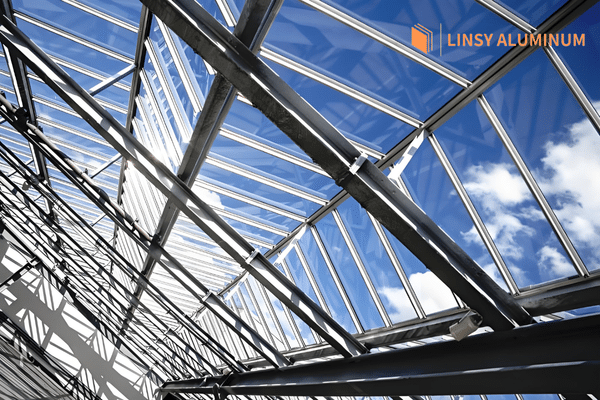
Stavebnictví potřebuje lehké materiály odolné proti korozi a slitina 3003 H14 se k tomu dobře hodí. Je široce dodávána jako Hliníkový plech 3003 pro stavební a architektonické práce.
- Střešní krytiny a obklady: nízká hmotnost snižuje zatížení konstrukce, zatímco odolnost proti povětrnostním vlivům chrání budovu.
- Okapy a svody: odolnost proti korozi zajišťuje jejich dlouhou životnost s minimální údržbou.
- Klempířské prvky a lišty: snadné tvarování umožňuje výrobcům vytvářet profily na míru, které těsní otvory.
Automobilový průmysl
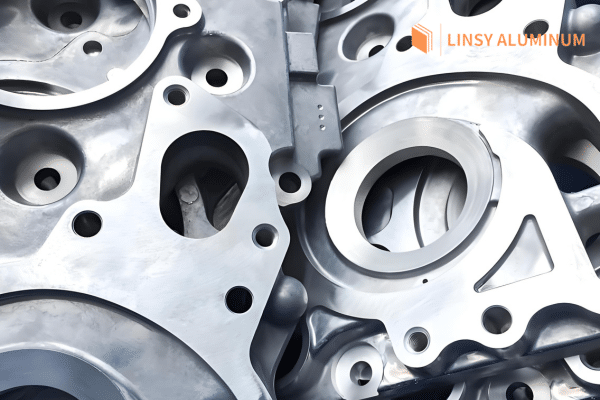
Automobilky používají slitinu 3003 H14 ke snížení hmotnosti bez vysokých nákladů. Není tak pevná jako 6061 nebo ocel, ale je ideální pro nenosné díly, které vyžadují tvarovatelnost a odolnost proti korozi.
- Chladiče a tepelné výměníky: dobrá tepelná vodivost a odolnost proti korozi jsou vhodné pro chladicí systémy. Tažené 3003 hliníková kulatá trubka je zde běžné.
- Vnitřní obložení a lišty: lehké, pevné a snadno povrchově upravitelné pro dekorativní díly.
- Palivové nádrže: nejiskřící chování zvyšuje bezpečnost palivových systémů.
Obalový průmysl
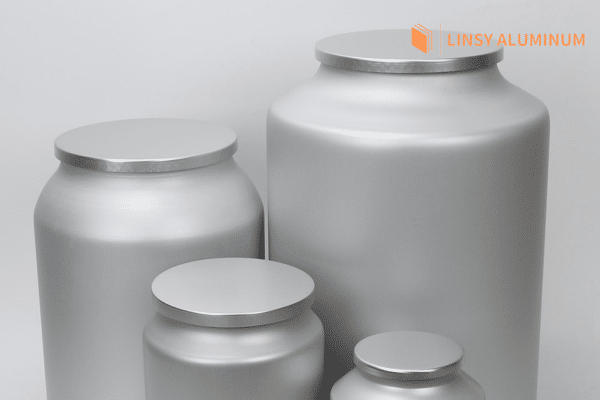
Slitina 3003 H14 je oblíbená v obalovém průmyslu, protože je pevná, tvarovatelná a odpovídá hliníkovým normám. Šířku a tloušťku lze přizpůsobit, takže se hodí pro mnoho obalových potřeb lépe než uhlíková ocel v aplikacích citlivých na hmotnost.
Výhody a nevýhody hliníku 3003 H14
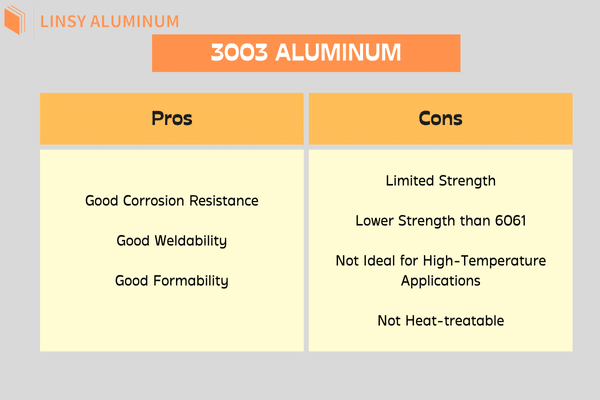
Jako každý konstrukční materiál má i slitina 3003 H14 své kompromisy. Dobře se tvaruje a svařuje, odolává korozi a má střední pevnost v tahu (přibližně 20–26 ksi). Limity spočívají v nízké pevnosti pro vysoce namáhané díly a v nemožnosti zvýšit pevnost tepelným zpracováním.
Srovnání slitiny 3003 s jinými hliníkovými slitinami
Porovnání slitiny 3003 H14 se slitinami 5052 a 6061 ukazuje, kam se řadí. Volba závisí na tom, kolik pevnosti potřebujete ve srovnání s tím, jak snadno se musí díl tvarovat.
Hliník 3003 vs. 5052
Obě slitiny, 3003 i 5052, jsou tepelně nezpracovatelné a získávají pevnost tvářením za studena. Slitina 5052 obsahuje hořčík, který poskytuje vyšší pevnost v tahu a na mezi kluzu, takže se hodí pro díly s vyšším zatížením. Slitina 3003 vítězí v tvarovatelnosti.
| Majetek | 3003 H14 | 5052 H32 |
|---|---|---|
| Pevnost v tahu | 20-26 ksi | 31-38 ksi |
| Pevnost v tahu | 21 ksi | 28 ksi |
| Prodloužení | 8% | 12% |
| Svařitelnost | Dobrý | Dobré, ale s určitými opatřeními |
| Tvarovatelnost | Vynikající | Dobrý |
Zvolte 5052, když potřebujete vyšší pevnost; zvolte 3003, když je nejdůležitější složité tvarování.
Hliník 3003 vs. 6061
Slitina 6061 je tepelně zpracovatelná, takže dosahuje vyšší pevnosti (často přes 40 ksi), ale vyžaduje kroky tepelného zpracování, které zvyšují náklady a složitost. Slitinu 3003 nelze tepelně zpracovat, což ji činí jednodušší a levnější pro aplikace se střední pevností.
Pro podrobnější srovnání si přečtěte naše srovnání 3003 vs 6061. Při výběru mezi plechovými slitinami vám náš průvodce plechy 3104 vs 3003 vs 3004 pomůže přiřadit slitinu k dané aplikaci.
Závěr
Slitina 3003 H14 je praktická univerzální slitina, ale její limity jsou reálné: nelze ji tepelně zpracovat pro zvýšení pevnosti, takže není vhodnou volbou pro vysoce namáhané konstrukční díly. Nákup od nespolehlivého dodavatele představuje riziko, protože tloušťka nebo zpracování mimo specifikaci může způsobit selhání při tvarování a svařování v dalších fázích výroby.
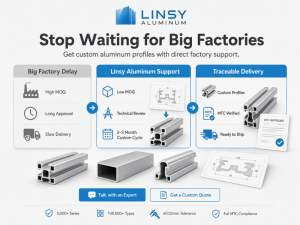
Linsy Aluminum je výrobní závod se sídlem v Shenzhenu s více než 20 lety zkušeností s dodávkami plechů, pásů, tyčí, trubek a profilů ze slitiny 3003 H14. Každá objednávka je dodávána s MTC (Material Test Certificate) a protokoly SGS jsou k dispozici na vyžádání. Díky přímým dodávkám z výroby, vlastnímu CNC obrábění, svařování a laserovému řezání, stejně jako systémům řízení ISO 9001, ISO 14001 a ISO 45001, společnost Linsy poskytuje konzistentní materiál a krátké dodací lhůty na míru 10–60 dní.
Kontaktujte společnost Linsy Aluminum ještě dnes a prodiskutujte své požadavky na slitinu 3003 H14 a vyžádejte si cenovou nabídku.
Často kladené otázky
Jaký je rozdíl mezi hliníkem 1100 a hliníkem 3003?
Slitina 1100 je téměř čistý hliník, takže je měkčí a slabší než 3003. Přidání manganu do slitiny 3003 zvyšuje pevnost a zachovává dobrou tvarovatelnost, což ji činí užitečnější pro výrobní díly.
Čím se liší 3003 H14 od ostatních hliníkových slitin?
Zpracování H14 znamená deformační zpevnění přibližně do polotvrdého stavu, takže je pevnější než žíhaný stav, ale stále snadno tvarovatelná. Její rovnováha mezi tvarovatelností, odolností proti korozi a střední pevností ji odlišuje od tepelně zpracovatelných slitin, jako je 6061.
V jakých průmyslových odvětvích se nejčastěji používá 3003 H14?
Je běžná ve stavebnictví (střešní krytiny, okapy, lišty), automobilovém průmyslu (chladiče, lišty, palivové nádrže) a obalovém průmyslu, stejně jako v obecné výrobě, kde tvarovatelnost a odolnost proti korozi hrají větší roli než vysoká pevnost.
Lze hliník 3003 H14 snadno svařovat nebo obrábět?
Slitina 3003 H14 se dobře svařuje standardním obloukovým svařováním a dobře se obrábí a řeže. Její tepelně nezpracovatelná povaha znamená, že svarové spoje si zachovávají své vlastnosti bez tepelného zpracování po svařování.