Punti salienti
- La 3003 H14 è una lega della serie 3000 rinforzata al manganese che si forma e si modella facilmente mantenendo una buona resistenza alla corrosione.
- La tempra H14 indica incrudimento (lavorazione a freddo) fino a circa metà durezza, conferendo una resistenza moderata senza trattamento termico.
- Non è trattabile termicamente, quindi la resistenza deriva dalla lavorazione a freddo piuttosto che dal trattamento termico post-saldatura.
- Gli usi comuni includono coperture, grondaie, scambiatori di calore, serbatoi di carburante e fabbricazione generale di lamiere.
- Rispetto alla 5052 si forma meglio; rispetto alla 6061 è più economica e più facile da lavorare ma offre una resistenza inferiore.
Introduzione
L'alluminio 3003 H14 è una delle leghe di alluminio per uso generale più ampiamente utilizzate. Bilancia resistenza moderata, eccellente formabilità e buona resistenza alla corrosione per applicazioni edili, automobilistiche e manifatturiere.
Questa guida spiega cos'è la 3003 H14, come la sua chimica e la tempra H14 influenzano le prestazioni, dove viene utilizzata e come si confronta con la 5052 e la 6061. Se necessiti di materiale in stock o tagliato su misura, consulta la nostra Lega di alluminio 3003 gamma di prodotti.
Comprensione della lega di alluminio 3003 H14
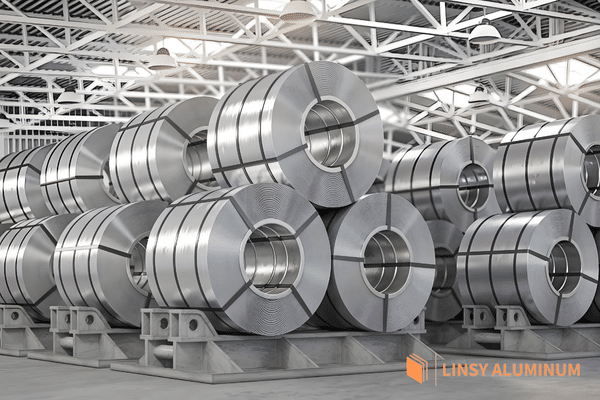
La 3003 appartiene alla serie 3000, in cui il manganese è il principale elemento di lega. L'aggiunta di manganese aumenta la resistenza rispetto a leghe quasi pure come la 1100, mantenendo al contempo la lega facile da formare e saldare.
La parte “H14” descrive la tempra. Nelle designazioni di tempra dell'alluminio, H indica incrudimento e le cifre successive descrivono la quantità di lavorazione a freddo applicata. H14 corrisponde approssimativamente a metà durezza, quindi il materiale è più resistente e più duro della condizione ricotta (O) ma ancora facile da piegare e modellare.
Composizione chimica
La 3003 è prodotta secondo limiti di composizione standard, quindi la qualità rimane costante da lotto a lotto. Il manganese (Mn) è l'aggiunta chiave a circa 1,0-1,5% ed è ciò che eleva la resistenza rispetto all'alluminio puro. Sono presenti piccole quantità di ferro, silicio, rame e zinco che influenzano la colata, il comportamento alla corrosione e le proprietà meccaniche.
| Elemento | Percentuale (% in peso) |
|---|---|
| Alluminio (Al) | ~98.7% |
| Manganese (Mn) | ~1.0-1.5% |
| Rame (Cu) | ≤0,20% |
| Silicio (Si) | ≤0,60% |
| Ferro (Fe) | ≤0,70% |
| Zinco (Zn) | ≤0,10% |
Proprietà e vantaggi principali
Il principale vantaggio della 3003 H14 è la formabilità. Si piega, si imbutisce e si trafila bene, semplificando la produzione e ampliando le scelte progettuali. Poiché non può essere trattata termicamente, la sua resistenza deriva dalla lavorazione a freddo piuttosto che dal calore.
Resiste inoltre bene alla corrosione, quindi è adatta ad ambienti esterni e umidi senza rivestimenti aggiuntivi. La tabella seguente elenca i valori tipici delle proprietà.
| Proprietà | Valore |
|---|---|
| Resistenza alla trazione | ~22.000 PSI (≈152 MPa) |
| Resistenza allo snervamento | ~21.000 PSI (≈145 MPa) |
| Allungamento a rottura | ~8% |
| Densità | ~2,73 g/cm³ |
| Conduttività termica | ~160 W/m·K |
| Resistenza alla corrosione | Eccellente |
Cosa significa la temperatura H14?
Nell'alluminio, “tempra” descrive la condizione prodotta da trattamento meccanico o termico. I codici di tempra abbinano una lettera a cifre; per la serie 3000, le tempra H significano incrudimento.
H14 significa che la lega è stata lavorata a freddo fino a circa metà della durezza di una tempra H18 completamente dura. Una seconda cifra più alta indica più lavorazione a freddo e maggiore resistenza. Conoscere la tempra aiuta gli ingegneri a scegliere il giusto equilibrio tra resistenza e formabilità.
Applicazioni comuni dell'alluminio 3003 H14
Industria delle costruzioni
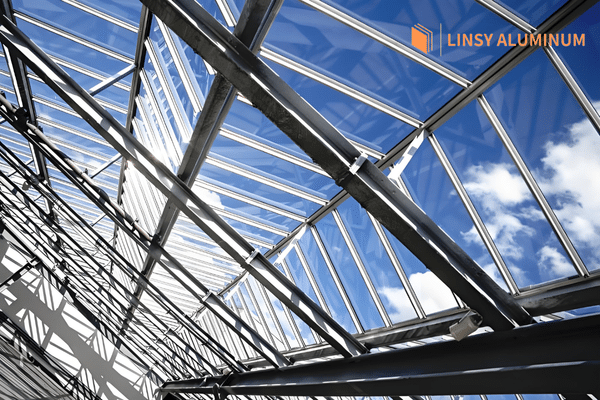
L'edilizia richiede materiali leggeri e resistenti alla corrosione, e la 3003 H14 si adatta bene. È ampiamente fornita come 3003 lamiera di alluminio per lavori edili e architettonici.
- Coperture e rivestimenti: il basso peso riduce il carico strutturale mentre la resistenza agli agenti atmosferici protegge l'edificio.
- Grondaie e pluviali: la resistenza alla corrosione garantisce anni di funzionamento con poca manutenzione.
- Scossaline e finiture: la facile formatura consente ai fabbricatori di creare profili personalizzati che sigillano le aperture.
Industria automobilistica
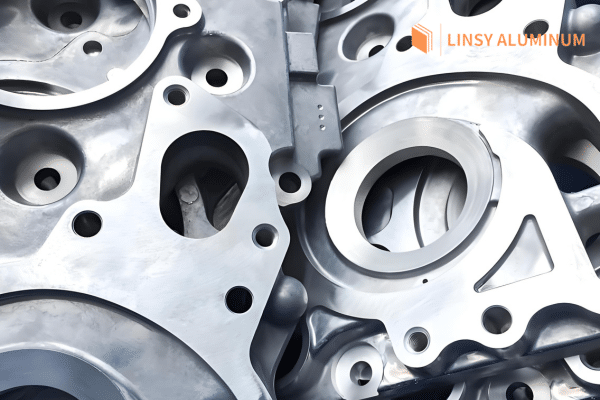
I produttori automobilistici utilizzano la 3003 H14 per ridurre il peso senza costi elevati. Non è resistente come la 6061 o l'acciaio, ma è ideale per parti non strutturali che richiedono formabilità e resistenza alla corrosione.
- Radiatori e scambiatori di calore: la buona conducibilità termica e la resistenza alla corrosione sono adatte ai sistemi di raffreddamento. La trafilata Tubo tondo in alluminio 3003 è comune in questo ambito.
- Finiture interne e modanature: leggere, resistenti e facili da rifinire per parti decorative.
- Serbatoi del carburante: il comportamento non scintillante aggiunge sicurezza ai sistemi di carburante.
Industria dell'imballaggio
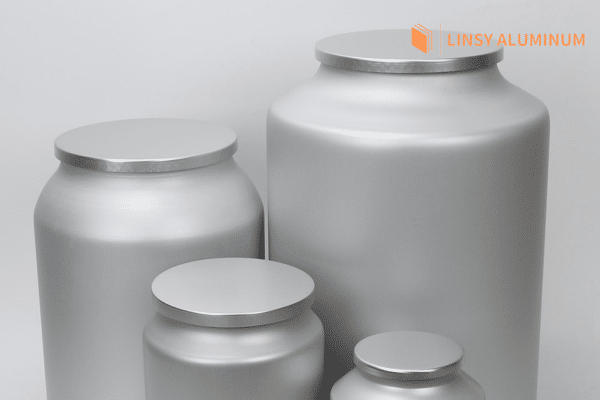
La 3003 H14 è popolare negli imballaggi perché è resistente, formabile e conforme agli standard dell'alluminio. Larghezza e spessore possono essere personalizzati, quindi si adatta a molte esigenze di imballaggio meglio dell'acciaio al carbonio nelle applicazioni sensibili al peso.
Pro e contro dell'alluminio 3003 H14
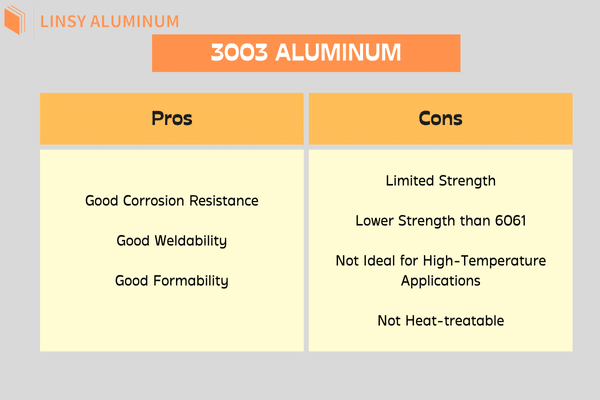
Come qualsiasi materiale ingegneristico, la 3003 H14 presenta compromessi. Si forma e si salda facilmente, resiste alla corrosione e ha una resistenza a trazione moderata (circa 20-26 ksi). I limiti sono la bassa resistenza per parti altamente sollecitate e l'impossibilità di aumentare la resistenza tramite trattamento termico.
Confronto della 3003 con altre leghe di alluminio
Osservare la 3003 H14 accanto alla 5052 e alla 6061 mostra dove si colloca. La scelta dipende da quanta resistenza è necessaria rispetto a quanto facilmente la parte deve formarsi.
Alluminio 3003 vs. 5052
Sia la 3003 che la 5052 non sono trattabili termicamente e acquisiscono resistenza tramite lavorazione a freddo. La 5052 aggiunge magnesio, che conferisce maggiore resistenza a trazione e snervamento, quindi è adatta a parti con carichi più pesanti. La 3003 vince in formabilità.
| Proprietà | 3003 H14 | 5052 H32 |
|---|---|---|
| Resistenza alla trazione | 20-26 ksi | 31-38 ksi |
| Resistenza allo snervamento | 21 ksi | 28 ksi |
| Allungamento | 8% | 12% |
| Saldabilità | Buono | Buono, ma con alcune precauzioni |
| Formabilità | Eccellente | Buono |
Scegli la 5052 quando necessiti di maggiore resistenza; scegli la 3003 quando la formatura complessa è la priorità.
Alluminio 3003 vs. 6061
La 6061 è trattabile termicamente, quindi raggiunge resistenze più elevate (spesso oltre 40 ksi) ma richiede fasi di trattamento termico che aumentano costi e complessità. La 3003 non può essere trattata termicamente, il che la mantiene più semplice ed economica per applicazioni a resistenza moderata.
Per un confronto più approfondito, leggi il nostro confronto 3003 vs 6061. Quando si scelgono leghe in lamiera, la nostra guida alle lamiere 3104 vs 3003 vs 3004 ti aiuta ad abbinare la lega all'applicazione.
Conclusione
La 3003 H14 è una lega pratica per uso generale, ma i suoi limiti sono reali: non può essere trattata termicamente per aumentare la resistenza, quindi non è la scelta giusta per parti strutturali altamente sollecitate. Approvvigionarsi da un fornitore incoerente aggiunge rischio, poiché spessori o tempre fuori specifica possono compromettere formatura e saldatura a valle.
Linsy Aluminum è una fabbrica con sede a Shenzhen con oltre 20 anni di esperienza nella fornitura di piastre, lamiere, barre, tubi e profilati in 3003 H14. Ogni ordine viene spedito con un MTC (Certificato di Prova dei Materiali), e i rapporti di prova SGS sono disponibili su richiesta. Con fornitura diretta dalla fabbrica, lavorazione CNC interna, saldatura e taglio laser, oltre ai sistemi di gestione ISO 9001, ISO 14001 e ISO 45001, Linsy garantisce materiale costante e tempi di consegna personalizzati brevi di 10-60 giorni.
Contatta oggi Linsy Aluminum per discutere i tuoi requisiti per la 3003 H14 e richiedere un preventivo.
Domande frequenti
Qual è la differenza tra l'alluminio 1100 e l'alluminio 3003?
La 1100 è alluminio quasi puro, quindi è più morbida e più debole della 3003. L'aggiunta di manganese nella 3003 aumenta la resistenza e mantiene una buona formabilità, rendendola più utile per parti fabbricate.
Cosa distingue la 3003 H14 dalle altre leghe di alluminio?
La tempra H14 significa incrudimento fino a circa metà durezza, quindi è più resistente della condizione ricotta ma ancora facile da formare. Il suo equilibrio tra formabilità, resistenza alla corrosione e resistenza moderata la distingue dalle leghe trattabili termicamente come la 6061.
In quali settori industriali è più comunemente utilizzato il 3003 H14?
È comune nell'edilizia (coperture, grondaie, finiture), nell'automotive (radiatori, finiture, serbatoi di carburante) e negli imballaggi, oltre che nella produzione generale dove formabilità e resistenza alla corrosione contano più dell'elevata resistenza.
L'alluminio 3003 H14 può essere saldato o lavorato facilmente?
La 3003 H14 si salda facilmente con la saldatura ad arco standard e si lavora e taglia in modo pulito. La sua natura non trattabile termicamente significa che i giunti saldati mantengono le loro proprietà senza trattamento termico post-saldatura.