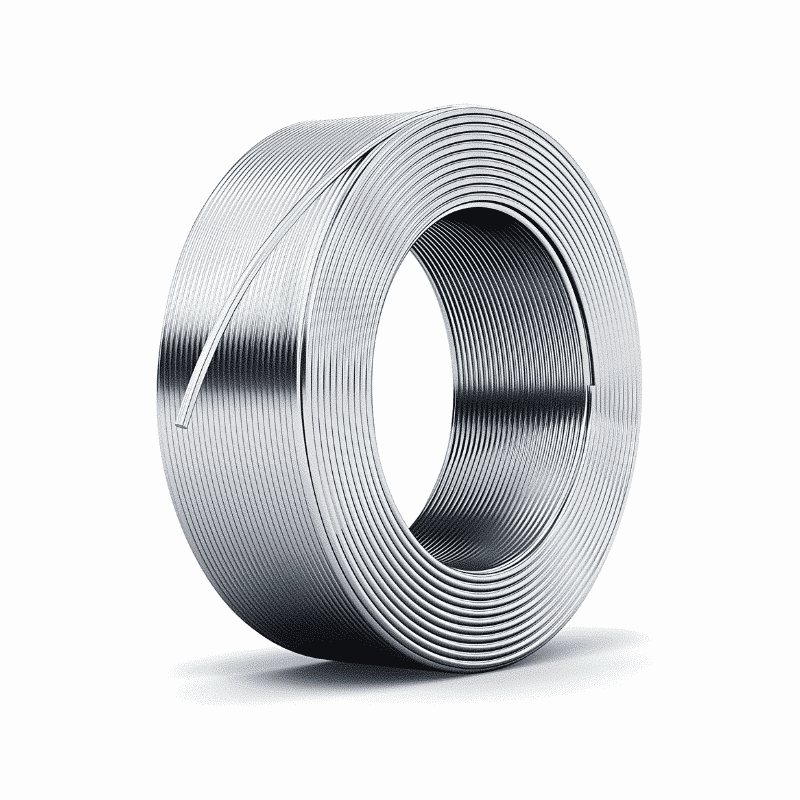
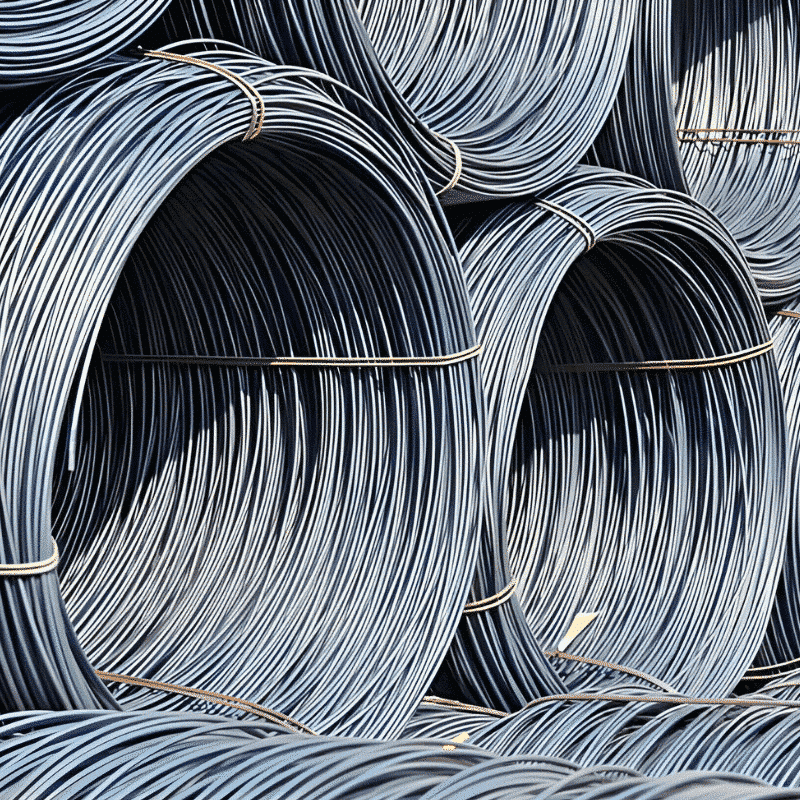


Společnost Linsy Aluminum dodává drát z hliníkové slitiny o průměru 0,8–20 mm v celém rozsahu řad 1000 až 8000. Každá řada slitin je k dispozici v různých hmotnostech cívek a stavech zpracování, od měkkého drátu pro vodiče ve stavu O až po vysoce pevný drát pro letecké spojovací prvky ve stavech T6 a T73. Nabízíme vlastní průměr, stav zpracování, hmotnost cívky a povrchovou úpravu dle vašich výrobních požadavků. Ať už potřebujete elektrický vodič ze slitiny 1350, nýtovací drát pro námořní průmysl ze slitiny 5056, vysoce pevný spojovací drát ze slitiny 2024 nebo přídavný svařovací drát ze slitiny 4043, naše továrna v Šen-čenu dodává s kompletní dokumentací MTC.
Řady slitin: 1000 / 2000 / 3000 / 4000 / 5000 / 6000 / 7000 / 8000
Rozsah průměrů: 0,8–20 mm
Běžné typy povah: O / F / H14 / H18 / H32 / H34 / H111 / T3 / T4 / T6 / T651 / T73
Hmotnost cívky: Vlastní od 10–500 kg na cívku
Podpora zpracování: Rovnání / řezání na délku / navíjení na cívky / vlastní balení
Dokumenty týkající se kvality: Ke každé objednávce zpráva MTC; zkušební protokoly SGS na vyžádání
Drát z hliníkové slitiny je tažený nebo válcovaný drátěný výrobek vyrobený ze tvářecích hliníkových slitin. Kombinuje inherentní výhody hliníku – nízkou hmotnost, odolnost proti korozi a elektrickou vodivost – s vlastnostmi specifickými pro danou slitinu, jako je vysoká pevnost, tvařitelnost nebo svařitelnost v závislosti na zvolené řadě slitiny.
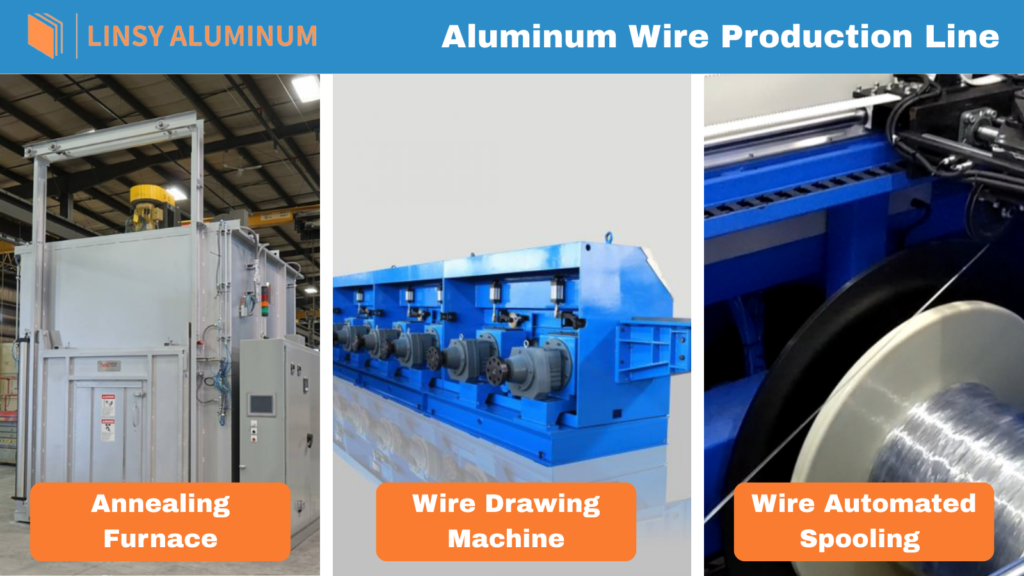
Společnost Linsy vyrábí hliníkový drát v celém spektru řad 1000–8000. Drát je k dispozici v cívkách, na kotoučích nebo řezaný na rovné délky. Běžné průměry se pohybují od 0,8 mm do 20 mm, s možností vlastních rozměrů a hmotností cívek na vyžádání. Typické aplikace zahrnují elektrické vodiče, spojovací prvky (nýty, šrouby, matice), přídavný svařovací drát, letecké konstrukční součásti, námořní vybavení a automobilové díly.
Společnost Linsy dodává drát z hliníkové slitiny v sedmi rodinách slitin. Každá řada je vhodná pro různé aplikace na základě svého profilu pevnosti, vodivosti, odolnosti proti korozi a tvařitelnosti. Pro úplné tabulky chemického složení a mechanických vlastností přejděte na jednotlivé stránky produktů drátů ze slitin.
Komerčně čistý hliník (min. 99,0 % Al). Nezpracovatelný tepelným zpracováním. Vynikající elektrická vodivost, vysoká tvařitelnost a silná odolnost proti korozi. Široce používán pro elektrické vodiče, vinutí transformátorů a univerzální spojovací prvky.
| Slitina | Čistota Al (min.) | Běžné stavy zpracování | Průměr (mm) |
|---|---|---|---|
| 1050 | 99.5% | O, H14 | 0,8–12 |
| 1060 | 99.6% | O, H14 | 0,8–12 |
| 1070 | 99.7% | O, H14 | 0,8–12 |
| 1100 | 99.0% | O, H14, H18 | 0,8–12 |
| 1350 | 99.5% | O, H14, H19 | 0,8–12 |
Slitiny hliníku a mědi. Tepelně zpracovatelné pro dosažení vysoké pevnosti. Používá se tam, kde je kritický poměr pevnosti k hmotnosti – letecké spojovací prvky, nýty a konstrukční součásti. K dispozici jsou možnosti Alclad pro zlepšenou ochranu proti korozi.
| Slitina | Klíčová vlastnost | Běžné stavy zpracování | Průměr (mm) |
|---|---|---|---|
| 2007 | Dobrá obrobitelnost, vhodné pro spojovací prvky | T3, T4 | 0,8–12 |
| 2014 | Vysoká pevnost, letecká kvalita | O, T4, T6, T651 | 0,8–12 |
| 2017 | Vysoká pevnost, nýtovací kvalita | O, T4, T451 | 0,8–12 |
| 2024 | Velmi vysoká pevnost, odolný proti únavě | O, T3, T4, T351, T851 | 0,8–12 |
| 2219 | Pevnost při vysokých teplotách, svařitelný | O, T6, T851 | 0,8–12 |
Slitiny hliníku a manganu. Nezpracovatelné tepelným zpracováním se střední pevností a vynikající odolností proti korozi. Ideální pro univerzální drát, spony a spojovací prvky, kde záleží na tvařitelnosti.
| Slitina | Klíčová vlastnost | Běžné stavy zpracování | Průměr (mm) |
|---|---|---|---|
| 3003 | Univerzální, vynikající tvařitelnost | O, H14, H18, H22 | 0,8–12 |
| 3004 | Vyšší pevnost než 3003 | O, H14, H18 | 0,8–12 |
| 3103 | Evropský ekvivalent 3003 | O, H14, H18 | 0,8–12 |
| 3104 | Podobné jako 3004, materiál pro výrobu plechovek | O, H14, H18 | 0,8–12 |
Slitiny hliníku a křemíku s nízkým bodem tání a dobrými tokovými vlastnostmi. Používá se primárně jako přídavný drát pro svařování a pájení, nikoli pro konstrukční aplikace.
| Slitina | Klíčová vlastnost | Běžné stavy zpracování | Průměr (mm) |
|---|---|---|---|
| 4005 | Pájecí přídavek, nízký bod tání | O, F | 0,8–6 |
| 4043 | Univerzální svařovací přídavek (ER4043) | O, F | 0,8–6 |
| 4047 | Vysokokřemíkový pájecí přídavek | O, F | 0,8–6 |
Slitiny hliníku a hořčíku. Nezpracovatelné tepelným zpracováním s vynikající odolností proti korozi, zejména v mořském prostředí. Používá se pro nýty, spojovací prvky a svařovací drát v lodním stavitelství, offshore a chemickém zpracování.
| Slitina | Klíčová vlastnost | Běžné stavy zpracování | Průměr (mm) |
|---|---|---|---|
| 5019 | Střední pevnost, dobrá svařitelnost | O, H14, H18 | 0,8–12 |
| 5052 | Vynikající odolnost proti korozi, námořní kvalita | O, H32, H34 | 0,8–12 |
| 5056 | Vyšší pevnost, nýtovací kvalita (ER5056) | O, H32, H34 | 0,8–12 |
| 5082 | Velmi vysoký obsah Mg, vynikající odolnost proti korozi | O, H18, H38, H111 | 0,8–12 |
| 5083 | Nejvyšší pevnost bez tepelného zpracování, námořní | O, H32, H111, H116 | 0,8–12 |
Slitiny hliníku, hořčíku a křemíku. Tepelně zpracovatelné se střední až vysokou pevností a dobrou odolností proti korozi. Nejuniverzálnější rodina slitin pro konstrukční, automobilové a všeobecné strojírenské drátěné aplikace.
| Slitina | Klíčová vlastnost | Běžné stavy zpracování | Průměr (mm) |
|---|---|---|---|
| 6005 | Kvalita pro vytlačování, konstrukční | T5, T6 | 0,8–12 |
| 6013 | Vysoká tvařitelnost, letecká kvalita | O, T4, T6 | 0,8–12 |
| 6026 | Dobrá obrobitelnost, bezolovnatá alternativa | T6, T651, T9 | 0,8–12 |
| 6060 | Dobrý povrch, kvalita pro vytlačování | O, T4, T5, T6 | 0,8–12 |
| 6061 | Nejuniverzálnější řada 6000, obecné strojírenství | O, T4, T6, T651, T6511 | 0,8–20 |
Slitiny hliníku a zinku. Tepelně zpracovatelné na nejvyšší úrovně pevnosti ze všech rodin hliníkových slitin. Používají se tam, kde je vyžadován maximální poměr pevnosti k hmotnosti – letecké spojovací prvky, obranné komponenty a vysoce namáhané konstrukční díly.
| Slitina | Klíčová vlastnost | Běžné stavy zpracování | Průměr (mm) |
|---|---|---|---|
| 7005 | Svařitelná vysokopevnostní, konstrukční | T6, T651 | 0,8–12 |
| 7050 | Vysoká pevnost se zlepšenou houževnatostí | T6, T651, T74, T7451 | 0,8–12 |
| 7075 | Nejpevnější hliníková slitina | O, T6, T651, T73, T7351 | 0,8–12 |
| 7175 | Varianta slitiny 7075 s vysokou čistotou, zlepšená houževnatost | T6, T651, T74 | 0,8–12 |
Hliníkový drát Linsy je vyráběn podle mezinárodních norem a je k dispozici v široké škále stavů zpracování a povrchových úprav. Každá zásilka je dodávána s certifikátem materiálových zkoušek (MTC) potvrzujícím slitinu, stav zpracování, chemické složení a mechanické vlastnosti.
| Standardní | Rozsah |
|---|---|
| ASTM B211 | Válcované nebo za studena dokončené tyče, pruty a dráty z hliníku a hliníkových slitin |
| ASTM B316 | Nýtovací dráty a tyče z hliníku a hliníkových slitin pro tváření za studena |
| ASTM B230 | Hliníkový drát 1350-H19 pro elektrotechnické účely |
| EN 573 | Hliník a hliníkové slitiny – chemické složení a tvar tvářených výrobků |
| CS 485 | Hliník a hliníkové slitiny – plechy, pásy a desky |
| GB/T 3190 | Tvářený hliník a hliníkové slitiny – chemické složení |
| AWS A5.10 | Holé svařovací elektrody a dráty z hliníku a hliníkových slitin |
| AMS 4182 | Drát z hliníkové slitiny (5056) pro nýty |
| Temperament | Popis | Typické řady slitin |
|---|---|---|
| O | Žíhaný (nejměkčí stav) | Všechny řady |
| F | Ve stavu po výrobě (bez zvláštní kontroly) | 4000 (přídavný drát) |
| H14 | Tvářený za studena, polotvrdý | 1000, 3000, 5000 |
| H18 | Tvářený za studena, plně tvrdý | 1000, 3000, 5000 |
| H32 | Tvářený za studena a stabilizovaný, čtvrt tvrdý | 5000 |
| H34 | Tvářený za studena a stabilizovaný, polotvrdý | 5000 |
| H111 | Žíhaný a mírně tvářený za studena | 5000 |
| H116 | Tvářený za studena, speciální odolnost proti korozi | 5000 (námořní) |
| T3 | Rozpouštěcím žíhán, tvářen za studena, přirozeně vytvrzen | 2000 |
| T4 | Tepelně ošetřeno roztokem a přirozeně zrající | 2000, 6000 |
| T5 | Ochlazen ze zvýšené teploty a uměle vytvrzen | 6000 |
| T6 | Tepelně ošetřeno roztokem a uměle stárnuto | 2000, 6000, 7000 |
| T651 | Rozpouštěcím žíhán, odlehčen napětím tažením, uměle vytvrzen | 2000, 6000, 7000 |
| T73 | Rozpouštěcím žíhán a přestárnut pro odolnost proti koroznímu praskání pod napětím | 7000 |
| T7351 | Rozpouštěcím žíhán, odlehčen napětím, přestárnut | 7000 |
Standardní průměry hliníkového drátu se pohybují od 0,8 mm do 20 mm, s tolerancí průměru ±0,05 mm pro průměry do 6 mm a ±0,08 mm pro větší průměry. Nestandardní průměry mimo tento rozsah mohou být k dispozici na vyžádání.
| Série Alloy | Standardní rozsah průměrů | Typická hmotnost cívky |
|---|---|---|
| Řada 1000 | 0,8–12 mm | 10–500 kg |
| Řada 2000 | 0,8–12 mm | 10–300 kg |
| Řada 3000 | 0,8–12 mm | 10–500 kg |
| Řada 4000 (přídavný) | 0,8–6 mm | 5–100 kg |
| Řada 5000 | 0,8–12 mm | 10–500 kg |
| Řada 6000 | 0,8–20 mm | 10–500 kg |
| Řada 7000 | 0,8–12 mm | 10–300 kg |
| Typ balení | Popis |
|---|---|
| Cívky (plastové/dřevěné) | Pro automatické podávání v CNC nebo nýtovacích strojích; 5–100 kg |
| Svazky (očkem nahoru nebo očkem ke stěně) | Standardní průmyslové balení; 10–500 kg |
| Rovné délky | Nařezáno na specifikovanou délku; svázáno a paletizováno |
| Balení na zakázku | Štítky s laserovým popisem, vakuově uzavřeno, exportní dřevěné bedny nebo palety |
Výběr správného temperování pro váš hliníkový drát závisí na tvářecí operaci, požadavcích na pevnost a na tom, zda bude díl po tváření podroben tepelnému zpracování. Použijte níže uvedenou tabulku jako rychlý přehled.
| Aplikace | Doporučená řada | Doporučené temperování |
|---|---|---|
| Elektrické vodiče (nadzemní/podzemní) | 1000 (1350, 1050) | H14, H19 |
| Za studena tvářené spojovací prvky a nýty (tváření v temperu O) | 2000, 5000, 6000 | O (nejprve tvářet, poté případně tepelně zpracovat) |
| Vysoce pevné nýty (dodáno v hotovém stavu, bez následného tepelného zpracování) | 2000 (2024), 7000 (7075) | T4, T6 (tvářet za měkka, stárnout později) |
| Námořní a korozivzdorné spojovací prvky | 5000 (5052, 5056, 5083) | H32, H34, H111, H116 |
| Univerzální spojovací prvky a spony | 3000 (3003, 3004) | O, H14, H18 |
| Svářecí přídavný drát (MIG/TIG) | 4000 (4043), 5000 (5056) | F, O |
| CNC obráběné díly z drátu | 2000 (2011), 6000 (6026) | T3, T6, T651 |
| Letecké vysoce namáhané spojovací prvky | 7000 (7075, 7050) | T6, T73, T7351 |
Hliníkový drát řady 1000 (zejména 1350 a 1050) nabízí elektrickou vodivost přibližně 61–62 % IACS (International Annealed Copper Standard). I když je nižší než u mědi, nižší hustota hliníku znamená, že hliníkový vodič může přenášet stejný proud jako měděný vodič při zhruba poloviční hmotnosti. To je důvod, proč je hliník dominantním materiálem pro nadzemní přenosové kabely a stále častěji se specifikuje pro automobilové a letecké kabelové svazky.
Hliník přirozeně vytváří na vzduchu tenkou ochrannou vrstvu oxidu, která poskytuje dobrou odolnost proti korozi bez povlaků. Slitiny řady 5000 (5052, 5056, 5083) nabízejí nejlepší odolnost proti korozi ze všech tvářených hliníkových rodin, což z nich činí standardní volbu pro námořní spojovací prvky a pobřežní zařízení. Slitiny řady 6000 také poskytují dobrou odolnost proti korozi s další výhodou pevnosti dosažitelné tepelným zpracováním.
Hliníkový drát má přibližně jednu třetinu hustoty oceli (2,7 g/cm³ oproti 7,85 g/cm³). Tepelně zpracovaný drát řady 7000 (7075-T6) může dosáhnout pevnosti v tahu přes 570 MPa, což se vyrovná měkké oceli při hmotnosti nižší o 65 %. To činí hliníkový drát materiálem volby pro letecké spojovací prvky a konstrukční díly citlivé na hmotnost.
V temperu O (plně žíháno) je většina drátů z hliníkových slitin vysoce tvařitelná a vhodná pro za studena tvářené nýty, pěchování a ohýbání. Slitiny zpevňované tvářením (1000, 3000, 5000) zvyšují pevnost během tváření za studena, zatímco slitiny zpevňované tepelným zpracováním (2000, 6000, 7000) lze tvářet v roztokově žíhaném nebo žíhaném stavu a poté stárnout na plnou pevnost. Přídavný drát řady 4000 je určen pro tavení, nikoli pro mechanické tváření.
Drát z hliníkové slitiny se používá v průmyslových odvětvích, kde záleží na nízké hmotnosti, odolnosti proti korozi a elektrické vodivosti. Níže jsou uvedeny hlavní kategorie aplikací a řady slitin, které se pro ně obvykle specifikují.
| Aplikace | Typické slitiny | Proč hliníkový drát? |
|---|---|---|
| Elektrické vodiče a kabely | 1050, 1060, 1070, 1350 | Vysoká vodivost (61–62 % IACS), nízká hmotnost |
| Nadzemní přenosová vedení | 1350, 6201 | Vysoká pevnost + vodivost pro dlouhé rozpětí |
| Nýty a spojovací prvky (letectví) | 2017, 2024, 7075 | Maximální poměr pevnosti k hmotnosti |
| Nýty a spojovací prvky (námořní) | 5052, 5056, 5083 | Vynikající odolnost proti korozi v mořské vodě |
| Nýty a spojovací prvky (obecné) | 3003, 6061 | Dobrá rovnováha mezi pevností a cenou |
| Šrouby, matice, vruty (obráběné) | 2011, 6026, 6061 | Třídy vhodné pro obrábění pro velkosériovou výrobu |
| Svářecí přídavný drát (MIG/TIG) | 4043, 5356, 5056 | Správná metalurgická shoda se základní slitinou |
| Pájecí přídavný drát | 4005, 4047 | Nízký bod tání, dobrá tekutost |
| Pružiny a spony | 3003, 5052 | Dobré pružení, odolnost proti korozi |
| Automobilové komponenty | 6013, 6061 | Pevnost dosažitelná tepelným zpracováním, tvařitelnost |
| Letecké konstrukční vedení | 2024, 7075 | Vysoká pevnost, odolnost proti únavě |
Hliníkový drát lze dodávat v několika formách, aby vyhovoval následným výrobním procesům. Společnost Linsy nabízí následující možnosti zpracování:
Důležitá poznámka: Hliníkový drát určený pro za studena tvářené hlavičky nebo nýtování se obvykle dodává v temperovaném stavu O nebo po rozpouštěcím žíhání. Během tváření dochází k deformačnímu zpevnění drátu. Slitiny tepelně zpracovatelné (2000, 6000, 7000) by měly být po tváření vytvrzeny, aby dosáhly plné pevnosti. Slitiny nezpracovatelné tepelným zpracováním (1000, 3000, 5000) získávají pevnost pouze tvářením za studena a nelze je tepelným zpracováním zpevnit.
Každá zásilka hliníkového drátu od společnosti Linsy je dodávána s certifikátem o zkoušce materiálu (MTC), který dokumentuje následující:
Další dokumentace kvality je k dispozici na vyžádání:
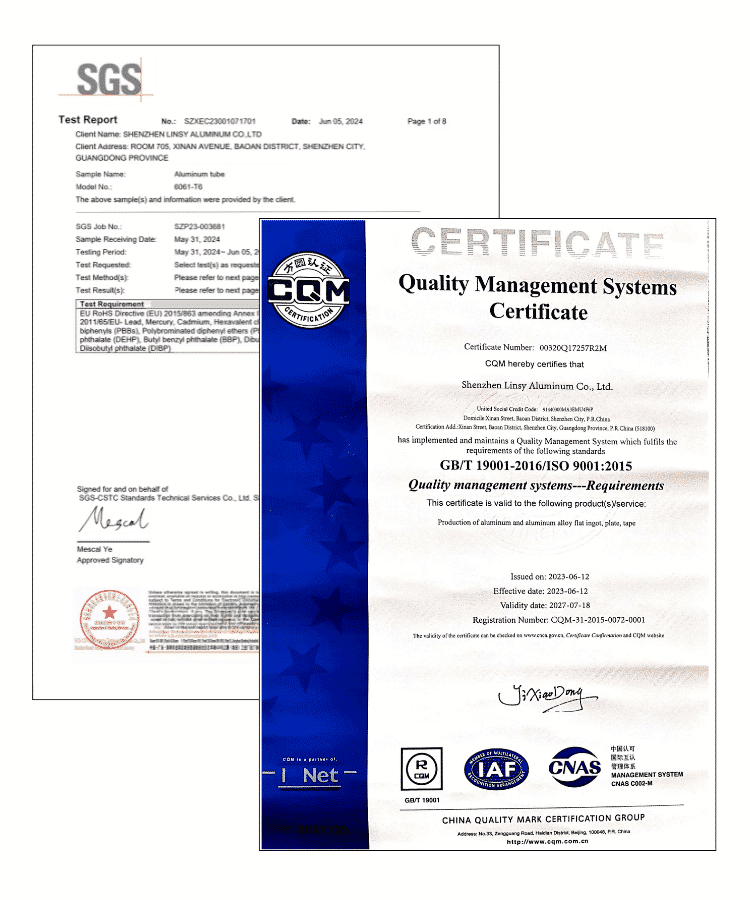
Společnost Linsy funguje v rámci systémů managementu kvality ISO 9001, environmentálního managementu ISO 14001 a managementu bezpečnosti a ochrany zdraví při práci ISO 45001.
Prohlédněte si jednotlivé stránky produktů hliníkového drátu pro podrobné údaje o chemickém složení a mechanických vlastnostech:
Minimální množství objednávky se liší podle slitiny a průměru. Univerzální slitiny (řady 1000, 3000, 6000) mají obvykle nižší MOQ než slitiny pro letecké specifikace (řady 2000, 7000). Kontaktujte nás s vaší slitinou a průměrem pro konkrétní cenovou nabídku MOQ.
Průměry pod 0,8 mm mohou být k dispozici pro určité slitiny. To často vyžaduje speciální nástroje a má vyšší minimální množství objednávky. Kontaktujte náš prodejní tým a prodiskutujte své požadavky.
H14 je deformačně zpevněné temperování (1/2 tvrdé) používané u slitin nezpracovatelných tepelným zpracováním, jako jsou řady 1000, 3000 a 5000. T6 je temperování rozpouštěcím žíháním a umělým stárnutím používané u tepelně zpracovatelných slitin, jako jsou řady 2000, 6000 a 7000. Slitiny s H-temperem získávají pevnost pouze tvářením za studena; slitiny s T-temperem získávají pevnost precipitačním vytvrzováním.
Ano. Dodáváme drát z řady 4000 (4043, 4047) a řady 5000 (5356, 5056) jako svařovací přídavný materiál. Přídavný drát je dodáván čistý, odmaštěný a vrstveně navinutý pro konzistentní podávání při MIG a TIG svařování. Průměry typicky 0,8–6 mm.
Ano. Slitiny řady 5000 (5052, 5056, 5083) nabízejí vynikající odolnost proti korozi v námořních a průmyslových atmosférách. Jsou standardní volbou pro námořní spojovací materiál, pobřežní hardware a pobřežní infrastrukturu. Ostatní řady (1000, 3000, 6000) mají také dobrou odolnost proti atmosférické korozi.
Ano. Většinu hliníkových slitin lze eloxovat, i když kvalita anodické vrstvy se liší podle slitiny. Řady 5000 a 6000 poskytují nejlepší eloxované povrchové úpravy. Slitiny řad 2000 a 7000 (vysoký obsah mědi/zinku) mohou poskytovat tmavší nebo méně rovnoměrné eloxované vrstvy.
Výběr závisí na třech faktorech: požadovaná pevnost, korozní prostředí a zda je možné tepelné zpracování po tváření. Pro maximální pevnost (letectví) zvolte 2024 nebo 7075. Pro odolnost proti korozi (námořní) zvolte 5052 nebo 5056. Pro univerzální použití zvolte 3003 nebo 6061. Kontaktujte naše inženýry pro konkrétní aplikační poradenství.
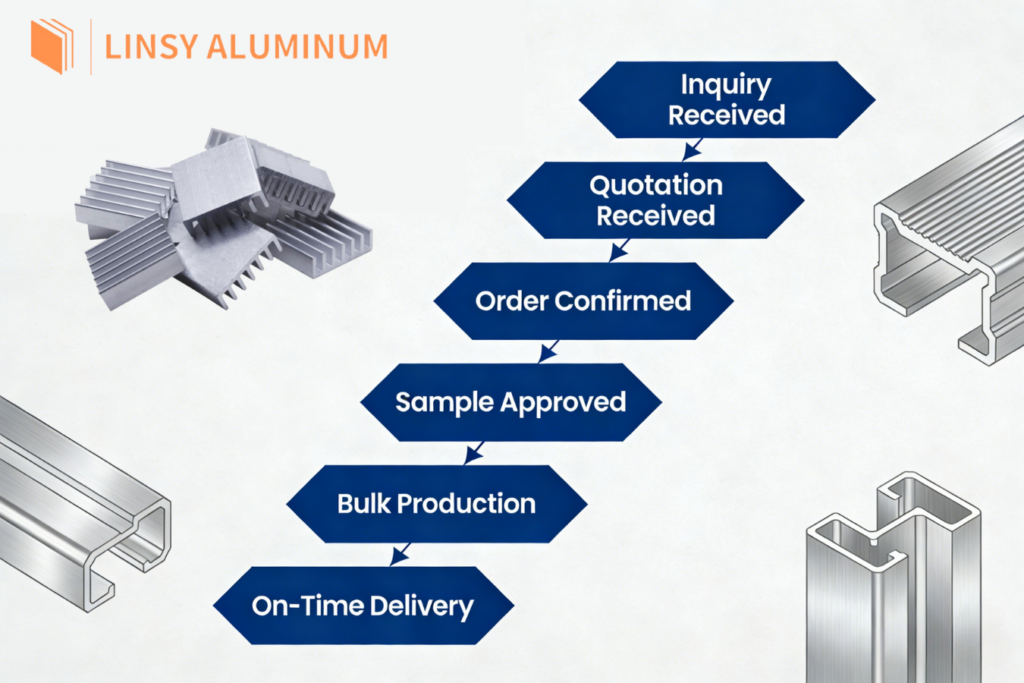
Náš tým obvykle poskytuje cenové nabídky do 24 hodin pro standardní slitiny a rozměry. Vlastní nebo nestandardní specifikace mohou vyžadovat delší dobu pro stanovení ceny.
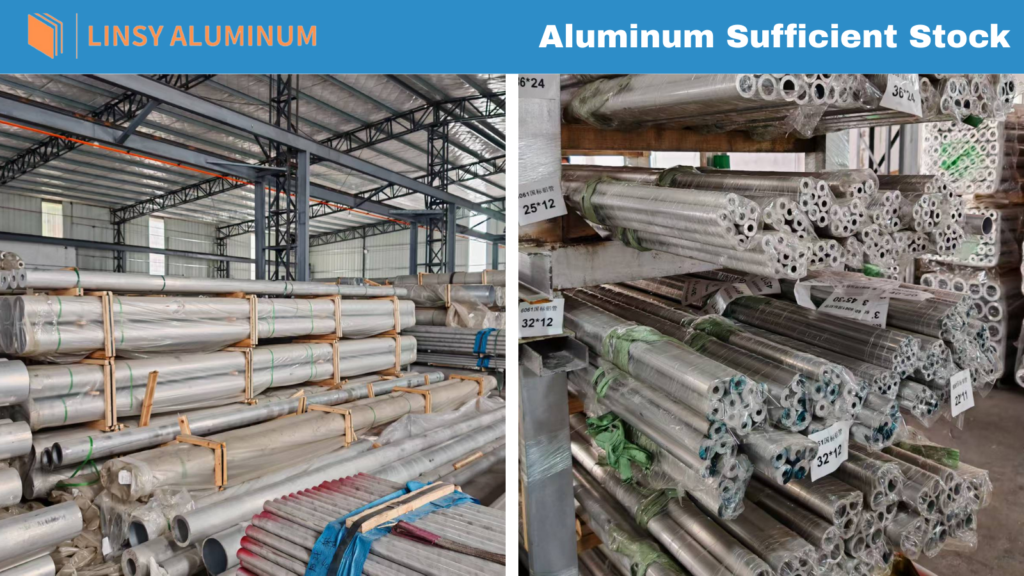
Dodací lhůty závisí na slitině, množství a aktuálních výrobních plánech. Typická vlastní dodací lhůta je 10–60 dní. Skladové položky mohou být odeslány dříve. Dodací lhůty potvrzujeme ve fázi cenové nabídky.
Každá objednávka je odeslána s certifikátem o zkoušce materiálu (MTC) dokumentujícím slitinu, temperování, chemické složení a mechanické vlastnosti. Zkušební protokoly třetí strany SGS jsou k dispozici na vyžádání.
Drát je dodáván v cívkách, na cívkách nebo jako rovné délky podle vašich požadavků. Exportní balení zahrnuje ochranné obaly, opatření proti vlhkosti a dřevěné bedny nebo palety vhodné pro námořní přepravu.
Vlastní specifikace mohou být možné v závislosti na slitině a množství. Kontaktujte náš technický tým a prodiskutujte své konkrétní požadavky. Upozorňujeme, že vlastní úpravy slitiny obvykle vyžadují vyšší minimální množství objednávky.
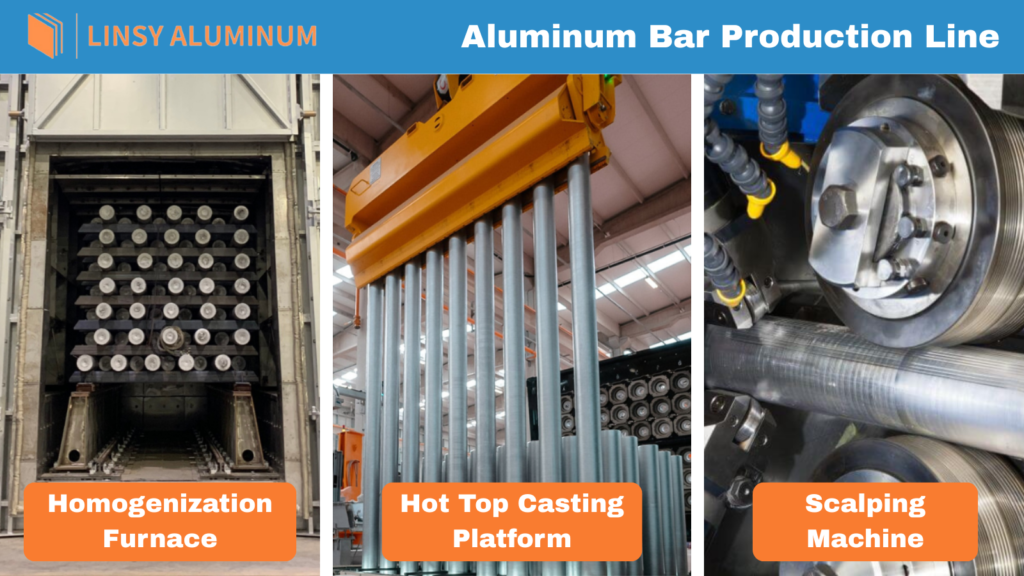
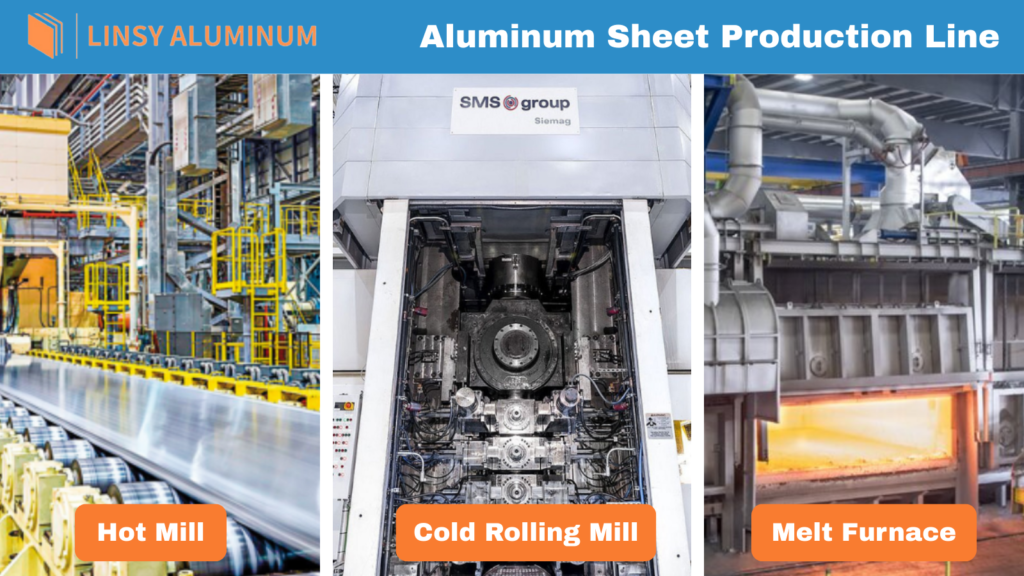
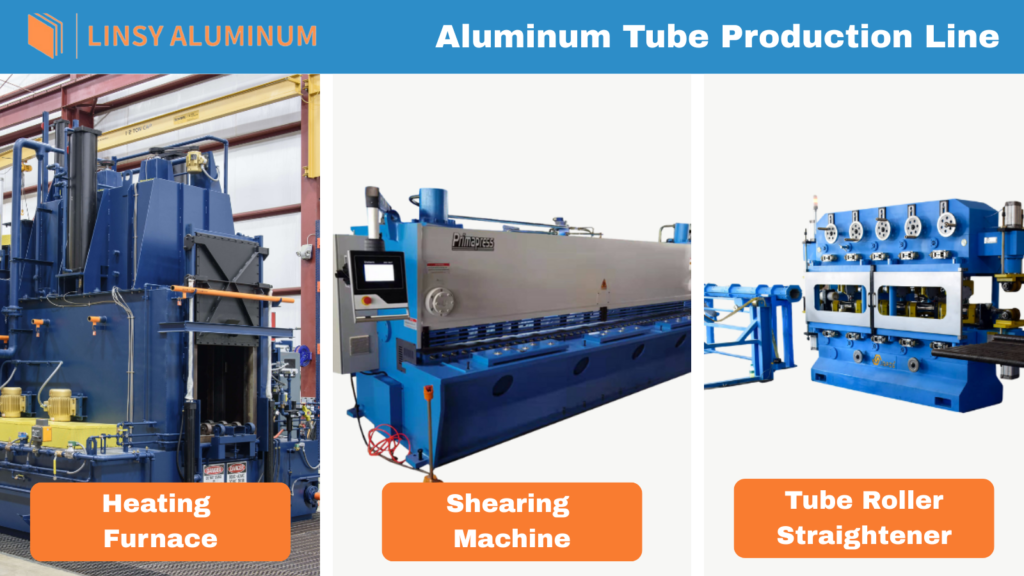
Výhody Linsy
Společnost Linsy Aluminium je předním dodavatelem výrobků pro zpracování hliníku, které slouží různým průmyslovým odvětvím včetně leteckého průmyslu, všeobecného strojírenství, automobilového průmyslu, lodního průmyslu, stavby lodí a dalších specializovaných průmyslových aplikací.
Zavázali jsme se dodržovat nejvyšší standardy kvality a odpovědnosti vůči životnímu prostředí, což dokazují naše certifikáty: ISO 9001:2008, ISO 14001:2004 a SGS.