Punti salienti
- L'alluminio 6064 è una lega di alluminio durevole e resistente al calore, nota per le sue eccellenti prestazioni in applicazioni impegnative.
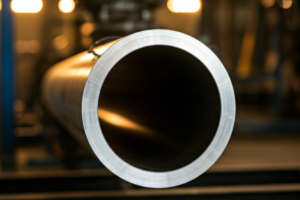
- È particolarmente indicato per componenti automobilistici quali i tubi dell'intercooler in lega di alluminio, grazie alle sue proprietà antiossidanti e antiruggine.
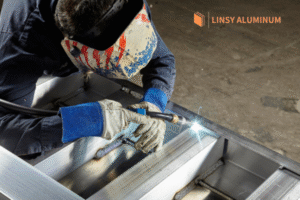
- Questa lega è stata progettata per facilitare la lavorazione, consentendo operazioni di taglio, giunzione e saldatura per progetti personalizzati.
- Sono comunemente disponibili in varie misure di diametro esterno (OD) e forme, come le curve a U, per impieghi specifici quali i sistemi di aspirazione dell'aria.
- La lega di alluminio 6064 offre un connubio affidabile tra resistenza e lavorabilità, rendendola la scelta ideale per migliorare le prestazioni.
Introduzione: La sfida nascosta dell’alluminio “sufficientemente buono” nel 2026
L’anno scorso, un marchio di apparecchiature audio di fascia alta ha rifiutato un’intera spedizione di involucri in alluminio — del valore di oltre 180.000 euro — perché la finitura anodizzata nera presentava variazioni visibili da lotto a lotto sotto l’illuminazione dello showroom. La causa principale? Avevano specificato la lega “6063”, ma il fornitore aveva consegnato una lega di qualità standard con un contenuto di ferro vicino al limite massimo.
Noi di Linsy abbiamo visto questo scenario ripetersi in diversi settori: architettura, energia solare e tecnologia di consumo. Nel 2026, “L'alluminio ”di qualità sufficiente” non è più accettabile quando la qualità della superficie definisce il vostro marchio.
Inserisci alluminio 6064—non è un nome molto conosciuto come il 6061 o il 6063, ma il L'arma segreta dell'ingegnere per un anodizzazione ad alta uniformità. Questa guida va al sodo per illustrarvi esattamente quando — e come — utilizzarlo in modo sicuro ed efficace nell'odierno mercato regolamentato e orientato alla qualità.

Che cos’è l’alluminio 6064? Composizione chimica, norme e perché la purezza è importante
alluminio 6064 è un lega di magnesio-silicio (Mg-Si) trattabile termicamente, standardizzato secondo EN 573-3 come EN AW-6064. A differenza del 6063 — che gode di un’ampia diffusione a livello mondiale — il 6064 è definito e utilizzato principalmente nelle norme europee, con un riconoscimento ASTM limitato.
La sua forza sta nel fatto che un controllo più rigoroso delle impurità, in particolare il ferro (Fe), che influisce direttamente sulla trasparenza dell'anodizzazione.
Composizione chimica tipica
| Elemento | Serie 6064 | 6063 Prassi abituale | Perché è importante |
|---|---|---|---|
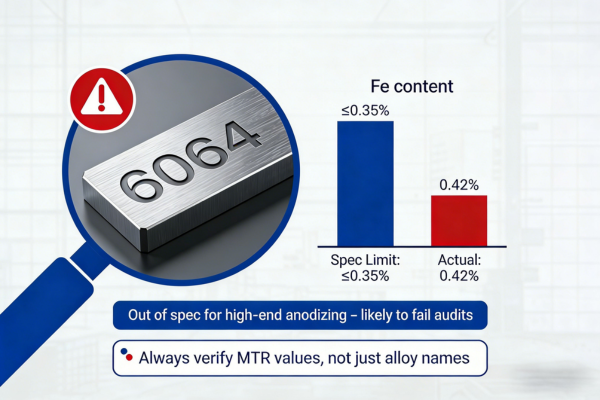
| Ferro (Fe) | ≤ 0,35% | Spesso 0,3–0,51 TP3T (anche se le specifiche indicano ≤0,351 TP3T) | Il Fe forma composti intermetallici che appaiono come macchie scure negli strati anodizzati |
| Silicio (Si) | 0.2–0.6% | 0.2–0.6% | Si combina con il magnesio per formare la fase di rinforzo Mg₂Si |
| Magnesio (Mg) | 0.4–0.9% | 0.45–0.9% | Leggermente più alto → maggiore resistenza del T6 |
| Rame (Cu) | ≤ 0,11 TP3T | ≤ 0,11 TP3T | Ridotto al minimo per evitare interferenze cromatiche |
| Mn + Cr | ≤ 0,11 TP3T totale | Spesso incontrollato | Meno particelle grossolane → crescita più uniforme dell'ossido |
📑 Per i team di qualità: Un materiale contrassegnato con “6064” e con Fe = 0,42% non è tecnicamente conforme alle specifiche e probabilmente non supererà i controlli di qualità più rigorosi relativi all’anodizzazione. Verificate sempre i valori MTR, non solo i nomi delle leghe.
Proprietà meccaniche e fisiche (tempera T6, valori tipici)
Sebbene l'alluminio 6064 non sia scelto per la sua resistenza estrema, le sue caratteristiche meccaniche lo rendono adatto alla maggior parte delle applicazioni strutturali che prevedono l'uso di profilati estrusi. Di seguito sono riportate le proprietà meccaniche tipiche che ci si può aspettare dall'alluminio 6064 nel trattamento termico T6.
| Proprietà | Valore (T6) | Implicazioni pratiche |
|---|---|---|
| Resistenza alla trazione | 290–310 MPa | ~10% più resistente del 6063-T5; adeguato per telai, staffe e percorsi di carico non critici |
| Resistenza allo snervamento | 250–270 MPa | Buona resistenza alla deformazione permanente |
| Allungamento | ≥8% | Adatto alla piegatura o alla formatura post-estrusione |
| Densità | 2,70 g/cm³ | Standard per le leghe di alluminio |
| Conduttività termica | ~167 W/m·K | Adatto a profili di raffreddamento passivo (ad es. alloggiamenti per LED) |
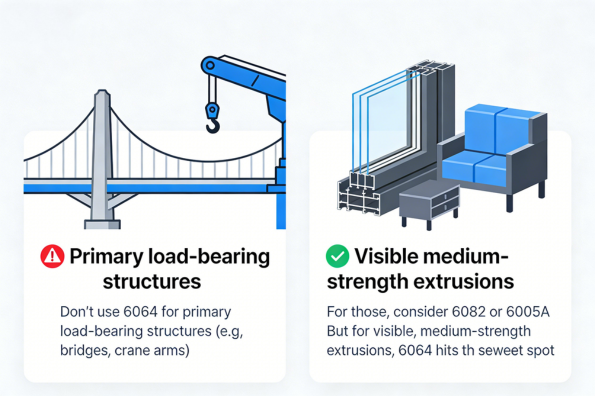
⚙️ Per i progettisti: non utilizzate il 6064 per le strutture portanti primarie (ad esempio, ponti, bracci di gru). Per queste, prendete in considerazione il 6082 o il 6005A. Tuttavia, per i profili estrusi a vista e di media resistenza, è la scelta ideale.
Opzioni di tempra: T4, T5, T6 — Cosa conta davvero nel 2026
Per l'alluminio 6064, i gradi di tempra più comuni sono T4, T5 e T6. Il grado di tempra T6, ottenuto mediante trattamento termico di soluzionamento e invecchiamento artificiale, garantisce la massima resistenza e durezza, rendendolo ideale per applicazioni soggette a sollecitazioni elevate.
Le specifiche che fornite influiscono non solo sulle prestazioni, ma anche sui tempi di consegna, sui costi e sull’affidabilità delle forniture.
| Temperamento | Processo | Caso d'uso ottimale | La realtà dell'offerta nel 2026 |
|---|---|---|---|
| T4 | Trattamento termico + stagionatura naturale | Parti che richiedono una piegatura a freddo prima dell'invecchiamento finale | Raro; richiede una programmazione personalizzata |
| T5 | Invecchiato artificialmente subito dopo l'estrusione | Profili standard per l'architettura o l'industria | Il più diffuso; il più economico |
| T6 | Trattamento completo + invecchiamento artificiale | Esigenze di elevata resistenza o di elevata uniformità dell'anodizzazione | Richiede una linea di trattamento termico integrata; tempi di consegna di +7–10 giorni |
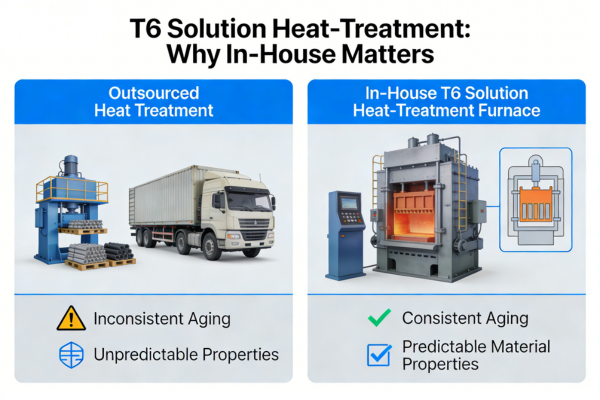
💼 Per gli appalti: Se si specifica T6, verificare che il fornitore possieda o controlli una forno per il trattamento termico delle soluzioni. Molte piccole aziende affidano questa fase a terzi, con il risultato di un invecchiamento non uniforme e di proprietà imprevedibili.
6064 vs principali alternative: la matrice decisionale del 2026
Quando si sceglie una lega di alluminio della diffusa serie 6xxx, la scelta dipende spesso da specifiche esigenze prestazionali. La scelta tra le leghe della serie 6000 non riguarda solo la composizione chimica, ma anche il contesto di applicazione, l’area geografica e la tolleranza al rischio.
| Lega | Il migliore per | Uniformità dell'anodizzazione | Resistenza T6 | Disponibilità | Preferenza regionale | Costo rispetto al 6064 |
|---|---|---|---|---|---|---|
| 6064 | Profili anodizzati di alta qualità | ★★★★★ (Controllo del basso tenore di ferro) | 300 MPa | A livello globale | UE, Design di alta gamma | Valori di riferimento |
| 6063 | Estrusione per uso generico | ★★★☆☆ (Fe variabile) | 260 MPa | A livello globale | Americhe, configurazioni standard | –10% |
| 6061 | Parti lavorate / saldatura | ★★☆☆☆ (Cupo, discontinuo) | 310 MPa | A livello globale | Aerospaziale, Strutturale | +15% |
| 6005A | Profilati strutturali | ★★★★☆ | 280 MPa | A livello globale | Infrastrutture, Trasporti | Simili |
| 6082 | Strutture ad alta resistenza | ★★★☆☆ | 340 MPa | A livello globale | Macchinari pesanti | +20% |
Quando scegliere “Which?”: una guida pratica\
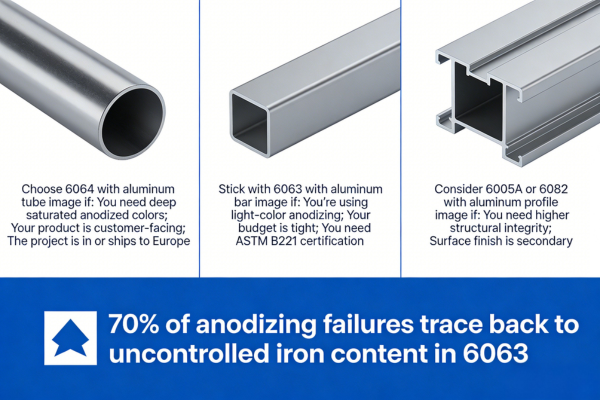
✅ Scegli 6064 se:
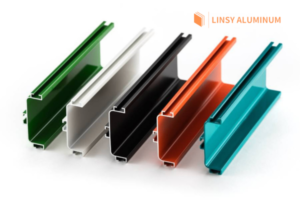
- Stai specificando nero intenso, bronzo o qualsiasi altro colore anodizzato intenso
- Il tuo prodotto è a contatto con i clienti (ad esempio, espositori per negozi, prodotti elettronici di fascia alta)
- Il progetto è in Europa o con spedizioni verso l'Europa, dove prevalgono le norme EN
✅ Continua a usare il 6063 se:
- Stai usando anodizzazione trasparente, argento o bianca (meno sensibile al Fe)
- Il tuo budget è limitato e la perfezione visiva non è fondamentale
- Ci sei Nord America e il tuo cliente richiede Certificazione ASTM B221
✅ Prendi in considerazione il modello 6005A o 6082 se:
- Ti serve maggiore integrità strutturale (ad esempio, telai di autocarri, componenti ferroviari)
- La finitura superficiale è secondaria rispetto alle prestazioni meccaniche
💡 Dalla nostra esperienza sul campo: Abbiamo individuato oltre 70% di “difetti di anodizzazione” che, dalle nostre indagini, sono riconducibili a contenuto di ferro non controllato in un 6063 apparentemente conforme—non una tecnica di anodizzazione inadeguata. Quando l’aspetto è importante, La fedeltà chimica non è negoziabile.
Conformità, sostenibilità e catena di approvvigionamento nel 2026
- RoHS / REACH: Pienamente conforme: non contiene sostanze soggette a restrizioni
- Riciclabilità: >95% riciclabile; in linea con il Green Deal dell'UE e con gli obiettivi ESG aziendali
- Impronta di carbonio: Significativamente inferiori rispetto alle leghe fuse; ideali per la rendicontazione di sostenibilità
Avviso sui rischi di approvvigionamento:
Nonostante la domanda in crescita, il 6064 rimane una lega di nicchia al di fuori dell’Europa e della Cina. Nel 2026, i tempi di consegna potrebbero superare le 6 settimane se non ci si rifornisce da fornitori prequalificati. Non dare mai per scontato che la “disponibilità da catalogo” corrisponda alle scorte effettive.
Come approvvigionarsi di 6064 in modo sicuro: una checklist per gli acquisti del 2026
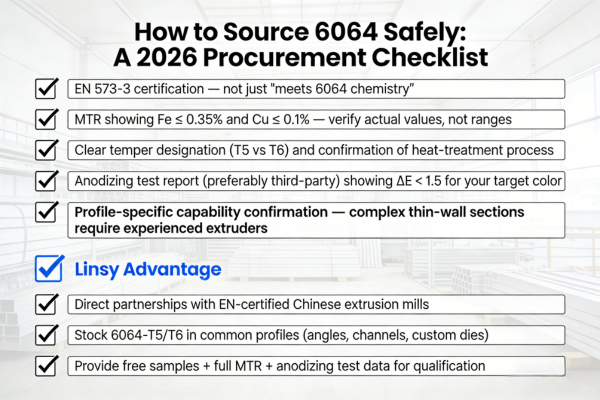
Per evitare costosi scarti o ritardi, insistete affinché:
- Certificazione EN 573-3 — non solo “conforme alla norma 6064 in materia di chimica”.”
- L'analisi MTR mostra Fe ≤ 0,35% e Cu ≤ 0,1% — verificare i valori effettivi, non gli intervalli
- Indicazione chiara della tempra (T5 vs T6) e conferma del processo di trattamento termico
- Rapporto di prova sull'anodizzazione (preferibilmente di terze parti) che indichi un ΔE < 1,5 per il colore desiderato
- Conferma delle capacità specifiche del profilo — Le sezioni complesse a pareti sottili richiedono estrusori esperti
✅ Vantaggio Linsy:
- Partnership dirette con Impianti di estrusione cinesi certificati EN
- Scorte 6064-T5/T6 nei profili più comuni (angolari, profilati, stampi su misura)
- Fornire campioni gratuiti + MTR completo + dati dei test di anodizzazione ai fini della qualificazione
Conclusione
L'alluminio 6064 svolge un ruolo ristretto ma importante: combina la resistenza al calore con un'eccellente saldabilità, rendendolo una scelta affidabile per tubazioni di intercooler automobilistici e altri componenti fabbricati sensibili al calore. Il compromesso è la disponibilità — il 6064 è meno comune del 6061 o del 6063, quindi assicurarsi la tempra corretta (T4, T5 o T6) e le dimensioni dipende da un fornitore che lo abbia effettivamente in magazzino.
Linsy Aluminum dispone del 6064 in multiple tempere e forme di prodotto, fornisce piccole quantità per la prototipazione e offre dimensioni personalizzate con tempi di consegna brevi. Esplora le nostre opzioni in lega di alluminio 6064 oppure contatta il nostro team per un preventivo personalizzato in base al tuo piano di produzione 2026.
Domande frequenti
L'alluminio 6064 è una buona scelta per i tubi dell'intercooler nel settore automobilistico?
Sì, l'alluminio 6064 è una scelta eccellente per un tubo dell'intercooler nel settore automobilistico. La sua intrinseca resistenza al calore, le proprietà antiossidanti e la durata lo rendono ideale per l'ambiente particolarmente impegnativo dei sistemi di raffreddamento e di aspirazione dell'aria di un veicolo. La facilità con cui è possibile lavorare il tubo in lega di alluminio per l'intercooler garantisce un adattamento perfetto su misura.
Come si colloca la resistenza dell'alluminio 6064 rispetto a leghe simili?
La resistenza dell'alluminio 6064 è altamente competitiva all'interno della serie 6xxx, specialmente nel trattamento termico T6. Offre un'elevata resistenza alla trazione e allo snervamento, rendendolo adatto ad applicazioni strutturali. Sebbene alcune leghe possano offrire una resistenza leggermente superiore, il 6064 garantisce un equilibrio ottimale tra resistenza, resistenza al calore e lavorabilità.
Dove posso acquistare alluminio 6064 di alta qualità negli Stati Uniti?
Negli Stati Uniti è possibile acquistare barre, profilati e tubi in alluminio 6064 di alta qualità presso fornitori specializzati in metalli. Per una fonte affidabile di materiali certificati e una consulenza esperta, contattate Linsy Aluminum tramite il nostro sito web all'indirizzo https://premiumalu.com/ per le esigenze del tuo progetto.
L'alluminio 6064 può essere saldato?
Assolutamente sì. La lega di alluminio 6064 è progettata per la lavorazione ed è facilmente saldabile. Questa caratteristica è fondamentale per la realizzazione di componenti su misura, come i tubi di aspirazione o le tubazioni dell’intercooler, dove può essere necessario unire in modo sicuro sezioni diverse. Le sue buone prestazioni di saldatura rappresentano un vantaggio fondamentale per i progetti su misura.
Come si confronta il 6064 con il 6463?
Sebbene entrambe siano leghe della serie 6xxx, l’alluminio 6064 è generalmente progettato per garantire una maggiore resistenza al calore e una maggiore robustezza, il che lo rende ideale per applicazioni ad alte prestazioni come gli intercooler. L’alluminio 6463 viene invece tipicamente utilizzato per applicazioni architettoniche in cui l’obiettivo principale è ottenere una finitura lucida e altamente riflettente, privilegiando l’aspetto estetico rispetto alle prestazioni meccaniche.
Fornite l'alluminio 6064 in piccole quantità per la prototipazione?
Sì, noi di Linsy Aluminum comprendiamo l’importanza della prototipazione e dello sviluppo. Siamo in grado di fornire alluminio 6064 in piccole quantità per aiutarvi a testare e perfezionare i vostri progetti prima di passare alla produzione in serie. Contattateci per discutere delle vostre esigenze specifiche relative alla fase di prototipazione.