Czym Jest Aluminium 2024?
2024 to stop aluminium serii 2000, w którym głównym pierwiastkiem stopowym jest miedź (3,8–4,9% Cu, plus 1,2–1,8% Mg i 0,3–0,9% Mn). Stop jest umacniany wydzieleniowo — jego wytrzymałość pochodzi z kontrolowanego cyklu obróbki cieplnej, a nie z obróbki na zimno.
Wśród stopów aluminium 2024 zajmuje szczególne miejsce: granica plastyczności porównywalna ze stalą miękką przy około jednej trzeciej masy. Ceną za to jest odporność korozyjna. Nieplaterowany stop 2024 jest podatny na korozję międzykrystaliczną i złuszczającą, dlatego prawie zawsze jest dostarczany jako blacha platerowana (cienka warstwa czystego aluminium połączona metalurgicznie z powierzchnią) lub chroniony przez anodowanie albo malowanie.
Stop ten stanowi kręgosłup konstrukcji płatowców od lat 30. XX wieku. Poszycia skrzydeł, podłużnice kadłuba, wręgi i ramy drzwi w samolotach komunikacyjnych i wojskowych nadal opierają się na stopie 2024. Poza lotnictwem występuje w wysokowydajnych komponentach wyścigowych, uzbrojeniu i precyzyjnym oprzyrządowaniu — wszędzie tam, gdzie stosunek wytrzymałości do masy ma większe znaczenie niż odporność na czynniki atmosferyczne.
Zrozumienie stanu T351
Pełne oznaczenie “T351” opisuje trójetapową obróbkę cieplno-mechaniczną:
- Obróbka cieplna roztworowa. Stop jest nagrzewany do około 493°C (920°F) w celu rozpuszczenia wydzieleń bogatych w miedź w jednorodny roztwór stały, a następnie szybko chłodzony — zazwyczaj w zimnej wodzie.
- Odprężanie przez rozciąganie. Bezpośrednio po chłodzeniu materiał jest rozciągany o 1–3% swojej pierwotnej długości. To kontrolowane odkształcenie plastyczne redystrybuuje i relaksuje wewnętrzne naprężenia własne powstałe podczas szybkiego chłodzenia.
- Naturalne starzenie. Rozciągnięty materiał jest przechowywany w temperaturze pokojowej przez kilka dni. W tym czasie atomy miedzi dyfundują, tworząc drobne strefy Guiniera-Prestona w skali atomowej — wzmacniając stop bez potrzeby sztucznego starzenia w podwyższonej temperaturze.
Efektem jest stan łączący wysoką wytrzymałość na rozciąganie (470 MPa / 68 ksi wytrzymałości na rozciąganie) ze znacznie zredukowanymi naprężeniami wewnętrznymi. Praktyczna różnica jest widoczna w momencie, gdy mechanik mocuje część w imadle: płyta T351 jest znacznie mniej podatna na odkształcenia lub wyjście poza tolerancję niż płyta T3 o tych samych wymiarach.
Czym T351 różni się od samego przesycania
Samo przesycanie plus naturalne starzenie daje stan T4 (lub T3 z obróbką na zimno). Brakującym elementem w tych stanach jest odprężenie. Świeżo przesycona płyta 2024 niesie znaczne naprężenia własne — powierzchnia ochłodziła się szybciej niż rdzeń, blokując gradient naprężeń, który uwalnia się w nieprzewidywalny sposób podczas usuwania materiału w procesie obróbki skrawaniem.
Etap rozciągania w T351 rozwiązuje ten problem bezpośrednio. Poprzez plastyczne odkształcenie całego przekroju o kontrolowaną wartość, wyrównuje pole naprężeń, zanim część trafi do obrabiarki. Dla elementów o dużych przekrojach (płyty powyżej 12 mm) lub części wymagających asymetrycznego usuwania materiału, T351 jest jedynym stanem stopu 2024, który niezawodnie zapewnia stabilność wymiarową podczas obróbki skrawaniem.
Właściwości mechaniczne 2024-T351
| Nieruchomość | Wartość | Uwagi |
|---|---|---|
| Gęstość | 2,78 g/cm³ | Typowe dla serii 2xxx |
| Ostateczna wytrzymałość na rozciąganie | 470 MPa (68 ksi) | Wzdłużnie, w temperaturze pokojowej |
| Granica plastyczności przy rozciąganiu (0,2% offset) | 325 MPa (47 ksi) | Kluczowe dla obliczeń konstrukcyjnych |
| Wydłużenie przy zerwaniu | ~20% | Przy długości pomiarowej 12,7 mm (0,5 cala) |
| Moduł sprężystości | 73,1 GPa (10 600 ksi) | Około jedna trzecia stali |
| Wytrzymałość zmęczeniowa (5×10⁸ cykli) | ~140 MPa (20 ksi) | Próbka gładka, R = -1 |
| Wytrzymałość na ścinanie | 285 MPa (41 ksi) | Istotne dla projektowania połączeń śrubowych |
| Twardość Brinella | 120 HB | Obciążenie 500 kg, kulka 10 mm |
Granica plastyczności 325 MPa to wartość, która determinuje większość projektów konstrukcyjnych. Daje ona T351 około 15–20% przewagi nad T3 pod względem dopuszczalnych naprężeń projektowych dla elementów o dużych przekrojach, chociaż wytrzymałość na rozciąganie jest podobna w obu stanach.
Gdzie stosuje się 2024-T351
Połączenie wysokiej wytrzymałości, odporności zmęczeniowej i stabilności wymiarowej po obróbce skrawaniem czyni T351 stanem z wyboru dla elementów poddawanych cyklicznym obciążeniom rozciągającym, gdzie precyzja ma znaczenie.
Konstrukcje lotnicze i kosmiczne
Podstawowy obszar zastosowań. Dolne poszycia i dźwigary skrzydeł doświadczają cykli zmęczeniowych z dominującym rozciąganiem podczas każdego lotu (skrzydło wygina się w górę w locie, wprowadzając dolną powierzchnię w rozciąganie). Płyta 2024-T351, zazwyczaj w formie platerowanej, zapewnia trwałość zmęczeniową potrzebną do 30+ lat eksploatacji, utrzymując masę na poziomie około jednej trzeciej konstrukcji stalowej o równoważnej wytrzymałości.
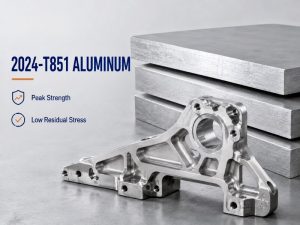
Wręgi i ramy kadłuba stosują T351 z podobnych powodów — wysokie naprężenia obwodowe od cykli ciśnieniowania kabiny wymagają materiału odpornego na inicjację pęknięć zmęczeniowych. Stan odprężony sprawia również, że te duże monolityczne elementy obrabiane są praktyczne w produkcji: wręga obrobiona z płyty T351 pozostaje płaska, podczas gdy ta sama część z nierozciąganej płyty T3 często wymaga prostowania po obróbce.
Inne zastosowania wysokonaprężeniowe
- Komponenty motorsportowe. Zwrotnice zawieszenia, dźwignie kątowe i obudowy skrzyń biegów obrabiane z płyty 2024-T351 występują w Formule 1, wyścigach długodystansowych i profesjonalnych wyścigach drag. Materiał oferuje oszczędność masy w porównaniu ze stalą bez utraty sztywności wymaganej przez te ścieżki przenoszenia obciążeń.
- Obronność i uzbrojenie. Obudowy konstrukcyjne awioniki pokładowej, stateczniki rakiet i komponenty systemów uzbrojenia, gdzie stosunek wytrzymałości do masy i przewidywalne zachowanie podczas obróbki są niepodlegające negocjacjom.
- Precyzyjne oprzyrządowanie. Przyrządy montażowe i uchwyty kontrolne dla linii produkcyjnych w lotnictwie — materiał pozostaje stabilny wymiarowo podczas wahań temperatury i powtarzalnych cykli obciążania/odciążania.
T351 a inne stany stopu 2024 — jak wybrać
Stop 2024 jest dostępny w kilku stanach, każdy zoptymalizowany pod inną drogę produkcyjną lub priorytet wydajnościowy. Poniższa tabela zestawia główne opcje z typowymi kryteriami wyboru.
| Temperament | Obróbka | UTS (MPa) | Granica plastyczności (MPa) | Najlepsze dla | Unikać, gdy |
|---|---|---|---|---|---|
| T351 | Przesycanie + rozciąganie + naturalne starzenie | 470 | 325 | Elementy obrabiane o dużych przekrojach, konstrukcje krytyczne ze względu na zmęczenie | Formowanie cienkich blach (T3 lub T4 bardziej odpowiednie) |
| T3 | Roztwór + obróbka na zimno + naturalne starzenie | 400–430 | 270–290 | Cienkie blachy wymagające umiarkowanego formowania po obróbce cieplnej | Grube płyty wymagające stabilności podczas obróbki |
| T4 | Przesycanie + naturalne starzenie (bez obróbki na zimno) | ~469 | ~324 | Elementy formowane wymagające maksymalnej plastyczności | Każde zastosowanie wymagające odprężenia |
| T6 | Przesycanie + sztuczne starzenie | ~483 | ~393 | Zastosowania wymagające maksymalnej wytrzymałości statycznej | Konstrukcje krytyczne ze względu na zmęczenie (niższa odporność na pękanie) |
| T3511 | To samo co T351 | 470 | 325 | Profile wyciskane, pręty i kształtowniki | Płyta płaska lub blacha (T351 jest odpowiednikiem dla form płaskich) |
Kiedy T351 jest właściwym wyborem
Decyzja sprowadza się do dwóch scenariuszy:
- Część będzie miała znacznie usuniętego materiału w sposób asymetryczny. Każda głęboka kieszeń, cienka ścianka lub jednostronne cięcie na grubej płycie korzysta z jednolitego pola naprężeń resztkowych stanu T351. Bez odprężenia część ulegnie odkształceniu w miarę redystrybucji naprężeń wewnętrznych.
- Trwałość zmęczeniowa jest wymogiem certyfikacyjnym. T351 zachowuje wyższą odporność na pękanie niż T6, oferując jednocześnie wyższe dopuszczalne wartości projektowe niż T3. Dla głównych struktur płatowca z określonym widmem zmęczeniowym jest to standardowy wybór.
Kiedy Inny Temperament Pasuje Lepiej
- Operacje formowania cienkich blach są lepiej realizowane w stanach T3 lub T4, gdzie wyższa ciągliwość zmniejsza sprężynowanie i ryzyko pękania podczas gięcia lub formowania rozciąganiem. Korzyść z odprężenia w stanie T351 jest zbędna w przypadku cienkich grubości.
- Zastosowania przy obciążeniach ściskających statycznie — takie jak bloki nośne lub oprawy wtłaczane — mogą korzystać z wyższej granicy plastyczności stanu T6 (393 MPa vs 325 MPa), pod warunkiem że materiał nie podlega zmęczeniu z dominacją rozciągania.
- Kształtowniki wyciskane produkowane w stanie T3511 spełniają te same wymagania mechaniczne co T351, ale są oznaczone inaczej, ponieważ rozciąganie jest stosowane podczas procesu wyciskania, a nie jako oddzielna operacja na płycie.
Praca z 2024-T351 — Co należy wiedzieć
Obróbka skrawaniem. Stop 2024-T351 obrabia się dobrze ostrym narzędziem węglikowym przy wysokich prędkościach i umiarkowanych posuwach. Stan odprężony sprawia, że jest to praktyczne: głębokie kieszenie i cienkie półki pozostają w tolerancji. Należy stosować sztywne mocowanie. Kontrola wiórów rzadko stanowi problem — materiał w stanie T351 wytwarza krótkie, czyste wióry.
Spawanie. Spawanie topnikowe stopu 2024 nie jest zalecane. Stop jest podatny na pękanie na gorąco w strefie spoiny, a strefa wpływu ciepła (HAZ) traci efekt umocnienia wydzieleniowego, powracając do właściwości zbliżonych do stanu wyżarzonego w sąsiedztwie spoiny. Zgrzewanie tarciowe z przemieszaniem (FSW) jest realną alternatywą dla złączy doczołowych w grubej płycie, zachowując więcej wytrzymałości materiału rodzimego, choć wymaga specjalistycznego sprzętu i kwalifikacji procesu.
Ochrona antykorozyjna. Niepokryty stop 2024 będzie korodował w eksploatacji. Trzy podejścia obejmują większość zastosowań:
- Alclad. Cienka warstwa komercyjnie czystego aluminium (zazwyczaj stop 1230 lub 1100) jest walcowana platerująco na obu powierzchniach blachy lub płyty. Platerowanie działa jako anoda ofiarna, chroniąc rdzeń stopu. Alclad 2024-T351 jest standardem dla blach lotniczych i lekkich płyt.
- Anodowanie. Anodowanie siarkowe (MIL-A-8625 Typ II) tworzy kontrolowaną warstwę tlenku glinu, która uszczelnia powierzchnię. Dla grubszej ochrony możliwe jest anodowanie twarde (Typ III), ale może ono wpływać na trwałość zmęczeniową, jeśli nie zostanie odpowiednio uszczelnione.
- Chemiczna konwersja powłoki i malowanie. Chromianowa konwersja powłokowa (Alodine) z następującym podkładem epoksydowym i nawierzchnią poliuretanową to standardowy system ochrony lotniczej dla obrabianych elementów konstrukcyjnych.
Formowalność. Stop 2024-T351 może być formowany w stanie po przesycaniu, zanim naturalne starzenie w pełni się rozwinie. Po wyżarzeniu do pełnej wytrzymałości promienie gięcia powinny być duże — minimum około 3t do 5t dla gięć o kącie 90° w grubszych materiałach. Dla złożonych kształtów formowanych stan T3 lub T4 jest bardziej praktycznym stanem wyjściowym.
Zalety i Ograniczenia w Skrócie
| Czynnik | Przewaga | Ograniczenie |
|---|---|---|
| Stosunek wytrzymałości do masy | Konkurencyjny w stosunku do stali miękkiej przy jednej trzeciej gęstości | Granica plastyczności niższa niż 7075-T6 lub 2024-T6 |
| Zmęczenie | Doskonała trwałość zmęczeniowa w cyklach z dominującym rozciąganiem | Wrażliwość na karb w warunkach zmęczeniowych wymaga starannego projektowania detali |
| Stabilność obróbcza | Odprężony — minimalne odkształcenia podczas usuwania materiału | Miększy niż stal; wymagane ostre narzędzia, aby uniknąć rozmazywania |
| Odporność na korozję | Dopuszczalny z powłoką alclad lub ochronną | Goły stop nie nadaje się do eksploatacji bez ochrony |
| Spawalność | Zgrzewalny tarciowo z przemieszaniem | Niespawalny łukowo — pękanie na gorąco i utrata wytrzymałości w HAZ |
| Dostępność | Standardowy wyrób hutniczy lotniczy | Gruba płyta może mieć dłuższe czasy realizacji niż T3 |
| Koszt | Narzut cenowy w stosunku do T3 jest umiarkowany | Droższy niż 6061-T6 do ogólnych zastosowań inżynierskich |
Wnioski
Stop 2024-T351 zajmuje precyzyjną pozycję w spektrum stanów aluminium: zapewnia wysoką wytrzymałość i odporność zmęczeniową rodziny stopów 2024, jednocześnie rozwiązując problem naprężeń resztkowych, który czyni stany bez rozciągania zawodnymi dla obrabianych elementów konstrukcyjnych. Kompromis jest jasny — materiał nie jest tak formowalny jak T4, nie jest maksymalnie wytrzymały jak T6 i nie jest odporny na korozję bez ochrony powierzchniowej. Jednak dla grubościennego elementu lotniczego, który będzie intensywnie obrabiany i poddawany dziesięcioleciom obciążeń cyklicznych, te kompromisy są akceptowalne, ponieważ alternatywa — część, która odkształca się na stole maszyny lub inicjuje pęknięcie zmęczeniowe w koncentratorze naprężeń — nie jest.
Linsy Aluminum dostarcza Stop aluminium 2024 w postaci płyty, blachy, pręta i rury w różnych T3, T351oraz T851 stanach. Dostawa bezpośrednio z fabryki z dokumentacją MTC i raportami z badań SGS na żądanie oznacza, że materiał dociera z pełną identyfikowalnością — bez luk brokerskich, bez nieznanych źródeł hutniczych.
Skontaktuj się z Linsy Aluminum już dziś, aby omówić swoje wymagania dotyczące 2024-T351 i poprosić o wycenę.
Często zadawane pytania
Jaka jest różnica między T351 a T3511?
T351 dotyczy wyrobów płaskich walcowanych (płyty i blachy). T3511 dotyczy wyrobów wyciskanych (pręty, kształtowniki, rury). Obróbka cieplno-mechaniczna jest identyczna dla obu — przesycanie, odprężanie przez rozciąganie i naturalne starzenie. Podział oznaczeń istnieje, ponieważ metoda rozciągania jest różna: płyta jest rozciągana w dedykowanej prostownicy po walcowaniu, podczas gdy wyciski są rozciągane w ramach procesu linii wyciskarskiej.
Czy 2024-T351 może być anodowany?
Tak. Anodowanie w kwasie siarkowym (Typ II wg MIL-A-8625) jest najczęściej stosowaną specyfikacją. Powstała warstwa tlenkowa poprawia odporność korozyjną i stanowi bazę dla przyczepności farby. Anodowanie twarde (Typ III) jest również możliwe, ale może zmniejszyć trwałość zmęczeniową, jeśli nie jest odpowiednio kontrolowane — krucha warstwa tlenkowa może działać jako miejsce inicjacji pęknięć pod obciążeniem cyklicznym. Dla elementów krytycznych ze względu na zmęczenie należy specyfikować anodowanie uszczelniane.
Ile kosztuje 2024-T351 w porównaniu do T3?
Premia cenowa za T351 względem T3 wynosi zazwyczaj 5–15%, co wynika z dodatkowej operacji rozciągania. W przypadku grubych płyt (powyżej 25 mm) premia się zawęża, ponieważ T3 rzadko jest określany przy takich grubościach — T351 jest domyślnym stanem lotniczym. Rzeczywiste porównanie kosztów nie dotyczy T351 vs T3, ale T351 vs koszt złomowania odkształconej części z T3 po obróbce skrawaniem.
Jaki jest typowy czas realizacji dla płyty 2024-T351?
Standardowe czasy realizacji z walcowni dla płyty 2024-T351 wynoszą od 4 do 12 tygodni, w zależności od grubości i ilości. Materiał klasy lotniczej z pełnymi certyfikatami walcowniczymi zwykle znajduje się na dłuższym końcu tego zakresu. Współpraca z dostawcą posiadającym zapasy typowych grubości może znacznie skrócić efektywny czas realizacji. Zawsze należy potwierdzić, czy podany czas realizacji obejmuje proces prostowania i naturalnego starzenia — niektóre krótsze oferty wykluczają pełny okres starzenia i dostarczają materiał, który będzie nadal wzmacniał się po odbiorze.
Czy stop 2024-T351 może być stosowany w środowiskach morskich?
Nie bez ciągłej ochrony powierzchniowej. Niepokryty stop 2024 koroduje szybko w warunkach ekspozycji na słoną wodę — szybciej niż stopy morskie serii 5xxx, takie jak 5083 czy 5052. Alclad 2024-T351 z pełnym systemem malarskim może przetrwać w środowisku pokładu lotniskowca, ale wymaga konserwacji. Do zastosowań zanurzonych lub w strefie rozbryzgów należy wybrać stop z serii 5xxx lub 6xxx. Stop 2024-T351 nie ma zastosowania w konstrukcjach kadłuba ani pokładu.