Önemli Noktalar
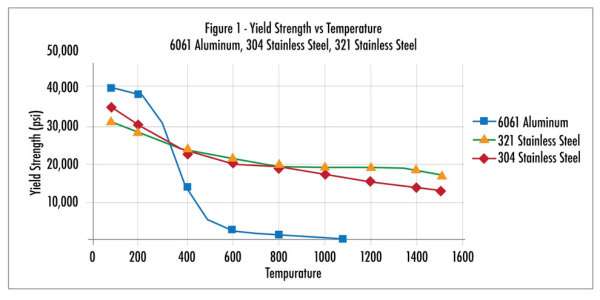
- Alüminyum, paslanmaz çeliğin yoğunluğunun üçte biri kadar hafiftir ve yüksek ısı iletkenliğine sahiptir — havacılık, otomotiv ve ısı değiştirici uygulamaları için idealdir.
- Paslanmaz çelik, üstün mukavemet ve mükemmel korozyon direnci sunar — inşaat, tıbbi ekipman ve yüksek sıcaklık ortamları için tercih edilen seçenektir.
- Her iki metal de farklı mekanizmalar yoluyla korozyona direnç gösterir; bu nedenle belirleyici faktörler ağırlık, mukavemet gereksinimleri, çalışma sıcaklığı ve bütçedir.
Giriş
Projeniz için doğru metali seçmek mühendislik, imalat ve inşaatta kritik öneme sahiptir. En yaygın iki seçenek alüminyum ve paslanmaz çeliktir — her ikisi de performansı, maliyeti ve üretilebilirliği etkileyen farklı özelliklere sahip korozyona dayanıklı metallerdir. Alüminyum, yüksek ısı ve elektrik iletkenliğine sahip hafif bir metaldir.. Paslanmaz çelik dayanıklıdır, uzun ömürlüdür ve yüksek sıcaklıklara iyi dayanır. Bu rehber, alüminyum ve paslanmaz çeliği mukavemet, ağırlık, korozyon direnci, ısıl özellikler, maliyet ve uygulama alanları açısından karşılaştırarak gereksinimlerinize uygun malzemeyi seçmenize yardımcı olur.
Alüminyum ve Paslanmaz Çelik Arasındaki Temel Farklar
Her iki metal de korozyona direnç göstermesine ve endüstrilerde yaygın olarak kullanılmasına rağmen; mukavemet, ağırlık, ısıl davranış ve maliyet açısından önemli ölçüde farklılık gösterir. Bu farklılıkları anlamak, uygulamanız için doğru malzemeyi seçmenize yardımcı olacaktır.
A. Mukavemet Karşılaştırması
Paslanmaz çelik, alüminyumdan önemli ölçüde daha güçlüdür. Yüksek çekme ve akma mukavemeti, onu köprüler, binalar ve ağır makineler gibi yük taşıyan yapılar için ideal kılar. Birçok paslanmaz çelik kalitesi, daha da yüksek mukavemet seviyeleri için tasarlanmıştır ve zorlu koşullarda iyi performans gösterir.
Bazı alümi̇nyum alaşimlari alüminyum alaşımları saygın bir mukavemet elde edebilir, ancak mutlak değerlerde nadiren paslanmaz çeliğe ulaşır. Bununla birlikte alüminyum, mükemmel bir mukavemet-ağırlık oranı sunar; bu, ağırlığın çok daha küçük bir kısmında güçlü yapısal performans sağlayabileceği anlamına gelir — ağırlığa duyarlı uygulamalarda kritik bir avantajdır.
| Mülkiyet | Alüminyum | Paslanmaz Çelik |
|---|---|---|
| Çekme Dayanımı (MPa) | 90-400 | 520-1100 |
| Akma Dayanımı (MPa) | 40-275 | 250-800 |
B. Ağırlık Karşılaştırması
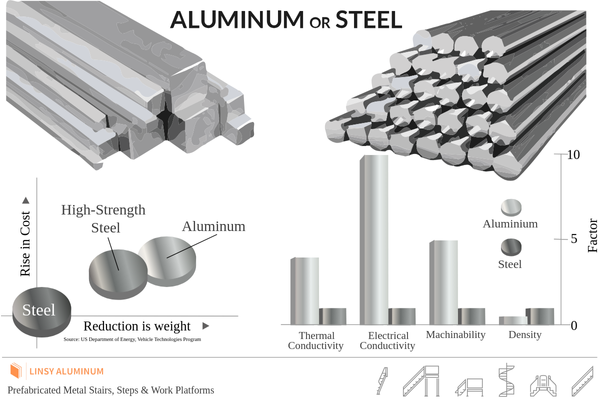
Alüminyumun en önemli avantajı düşük yoğunluğudur. Alüminyum, paslanmaz çeliğin yaklaşık üçte biri ağırlığındadır (2,7 g/cm³'e karşı 7,9 g/cm³). Bu özellik, daha hafif araçların yakıt verimliliğini ve genel performansı artırdığı havacılık ve otomotiv uygulamalarında kritik öneme sahiptir.
Alüminyumun düşük ağırlık ve yeterli mukavemet kombinasyonu, onu uçak bileşenleri, bisiklet kadroları ve taşınabilir ekipmanlar için uygun kılar. Yük taşıyan yapılar tasarlanırken, alüminyum ve paslanmaz çelik arasındaki üç kat ağırlık farkı; yapısal tasarımı, destek gereksinimlerini ve nakliye lojistiğini etkiler.
| Mülkiyet | Alüminyum | Paslanmaz Çelik |
|---|---|---|
| Yoğunluk | 2,7 g/cm³ | 7,9 g/cm³ |
C. Korozyon Direnci
Hem alüminyum hem de paslanmaz çelik iyi korozyon direnci sağlar, ancak farklı mekanizmalar yoluyla. Alüminyum, havaya maruz kaldığında kendiliğinden koruyucu bir oksit tabakası oluşturur ve bu tabaka normal koşullarda daha fazla oksidasyonu önler.
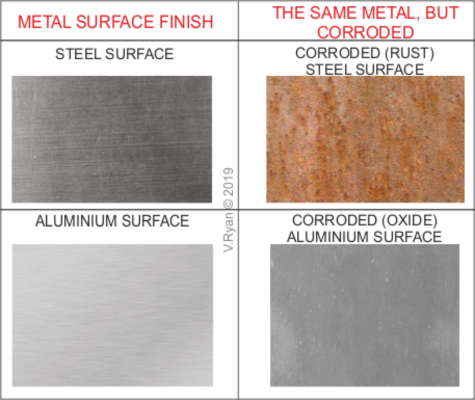
Paslanmaz çelik, agresif ortamlarda bile pasa karşı gözeneksiz pasif bir bariyer oluşturan krom içerir. Paslanmaz çelik genellikle tuzlu su maruziyeti veya asidik ortamlar gibi zorlu koşullarda daha iyi korozyon koruması sağlar. Bununla birlikte, belirli alüminyum alaşımları (5xxx denizcilik sınıfı gibi), paslanmaz çeliğin klorürlerden oyuklanma yaşayabileceği denizcilik uygulamalarında iyi performans gösterir.
| Mülkiyet | Alüminyum | Paslanmaz Çelik |
|---|---|---|
| Korozyon Direnci | İyi (Kendiliğinden pasifleşen oksit tabakası) | Mükemmel (Krom oksit bariyeri) |
D. Isıl İletkenlik
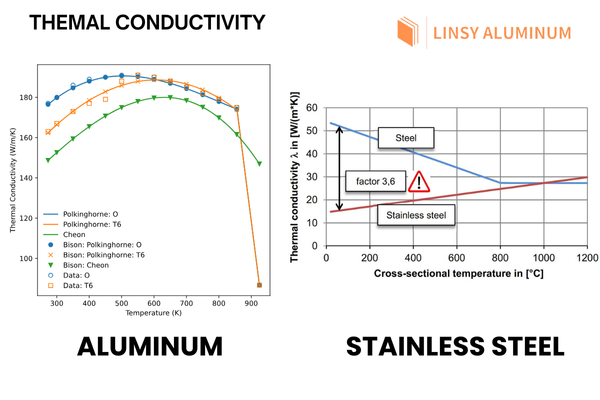
Alüminyum, ısıyı paslanmaz çelikten çok daha iyi iletir;, bu, hızlı ısı dağılımı için gereklidir. Elektronik cihazlar, aşırı ısınmayı önlemek ve optimum performansı sürdürmek için alüminyumun verimli ısı transferine güvenir. Alüminyum pişirme kapları ısıyı eşit şekilde dağıtarak sıcak noktaları en aza indirir. Paslanmaz çelik ısıyı iyi tutar; bu da onu yalıtım, kaplar ve ısı tutulmasının istendiği yüksek sıcaklık yapısal parçaları için daha iyi bir seçim haline getirir.
| Mülkiyet | Alüminyum | Paslanmaz Çelik |
|---|---|---|
| Termal İletkenlik | Yüksek (~205 W/mK) | Düşük (~15 W/mK) |
E. Isı Direnci
Paslanmaz çelik, yüksek sıcaklıkları stabil bir şekilde karşılar. Sıcak koşullarda yapısal bütünlüğünü korur ve fırınlarda, ocaklarda, egzoz sistemlerinde ve endüstriyel işleme ekipmanlarında yaygın olarak kullanılır. Paslanmaz çelik, sürekli yüksek sıcaklık maruziyeti altında hem mukavemetini hem de korozyon direncini korur.
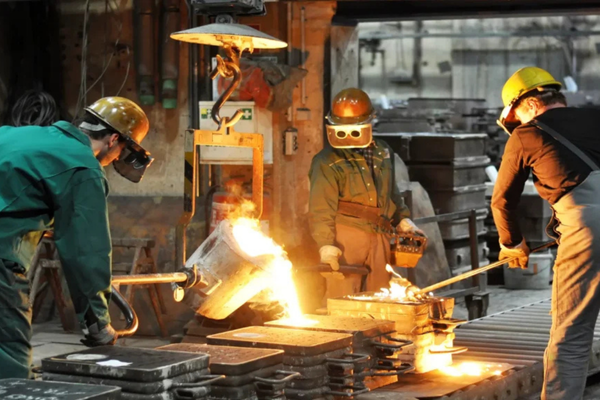
Alüminyum ısıyı verimli bir şekilde iletir ancak paslanmaz çelikten önemli ölçüde daha düşük bir sıcaklıkta erir. Alüminyum, aşırı ısıya uzun süreli maruziyet için önerilmez.
| Mülkiyet | Alüminyum | Paslanmaz Çelik |
|---|---|---|
| Isı Direnci | ~200°C'ye kadar (400°F) | ~815°C'ye kadar (1500°F) |
Uygulama Alanları: Her Malzemenin Üstün Olduğu Yerler
A. Havacılık ve Uzay Endüstrisi
Havacılıkta malzeme seçimi, ağırlık ve mukavemet arasında denge kurmalıdır. Alüminyum baskın seçimdir — uçak bileşenleri için gereken yapısal bütünlüğü sağlarken, verimli uçuş için ağırlığı yeterince düşük tutar. Korozyon direnci, bileşenlerin ömrünü uzatır ve bakım maliyetlerini azaltır.
B. İnşaat Sektörü
İnşaat; dayanıklılık, yük taşıma kapasitesi ve görsel çekicilik gerektirir. Paslanmaz çelik burada üstündür: hava koşullarına direnç gösterir, çok sayıda mimari kaplama seçeneği sunar ve minimum bakımla yüksek yapıları destekler. Uzun hizmet ömrü, onu onlarca yıl boyunca maliyet etkin kılar ve modern estetiği geniş bir mimari stil yelpazesini tamamlar.
C. Otomotiv Endüstrisi
Otomotiv endüstrisi, güvenlikten ödün vermeden yakıt verimliliği standartlarını karşılamak için giderek daha fazla hafif malzemelere güvenmektedir. Alüminyumun mukavemet, düşük ağırlık ve korozyon direnci kombinasyonu, modern araçlarda motor bileşenleri, gövde panelleri, jantlar ve yapısal parçalar için tercih edilen bir malzeme olmasını sağlar.
Artılar ve Eksiler
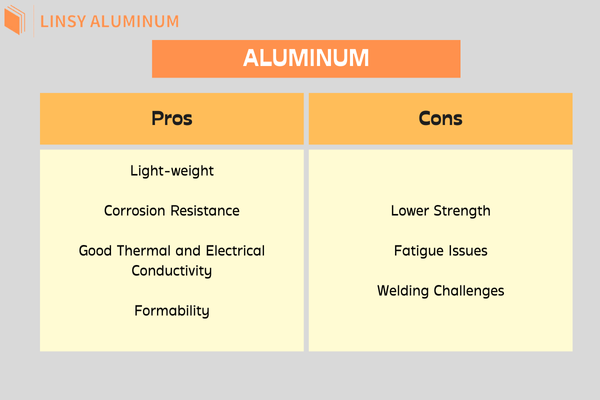
Alüminyum Avantajları
- Hafif: Paslanmaz çeliğin yoğunluğunun üçte biri, ağırlığa duyarlı tasarımlar için idealdir.
- Yüksek ısı iletkenliği: Isı eşanjörleri, pişirme kapları ve elektronik muhafazalar için mükemmeldir.
- Korozyona dayanıklı: Kendiliğinden pasifleşen oksit tabakası atmosferik korozyona karşı koruma sağlar.
- Kolay işlenir ve şekillendirilir: Paslanmaz çeliğe kıyasla daha düşük takım maliyeti ve daha hızlı üretim.
- Geri dönüştürülebilir: Alüminyum, özelliklerini kaybetmeden tekrar tekrar geri dönüştürülebilir.
Alüminyum Sınırlamaları
- Daha düşük mutlak mukavemet: Ağır yük taşıyan uygulamalarda paslanmaz çelikle rekabet edemez.
- Daha düşük ısı direnci: Erime noktası ve yüksek sıcaklık performansı sınırlıdır.
- Klorürlere karşı daha duyarlı: Denizcilik sınıfı alaşımlar kullanılmadığı sürece denizcilik veya kimyasal ortamlarda paslanmaz çelikten daha hızlı korozyona uğrayabilir.
- Daha yüksek ısıl genleşme: Sıcaklık dalgalanmaları için tasarım uyarlamaları gerekebilir.
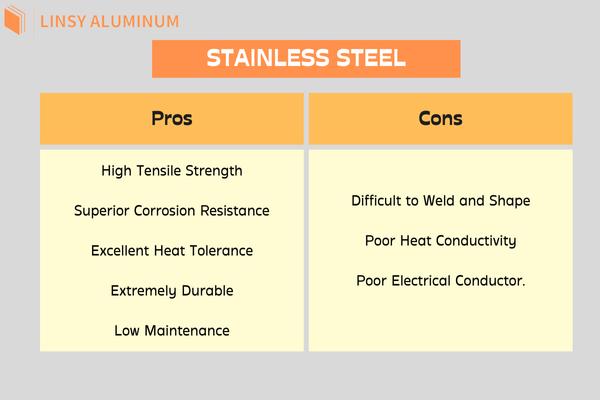
Paslanmaz Çelik Avantajları
- Yüksek mukavemetli: 1100 MPa'ya kadar çekme mukavemeti — yapısal ve güvenlik açısından kritik uygulamalar için idealdir.
- Mükemmel korozyon direnci: Krom oksit bariyeri, zorlu kimyasal ve tuzlu su ortamlarında bile koruma sağlar.
- Üstün ısı direnci: 815°C'ye kadar sıcaklıklarda özelliklerini korur.
- Dayanıklı ve uzun ömürlü: Onlarca yıllık hizmet boyunca düşük bakım gerektirir.
Paslanmaz Çeliğin Sınırlamaları
- Ağır: Alüminyumun yoğunluğunun üç katı — önemli ölçüde yapısal ve nakliye maliyeti ekler.
- Zayıf ısı iletkenliği: Isı dağıtımı uygulamaları için uygun değildir.
- İşlenmesi ve şekillendirilmesi daha zordur: Daha yüksek takım maliyeti ve daha yavaş üretim hızları.
- Daha yüksek maliyet: Bazı paslanmaz çelik kaliteleri ve formları, alüminyum alternatiflerinden daha pahalıdır.
Sonuç
Alüminyum ve paslanmaz çelik, mühendislik ve imalatta birbirinden farklı roller üstlenir. Temel ödünleşim basittir: alüminyum; hafif yapı, yüksek ısı iletkenliği ve daha kolay imalat sunar — ancak daha düşük mutlak mukavemet ve ısı direnci pahasına. Paslanmaz çelik; üstün mukavemet, ısı toleransı ve mükemmel korozyon koruması sağlar — ancak üç kat daha ağır ve daha yüksek işleme zorluğu ile.
Ağırlık, ısıl performans veya üretilebilirliğin öncelikli olduğu projelerde alüminyum daha iyi bir seçimdir. Yapısal, yüksek sıcaklık veya kimyasal olarak agresif uygulamalarda paslanmaz çelik kanıtlanmış seçenektir.
Linsy Alüminyum, 20+ yıllık sektör deneyimine sahip Shenzhen merkezli bir alüminyum fabrikası; plaka, sac, çubuk, boru, tel, bobin, profil ve blok formlarında 1000-8000 serisi alüminyum tedarik etmektedir. Fabrika, ISO 9001, ISO 14001 ve ISO 45001 sertifikalı yönetim sistemleri altında faaliyet göstermekte olup, talep üzerine SGS test raporları ve her siparişle birlikte malzeme test sertifikaları (MTC) sunulmaktadır. Fabrika içi işleme; CNC işleme, TIG ve MIG kaynağı, lazer kesim, eloksal, parlatma, haddelenmiş yüzey ve toz boya içerir. Özel üretim teslim süresi 10-60 gün olup düşük minimum sipariş adedi (MOQ) seçenekleri mevcuttur.
Alüminyum gereksinimlerinizi görüşmek ve fiyat teklifi almak için bugün Linsy Aluminum ile iletişime geçin.
Sıkça Sorulan Sorular
Hangisi daha hafif — alüminyum mu paslanmaz çelik mi?
Alüminyum, paslanmaz çeliğin yaklaşık üçte biri ağırlığındadır (yoğunluk 2,7 g/cm³'e karşı 7,9 g/cm³). Bu, alüminyumu uçak, otomotiv gövde panelleri ve taşınabilir ekipman gibi ağırlığa duyarlı uygulamalar için açık bir seçim haline getirir.
Hangi malzeme daha güçlüdür?
Paslanmaz çelik, 520-1100 MPa aralığındaki çekme mukavemeti ile alüminyumdan önemli ölçüde daha güçlüdür; alüminyum alaşımlarında bu değer 90-400 MPa'dır. Ancak alüminyum, daha iyi bir mukavemet-ağırlık oranı sunar; bu da çok daha düşük ağırlıkta yeterli yapısal performans sağlayabileceği anlamına gelir.
Alüminyum paslanmaz çelikten daha mı ucuzdur?
Maliyet, spesifik alaşım kalitesine, forma ve miktara bağlıdır. Genel olarak alüminyum, hammadde olarak kilogram başına daha az maliyetlidir. Ancak paslanmaz çelik, daha yüksek mukavemetinin daha ince kesitlere olanak tanıdığı uygulamalarda daha maliyet etkin olabilir. İşleme maliyetleri de farklılık gösterir — alüminyumun işlenmesi ve şekillendirilmesi daha kolaydır, bu da imalat giderlerini azaltabilir.
Alüminyum ve paslanmaz çelik korozyon direncinde nasıl karşılaştırılır?
Her iki malzeme de korozyona farklı mekanizmalarla direnç gösterir. Alüminyum, havaya maruz kaldığında kendini koruyan bir oksit tabakası oluşturur. Paslanmaz çelik, pasif bir bariyer oluşturmak için krom içeriğine dayanır. Paslanmaz çelik genellikle sert kimyasal veya tuzlu su ortamlarında daha iyi performans gösterir; ancak belirli alüminyum alaşımları (5xxx denizcilik sınıfı gibi) deniz ortamına maruz kalmayı da iyi şekilde karşılayabilir.
Alüminyumu paslanmaz çelik yerine ne zaman seçmeliyim?
Ağırlık azaltmanın öncelik olduğu durumlarda, yüksek ısı veya elektrik iletkenliğine ihtiyaç duyduğunuzda veya kolay işlenebilirlik ve şekillendirilebilirliğin önemli olduğu durumlarda alüminyumu seçin. Yaygın uygulamalar arasında havacılık bileşenleri, ısı eşanjörleri, otomotiv parçaları, elektronik gövdeler ve denizcilik sınıfı alaşımlar kullanılan deniz yapıları yer alır.
Alüminyum gıda teması ve tıbbi uygulamalar için güvenli midir?
Belirli alüminyum alaşımları gıda teması için FDA onaylıdır ve tencere, gıda ambalajı ve işleme ekipmanlarında yaygın olarak kullanılır. Tıbbi implantlar ve cerrahi aletler için paslanmaz çelik (özellikle 316L kalitesi), üstün biyouyumluluğu ve tekrarlanan sterilizasyona direnci nedeniyle standarttır. Alüminyum, implant sınıfı tıbbi cihazlarda nadiren kullanılır ancak harici tıbbi ekipman gövdelerinde yaygındır.