Punti salienti
- L'alluminio è leggero (un terzo della densità dell'acciaio inossidabile) con elevata conducibilità termica — ideale per applicazioni aerospaziali, automobilistiche e di scambio termico.
- L'acciaio inossidabile offre resistenza superiore ed eccellente resistenza alla corrosione — la scelta preferita per l'edilizia, le apparecchiature mediche e gli ambienti ad alta temperatura.
- Entrambi i metalli resistono alla corrosione attraverso meccanismi diversi, quindi i fattori decisivi chiave sono il peso, i requisiti di resistenza, la temperatura operativa e il budget.
Introduzione
Scegliere il metallo giusto per il proprio progetto è fondamentale in ingegneria, produzione e costruzione. Due delle opzioni più comuni sono l'alluminio e l'acciaio inossidabile — entrambi metalli resistenti alla corrosione con proprietà distinte che influenzano prestazioni, costi e producibilità. L'alluminio è leggero con elevata conducibilità termica ed elettrica.. L'acciaio inossidabile è resistente, durevole e gestisce bene le alte temperature. Questa guida confronta alluminio e acciaio inossidabile in termini di resistenza, peso, resistenza alla corrosione, proprietà termiche, costi e applicazioni per aiutarti a decidere quale materiale soddisfa i tuoi requisiti.
Differenze Chiave Tra Alluminio e Acciaio Inossidabile
Sebbene entrambi i metalli resistano alla corrosione e siano ampiamente utilizzati in vari settori, differiscono significativamente in termini di resistenza, peso, comportamento termico e costi. Comprendere queste differenze ti aiuterà a scegliere il materiale giusto per la tua applicazione.
A. Confronto della Resistenza
L'acciaio inossidabile è sostanzialmente più resistente dell'alluminio. La sua elevata resistenza a trazione e a snervamento lo rende ideale per strutture portanti come ponti, edifici e macchinari pesanti. Molti gradi di acciaio inossidabile sono progettati per livelli di resistenza ancora più elevati, con buone prestazioni in condizioni impegnative.
Alcune leghe di alluminio leghe possono raggiungere una resistenza rispettabile, ma raramente eguagliano l'acciaio inossidabile in termini assoluti. Tuttavia, l'alluminio offre un eccellente rapporto resistenza-peso, il che significa che può fornire prestazioni strutturali elevate a una frazione del peso — un vantaggio critico nelle applicazioni sensibili al peso.
| Proprietà | Alluminio | Acciaio inox |
|---|---|---|
| Resistenza alla trazione (MPa) | 90-400 | 520-1100 |
| Resistenza allo snervamento (MPa) | 40-275 | 250-800 |
B. Confronto del Peso
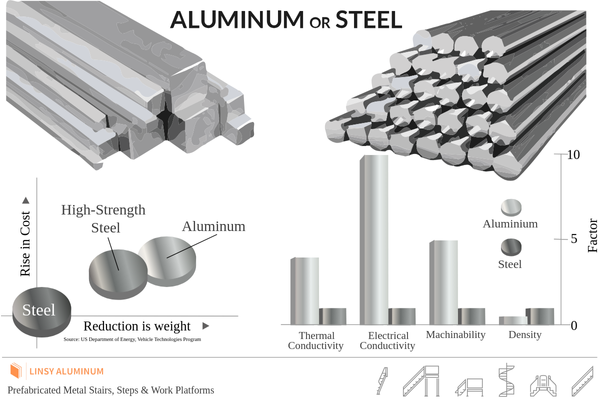
Un vantaggio chiave dell' alluminio è la sua bassa densità. L'alluminio pesa circa un terzo dell'acciaio inossidabile (2,7 g/cm³ contro 7,9 g/cm³). Questa proprietà è fondamentale nelle applicazioni aerospaziali e automobilistiche, dove veicoli più leggeri migliorano l'efficienza del carburante e le prestazioni complessive.
La combinazione di basso peso e resistenza adeguata dell'alluminio lo rende adatto per componenti aeronautici, telai di biciclette e apparecchiature portatili. Nella progettazione di strutture portanti, la differenza di peso tripla tra alluminio e acciaio inossidabile influisce sulla progettazione strutturale, sui requisiti di supporto e sulla logistica di trasporto.
| Proprietà | Alluminio | Acciaio inox |
|---|---|---|
| Densità | 2,7 g/cm³ | 7,9 g/cm³ |
C. Resistenza alla Corrosione
Sia l'alluminio che l'acciaio inossidabile offrono una buona resistenza alla corrosione, ma attraverso meccanismi diversi. L'alluminio forma uno strato di ossido auto-protettivo quando esposto all'aria, che previene un'ulteriore ossidazione in condizioni normali.
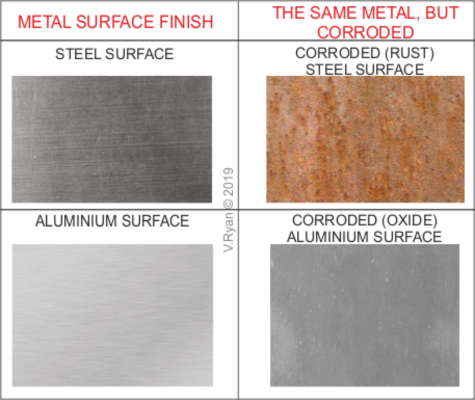
L'acciaio inossidabile contiene cromo, che forma una barriera passiva non porosa contro la ruggine — anche in ambienti aggressivi. L'acciaio inossidabile offre generalmente una migliore protezione dalla corrosione in condizioni difficili come l'esposizione all'acqua salata o ambienti acidi. Tuttavia, specifiche leghe di alluminio (come il grado marino 5xxx) funzionano bene in applicazioni marine dove l'acciaio inossidabile potrebbe subire vaiolatura da cloruri.
| Proprietà | Alluminio | Acciaio inox |
|---|---|---|
| Resistenza alla corrosione | Buona (strato di ossido auto-passivante) | Eccellente (barriera di ossido di cromo) |
D. Conducibilità Termica
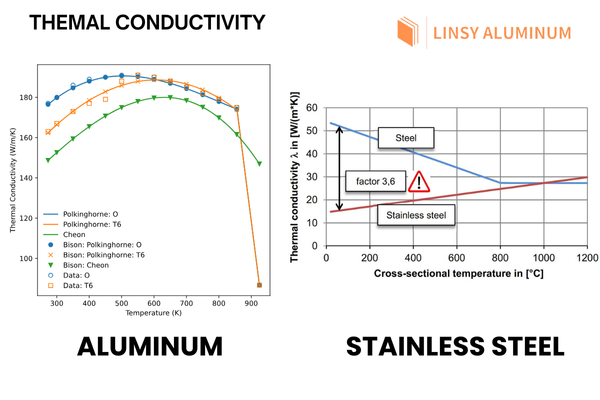
L'alluminio conduce il calore molto meglio dell'acciaio inossidabile, il che è essenziale per una rapida dissipazione del calore. L'elettronica si affida all'efficiente trasferimento di calore dell'alluminio per prevenire il surriscaldamento e mantenere prestazioni ottimali. Le pentole in alluminio distribuiscono il calore in modo uniforme, riducendo al minimo i punti caldi. L'acciaio inossidabile trattiene bene il calore, rendendolo una scelta migliore per isolamento, contenitori e parti strutturali ad alta temperatura dove si desidera la ritenzione del calore.
| Proprietà | Alluminio | Acciaio inox |
|---|---|---|
| Conduttività termica | Alto (~205 W/mK) | Basso (~15 W/mK) |
E. Resistenza al Calore
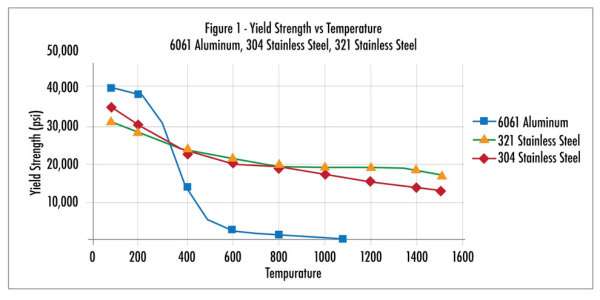
L'acciaio inossidabile gestisce le alte temperature con stabilità. Mantiene l'integrità strutturale in condizioni di calore elevato ed è comunemente utilizzato in forni, fornaci, sistemi di scarico e apparecchiature di lavorazione industriale. L'acciaio inossidabile mantiene sia la sua resistenza che la resistenza alla corrosione sotto esposizione prolungata ad alte temperature.
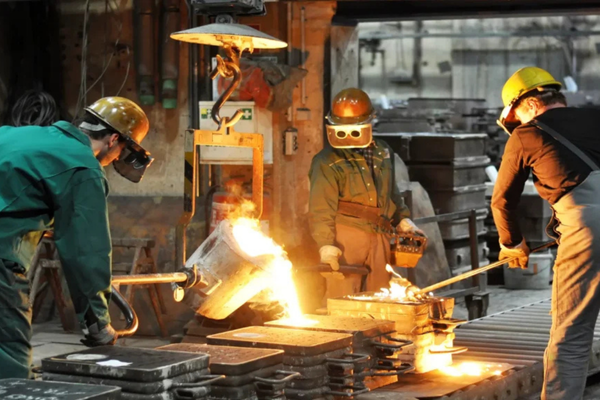
L'alluminio trasferisce il calore in modo efficiente ma fonde a una temperatura significativamente inferiore rispetto all'acciaio inossidabile. L'alluminio non è raccomandato per l'esposizione prolungata a calore estremo.
| Proprietà | Alluminio | Acciaio inox |
|---|---|---|
| Resistenza al calore | Fino a ~200°C (400°F) | Fino a ~815°C (1500°F) |
Applicazioni: Dove Ogni Materiale Eccelle
A. Industria aerospaziale
Nel settore aerospaziale, la selezione dei materiali deve bilanciare peso e resistenza. L'alluminio è la scelta dominante — fornisce l'integrità strutturale necessaria per i componenti aeronautici mantenendo il peso sufficientemente basso per un volo efficiente. La sua resistenza alla corrosione prolunga la durata dei componenti e riduce i costi di manutenzione.
B. Industria delle costruzioni
L'edilizia richiede durabilità, capacità portante e appeal visivo. L'acciaio inossidabile eccelle in questo ambito: resiste agli agenti atmosferici, offre molteplici finiture architettoniche e supporta strutture alte con manutenzione minima. La sua lunga durata di servizio lo rende conveniente nel corso dei decenni, e la sua estetica moderna si abbina a un'ampia gamma di stili architettonici.
C. Industria automobilistica
L'industria automobilistica si affida sempre più a materiali leggeri per soddisfare gli standard di efficienza del carburante senza compromettere la sicurezza. La combinazione di resistenza, basso peso e resistenza alla corrosione dell'alluminio lo rende un materiale preferito per componenti del motore, pannelli della carrozzeria, ruote e parti strutturali nei veicoli moderni.
Vantaggi e svantaggi
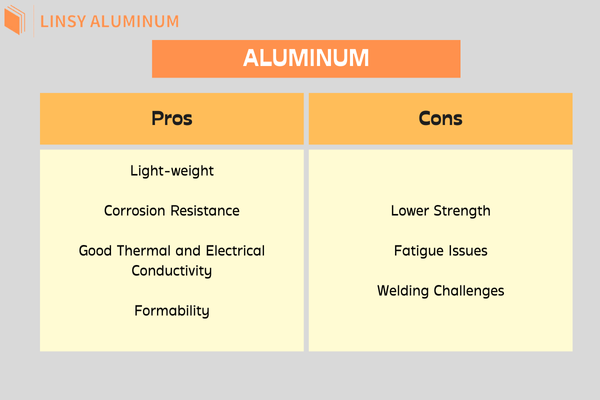
Vantaggi dell'Alluminio
- Leggero: Un terzo della densità dell'acciaio inossidabile, ideale per progetti sensibili al peso.
- Elevata conduttività termica: Eccellente per scambiatori di calore, pentole e involucri elettronici.
- Resistente alla corrosione: Lo strato di ossido auto-passivante protegge dalla corrosione atmosferica.
- Facilmente lavorabile e formabile: Costi di utensileria inferiori e produzione più rapida rispetto all'acciaio inossidabile.
- Riciclabile: L'alluminio può essere riciclato ripetutamente senza perdita di proprietà.
Limitazioni dell'Alluminio
- Resistenza assoluta inferiore: Non può eguagliare l'acciaio inossidabile in applicazioni portanti pesanti.
- Minore resistenza al calore: Il punto di fusione e le prestazioni ad alta temperatura sono limitati.
- Più suscettibile ai cloruri: Può corrodersi più rapidamente dell'acciaio inossidabile in ambienti marini o chimici, a meno che non si utilizzino leghe di grado marino.
- Maggiore dilatazione termica: Potrebbe richiedere accorgimenti progettuali per le fluttuazioni di temperatura.
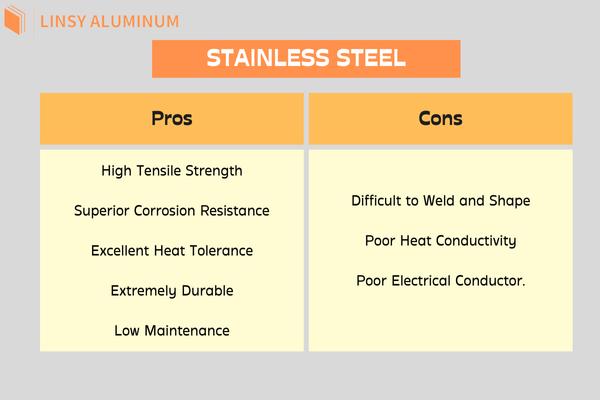
Vantaggi dell'Acciaio Inossidabile
- Alta resistenza: Resistenza a trazione fino a 1100 MPa — ideale per applicazioni strutturali e critiche per la sicurezza.
- Eccellente resistenza alla corrosione: La barriera di ossido di cromo protegge anche in ambienti chimici aggressivi e in acqua salata.
- Resistenza al calore superiore: Mantiene le proprietà a temperature fino a 815°C.
- Durevole e di lunga durata: Bassa manutenzione per decenni di servizio.
Limiti dell'acciaio inossidabile
- Pesante: Densità tre volte superiore a quella dell'alluminio — comporta costi significativi aggiuntivi di struttura e trasporto.
- Scarsa conducibilità termica: Non adatto ad applicazioni di dissipazione del calore.
- Più difficile da lavorare e formare: Costi di utensileria più elevati e velocità di produzione inferiori.
- Costo più elevato: Alcuni gradi e forme di acciaio inossidabile sono più costosi delle alternative in alluminio.
Conclusione
L'alluminio e l'acciaio inossidabile svolgono ciascuno ruoli distinti nell'ingegneria e nella produzione. Il compromesso fondamentale è semplice: l'alluminio offre costruzione leggera, elevata conducibilità termica e più facile fabbricazione — a scapito di una resistenza assoluta e una tolleranza al calore inferiori. L'acciaio inossidabile offre resistenza superiore, tolleranza al calore ed eccellente protezione dalla corrosione — ma con un peso triplo e una maggiore difficoltà di lavorazione.
Per progetti in cui peso, prestazioni termiche o producibilità sono la priorità, l'alluminio è la scelta migliore. Per applicazioni strutturali, ad alta temperatura o chimicamente aggressive, l'acciaio inossidabile è l'opzione comprovata.
Alluminio Linsy, una fabbrica di alluminio con sede a Shenzhen con oltre 20 anni di esperienza nel settore, fornisce alluminio delle serie 1000-8000 in forme di piastra, lamiera, barra, tubo, filo, bobina, profilo e blocco. La fabbrica opera con sistemi di gestione certificati ISO 9001, ISO 14001 e ISO 45001, con rapporti di prova SGS disponibili su richiesta e certificati di materiale (MTC) emessi con ogni ordine. La lavorazione interna include fresatura CNC, saldatura TIG e MIG, taglio laser, anodizzazione, lucidatura, finitura da laminazione e verniciatura a polvere. Il tempo di produzione personalizzato è di 10-60 giorni con opzioni di quantità minima d'ordine ridotta.
Contatta Linsy Aluminum oggi per discutere le tue esigenze di alluminio e richiedere un preventivo.
Domande frequenti
Qual è più leggero — alluminio o acciaio inossidabile?
L'alluminio pesa circa un terzo dell'acciaio inossidabile (densità 2,7 g/cm³ contro 7,9 g/cm³). Ciò rende l'alluminio la scelta chiara per applicazioni sensibili al peso come aeromobili, pannelli della carrozzeria automobilistica e attrezzature portatili.
Quale materiale è più resistente?
L'acciaio inossidabile è significativamente più resistente dell'alluminio, con resistenze a trazione che vanno da 520-1100 MPa rispetto ai 90-400 MPa delle leghe di alluminio. Tuttavia, l'alluminio offre un migliore rapporto resistenza-peso, il che significa che può fornire prestazioni strutturali adeguate con un peso molto inferiore.
L'alluminio è più economico dell'acciaio inossidabile?
Il costo dipende dal grado specifico della lega, dalla forma e dalla quantità. In generale, l'alluminio è meno costoso per chilogrammo come materia prima. Tuttavia, l'acciaio inossidabile può essere più conveniente in applicazioni in cui la sua maggiore resistenza consente sezioni più sottili. Anche i costi di lavorazione differiscono — l'alluminio è più facile da lavorare e formare, il che può ridurre le spese di fabbricazione.
Come si confrontano alluminio e acciaio inossidabile in termini di resistenza alla corrosione?
Entrambi i materiali resistono alla corrosione attraverso meccanismi diversi. L'alluminio forma uno strato di ossido autoprotettivo quando esposto all'aria. L'acciaio inossidabile si affida al suo contenuto di cromo per creare una barriera passiva. L'acciaio inossidabile generalmente offre prestazioni migliori in ambienti chimici aggressivi o in acqua salata, ma alcune leghe di alluminio specifiche (come la serie 5xxx di grado marino) possono gestire bene anche l'esposizione marina.
Quando dovrei scegliere l'alluminio invece dell'acciaio inossidabile?
Scegli l'alluminio quando la riduzione del peso è una priorità, quando hai bisogno di elevata conducibilità termica o elettrica, o quando la facile lavorabilità e formabilità sono importanti. Le applicazioni comuni includono componenti aerospaziali, scambiatori di calore, parti automobilistiche, involucri elettronici e strutture marine che utilizzano leghe di grado marino.
L'alluminio è sicuro per il contatto alimentare e le applicazioni mediche?
Alcune leghe di alluminio sono approvate dalla FDA per il contatto alimentare e sono ampiamente utilizzate in pentole, imballaggi alimentari e attrezzature di lavorazione. Per impianti medici e strumenti chirurgici, l'acciaio inossidabile (in particolare il grado 316L) è lo standard grazie alla sua superiore biocompatibilità e resistenza alla sterilizzazione ripetuta. L'alluminio è raramente utilizzato per dispositivi medici di grado impiantabile ma è comune negli involucri esterni di attrezzature mediche.