3003 与 6061:深入全面的比较

308751729937665_.pic

免费样品

308771729937665_.pic

中国制造商

308781729937665_.pic

快速反应

308761729937665_.pic

批量购买折扣

308771729937665_.pic

中国制造商

主要亮点

  • This article compares the 特性、应用和成本 铝合金 3003 和 6061。
  • 它研究了每种合金的化学成分和机械性能,突出了它们的优缺点。
  • 3003 铝因以下优点而闻名 其出色的成型性、良好的耐腐蚀性和经济性,使其适用于对强度要求不高的应用场合。
  • 而 6061 铝则可提供 强度更高、焊接性好、用途广泛,可应用于航空航天和汽车等要求苛刻的行业。
  • The article gives you a clear buyer framework to pick the right alloy for your specific job.

导言

Aluminum alloys show up in nearly every industry because they are lightweight, strong, and corrosion resistant. Among the many grades available, 3003 and 6061 are two of the most common, but they serve very different purposes. 3003 is a non-heat-treatable grade built for forming; 6061 is a heat-treatable grade built for strength. This guide compares 3003 and 6061 across composition, mechanical properties, workability, and cost so you can match the alloy to your application.

探索铝 3003 的基础知识

铝 3003 belongs to the 3000 series. These alloys are not strengthened by heat treatment. 3003 is valued for its easy formability, which lets it take complex shapes without special tooling. Manganese is the main alloying element. It raises the strength above pure aluminum while keeping the metal easy to work.

3003 also offers good corrosion resistance, especially outdoors. That, plus its low cost and easy fabrication, makes it a staple in construction, transportation, packaging, and consumer goods. If you are weighing sheet options, our guide to 3003 H14 aluminum covers tempers in more detail.

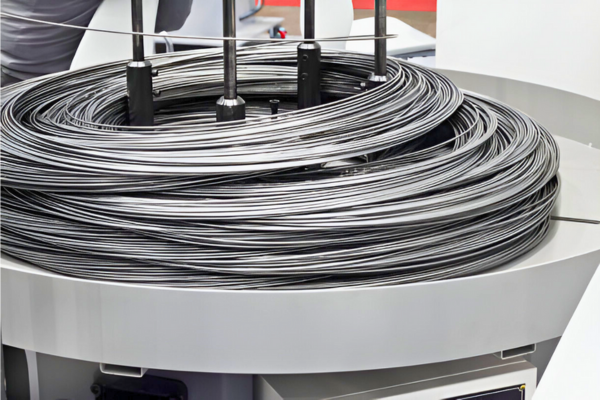
3003 铝线

3003 合金的主要特性

The standout feature of 3003 is its formability. It bends, shapes, and draws easily, which suits parts that need complex geometry. Its low yield strength and high ductility let it deform a lot before it fails.

3003 also resists corrosion well in normal atmosphere and many industrial environments. Surface treatments such as anodizing add a protective oxide layer and push that resistance further.

Weldability is another strong point. Common arc welding methods join it without trouble, and its chemistry lowers the risk of hot cracking compared with some heat-treatable alloys.

3003 的化学成分

Like all aluminum alloys, 3003 is mostly aluminum, over 90% by weight. The remaining fraction is alloying elements that shape its behavior.

Manganese is the primary addition, typically 1.0% to 1.5%. It lifts strength and gives a degree of work hardening versus pure aluminum.

Small amounts of copper, iron, silicon, and zinc may also be present. Keeping these trace elements in range protects machinability and corrosion resistance.

化学元素 内容 (%)
铝 (Al) 96.7% - 99%
锰 (Mn) 1.0% - 1.5%
铜 (Cu) 0.05% - 0.20%
铁(Fe) 0.70% 最大值
硅 (Si) 0.60% 最大值
锌 (Zn) 0.10% 最大值
其他 每个最大 0.05%,总计 0.15%

3003 铝的典型应用

The balance of 3003 铝 properties makes it a practical choice across industries. It pairs decent strength with easy forming, corrosion resistance, and a low price.

Its formability and corrosion resistance suit the food industry. Cookware such as pots, pans, and trays uses this alloy because it handles heat and resists food acids.

其他常见用途包括

  • 一般钣金工作: 屋面板、护墙板、排水沟、落水管
  • 化学设备: 储罐、加工设备
  • 暖通空调组件: 管道系统、热交换器
  • 包装 易拉罐、瓶盖
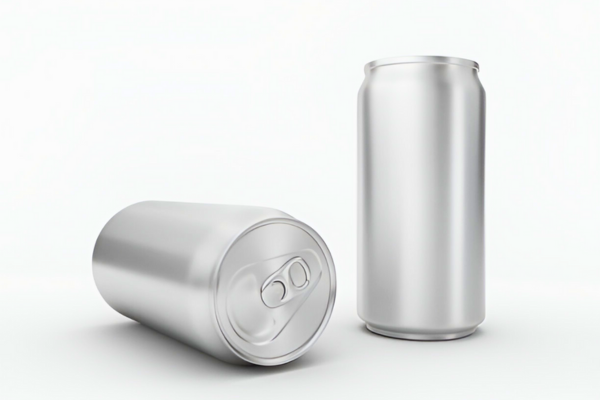
3003 铝罐

深入了解 6061 铝的特性

6061 铝 是一个 6000 系列 alloy. It responds strongly to heat treatment, which is what gives it much higher strength. That strength comes from its key alloying elements, silicon and magnesium, which make it versatile and widely used.

6061 appears in structural components for buildings and bridges, and in complex parts for aircraft and vehicles. It fits demanding jobs because it combines good strength, weldability, and corrosion resistance.

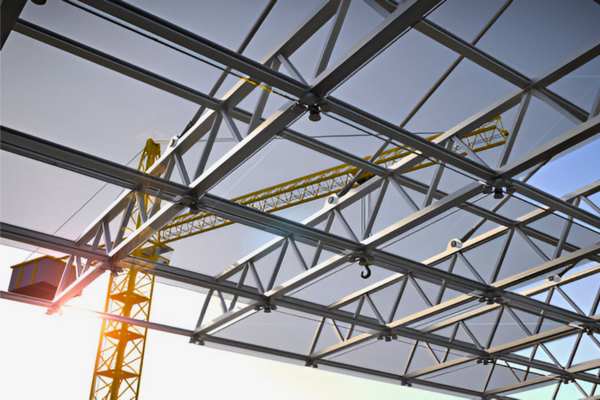
用于结构性建筑的 6061 铝材

6061 合金的核心特点

The main advantage of 6061 is its strength, especially in the T6 temper. Next to 3003, 6061 has higher yield and tensile strengths, so it carries more load and stress.

6061 also welds readily with MIG, TIG, and arc methods. The catch is heat control: weld too hot and you lose strength in the heat-affected zone, so manage parameters and filler choice.

Its real value is versatility. A balanced mix of strength, weldability, machinability, and corrosion resistance lets it serve many industries, which is why engineers reach for it as a general-purpose structural alloy.

6061 的化学成分

6061 owes its properties to a balanced chemistry. Over 95% is aluminum; the rest are alloying elements that create its character.

Silicon and magnesium are the main additions, roughly 0.4% to 0.8% silicon and 0.8% to 1.2% magnesium. Together they form magnesium silicide (Mg2Si), the phase that makes the alloy heat-treatable and raises strength.

Small copper and chromium additions tune specific traits such as machinability and corrosion resistance. Copper, for example, helps refine grain structure, which aids machining.

化学元素 内容 (%)
铝 (Al) 95.8% - 98.6%
镁(Mg) 0.8% - 1.2%
硅 (Si) 0.4% - 0.8%
铁(Fe) 0.7% 最大值
铜 (Cu) 0.15% - 0.40%
铬 (Cr) 0.04% - 0.35%
锌 (Zn) 0.25% 最大值
锰 (Mn) 0.15% 最大值
钛 (Ti) 0.15% 最大值
其他 每个最大 0.05%,总计 0.15%

6061 铝的常见用途

6061 is popular because it is strong yet light, which helps in transportation, especially automotive and aerospace, where lower weight improves fuel economy without sacrificing strength.

Construction also uses 6061 in buildings, bridges, railings, and ladders. Its strength, corrosion resistance, and weldability make it a default choice for fabricated structures.

Common uses include:

  • 航空航天 Wing components and fuselage sections
  • 汽车零部件: Wheels, chassis elements, engine parts
  • 结构部件: Beams, columns, trusses
  • 娱乐设备: Bicycle frames, marine parts, fishing reels
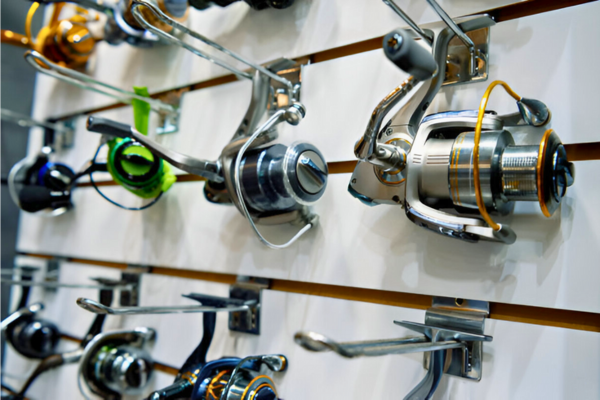
6061 铝应用

正面比较:3003 与 6061

We have covered each alloy on its own. Now we compare them directly to show where they diverge and which jobs each one owns. Both have strengths, but they win in different scenarios depending on what the project demands.

These differences matter when you select material for engineering or manufacturing. The sections below look at mechanical properties, workability, and cost so you can decide which alloy fits a given situation.

比较机械性能

On strength, the gap is large. 6061 clearly wins, with much higher yield strength, tensile strength, and hardness, particularly in the heat-treated T6 condition.

Yield strength, the point where permanent deformation begins, is far higher in 6061 than in 3003. That gap shows 6061’s ability to carry load before it deforms plastically.

The table below summarizes the key mechanical numbers:

财产 3003-H14 6061-T6
屈服强度(磅/平方英寸) 17000-24000 35000-40000
拉伸强度(磅/平方英寸) 22000 42000
硬度 (HB) 40 95

成型性和焊接性分析

Where 6061 is strong, 3003 is easier to form. It bends and shapes into complex designs without special tooling, which makes it ideal for detailed panels and curved parts.

Both weld well, but 3003 has a slight edge because it is less prone to cracking as it cools. 6061 still welds successfully when you control heat and use the right filler.

When choosing between them, match the alloy to the job: pick 3003 for formability and easy fabrication, and 6061 when you need higher strength and load capacity.

Cost Comparison: 3003 vs. 6061

On price, 3003 is usually cheaper than 6061. The lower cost comes from a simpler production route and the fact that it skips heat treatment, which adds expense.

Affordability alone should not drive the decision. If your part needs the strength, durability, or machinability of 6061, the extra cost often pays off in performance and longer service life. Balance material price against what the application actually requires.

结论

The trade-off is straightforward: 3003 wins on cost and formability, while 6061 wins on strength and load capacity. Choose 3003 for formed sheet, cookware, and decorative or low-stress parts; choose 6061 for structural, automotive, and aerospace work where strength matters more than price.

林西铝业, we supply both 30036061 in a range of tempers and shapes, with mill test reports available on request. Our team helps you match the right grade and temper to your drawing instead of overspecifying material.

  • Grade and temper range: 3003 (O/H14/H22) and 6061 (T4/T6/T651) across sheet, bar, tube, and profile.
  • Quality control: Dimensional and mechanical checks per order, with SGS test reports available on request at extra cost.
  • Engineering support: We review your application and recommend the lowest-cost alloy that still meets the spec.

Tell us your application and target properties, and we will quote the right alloy and temper for your project. Get a Quote

常见问题

Which is stronger, 3003 or 6061 aluminum?

6061 is significantly stronger. In comparable tempers, 6061-T6 reaches about 35,000–40,000 psi yield strength versus 17,000–24,000 psi for 3003-H14, and roughly double the hardness. Use 6061 wherever the part carries real load.

Can 3003 and 6061 be welded?

Both weld well. 3003 is less prone to hot cracking, so it is the easier of the two. 6061 welds reliably with MIG or TIG when you control heat input and pick the correct filler, typically 4043 or 5356, to protect strength in the heat-affected zone.

Is 6061 more expensive than 3003?

Yes, 6061 usually costs more because heat treatment adds a production step and the alloy uses more expensive additions. For formed or low-stress parts, 3003 is the cheaper and often better fit.

Which alloy should I choose for outdoor use?

Both resist corrosion well, so either works outdoors. Pick 3003 for formed cladding, gutters, and panels where formability drives the design, and 6061 for outdoor structures that must carry load, such as frames, railings, and supports.

黄大卫

David Huang 是中国铝合金行业备受尊敬的专家,在先进铝合金的开发、制造和应用方面拥有十多年的经验。他曾成功地为航空航天、汽车和建筑等不同领域的全球领先企业提供项目解决方案和专业技术知识。此外,David 还是中国多家主要铝材制造商值得信赖的顾问。

全天候服务 10 分钟内响应!

如需更多产品目录、详细信息和报价,请直接与我们联系!

WhatsApp 电话