Hoogtepunten
- Dit artikel vergelijkt de eigenschappen, toepassingen en kosten van aluminiumlegeringen 3003 en 6061.
- Het onderzoekt de chemische samenstelling en mechanische eigenschappen van elke legering en benadrukt hun sterke en zwakke punten.
- 3003 aluminium staat bekend om de uitstekende vervormbaarheid, goede corrosiebestendigheid en betaalbaarheid, waardoor het geschikt is voor toepassingen waarbij een hoge sterkte niet kritisch is.
- 6061 aluminium daarentegen biedt hogere sterkte, goede lasbaarheid en veelzijdigheid, die toepassingen vinden in veeleisende industrieën zoals de lucht- en ruimtevaart en de auto-industrie.
- Het artikel biedt u een duidelijk inkoopkader om de juiste legering voor uw specifieke toepassing te kiezen.
Inleiding
Aluminiumlegeringen komen in bijna elke industrie voor omdat ze lichtgewicht, sterk en corrosiebestendig zijn. Van de vele beschikbare kwaliteiten zijn 3003 en 6061 twee van de meest voorkomende, maar ze dienen zeer verschillende doeleinden. 3003 is een niet-warmtebehandelbare kwaliteit die is ontworpen voor vervorming; 6061 is een warmtebehandelbare kwaliteit die is ontworpen voor sterkte. Deze gids vergelijkt 3003 en 6061 op het gebied van samenstelling, mechanische eigenschappen, bewerkbaarheid en kosten, zodat u de legering kunt afstemmen op uw toepassing.
De basisprincipes van aluminium 3003 onderzoeken
Aluminium 3003 behoort tot de 3000-serie. Deze legeringen worden niet versterkt door warmtebehandeling. 3003 wordt gewaardeerd om zijn goede vervormbaarheid, waardoor het complexe vormen kan aannemen zonder speciaal gereedschap. Mangaan is het belangrijkste legeringselement. Het verhoogt de sterkte boven die van zuiver aluminium, terwijl het metaal gemakkelijk te bewerken blijft.
3003 biedt ook goede corrosiebestendigheid, vooral buitenshuis. Dat, plus de lage kosten en eenvoudige fabricage, maakt het een basisproduct in de bouw, transport, verpakking en consumptiegoederen. Als u plaatopties overweegt, behandelt onze gids over 3003 H14 aluminium de temperen in meer detail.
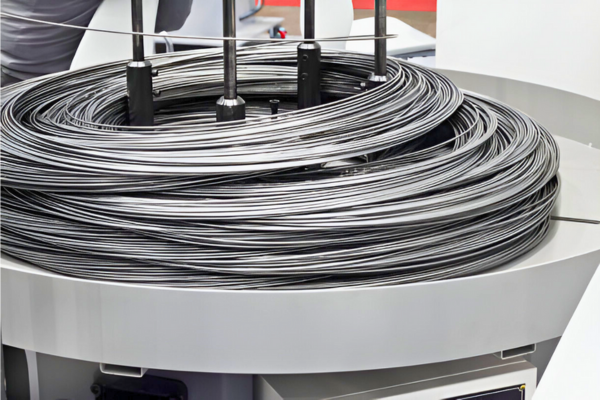
Essentiële eigenschappen van legering 3003
Het opvallende kenmerk van 3003 is de vervormbaarheid. Het buigt, vormt en trekt gemakkelijk, wat geschikt is voor onderdelen die complexe geometrie vereisen. De lage vloeigrens en hoge ductiliteit zorgen ervoor dat het veel kan vervormen voordat het faalt.
3003 is ook goed bestand tegen corrosie in normale atmosfeer en veel industriële omgevingen. Oppervlaktebehandelingen zoals anodiseren voegen een beschermende oxidelaag toe en versterken die weerstand verder.
Lasbaarheid is een ander sterk punt. Gangbare booglasmethoden verbinden het zonder problemen, en de chemische samenstelling verlaagt het risico op hete scheuren in vergelijking met sommige warmtebehandelbare legeringen.
Chemische samenstelling van 3003
Zoals alle aluminiumlegeringen bestaat 3003 voornamelijk uit aluminium, meer dan 90% per gewicht. Het resterende deel bestaat uit legeringselementen die het gedrag bepalen.
Mangaan is de primaire toevoeging, doorgaans 1,0% tot 1,5%. Het verhoogt de sterkte en geeft een zekere mate van koudversteviging ten opzichte van zuiver aluminium.
Kleine hoeveelheden koper, ijzer, silicium en zink kunnen ook aanwezig zijn. Het binnen de grenzen houden van deze sporenelementen beschermt de bewerkbaarheid en corrosiebestendigheid.
| Chemisch element | Inhoud (%) |
| Aluminium (Al) | 96,7% - 99% |
| Mangaan (Mn) | 1,0% - 1,5% |
| Koper (Cu) | 0,05% - 0,20% |
| IJzer (Fe) | 0,70% max |
| Silicium (Si) | 0,60% max |
| Zink (Zn) | 0,10% max |
| Anderen | 0,05% max elk, 0,15% totaal |
Typische toepassingen van aluminium 3003
De balans van 3003 aluminium eigenschappen maakt het een praktische keuze in verschillende industrieën. Het combineert redelijke sterkte met eenvoudige vervorming, corrosiebestendigheid en een lage prijs.
De vervormbaarheid en corrosiebestendigheid maken het geschikt voor de voedingsmiddelenindustrie. Kookgerei zoals potten, pannen en bakplaten gebruikt deze legering omdat het hitte goed verdraagt en bestand is tegen voedingszuren.
Andere veelvoorkomende toepassingen zijn:
- Algemeen plaatwerk: Dakplaten, bevelsiding, goten, regenpijpen
- Chemische apparatuur: Opslagtanks, verwerkingsapparatuur
- HVAC-componenten: Kanalen, warmtewisselaars
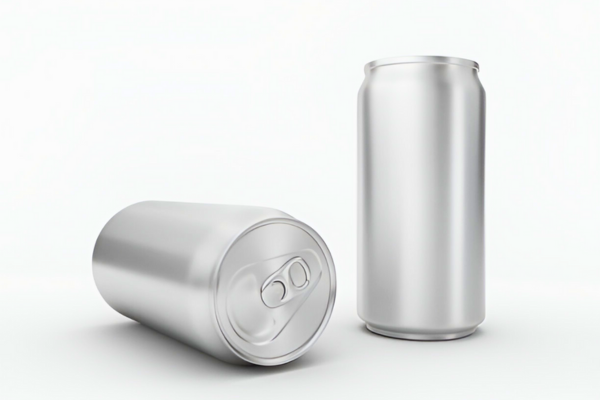
- Verpakking: Blikjes, flessendoppen
Duiken in de eigenschappen van aluminium 6061
6061 aluminium is een 6000 serie legering. Het reageert sterk op warmtebehandeling, wat het zijn veel hogere sterkte geeft. Die sterkte komt van de belangrijkste legeringselementen, silicium en magnesium, die het veelzijdig en breed toepasbaar maken.
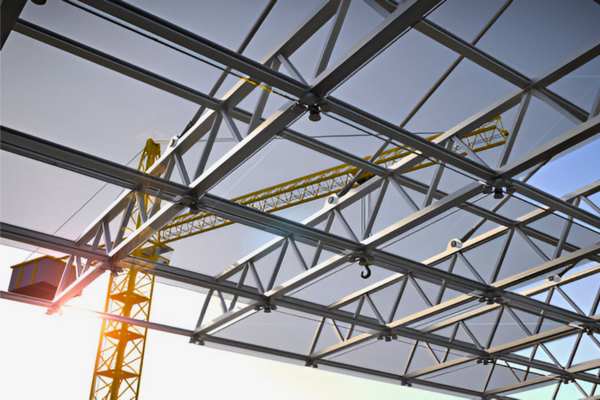
6061 komt voor in constructieve componenten voor gebouwen en bruggen, en in complexe onderdelen voor vliegtuigen en voertuigen. Het is geschikt voor veeleisende toepassingen omdat het goede sterkte, lasbaarheid en corrosiebestendigheid combineert.
Belangrijkste eigenschappen van legering 6061
Het belangrijkste voordeel van 6061 is de sterkte, vooral in de T6-temper. Vergeleken met 3003 heeft 6061 hogere vloeigrenzen en treksterkten, waardoor het meer belasting en spanning kan dragen.
6061 laat zich ook goed lassen met MIG, TIG en boogmethoden. Het punt is warmtebeheersing: te heet lassen en u verliest sterkte in de warmte-beïnvloede zone, dus beheer de parameters en de keuze van het toevoegmateriaal.
De echte waarde is veelzijdigheid. Een evenwichtige mix van sterkte, lasbaarheid, bewerkbaarheid en corrosiebestendigheid maakt dat het in veel industrieën kan worden ingezet, daarom grijpen ingenieurs er als algemene constructielegering naar.
Chemische samenstelling van 6061
6061 dankt zijn eigenschappen aan een evenwichtige chemische samenstelling. Meer dan 95% is aluminium; de rest zijn legeringselementen die het karakter bepalen.
Silicium en magnesium zijn de belangrijkste toevoegingen, ongeveer 0,4% tot 0,8% silicium en 0,8% tot 1,2% magnesium. Samen vormen ze magnesiumsilicide (Mg2Si), de fase die de legering warmtebehandelbaar maakt en de sterkte verhoogt.
Kleine koper- en chroomtoevoegingen stemmen specifieke eigenschappen af, zoals bewerkbaarheid en corrosiebestendigheid. Koper bijvoorbeeld helpt de korrelstructuur te verfijnen, wat de bewerking ten goede komt.
| Chemisch element | Inhoud (%) |
| Aluminium (Al) | 95,8% - 98,6% |
| Magnesium (Mg) | 0,8% - 1,2% |
| Silicium (Si) | 0,4% - 0,8% |
| IJzer (Fe) | 0,7% max |
| Koper (Cu) | 0,15% - 0,40% |
| Chroom (Cr) | 0,04% - 0,35% |
| Zink (Zn) | 0,25% max |
| Mangaan (Mn) | 0,15% max |
| Titanium (Ti) | 0,15% max |
| Anderen | 0,05% max elk, 0,15% totaal |
Gebruik van aluminium 6061
6061 is populair omdat het sterk maar toch licht is, wat helpt in de transportsector, vooral in de automobiel- en luchtvaartindustrie, waar een lager gewicht het brandstofverbruik verbetert zonder sterkte op te offeren.
De bouw gebruikt 6061 ook in gebouwen, bruggen, hekken en ladders. De sterkte, corrosiebestendigheid en lasbaarheid maken het een standaardkeuze voor gefabriceerde constructies.
Veelvoorkomende toepassingen zijn:
- Ruimtevaart: Vleugelcomponenten en rompsecties
- Auto-onderdelen: Wielen, chassisonderdelen, motoronderdelen
- Structurele onderdelen: Balken, kolommen, spanten
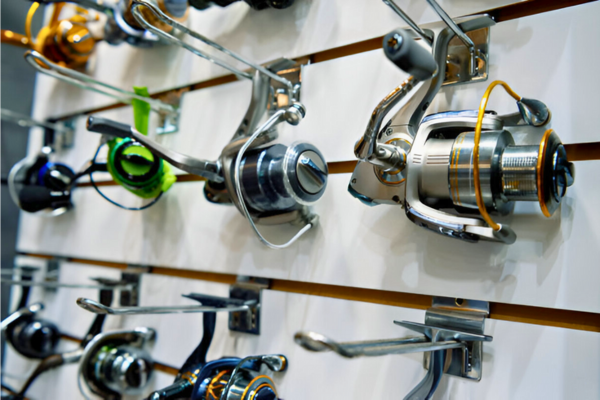
- Recreatie-uitrusting: Fietsframes, maritieme onderdelen, vishengels
Hoofd-tegen-hoofd vergelijking: 3003 vs. 6061
We hebben elke legering afzonderlijk behandeld. Nu vergelijken we ze direct om te laten zien waar ze verschillen en welke toepassingen elk van hen beheerst. Beide hebben sterke punten, maar ze winnen in verschillende scenario's, afhankelijk van wat het project vereist.
Deze verschillen zijn belangrijk bij het selecteren van materiaal voor engineering of productie. De onderstaande secties bekijken mechanische eigenschappen, bewerkbaarheid en kosten, zodat u kunt beslissen welke legering voor een bepaalde situatie geschikt is.
Mechanische eigenschappen vergelijken
Op het gebied van sterkte is de kloof groot. 6061 wint duidelijk, met veel hogere vloeigrens, treksterkte en hardheid, vooral in de warmtebehandelde T6-conditie.
De vloeigrens, het punt waarop permanente vervorming begint, is in 6061 veel hoger dan in 3003. Die kloof toont het vermogen van 6061 om belasting te dragen voordat het plastisch vervormt.
De onderstaande tabel vat de belangrijkste mechanische waarden samen:
| Eigendom | 3003-H14 | 6061-T6 |
| Opbrengststerkte (psi) | 17000-24000 | 35000-40000 |
| Treksterkte (psi) | 22000 | 42000 |
| Hardheid (HB) | 40 | 95 |
Analyse van vervormbaarheid en lasbaarheid
Waar 6061 sterk is, is 3003 gemakkelijker te vervormen. Het buigt en vormt tot complexe ontwerpen zonder speciaal gereedschap, wat het ideaal maakt voor gedetailleerde panelen en gebogen onderdelen.
Beide lassen goed, maar 3003 heeft een klein voordeel omdat het minder gevoelig is voor scheuren tijdens het afkoelen. 6061 laat zich nog steeds succesvol lassen wanneer u de warmte beheerst en het juiste toevoegmateriaal gebruikt.
Bij het kiezen tussen beide, stemt u de legering af op de toepassing: kies 3003 voor vervormbaarheid en eenvoudige fabricage, en 6061 wanneer u hogere sterkte en draagvermogen nodig heeft.
Kostenvergelijking: 3003 vs. 6061
Op prijs is 3003 doorgaans goedkoper dan 6061. De lagere kosten komen voort uit een eenvoudiger productietraject en het feit dat warmtebehandeling, die extra kosten met zich meebrengt, wordt overgeslagen.
Betaalbaarheid alleen mag de beslissing niet sturen. Als uw onderdeel de sterkte, duurzaamheid of bewerkbaarheid van 6061 nodig heeft, betaalt de extra kost zich vaak terug in prestaties en een langere levensduur. Weeg de materiaalprijs af tegen wat de toepassing daadwerkelijk vereist.
Conclusie
De afweging is eenvoudig: 3003 wint op kosten en vervormbaarheid, terwijl 6061 wint op sterkte en draagvermogen. Kies 3003 voor gevormde plaat, kookgerei en decoratieve of laagbelaste onderdelen; kies 6061 voor constructieve, automobiel- en luchtvaarttoepassingen waar sterkte belangrijker is dan prijs.
Op Aluminium Linsy, leveren wij beide 3003 en 6061 in een reeks temperen en vormen, met mill test rapporten op verzoek beschikbaar. Ons team helpt u de juiste kwaliteit en temper af te stemmen op uw tekening in plaats van materiaal te overspecificeren.
- Kwaliteits- en temperassortiment: 3003 (O/H14/H22) en 6061 (T4/T6/T651) in plaat, staaf, buis en profiel.
- Kwaliteitscontrole: Dimensionale en mechanische controles per order, met SGS-testrapporten op verzoek beschikbaar tegen meerprijs.
- Technische ondersteuning: Wij beoordelen uw toepassing en adviseren de meest kosteneffectieve legering die nog steeds aan de specificatie voldoet.
Vertel ons uw toepassing en beoogde eigenschappen, en wij bieden u de juiste legering en temper voor uw project aan. Vraag een offerte aan
FAQ
Welke is sterker, 3003 of 6061 aluminium?
6061 is aanzienlijk sterker. In vergelijkbare temperen bereikt 6061-T6 ongeveer 35.000–40.000 psi vloeigrens versus 17.000–24.000 psi voor 3003-H14, en ongeveer het dubbele van de hardheid. Gebruik 6061 overal waar het onderdeel daadwerkelijk belasting draagt.
Kunnen 3003 en 6061 worden gelast?
Beide lassen goed. 3003 is minder gevoelig voor hete scheuren, dus het is de gemakkelijkste van de twee. 6061 last betrouwbaar met MIG of TIG wanneer u de warmte-inbreng beheerst en het juiste toevoegmateriaal kiest, doorgaans 4043 of 5356, om de sterkte in de warmte-beïnvloede zone te beschermen.
Is 6061 duurder dan 3003?
Ja, 6061 kost meestal meer omdat warmtebehandeling een productiestap toevoegt en de legering duurdere toevoegingen gebruikt. Voor gevormde of laagbelaste onderdelen is 3003 de goedkopere en vaak betere keuze.
Welke legering moet ik kiezen voor buitengebruik?
Beide zijn goed corrosiebestendig, dus beide werken buitenshuis. Kies 3003 voor gevormde bekleding, goten en panelen waar vervormbaarheid het ontwerp bepaalt, en 6061 voor buitenconstructies die belasting moeten dragen, zoals frames, hekken en steunen.