Punti salienti
- Questo articolo confronta i proprietà, applicazioni e costi di leghe di alluminio 3003 e 6061.
- Esamina la composizione chimica e le proprietà meccaniche di ciascuna lega, evidenziandone i punti di forza e di debolezza.
- L'alluminio 3003 è noto per L'eccellente formabilità, la buona resistenza alla corrosione e l'economicità lo rendono adatto ad applicazioni in cui l'alta resistenza non è fondamentale.
- L'alluminio 6061, d'altra parte, offre resistenza superiore, buona saldabilità e versatilità, trovando applicazione in settori esigenti come quello aerospaziale e automobilistico.
- L'articolo fornisce un chiaro quadro di riferimento per l'acquirente, utile a selezionare la lega giusta per la specifica applicazione.
Introduzione
Le leghe di alluminio sono presenti in quasi tutti i settori industriali perché sono leggere, resistenti e anticorrosione. Tra le molte qualità disponibili, la 3003 e la 6061 sono due delle più comuni, ma servono a scopi molto diversi. La 3003 è una lega non trattabile termicamente, progettata per la formatura; la 6061 è una lega trattabile termicamente, progettata per la resistenza. Questa guida confronta la 3003 e la 6061 in termini di composizione, proprietà meccaniche, lavorabilità e costo, così da poter abbinare la lega alla propria applicazione.
Esplorare le basi dell'alluminio 3003
Alluminio 3003 Appartiene alla serie 3000. Queste leghe non vengono irrobustite mediante trattamento termico. La 3003 è apprezzata per la sua facile formabilità, che le consente di assumere forme complesse senza attrezzature speciali. Il manganese è il principale elemento di lega. Esso aumenta la resistenza rispetto all'alluminio puro, mantenendo al contempo il metallo facile da lavorare.
La 3003 offre inoltre una buona resistenza alla corrosione, soprattutto all'aperto. Questo, unito al basso costo e alla facile fabbricazione, la rende un punto di riferimento nei settori dell'edilizia, dei trasporti, dell'imballaggio e dei beni di consumo. Se stai valutando le opzioni per le lamiere, la nostra guida su alluminio 3003 H14 tratta i temperamenti in modo più dettagliato.
Proprietà chiave della lega 3003
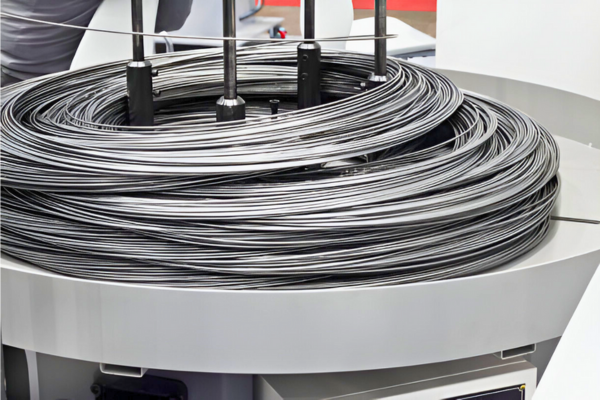
La caratteristica distintiva della 3003 è la sua formabilità. Si piega, si modella e si trafilatura facilmente, il che la rende adatta a componenti che richiedono geometrie complesse. Il suo basso carico di snervamento e l'elevata duttilità le consentono di deformarsi notevolmente prima di rompersi.
La 3003 resiste bene anche alla corrosione in atmosfera normale e in molti ambienti industriali. Trattamenti superficiali come l'anodizzazione aggiungono uno strato protettivo di ossido e spingono ulteriormente questa resistenza.
La saldabilità è un altro punto di forza. I comuni metodi di saldatura ad arco la uniscono senza problemi, e la sua chimica riduce il rischio di cricche a caldo rispetto ad alcune leghe trattabili termicamente.
Composizione chimica di 3003
Come tutte le leghe di alluminio, la 3003 è composta principalmente da alluminio, oltre il 90% in peso. La frazione rimanente è costituita da elementi di lega che ne determinano il comportamento.
Il manganese è l'aggiunta principale, tipicamente tra l'1,0% e l'1,5%. Esso aumenta la resistenza e conferisce un certo grado di incrudimento rispetto all'alluminio puro.
Possono essere presenti anche piccole quantità di rame, ferro, silicio e zinco. Mantenere questi elementi in traccia entro i limiti protegge la lavorabilità e la resistenza alla corrosione.
| Elemento chimico | Contenuto (%) |
| Alluminio (Al) | 96.7% - 99% |
| Manganese (Mn) | 1,0% - 1,5% |
| Rame (Cu) | 0,05% - 0,20% |
| Ferro (Fe) | 0,70% max |
| Silicio (Si) | 0,60% max |
| Zinco (Zn) | 0,10% max |
| Altri | 0,05% max ciascuno, 0,15% totale |
Applicazioni tipiche dell'alluminio 3003
L'equilibrio delle Alluminio 3003 proprietà la rende una scelta pratica in tutti i settori industriali. Abbina una discreta resistenza a una facile formatura, alla resistenza alla corrosione e a un prezzo contenuto.
La sua formabilità e resistenza alla corrosione la rendono adatta all'industria alimentare. Utensili da cucina come pentole, padelle e vassoi utilizzano questa lega perché gestisce il calore e resiste agli acidi alimentari.
Altri usi comuni sono:
- Lavori generali in lamiera: Pannelli di copertura, rivestimenti, grondaie e pluviali
- Attrezzature chimiche: Serbatoi di stoccaggio, attrezzature di lavorazione
- Componenti HVAC: Canalizzazioni, scambiatori di calore
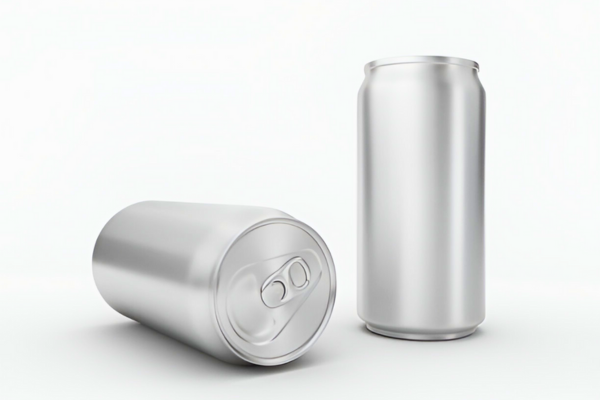
- Imballaggio: Lattine, tappi di bottiglia
Approfondimento sulle caratteristiche dell'alluminio 6061
Alluminio 6061 è un Serie 6000 lega. Risponde fortemente al trattamento termico, che è ciò che le conferisce una resistenza molto maggiore. Questa resistenza deriva dai suoi principali elementi di lega, silicio e magnesio, che la rendono versatile e ampiamente utilizzata.
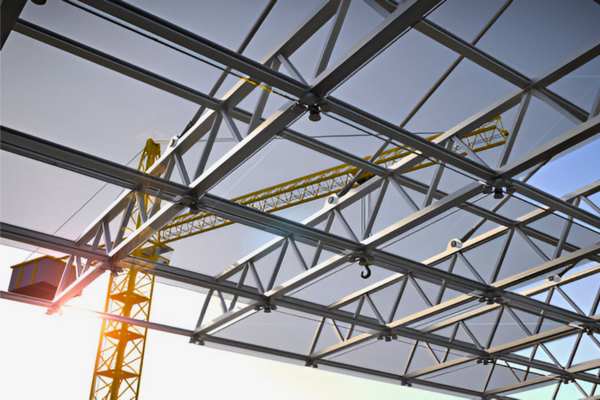
La 6061 è presente nei componenti strutturali per edifici e ponti, e in parti complesse per aeromobili e veicoli. Si adatta a lavori impegnativi perché combina buona resistenza, saldabilità e resistenza alla corrosione.
Caratteristiche principali della lega 6061
Il principale vantaggio della 6061 è la sua resistenza, soprattutto nel temperamento T6. Rispetto alla 3003, la 6061 ha carichi di snervamento e di rottura più elevati, quindi sopporta più carico e stress.
La 6061 si salda facilmente anche con i metodi MIG, TIG e ad arco. Il problema è il controllo del calore: saldando troppo caldo si perde resistenza nella zona termicamente alterata, quindi è necessario gestire i parametri e la scelta del materiale d'apporto.
Il suo vero valore è la versatilità. Una miscela equilibrata di resistenza, saldabilità, lavorabilità e resistenza alla corrosione le consente di servire molti settori, motivo per cui gli ingegneri la scelgono come lega strutturale per uso generale.
Composizione chimica di 6061
La 6061 deve le sue proprietà a una chimica equilibrata. Oltre il 95% è alluminio; il resto sono elementi di lega che ne creano il carattere.
Silicio e magnesio sono le principali aggiunte, circa 0,4%–0,8% di silicio e 0,8%–1,2% di magnesio. Insieme formano il siliciuro di magnesio (Mg2Si), la fase che rende la lega trattabile termicamente e ne aumenta la resistenza.
Piccole aggiunte di rame e cromo regolano caratteristiche specifiche come la lavorabilità e la resistenza alla corrosione. Il rame, ad esempio, aiuta ad affinare la struttura del grano, favorendo la lavorazione meccanica.
| Elemento chimico | Contenuto (%) |
| Alluminio (Al) | 95,8% - 98,6% |
| Magnesio (Mg) | 0,8% - 1,2% |
| Silicio (Si) | 0,4% - 0,8% |
| Ferro (Fe) | 0,7% max |
| Rame (Cu) | 0,15% - 0,40% |
| Cromo (Cr) | 0,04% - 0,35% |
| Zinco (Zn) | 0,25% max |
| Manganese (Mn) | 0,15% max |
| Titanio (Ti) | 0,15% max |
| Altri | 0,05% max ciascuno, 0,15% totale |
Usi comuni dell'alluminio 6061
La 6061 è popolare perché è resistente ma leggera, il che aiuta nei trasporti, soprattutto nel settore automobilistico e aerospaziale, dove un peso inferiore migliora il consumo di carburante senza sacrificare la resistenza.
Anche l'edilizia utilizza la 6061 in edifici, ponti, ringhiere e scale. La sua resistenza, la resistenza alla corrosione e la saldabilità la rendono una scelta predefinita per le strutture fabbricate.
Gli usi comuni includono:
- Aerospaziale: Componenti alari e sezioni di fusoliera
- Parti automobilistiche: Ruote, elementi del telaio, parti del motore
- Componenti strutturali: Travi, colonne, capriate
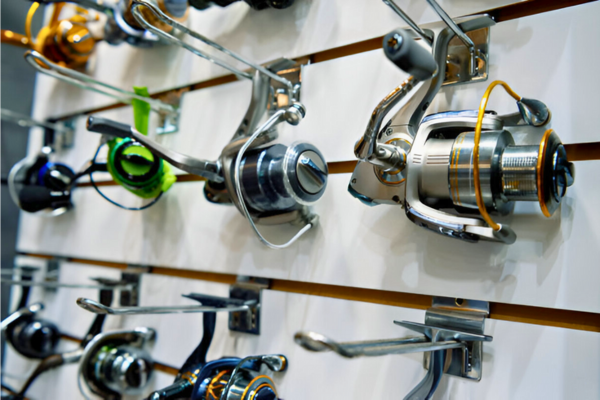
- Attrezzature ricreative: Telai di biciclette, parti marine, mulinelli da pesca
Confronto testa a testa: 3003 vs. 6061
Abbiamo trattato ciascuna lega singolarmente. Ora le confrontiamo direttamente per mostrare dove divergono e quali lavori ciascuna svolge al meglio. Entrambe hanno punti di forza, ma vincono in scenari diversi a seconda di ciò che il progetto richiede.
Queste differenze contano quando si seleziona il materiale per l'ingegneria o la produzione. Le sezioni seguenti esaminano le proprietà meccaniche, la lavorabilità e il costo, così da poter decidere quale lega si adatta a una data situazione.
Confronto delle proprietà meccaniche
Per quanto riguarda la resistenza, il divario è ampio. La 6061 vince chiaramente, con carichi di snervamento, di rottura e durezza molto più elevati, in particolare nella condizione trattata termicamente T6.
Il carico di snervamento, il punto in cui inizia la deformazione permanente, è molto più alto nella 6061 che nella 3003. Questo divario mostra la capacità della 6061 di sopportare il carico prima di deformarsi plasticamente.
La tabella seguente riassume i principali valori meccanici:
| Proprietà | 3003-H14 | 6061-T6 |
| Resistenza allo snervamento (psi) | 17000-24000 | 35000-40000 |
| Resistenza alla trazione (psi) | 22000 | 42000 |
| Durezza (HB) | 40 | 95 |
Analisi della formabilità e della saldabilità
Dove la 6061 è resistente, la 3003 è più facile da formare. Si piega e si modella in design complessi senza attrezzature speciali, il che la rende ideale per pannelli dettagliati e parti curve.
Entrambe saldano bene, ma la 3003 ha un leggero vantaggio perché è meno soggetta a cricche durante il raffreddamento. La 6061 salda comunque con successo quando si controlla il calore e si usa il materiale d'apporto giusto.
Quando si sceglie tra le due, si abbini la lega al lavoro: scegliere la 3003 per la formabilità e la facile fabbricazione, e la 6061 quando serve una maggiore resistenza e capacità di carico.
Confronto dei costi: 3003 vs. 6061
Sul prezzo, la 3003 è solitamente più economica della 6061. Il costo inferiore deriva da un processo di produzione più semplice e dal fatto che salta il trattamento termico, che aggiunge spese.
L'accessibilità economica da sola non dovrebbe guidare la decisione. Se il tuo componente richiede la resistenza, la durata o la lavorabilità della 6061, il costo aggiuntivo spesso si ripaga in termini di prestazioni e durata di servizio più lunga. Bilancia il prezzo del materiale rispetto a ciò che l'applicazione richiede effettivamente.
Conclusione
Il compromesso è semplice: la 3003 vince su costo e formabilità, mentre la 6061 vince su resistenza e capacità di carico. Scegli la 3003 per lamiere formate, pentole e parti decorative o a basso stress; scegli la 6061 per lavori strutturali, automobilistici e aerospaziali dove la resistenza conta più del prezzo.
A Alluminio Linsy, forniamo entrambe 3003 e 6061 in una gamma di temperamenti e forme, con certificati di prova del laminatoio disponibili su richiesta. Il nostro team ti aiuta ad abbinare la qualità e il temperamento giusti al tuo disegno, invece di specificare materiale in eccesso.
- Gamma di qualità e temperamenti: 3003 (O/H14/H22) e 6061 (T4/T6/T651) in lamiera, barra, tubo e profilo.
- Controllo qualità: Controlli dimensionali e meccanici per ordine, con rapporti di prova SGS disponibili su richiesta a costo aggiuntivo.
- Supporto tecnico: Esaminiamo la tua applicazione e raccomandiamo la lega al minor costo che soddisfi comunque la specifica.
Comunicaci la tua applicazione e le proprietà target, e ti forniremo un preventivo per la lega e il temperamento giusti per il tuo progetto. Richiedi un preventivo
FAQ
Qual è più resistente, alluminio 3003 o 6061?
La 6061 è significativamente più resistente. In temperamenti comparabili, la 6061-T6 raggiunge circa 35.000–40.000 psi di carico di snervamento contro i 17.000–24.000 psi della 3003-H14, e circa il doppio della durezza. Usa la 6061 ovunque il componente sopporti un carico reale.
La 3003 e la 6061 possono essere saldate?
Entrambe saldano bene. La 3003 è meno soggetta a cricche a caldo, quindi è la più facile delle due. La 6061 salda in modo affidabile con MIG o TIG quando si controlla l'apporto di calore e si sceglie il materiale d'apporto corretto, tipicamente 4043 o 5356, per proteggere la resistenza nella zona termicamente alterata.
La 6061 è più costosa della 3003?
Sì, la 6061 di solito costa di più perché il trattamento termico aggiunge una fase di produzione e la lega utilizza aggiunte più costose. Per parti formate o a basso stress, la 3003 è la scelta più economica e spesso più adatta.
Quale lega dovrei scegliere per l'uso esterno?
Entrambe resistono bene alla corrosione, quindi entrambe funzionano all'aperto. Scegli la 3003 per rivestimenti formati, grondaie e pannelli dove la formabilità guida il design, e la 6061 per strutture esterne che devono sopportare carichi, come telai, ringhiere e supporti.