Önemli Noktalar
- Bu makale aşağıdakileri karşılaştırmaktadır: özellikler, uygulamalar ve maliyetler alüminyum alaşımları 3003 ve 6061.
- Her bir alaşımın kimyasal bileşimini ve mekanik özelliklerini inceleyerek güçlü ve zayıf yönlerini vurgulamaktadır.
- 3003 alüminyum şu özellikleriyle bilinir mükemmel şekillendirilebilirliği, iyi korozyon direnci ve uygun fiyatıyla yüksek mukavemetin kritik olmadığı uygulamalar için uygundur.
- 6061 alüminyum ise şunları sunar daha yüksek mukavemet, iyi kaynaklanabilirlik ve çok yönlülük, havacılık ve otomotiv gibi zorlu endüstrilerde uygulama alanı bulmaktadır.
- Makale, belirli işiniz için doğru alaşımı seçmeniz için size net bir alıcı çerçevesi sunar.
Giriş
Alüminyum alaşımları; hafif, güçlü ve korozyona dayanıklı oldukları için neredeyse her sektörde karşımıza çıkar. Mevcut birçok kalite arasında 3003 ve 6061 en yaygın olanlardan ikisidir, ancak çok farklı amaçlara hizmet ederler. 3003, şekillendirme için üretilmiş, ısıl işlem uygulanamayan bir kalitedir; 6061 ise mukavemet için üretilmiş, ısıl işlem uygulanabilen bir kalitedir. Bu kılavuz, 3003 ve 6061'i bileşim, mekanik özellikler, işlenebilirlik ve maliyet açısından karşılaştırarak alaşımı uygulamanıza göre eşleştirmenizi sağlar.
Alüminyum 3003'ün Temellerini Keşfetmek
Alüminyum 3003 3000 serisine aittir. Bu alaşımlar ısıl işlemle güçlendirilmez. 3003, özel takımlar gerektirmeden karmaşık şekiller almasını sağlayan kolay şekillendirilebilirliği ile değerlidir. Mangan ana alaşım elementidir. Saf alüminyuma kıyasla mukavemeti artırırken metalin işlenmesini kolay tutar.
3003 ayrıca, özellikle açık havada iyi korozyon direnci sunar. Bu durum, düşük maliyeti ve kolay imalatıyla birleştiğinde, onu inşaat, taşımacılık, ambalajlama ve tüketim mallarında temel bir malzeme haline getirir. Sac seçeneklerini değerlendiriyorsanız, 3003 H14 alüminyum hakkındaki kılavuzumuz temperleri daha ayrıntılı olarak ele alır.
3003 Alaşımının Temel Özellikleri
3003'ün öne çıkan özelliği şekillendirilebilirliğidir. Karmaşık geometri gerektiren parçalar için uygun olan kolayca bükülür, şekillenir ve çekilir. Düşük akma dayanımı ve yüksek sünekliği, arızalanmadan önce çok fazla deforme olmasını sağlar.
3003 ayrıca normal atmosferde ve birçok endüstriyel ortamda korozyona iyi direnç gösterir. Eloksal gibi yüzey işlemleri koruyucu bir oksit tabakası ekler ve bu direnci daha da artırır.
Kaynaklanabilirlik bir diğer güçlü noktadır. Yaygın ark kaynağı yöntemleri sorunsuz bir şekilde birleştirir ve kimyası, ısıl işlem uygulanabilen bazı alaşımlara kıyasla sıcak çatlama riskini azaltır.
3003'ün Kimyasal Bileşimi
Tüm alüminyum alaşımları gibi, 3003 de ağırlıkça 'dan fazlası alüminyumdur. Geri kalan kısım, davranışını şekillendiren alaşım elementleridir.
Mangan, tipik olarak %1,0 ile %1,5 arasında değişen birincil katkı maddesidir. Saf alüminyuma kıyasla mukavemeti artırır ve belirli bir derecede soğuk işlem sertleşmesi sağlar.
Az miktarda bakır, demir, silisyum ve çinko da mevcut olabilir. Bu eser elementleri aralıkta tutmak, işlenebilirliği ve korozyon direncini korur.
| Kimyasal Element | İçerik (%) |
| Alüminyum (Al) | 96.7% - 99% |
| Manganez (Mn) | 1.0% - 1.5% |
| Bakır (Cu) | 0.05% - 0.20% |
| Demir (Fe) | 0,70% maks. |
| Silisyum (Si) | 0,60% maks. |
| Çinko (Zn) | 0.10% maks. |
| Diğerleri | Her biri maksimum 0,05%, toplam 0,15% |
Tipik 3003 Alüminyum Uygulamaları
Özelliklerin dengesi, 3003 alüminyum onu endüstriler genelinde pratik bir seçim haline getirir. İyi bir mukavemeti kolay şekillendirme, korozyon direnci ve düşük fiyatla birleştirir.
Şekillendirilebilirliği ve korozyon direnci gıda endüstrisine uygundur. Tencere, tava ve tepsi gibi pişirme kapları, ısıya dayandığı ve gıda asitlerine direnç gösterdiği için bu alaşımı kullanır.
Diğer yaygın kullanımlar şunlardır:
- Genel sac işleri: Çatı panelleri, dış cephe kaplamaları, oluklar, iniş boruları
- Kimyasal ekipman: Depolama tankları, işleme ekipmanları
- HVAC bileşenleri: Kanallar, ısı eşanjörleri
- Paketleme: Kutular, şişe kapakları
6061 Alüminyumun Özelliklerine Dalış
6061 alüminyum bir 6000 serisi alaşım. Isıl işleme güçlü bir şekilde tepki verir; bu da ona çok daha yüksek mukavemet kazandırır. Bu mukavemet, onu çok yönlü ve yaygın olarak kullanılan bir alaşım yapan temel alaşım elementleri olan silisyum ve magnezyumdan gelir.
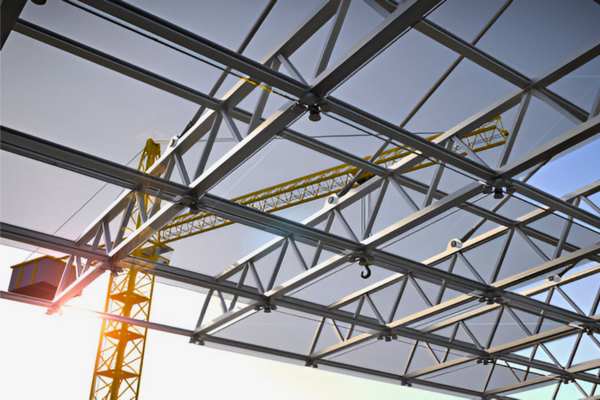
6061, binalar ve köprüler için yapısal bileşenlerde ve uçak ile araçlar için karmaşık parçalarda görülür. İyi mukavemet, kaynaklanabilirlik ve korozyon direncini birleştirdiği için zorlu işlere uygundur.
6061 Alaşımının Temel Özellikleri
6061'in ana avantajı, özellikle T6 temperinde mukavemetidir. 3003'ün yanında, 6061 daha yüksek akma ve çekme dayanımlarına sahiptir, bu nedenle daha fazla yük ve stres taşır.
6061 ayrıca MIG, TIG ve ark yöntemleriyle kolayca kaynaklanır. Püf noktası ısı kontrolüdür: çok sıcak kaynak yaparsanız, ısıdan etkilenen bölgede mukavemet kaybedersiniz, bu nedenle parametreleri ve dolgu metalini yönetin.
Gerçek değeri çok yönlülüğüdür. Mukavemet, kaynaklanabilirlik, işlenebilirlik ve korozyon direncinin dengeli karışımı, birçok sektöre hizmet etmesini sağlar; bu nedenle mühendisler ona genel amaçlı yapısal bir alaşım olarak başvurur.
6061'in Kimyasal Bileşimi
6061, özelliklerini dengeli bir kimyaya borçludur. 'ten fazlası alüminyumdur; geri kalanı karakterini oluşturan alaşım elementleridir.
Silisyum ve magnezyum ana katkılardır; yaklaşık %0,4 ile %0,8 silisyum ve %0,8 ile %1,2 magnezyum. Birlikte, alaşımı ısıl işlem uygulanabilir yapan ve mukavemeti artıran magnezyum silisür (Mg2Si) fazını oluştururlar.
Küçük bakır ve krom katkıları, işlenebilirlik ve korozyon direnci gibi belirli özellikleri ayarlar. Örneğin bakır, işlemeye yardımcı olan tane yapısının inceltilmesine yardımcı olur.
| Kimyasal Element | İçerik (%) |
| Alüminyum (Al) | 95.8% - 98.6% |
| Magnezyum (Mg) | 0,8% - 1,2% |
| Silisyum (Si) | 0.4% - 0.8% |
| Demir (Fe) | 0,7% maks. |
| Bakır (Cu) | 0.15% - 0.40% |
| Krom (Cr) | 0.04% - 0.35% |
| Çinko (Zn) | 0,25% maks. |
| Manganez (Mn) | 0.15% maks. |
| Titanyum (Ti) | 0.15% maks. |
| Diğerleri | Her biri maksimum 0,05%, toplam 0,15% |
6061 Alüminyumun Yaygın Kullanım Alanları
6061, güçlü ancak hafif olduğu için popülerdir; bu da daha düşük ağırlığın mukavemetten ödün vermeden yakıt ekonomisini iyileştirdiği otomotiv ve havacılık başta olmak üzere taşımacılıkta yardımcı olur.
İnşaat sektörü de 6061'i binalarda, köprülerde, korkuluklarda ve merdivenlerde kullanır. Mukavemeti, korozyon direnci ve kaynaklanabilirliği, onu imal edilmiş yapılar için varsayılan bir seçim haline getirir.
Yaygın kullanım alanları şunlardır:
- Havacılık ve uzay: Kanat bileşenleri ve gövde bölümleri
- Otomotiv parçaları: Tekerlekler, şasi elemanları, motor parçaları
- Yapısal bileşenler: Kirişler, kolonlar, makaslar
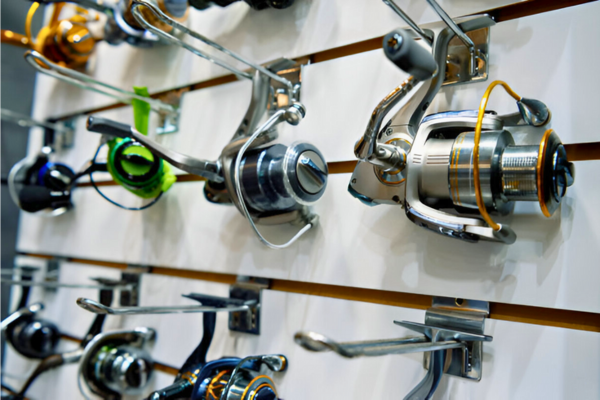
- Eğlence ekipmanları: Bisiklet kadroları, denizcilik parçaları, olta makaraları
Kafa Kafaya Karşılaştırma: 3003 vs. 6061
Her alaşımı ayrı ayrı ele aldık. Şimdi, nerede ayrıştıklarını ve her birinin hangi işlere sahip olduğunu göstermek için doğrudan karşılaştırıyoruz. Her ikisinin de güçlü yönleri vardır, ancak projenin gereksinimlerine bağlı olarak farklı senaryolarda kazanırlar.
Bu farklılıklar, mühendislik veya imalat için malzeme seçtiğinizde önemlidir. Aşağıdaki bölümler, belirli bir duruma hangi alaşımın uyduğuna karar verebilmeniz için mekanik özellikleri, işlenebilirliği ve maliyeti inceler.
Mekanik Özelliklerin Karşılaştırılması
Mukavemet açısından fark büyüktür. 6061, özellikle ısıl işlem görmüş T6 koşulunda çok daha yüksek akma dayanımı, çekme dayanımı ve sertlik ile açıkça kazanır.
Kalıcı deformasyonun başladığı nokta olan akma dayanımı, 6061’de 3003'ten çok daha yüksektir. Bu fark, 6061'in plastik olarak deforme olmadan önce yük taşıma yeteneğini gösterir.
Aşağıdaki tablo temel mekanik değerleri özetlemektedir:
| Mülkiyet | 3003-H14 | 6061-T6 |
| Akma Dayanımı (psi) | 17000-24000 | 35000-40000 |
| Çekme Dayanımı (psi) | 22000 | 42000 |
| Sertlik (HB) | 40 | 95 |
Şekillendirilebilirlik ve Kaynaklanabilirlik Analizi
6061'in güçlü olduğu yerde, 3003'ün şekillendirilmesi daha kolaydır. Özel takımlar gerektirmeden karmaşık tasarımlara bükülür ve şekillenir; bu da onu detaylı paneller ve kavisli parçalar için ideal kılar.
Her ikisi de iyi kaynaklanır, ancak 3003 soğurken çatlamaya daha az eğilimli olduğu için hafif bir avantaja sahiptir. 6061, ısıyı kontrol ettiğinizde ve doğru dolgu metalini kullandığınızda yine de başarıyla kaynaklanır.
Aralarında seçim yaparken alaşımı işe göre eşleştirin: şekillendirilebilirlik ve kolay imalat için 3003'ü, daha yüksek mukavemet ve yük kapasitesi gerektiğinde ise 6061'i seçin.
Maliyet Karşılaştırması: 3003 ve 6061
Fiyat açısından, 3003 genellikle 6061'den daha ucuzdur. Daha düşük maliyet, daha basit bir üretim yolundan ve masraf ekleyen ısıl işlemi atlamasından gelir.
Uygun fiyat tek başına kararı yönlendirmemelidir. Parçanız 6061'in mukavemetine, dayanıklılığına veya işlenebilirliğine ihtiyaç duyuyorsa, ekstra maliyet genellikle performans ve daha uzun hizmet ömrü ile karşılığını verir. Malzeme fiyatını uygulamanın gerçekte gerektirdikleriyle dengeleyin.
Sonuç
Takas basittir: 3003 maliyet ve şekillendirilebilirlikte kazanırken, 6061 mukavemet ve yük kapasitesinde kazanır. Şekillendirilmiş sac, pişirme kapları ve dekoratif veya düşük stresli parçalar için 3003'ü seçin; mukavemetin fiyattan daha önemli olduğu yapısal, otomotiv ve havacılık işleri için 6061'i seçin.
At Linsy Alüminyum, her ikisini de 3003 ve 6061 çeşitli temper ve şekillerde tedarik ediyoruz; talep üzerine haddehane test raporları mevcuttur. Ekibimiz, malzemeyi gereğinden fazla spesifiye etmek yerine çiziminize doğru kalite ve temperi eşleştirmenize yardımcı olur.
- Kalite ve temper aralığı: Sac, çubuk, boru ve profil olarak 3003 (O/H14/H22) ve 6061 (T4/T6/T651).
- Kalite kontrol: Sipariş başına boyutsal ve mekanik kontroller; ek ücret karşılığında talep üzerine SGS test raporları mevcuttur.
- Mühendislik desteği: Uygulamanızı inceler ve spesifikasyonu hâlâ karşılayan en düşük maliyetli alaşımı öneririz.
Uygulamanızı ve hedef özellikleri bize bildirin; projeniz için doğru alaşım ve temperi fiyatlandıralım. Fiyat Teklifi Alın
SSS
Hangisi daha güçlüdür, 3003 mü yoksa 6061 alüminyum mu?
6061 önemli ölçüde daha güçlüdür. Karşılaştırılabilir temperlerde, 6061-T6 yaklaşık 35.000–40.000 psi akma dayanımına ulaşırken, 3003-H14 17.000–24.000 psi'dir ve sertlik yaklaşık iki katıdır. Parçanın gerçek yük taşıdığı her yerde 6061 kullanın.
3003 ve 6061 kaynaklanabilir mi?
Her ikisi de iyi kaynaklanır. 3003 sıcak çatlamaya daha az eğilimlidir, bu nedenle ikisi arasında daha kolay olanıdır. 6061, ısı girdisini kontrol ettiğinizde ve ısıdan etkilenen bölgede mukavemeti korumak için genellikle 4043 veya 5356 olan doğru dolgu metalini seçtiğinizde MIG veya TIG ile güvenilir şekilde kaynaklanır.
6061, 3003'ten daha mı pahalıdır?
Evet, 6061 genellikle daha pahalıdır çünkü ısıl işlem bir üretim adımı ekler ve alaşım daha pahalı katkı maddeleri kullanır. Şekillendirilmiş veya düşük stresli parçalar için 3003 daha ucuz ve genellikle daha uygun bir seçimdir.
Dış mekan kullanımı için hangi alaşımı seçmeliyim?
Her ikisi de korozyona iyi direnç gösterir, bu nedenle her ikisi de dış mekanda çalışır. Tasarımı şekillendirilebilirliğin yönlendirdiği şekillendirilmiş kaplama, oluk ve paneller için 3003'ü; çerçeve, korkuluk ve destek gibi yük taşı.