Faits marquants
- Cet article compare les propriétés, applications et coûts des alliages d'aluminium 3003 et 6061.
- Il examine la composition chimique et les propriétés mécaniques de chaque alliage, en soulignant leurs forces et leurs faiblesses.
- L'aluminium 3003 est connu pour son excellente formabilité, sa bonne résistance à la corrosion et son prix abordable, ce qui le rend approprié pour des applications où une haute résistance n'est pas critique.
- L'aluminium 6061, quant à lui, offre Ils trouvent des applications dans des industries exigeantes telles que l'aérospatiale et l'automobile.
- Cet article vous fournit un cadre d'achat clair pour choisir l'alliage adapté à votre application spécifique.
Introduction
Les alliages d'aluminium sont présents dans presque toutes les industries en raison de leur légèreté, de leur résistance et de leur résistance à la corrosion. Parmi les nombreuses qualités disponibles, les alliages 3003 et 6061 sont deux des plus courants, mais ils servent des objectifs très différents. Le 3003 est une qualité non traitable thermiquement conçue pour le formage ; le 6061 est une qualité traitable thermiquement conçue pour la résistance. Ce guide compare le 3003 et le 6061 en termes de composition, de propriétés mécaniques, d'aptitude au façonnage et de coût, afin que vous puissiez faire correspondre l'alliage à votre application.
Exploration des principes de base de l'aluminium 3003
Aluminium 3003 appartient à la série 3000. Ces alliages ne sont pas durcis par traitement thermique. Le 3003 est apprécié pour sa facilité de formage, qui lui permet de prendre des formes complexes sans outillage spécial. Le manganèse est le principal élément d'alliage. Il augmente la résistance par rapport à l'aluminium pur tout en conservant une bonne aptitude au façonnage.
Le 3003 offre également une bonne résistance à la corrosion, en particulier en extérieur. Cela, associé à son faible coût et à sa facilité de fabrication, en fait un matériau de base dans la construction, le transport, l'emballage et les biens de consommation. Si vous évaluez les options de tôles, notre guide sur l'aluminium 3003 H14 couvre les états de livraison plus en détail.
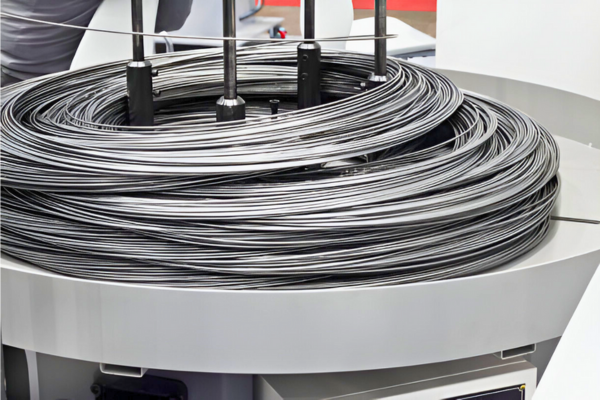
Principales propriétés de l'alliage 3003
La caractéristique principale du 3003 est son aptitude au formage. Il se plie, se façonne et s'emboutit facilement, ce qui convient aux pièces nécessitant une géométrie complexe. Sa faible limite d'élasticité et sa grande ductilité lui permettent de se déformer considérablement avant de rompre.
Le 3003 résiste également bien à la corrosion dans une atmosphère normale et dans de nombreux environnements industriels. Des traitements de surface tels que l'anodisation ajoutent une couche d'oxyde protectrice et renforcent encore cette résistance.
La soudabilité est un autre point fort. Les méthodes de soudage à l'arc courantes l'assemblent sans difficulté, et sa composition chimique réduit le risque de fissuration à chaud par rapport à certains alliages traitables thermiquement.
Composition chimique de 3003
Comme tous les alliages d'aluminium, le 3003 est principalement composé d'aluminium, à plus de 90 % en poids. La fraction restante est constituée d'éléments d'alliage qui déterminent son comportement.
Le manganèse est le principal ajout, généralement de 1,0 % à 1,5 %. Il augmente la résistance et confère un certain degré d'écrouissage par rapport à l'aluminium pur.
De petites quantités de cuivre, de fer, de silicium et de zinc peuvent également être présentes. Maintenir ces éléments traces dans les limites appropriées protège l'usinabilité et la résistance à la corrosion.
| Élément chimique | Contenu (%) |
| Aluminium (Al) | 96,7% - 99% |
| Manganèse (Mn) | 1,0% - 1,5% |
| Cuivre (Cu) | 0,05% - 0,20% |
| Fer (Fe) | 0,70% max |
| Silicium (Si) | 0,60% max |
| Zinc (Zn) | 0,10% max |
| Autres | 0,05% max chacun, 0,15% total |
Applications typiques de l'aluminium 3003
L'équilibre des Aluminium 3003 propriétés en fait un choix pratique dans de nombreuses industries. Il associe une résistance correcte à une facilité de formage, une résistance à la corrosion et un prix abordable.
Son aptitude au formage et sa résistance à la corrosion conviennent à l'industrie alimentaire. Les ustensiles de cuisine tels que les casseroles, les poêles et les plateaux utilisent cet alliage car il supporte la chaleur et résiste aux acides alimentaires.
Parmi les autres utilisations courantes, on peut citer
- Travaux généraux de tôlerie : Panneaux de toiture, bardage, gouttières, descentes d'eaux pluviales
- Équipement chimique : Réservoirs de stockage, équipements de traitement
- Composants de chauffage, de ventilation et de climatisation : Conduits, échangeurs de chaleur
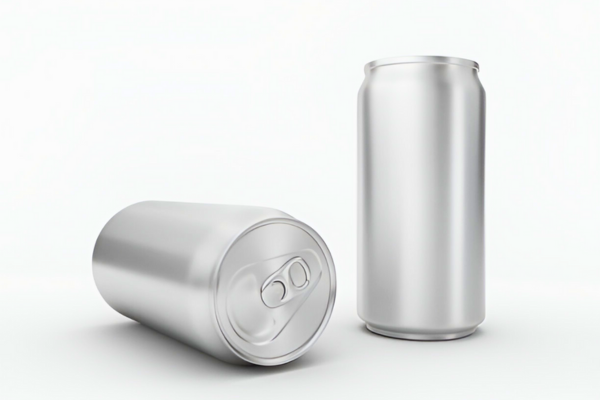
- Emballage : Boîtes de conserve, bouchons de bouteilles
Découvrez les caractéristiques de l'aluminium 6061
Aluminium 6061 est un Série 6000 alliage. Il répond fortement au traitement thermique, ce qui lui confère une résistance beaucoup plus élevée. Cette résistance provient de ses principaux éléments d'alliage, le silicium et le magnésium, qui le rendent polyvalent et largement utilisé.
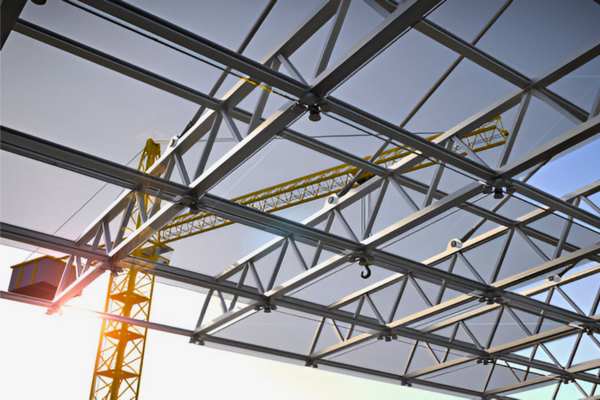
Le 6061 est présent dans les composants structurels des bâtiments et des ponts, ainsi que dans les pièces complexes des aéronefs et des véhicules. Il convient aux applications exigeantes car il combine une bonne résistance, une bonne soudabilité et une bonne résistance à la corrosion.
Caractéristiques principales de l'alliage 6061
Le principal avantage du 6061 est sa résistance, en particulier à l'état T6. Par rapport au 3003, le 6061 présente des limites d'élasticité et de traction plus élevées, ce qui lui permet de supporter davantage de charge et de contrainte.
Le 6061 se soude également facilement par les méthodes MIG, TIG et à l'arc. Le point critique est le contrôle de la chaleur : une soudure trop chaude entraîne une perte de résistance dans la zone affectée thermiquement. Il faut donc gérer les paramètres et le choix du métal d'apport.
Sa véritable valeur réside dans sa polyvalence. Un équilibre entre résistance, soudabilité, usinabilité et résistance à la corrosion lui permet de servir de nombreuses industries, ce qui explique pourquoi les ingénieurs l'utilisent comme alliage structurel polyvalent.
Composition chimique du 6061
Le 6061 doit ses propriétés à une composition chimique équilibrée. Plus de 95 % est de l'aluminium ; le reste est constitué d'éléments d'alliage qui lui confèrent son caractère.
Le silicium et le magnésium sont les principaux ajouts, environ 0,4 % à 0,8 % de silicium et 0,8 % à 1,2 % de magnésium. Ensemble, ils forment du siliciure de magnésium (Mg₂Si), la phase qui rend l'alliage traitable thermiquement et augmente sa résistance.
De petites additions de cuivre et de chrome ajustent des caractéristiques spécifiques telles que l'usinabilité et la résistance à la corrosion. Le cuivre, par exemple, contribue à affiner la structure du grain, ce qui facilite l'usinage.
| Élément chimique | Contenu (%) |
| Aluminium (Al) | 95,8% - 98,6% |
| Magnésium (Mg) | 0,8% - 1,2% |
| Silicium (Si) | 0,4% - 0,8% |
| Fer (Fe) | 0,7% max |
| Cuivre (Cu) | 0,15% - 0,40% |
| Chrome (Cr) | 0,04% - 0,35% |
| Zinc (Zn) | 0,25% max |
| Manganèse (Mn) | 0,15% max |
| Titane (Ti) | 0,15% max |
| Autres | 0,05% max chacun, 0,15% total |
Utilisations courantes de l'aluminium 6061
Le 6061 est populaire car il est résistant tout en étant léger, ce qui est utile dans le transport, en particulier dans l'automobile et l'aérospatiale, où un poids réduit améliore le rendement énergétique sans sacrifier la résistance.
La construction utilise également le 6061 dans les bâtiments, les ponts, les garde-corps et les échelles. Sa résistance, sa résistance à la corrosion et sa soudabilité en font un choix par défaut pour les structures fabriquées.
Les utilisations courantes incluent :
- Aérospatiale : Composants d'ailes et sections de fuselage
- Pièces automobiles : Roues, éléments de châssis, pièces de moteur
- Composants structurels : Poutres, colonnes, treillis
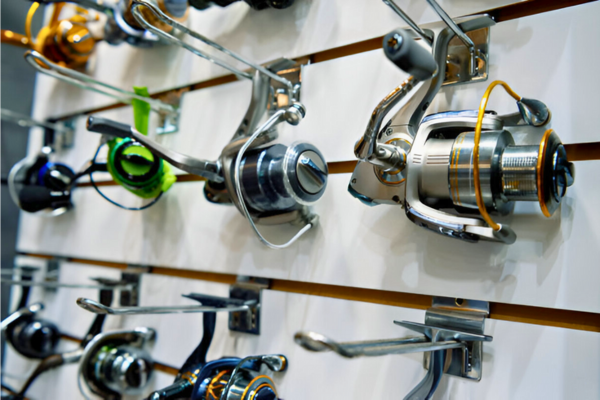
- Matériel de loisirs : Cadres de bicyclettes, pièces marines, moulinets de pêche
Comparaison tête à tête : 3003 vs. 6061
Nous avons couvert chaque alliage séparément. Nous les comparons maintenant directement pour montrer où ils divergent et quelles applications chacun domine. Les deux ont des points forts, mais ils excellent dans des scénarios différents selon les exigences du projet.
Ces différences sont importantes lors de la sélection des matériaux pour l'ingénierie ou la fabrication. Les sections ci-dessous examinent les propriétés mécaniques, l'aptitude au façonnage et le coût afin que vous puissiez décider quel alliage convient à une situation donnée.
Comparaison des propriétés mécaniques
En termes de résistance, l'écart est important. Le 6061 gagne clairement, avec des limites d'élasticité, de traction et une dureté nettement supérieures, en particulier à l'état traité thermiquement T6.
La limite d'élasticité, point où la déformation permanente commence, est bien plus élevée dans le 6061 que dans le 3003. Cet écart démontre la capacité du 6061 à supporter une charge avant de se déformer plastiquement.
Le tableau ci-dessous résume les principales valeurs mécaniques :
| Propriété | 3003-H14 | 6061-T6 |
| Limite d'élasticité (psi) | 17000-24000 | 35000-40000 |
| Résistance à la traction (psi) | 22000 | 42000 |
| Dureté (HB) | 40 | 95 |
Analyse de la formabilité et de la soudabilité
Là où le 6061 est résistant, le 3003 est plus facile à former. Il se plie et se façonne en designs complexes sans outillage spécial, ce qui le rend idéal pour les panneaux détaillés et les pièces courbées.
Les deux se soudent bien, mais le 3003 a un léger avantage car il est moins sujet à la fissuration lors du refroidissement. Le 6061 se soude également avec succès lorsque l'on contrôle la chaleur et que l'on utilise le bon métal d'apport.
Lors du choix entre les deux, faites correspondre l'alliage à l'application : choisissez le 3003 pour le formage et la facilité de fabrication, et le 6061 lorsque vous avez besoin d'une résistance et d'une capacité de charge supérieures.
Comparaison des coûts : 3003 vs 6061
En termes de prix, le 3003 est généralement moins cher que le 6061. Le coût inférieur provient d'un processus de production plus simple et du fait qu'il ne nécessite pas de traitement thermique, ce qui ajoute des dépenses.
Le prix abordable ne devrait pas être le seul critère de décision. Si votre pièce nécessite la résistance, la durabilité ou l'usinabilité du 6061, le coût supplémentaire est souvent compensé par les performances et une durée de vie plus longue. Équilibrez le prix du matériau avec les exigences réelles de l'application.
Conclusion
Le compromis est simple : le 3003 gagne sur le coût et le formage, tandis que le 6061 gagne sur la résistance et la capacité de charge. Choisissez le 3003 pour les tôles formées, les ustensiles de cuisine et les pièces décoratives ou à faible contrainte ; choisissez le 6061 pour les travaux structurels, automobiles et aérospatiaux où la résistance prime sur le prix.
Au Aluminium Linsy, nous fournissons les deux 3003 et 6061 dans une gamme d'états et de formes, avec des rapports d'essais en usine disponibles sur demande. Notre équipe vous aide à sélectionner la qualité et l'état adaptés à votre plan, plutôt que de surspécifier le matériau.
- Gamme de qualités et d'états : 3003 (O/H14/H22) et 6061 (T4/T6/T651) en tôle, barre, tube et profilé.
- Contrôle qualité : Contrôles dimensionnels et mécaniques par commande, avec rapports d'essais SGS disponibles sur demande moyennant un coût supplémentaire.
- Support technique : Nous examinons votre application et recommandons l'alliage au coût le plus bas qui répond toujours aux spécifications.
Communiquez-nous votre application et les propriétés cibles, et nous vous proposerons l'alliage et l'état adaptés à votre projet. Obtenir un devis
FAQ
Quel est le plus résistant, l'aluminium 3003 ou 6061 ?
Le 6061 est nettement plus résistant. À états comparables, le 6061-T6 atteint une limite d'élasticité d'environ 35 000 à 40 000 psi contre 17 000 à 24 000 psi pour le 3003-H14, et une dureté environ deux fois supérieure. Utilisez le 6061 chaque fois que la pièce supporte une charge réelle.
Le 3003 et le 6061 peuvent-ils être soudés ?
Les deux se soudent bien. Le 3003 est moins sujet à la fissuration à chaud, il est donc le plus facile des deux. Le 6061 se soude de manière fiable avec le MIG ou le TIG lorsque l'on contrôle l'apport de chaleur et que l'on choisit le bon métal d'apport, généralement le 4043 ou le 5356, pour préserver la résistance dans la zone affectée thermiquement.
Le 6061 est-il plus cher que le 3003 ?
Oui, le 6061 coûte généralement plus cher car le traitement thermique ajoute une étape de production et l'alliage utilise des éléments d'addition plus coûteux. Pour les pièces formées ou à faible contrainte, le 3003 est moins cher et souvent mieux adapté.
Quel alliage dois-je choisir pour une utilisation en extérieur ?
Les deux résistent bien à la corrosion, donc les deux conviennent en extérieur. Choisissez le 3003 pour les revêtements formés, les gouttières et les panneaux où le formage guide la conception, et le 6061 pour les structures extérieures qui doivent supporter une charge, telles que les cadres, les garde-corps et les supports.