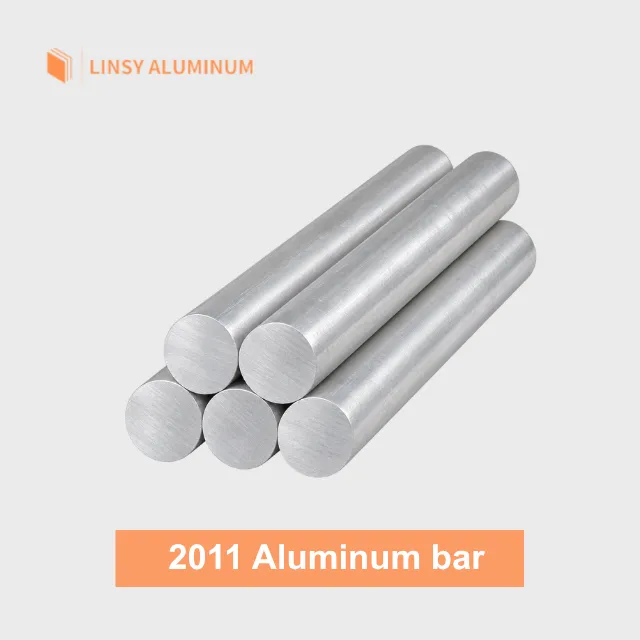
2011 aluminum bar is a free-machining Al-Cu alloy (EN AW-2011 / AlCu6BiPb, UNS A92011) with intentional lead and bismuth that break the chip during cutting — around 90% on the machinability scale, against about 70% for 2024 and 7075. It was designed for automatic lathes and Swiss-type screw machines. We stock round bar mainly in T3 temper from 3 to 150 mm. Hex bar is custom only.
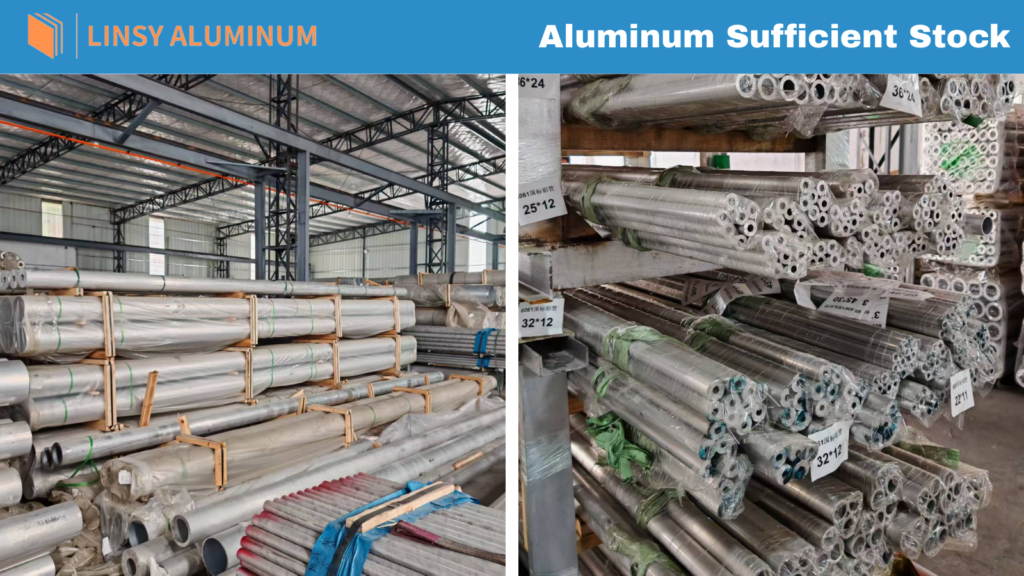
Round bar: 3–150 mm stocked, to 200 mm on request
Hex bar: AF 6–60 mm, custom only
Tempers: T3 / T8 / T4511 / T8511 / O
Note: contains 0.20–0.60% lead — may not meet RoHS; 6262 and 6026 are lead-free alternatives
Quality documents: MTC report with every order
2011 is a free-machining Al-Cu alloy (EN AW-2011 / AlCu6BiPb, UNS A92011) with intentional lead and bismuth additions that break the chip during cutting. It is the fastest-machining standard aluminium grade — rated around 90% on the machinability scale, against about 70% for 2024 and 7075 — and it was designed specifically for automatic lathes and Swiss-type screw machines. We stock 2011 aluminum round bar primarily in T3 temper for automatic lathe and screw-machine components. 2011 hex bar is available only by custom order. Alloy data: 2011 aluminum alloy.
| Form | Size (mm) | Length (mm) | Availability |
|---|---|---|---|
| Round bar (cold-drawn / extruded) | Diameter 3 – 150 | 1000 – 6000, cut to length | Stocked — the main product on this page |
| Round bar, larger | Above 150, to 200 | Quoted per order | On request |
| Hex bar | Across flats 6 – 60 | Quoted per order | Custom only — not held in stock |
Why round bar and not hex. 2011 exists for the screw machine, and a screw machine eats round bar — it is the natural feedstock for turning, threading and parting off. Hex demand is narrow: parts that need a hex body are usually machined from round stock anyway. Almost no distributor outside the US holds 2011 hex, and the few buyers who need it order against a specific across-flats and accept a higher MOQ. Tell us the across flats and quantity and we will quote it as a custom item rather than pretending it is stocked.
Cold-drawn round bar gives the tighter straightness a bar feeder needs — say so at enquiry if your machine runs on a bar feeder.
| Temper | Condition | Tensile (MPa) | Yield (MPa) | Elongation | Specify it for |
|---|---|---|---|---|---|
| T3 | Solution treated, cold worked, naturally aged | ≥ 310 | ≥ 240 | 10% | The stock temper: automatic lathe and screw-machine parts, best surface finish |
| T8 | Solution treated, cold worked, artificially aged | ≥ 380 | ≥ 310 | 8% | Higher-load precision turned parts where T3 strength is not enough |
| T4511 | Natural age, stress relieved by stretching, straightened | ≥ 280 | ≥ 205 | 10% | Long slender parts and deep-hole drilling where the bar must not move |
| T8511 | Artificial age, stress relieved by stretching, straightened | ≥ 380 | ≥ 310 | 8% | Long, high-strength parts with deep bores |
| O | Annealed | Per the MTC | Forming before heat treatment; almost never held | ||
Values are minimums to ASTM B211; confirm against the MTC. T4 and T6 are also produced on request — T6 machines slightly slower than T3 but gives 345 MPa minimum tensile. Density 2.80 g/cm³, elastic modulus approx. 70 GPa.
Stock or made to order. Diameter and temper are quoted as one combination. Stocked sizes ship without a minimum order quantity; everything else, including all hex, is produced to order with a MOQ.
T3 is the default and covers most screw-machine work: best balance of machinability and strength, and the best as-turned finish. T8 adds roughly 70 MPa of tensile and yield at some cost in machinability — choose it when the drawing demands the strength, not by default.
On designation: drawn and extruded bar uses the Txx511 suffix — T4511, T8511 — not T451 or T851. The final digit marks straightening, and a stress-relieved bar that has not been straightened is not what a bar feeder wants. T651 is a rolled-plate designation and has no place on a bar order either.
| Element | Specification | Element | Specification |
|---|---|---|---|
| Copper (Cu) | 5.00 – 6.00 | Lead (Pb) | 0.20 – 0.60 |
| Bismuth (Bi) | 0.20 – 0.60 | Silicon (Si) | 0.40 max |
| Iron (Fe) | 0.70 max | Zinc (Zn) | 0.30 max |
| Others, each / total | 0.05 / 0.15 | Aluminum | Balance |
The lead is deliberate, and it is also a compliance issue. 2011 contains 0.20–0.60% lead as an alloying addition — one of the two elements that make it machine the way it does. That means 2011 may not comply with RoHS for certain applications, including consumer electronics sold in the EU and automotive components under ELV, and it is not suitable for drinking-water contact components. If your end product falls under those rules, specify a lead-free free-machining grade: 6262 or 6026 both machine well without lead. Tell us the destination market at enquiry and we will flag it before the order, not after a compliance test.
Copper gives the strength. Lead and bismuth do not dissolve in the aluminium — they sit as soft discrete particles through the matrix. When the tool cuts, the chip fractures at those particles instead of flowing, breaking into short brittle segments rather than a long stringy ribbon. That means higher cutting speeds, lower tool wear, fewer chip-control problems and a better finish; on a high-volume turning job, cycle time is the whole cost.
The trade-off is strength. 2024 and 7075 machine at roughly 70% on the same scale but are about 1.3–1.5 times stronger than 2011-T3. Choose 2011 when throughput and finish decide the job; choose 2024 bar or 7075 when the part is structural and strength cannot be traded.
Two limits belong on the drawing, not in the workshop:
Typical parts: screw-machine and Swiss-type turned components, threaded fittings and connectors, valve cores and spools, precision pins and shafts, adjusting knobs, fluid and pneumatic fittings.
Practice: sharp polished carbide, high rake, generous coolant flow — 2011 rewards speed. The chip breaks short so evacuation is easy, but keep the coolant clean: lead-rich fines are a shop-handling consideration too. For long parts and deep bores, order T4511 or T8511 so the bar does not relieve stress as material is removed.
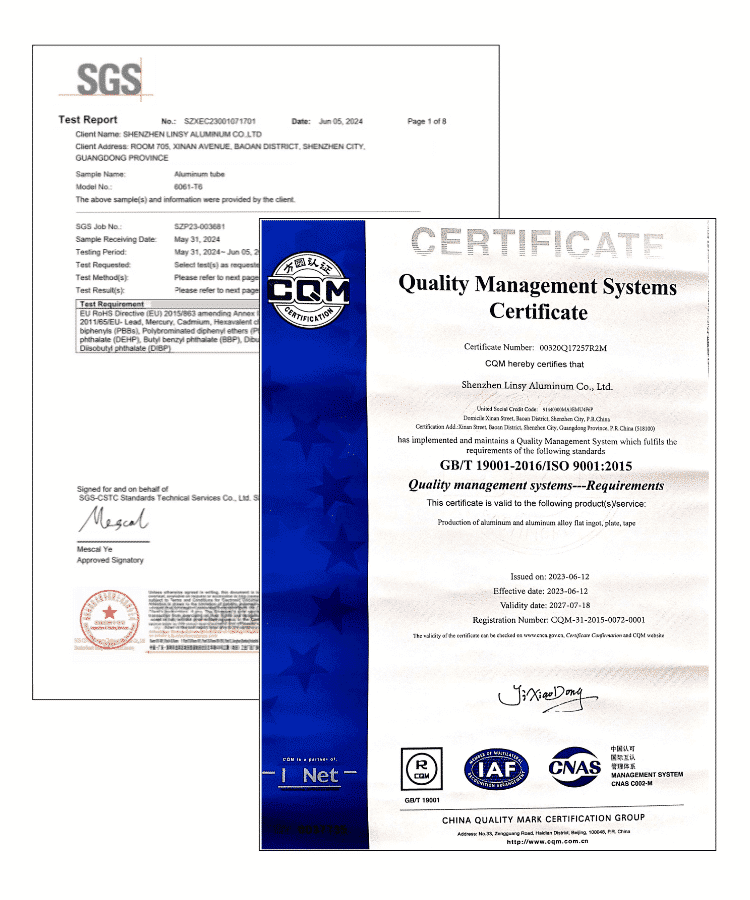
Every order ships with an MTC reporting composition, mechanical results and the temper designation, to ASTM B211. Third-party testing on request; production runs under ISO 9001, ISO 14001 and ISO 45001.
To get a quotation in one round, send:
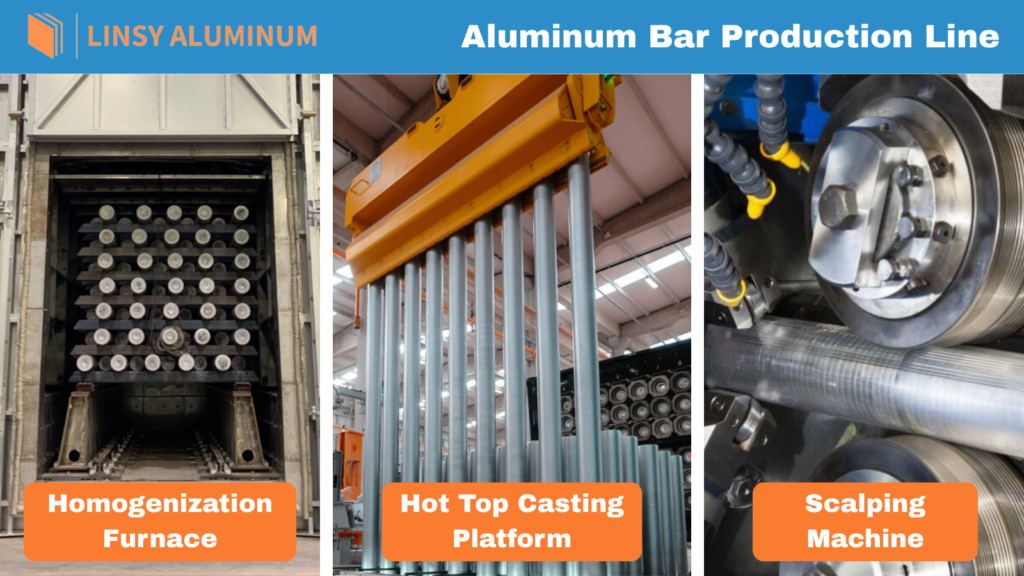
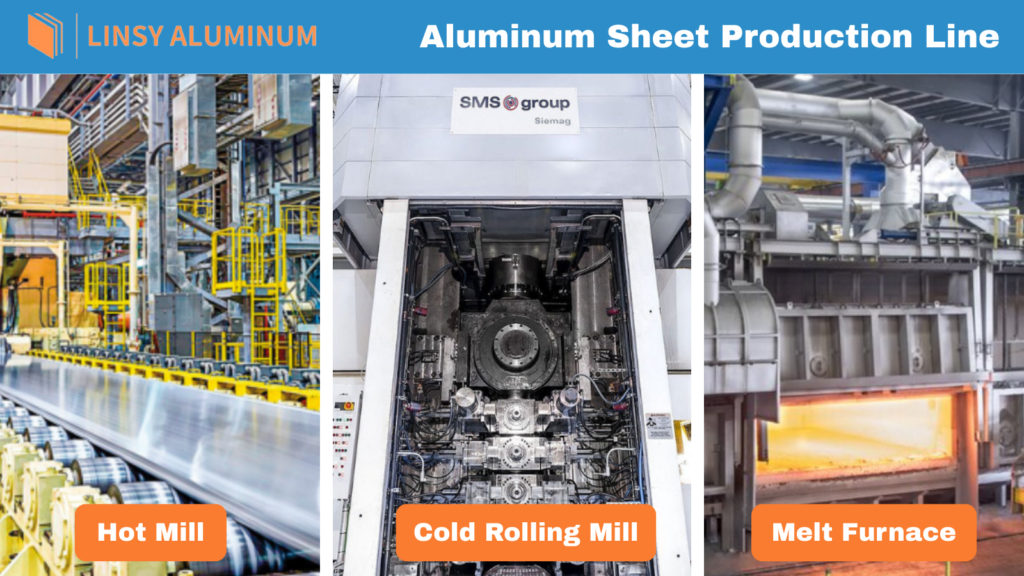
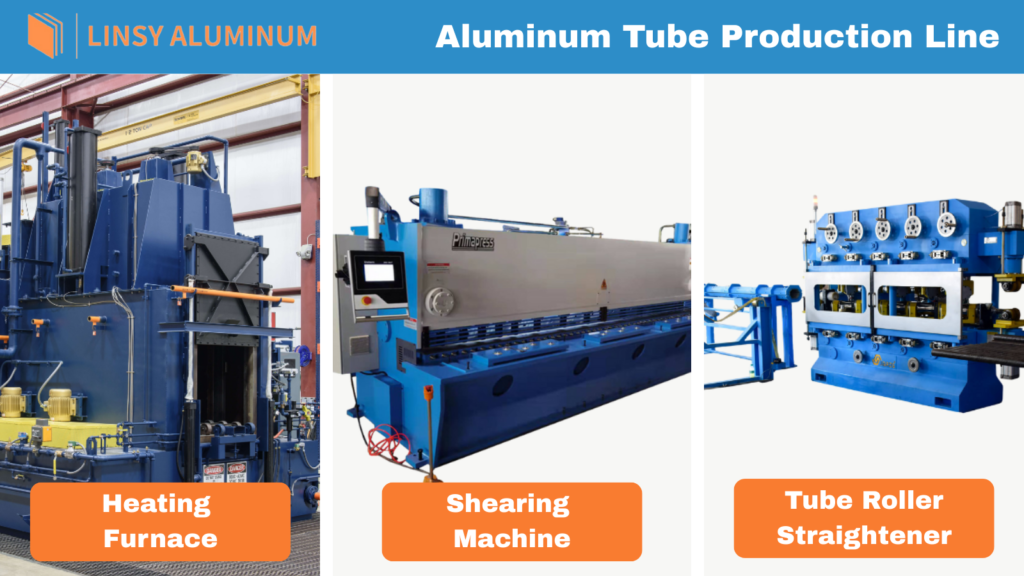
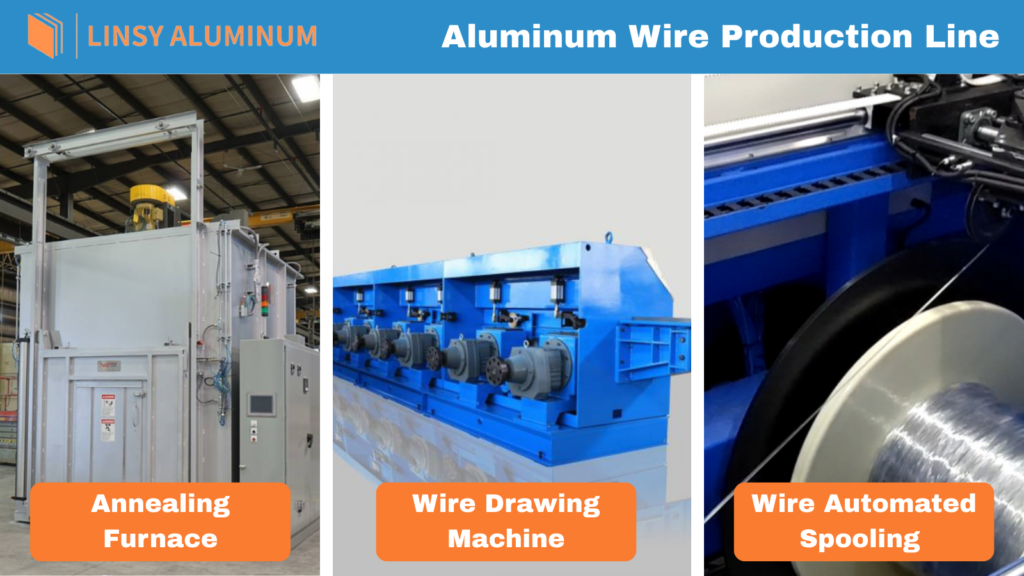
Shenzhen-based aluminum factory, more than 20 years in the industry, supplying 1000–8000 series alloys in standard specifications and custom sizes.
Q: Do you stock 2011 hex bar?
A: No. 2011 hex is a custom item everywhere except a few overseas stockists; we quote it against your across flats and quantity, with a higher MOQ and a longer lead time. Round bar is the stocked form.
Q: Which temper should I order for screw-machine work?
A: T3. It is the best balance of machinability and strength and gives the best as-turned finish. Move to T8 only when the part needs the extra 70 MPa, or to T4511/T8511 for long parts and deep bores.
Q: Is 2011 RoHS compliant?
A: Not necessarily. It contains 0.20–0.60% lead as an intentional alloying addition, so it may fall outside RoHS for consumer electronics and automotive ELV applications, and it is not for drinking-water contact. Use 6262 or 6026 where lead-free is required.
Q: Can 2011 be welded?
A: No. Weldability is very poor and the lead content rules it out of fusion welding. 2011 parts are machined and mechanically assembled.
Linsy Advantages
Linsy Aluminum is a leading supplier of aluminum processing products, serving diverse industries including aerospace, general engineering, automotive, marine, shipbuilding and other specialized industrial applications.
We are committed to maintaining the highest standards of quality and environmental responsibility, as demonstrated by our certifications: ISO 9001:2008, ISO 14001:2004 and SGS.