Faits marquants
- Le 5052 et le 6061 sont tous deux des alliages contenant du magnésium, mais leur composition chimique leur confère des résistances très différentes.
- Le 6061 est traitable thermiquement et gagne en résistance par revenu ; le 5052 n'est pas traitable thermiquement et se renforce par écrouissage.
- Le 5052 l'emporte en matière de résistance à la corrosion (notamment en milieu marin) et de résistance à la fatigue ; le 6061 l'emporte en matière de résistance à la traction, de dureté et d'usinabilité.
- Ce guide compare la composition, les propriétés physiques, la soudabilité et le coût afin que vous puissiez choisir le grade adapté à votre application.
Introduction
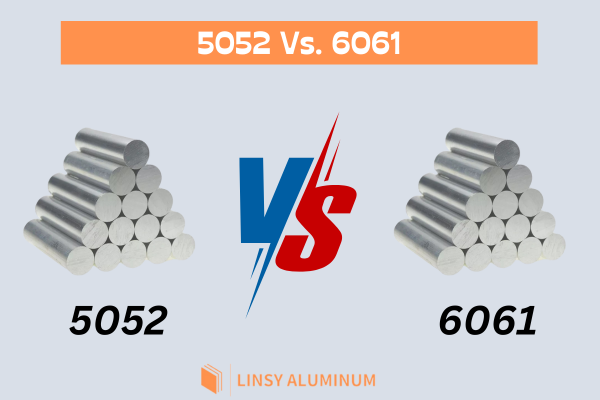
Les alliages d'aluminium sont omniprésents dans la fabrication car ils sont résistants et légers. Les ingénieurs ajustent les propriétés en ajoutant des éléments tels que le magnésium, le silicium et le cuivre, ce qui permet de concevoir des alliages pour des applications spécifiques. Cet article compare deux des plus courants : 5052 et 6061. Les deux offrent une bonne résistance à la traction et à la corrosion, mais ils conviennent à des applications différentes.
Introduction aux alliages d'aluminium 5052 et 6061
Alliage d'aluminium 5052 Le 5052 appartient à la série 5xxx. Son principal élément d'alliage est le magnésium, qui lui confère une forte résistance à la corrosion, en particulier en milieu marin, grâce à sa faible teneur en cuivre. Le 5052 n'est pas traitable thermiquement ; il se renforce par écrouissage.
Alliage d'aluminium 6061 Le 6061 appartient à la série 6xxx. Il associe le magnésium au silicium, ce qui lui confère une résistance modérée, une bonne résistance à la corrosion et une excellente usinabilité. Contrairement au 5052, le 6061 peut être traité thermiquement pour améliorer ses propriétés mécaniques.
Introduction de l'aluminium 5052 et 6061
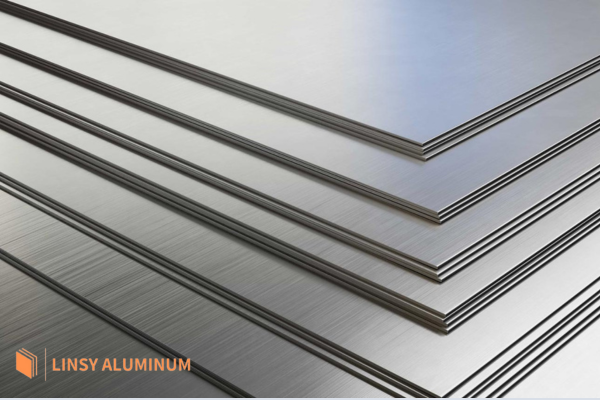
Le 5052 est un grade non traitable thermiquement offrant une excellente résistance à la corrosion en eau salée. Sa résistance, sa soudabilité et sa formabilité le rendent idéal pour le travail de la tôle, en particulier pour les applications marines.
Le 6061 est un matériau polyvalent, traitable thermiquement, qui se machine et se soude bien. Il présente une résistance modérée, est facile à se procurer et abordable, ce qui en fait un favori dans de nombreux secteurs industriels.
Les deux alliages sont plus légers que de nombreux aciers, ce qui les rend adaptés aux applications où la résistance est importante mais où le poids doit rester faible.
Applications courantes de l'aluminium 5052 et 6061
Le 5052 est largement utilisé lorsque la résistance à la corrosion est la priorité.
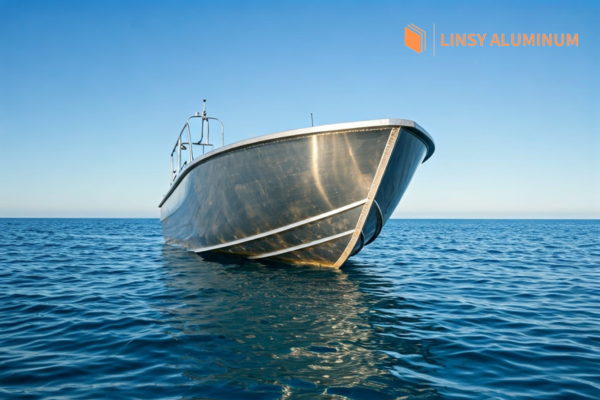
- Coques de bateaux et pièces marines
- Récipients sous pression
- Matériel médical devant être stérilisé
Le 6061 est apprécié pour son équilibre entre poids, résistance et usinabilité. Les utilisations typiques incluent :
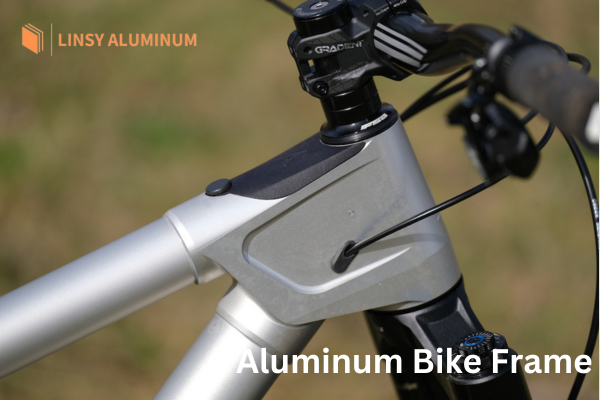
- Cadres de bicyclettes
- Pièces d'avion
- Boîtiers électroniques
Les deux alliages sont également présents dans les bâtiments, la signalétique et les pièces automobiles, ce qui témoigne de leur large champ d'application.
Différence de composition chimique
Les deux alliages diffèrent principalement par leurs éléments d'addition. 5052 Le 5052 repose sur le magnésium et le chrome, qui améliorent la résistance à la rouille (notamment en eau salée) et facilitent le soudage. 6061 Le 6061 repose sur le magnésium et le silicium, un mélange qui permet le traitement thermique et une meilleure formabilité que le 5052, bien que le 6061 soit inférieur au 5052 en matière de résistance à la corrosion.
|
Élément |
Aluminium 5052 |
Aluminium 6061 |
|
Aluminium (Al) |
Reste |
95.85-98.56% |
|
Magnésium (Mg) |
2.2-2.8% |
0.8-1.2% |
|
Silicium (Si) |
≤0.25% |
0.4-0.8% |
|
Fer (Fe) |
≤0.4% |
≤0.7% |
|
Cuivre (Cu) |
≤0.1% |
0.15-0.4% |
|
Manganèse (Mn) |
≤0.1% |
≤0.15% |
|
Chrome (Cr) |
0.15-0.35% |
0.04-0.35% |
|
Zinc (Zn) |
≤0.1% |
≤0.25% |
|
Titane (Ti) |
– |
≤0.15% |
Propriétés physiques Différence
Le tableau ci-dessous compare les propriétés physiques du 5052 et du 6061 :
|
Propriété |
Aluminium 5052 |
Aluminium 6061 |
|
Densité |
2,68 g/cm³ |
2,70 g/cm³ |
|
Résistance à la traction |
210-260 MPa |
290-310 MPa |
|
Limite d'élasticité |
130 MPa |
240 MPa |
|
Allongement à la rupture |
6-12% |
12-20% |
|
Module d'élasticité |
70,3 GPa |
68,9 GPa |
|
Conductivité thermique |
138 W/m-K |
151-167 W/m-K |
|
Dureté Brinell |
61 HB |
95 HB |
|
Résistance à la fatigue |
117 MPa |
inférieur à celui de l'aluminium 5052 |
Les propriétés physiques du 5052 et du 6061 montrent des différences nettes qui déterminent leurs applications.
Le 6061 présente généralement une résistance à la traction et une limite d'élasticité plus élevées ainsi qu'une plus grande dureté que le 5052, ce qui convient aux pièces structurelles devant supporter des charges. Le 5052, en revanche, présente une résistance à la fatigue et un module d'élasticité plus élevés, ainsi qu'une formabilité et une soudabilité supérieures, et une meilleure résistance à la corrosion, tandis que le 6061 possède une conductivité thermique plus élevée. C'est pourquoi le 5052 est privilégié pour les travaux marins et de formage, et le 6061 pour les profilés extrudés, l'usinage et les composants structurels.
Différences de résistance et de durabilité
Le 6061, en particulier en état T6, surpasse le 5052 en matière de résistance à la traction, ce qui convient aux situations de fortes charges. Mais le 5052 a l'avantage en matière de résistance à la fatigue.
La résistance à la fatigue mesure la capacité d'un matériau à supporter des charges répétées. La résistance élevée à la fatigue du 5052 le rend idéal lorsque des vibrations, des flexions ou des contraintes constantes se produisent.
Lors du choix, adaptez la propriété à l'application : choisissez le 6061 pour une résistance à la traction élevée, et le 5052 lorsque la pièce est soumise à des charges cycliques ou à des contraintes constantes.
Comparaison de la résistance à la corrosion
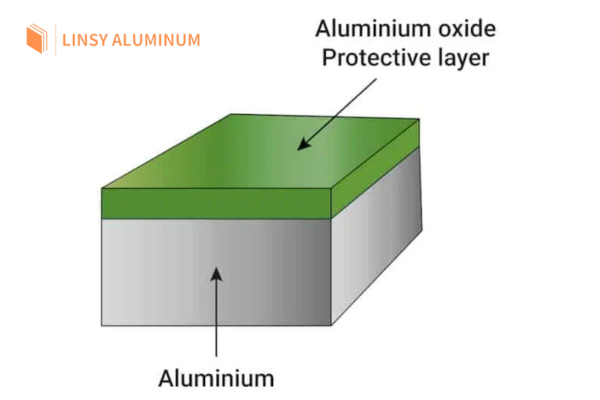
Les deux alliages résistent bien à la corrosion, mais le 5052 est le meilleur choix pour une utilisation marine et en eau salée en raison de sa faible teneur en cuivre, qui réduit la corrosion induite par le sel.
Le 6061 résiste bien à la corrosion pour un usage général, mais moins bien que le 5052 face à l'eau salée.
Pour des conditions climatiques difficiles, des environnements chimiques ou marins, le 5052 est généralement le choix le plus sûr.
Soudabilité et usinabilité
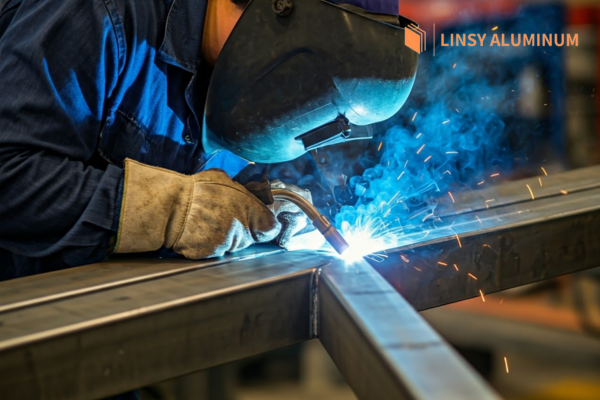
Les deux se soudent proprement et produisent des joints durables. Le 6061 peut nécessiter un traitement thermique après soudage, ce qui peut provoquer des déformations et ajouter une étape de redressage ; le 5052 conserve mieux sa forme après soudage, ce qui simplifie la fabrication.
En matière d'usinabilité, le 6061 est le choix le plus performant. Il produit des copeaux courts qui s'évacuent facilement, permettant des coupes plus rapides et de meilleurs états de surface. Le 5052 est plus ductile et produit des copeaux plus longs et filandreux qui peuvent réduire la durée de vie des outils et dégrader la surface.
Lorsque des tolérances serrées et un usinage de précision sont requis, le 6061 est le meilleur choix.
Choisir le bon alliage pour votre projet
Le choix dépend de votre application. Si vous avez besoin de résistance, d'usinabilité et d'un faible coût, le 6061 convient, et sa gamme de tempéraments s'adapte à de nombreux besoins. Si la résistance à la corrosion (notamment en milieu marin) est la priorité, le 5052 l'emporte en matière de soudabilité et de formabilité. Connaissez la résistance, la formabilité et le profil de corrosion de chaque alliage avant de vous engager.
Quand choisir l'aluminium 5052
Si vous Si vous avez besoin de résistance à la corrosion, le 5052 est le choix indiqué. Il est idéal pour les environnements marins où le sel attaque les matériaux, parfait pour la construction navale, les outils marins et les structures côtières. Sa formabilité aisée convient aux conceptions détaillées comme les réservoirs sur mesure ou les cuves sous pression.
Sa soudabilité avec une faible déformation le rend populaire pour les travaux complexes, et sa densité légèrement inférieure à celle du 6061 aide lorsque le poids est un facteur important.
Le 5052 est inférieur au 6061 en matière de résistance à la traction, mais sa résistance à la fatigue et sa résistance à la corrosion en font la meilleure option pour des applications spécifiques et exigeantes.
Quand choisir l'aluminium 6061
Le 6061 est un alliage polyvalent, résistant, usinable et au prix raisonnable pour les applications qui nécessitent une intégrité structurelle, en particulier les pièces devant être usinées.
Sa conductivité thermique convient aux dissipateurs thermiques, aux boîtiers électroniques et aux pièces de contrôle de température. Le traitement thermique ajuste ses propriétés mécaniques, ce qui fait du 6061 un choix pratique et flexible.
Le 6061 résiste moins bien à la rouille que le 5052 en milieu marin, mais il protège néanmoins bien pour la plupart des applications courantes.
Conclusion
Le compromis est clair : le 5052 est supérieur en matière de résistance à la corrosion, de résistance à la fatigue, de formabilité et de stabilité de soudage, tandis que le 6061 est supérieur en matière de résistance, de dureté et d'usinabilité. Choisissez le 5052 pour les travaux marins, les cuves sous pression et le formage ; choisissez le 6061 pour les pièces structurelles, usinées et de dissipation thermique.
Au Aluminium Linsy, nous stockons les deux 5052 et 6061 dans les tempéraments et formats courants, avec des rapports d'essai SGS disponibles sur demande moyennant un supplément. Nos ingénieurs examinent votre plan et recommandent le grade le plus économique qui répond néanmoins aux spécifications, afin que vous ne sur-spécifiiez pas le matériau. Indiquez-nous votre application et nous vous proposerons un devis pour l'alliage et le tempérament appropriés. Obtenir un devis
Questions fréquemment posées
Quelle est la meilleure solution, 6061 ou 5052 ?
Aucun n'est universellement supérieur. Le 6061 est plus résistant et plus facile à usiner ; le 5052 résiste mieux à la corrosion et se soude avec moins de déformation. Choisissez en fonction de ce qui prime dans votre conception : la résistance ou la corrosion/la formabilité.
Quels sont les inconvénients de l'aluminium 6061 ?
Par rapport à certains alliages de la série 7000, le 6061 présente une limite d'élasticité inférieure et peut se fatiguer sous des contraintes répétées. Il peut également se déformer pendant le traitement thermique, ce qui ajoute une étape de redressage après soudage ou après traitement.
Quel aluminium est plus résistant que le 6061 ?
Le 7075 est généralement plus résistant que le 6061 car sa teneur en zinc augmente la résistance à la traction et à la fatigue. Pour le meilleur rapport résistance/poids dans les structures soudées, le 7075 est souvent l'étape suivante.
À quoi sert l'aluminium 5052 ?
Le 5052 excelle là où la résistance à la corrosion est primordiale, notamment en milieu marin. Sa formabilité en fait un choix solide pour les pièces marines, les cuves sous pression et les composants devant résister à l'usure et au sel.