Principais destaques
- 5052 e 6061 são ambas ligas contendo magnésio, mas sua química confere a elas resistências muito diferentes.
- A 6061 é tratável termicamente e ganha resistência por meio de têmpera; a 5052 não é tratável termicamente e se fortalece por trabalho a frio.
- A 5052 vence em resistência à corrosão (especialmente marinha) e resistência à fadiga; a 6061 vence em resistência à tração, dureza e usinabilidade.
- Este guia compara composição, propriedades físicas, soldabilidade e custo para que você possa escolher o grau certo para o seu trabalho.
Introdução
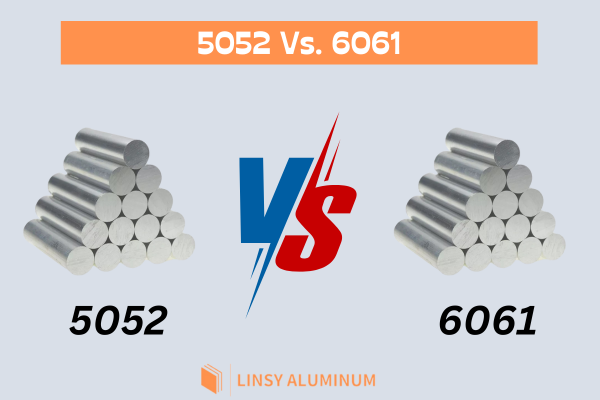
As ligas de alumínio estão em toda parte na manufatura porque são resistentes e leves. Os engenheiros ajustam as propriedades adicionando elementos como magnésio, silício e cobre, o que permite construir ligas para tarefas específicas. Este artigo compara duas das mais comuns: 5052 e 6061. Ambas oferecem boa resistência à tração e resistência à corrosão, mas atendem a diferentes aplicações.
Introdução às ligas de alumínio 5052 e 6061
Liga de alumínio 5052 Pertence à série 5xxx. Seu principal elemento de liga é o magnésio, que confere forte resistência à corrosão, especialmente em ambientes marinhos, graças ao seu baixo teor de cobre. A 5052 não é tratável termicamente; ela se fortalece por trabalho a frio.
Liga de alumínio 6061 Pertence à série 6xxx. Ela combina magnésio com silício, o que lhe confere resistência moderada e boa resistência à corrosão, além de excelente usinabilidade. Diferentemente da 5052, a 6061 pode ser tratada termicamente para elevar suas propriedades mecânicas.
Introdução do alumínio 5052 e 6061
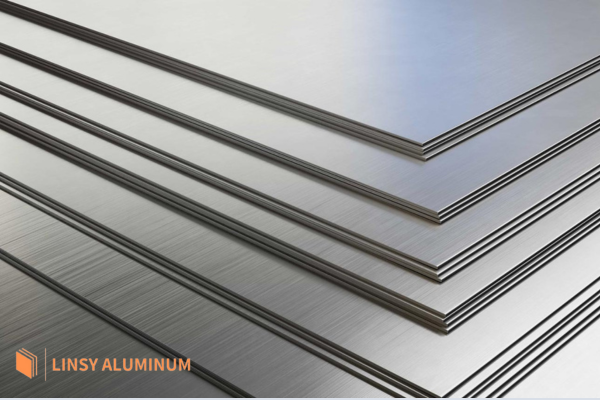
A 5052 é um grau não tratável termicamente com excelente resistência à corrosão por água salgada. Sua resistência, soldabilidade e conformabilidade a tornam ideal para trabalhos em chapa metálica, particularmente em aplicações marinhas.
A 6061 é um material versátil e tratável termicamente que usina e solda bem. Possui resistência moderada, é fácil de obter e tem custo acessível, o que a torna uma favorita em diversos setores.
Ambas as ligas são mais leves que muitos aços, portanto são adequadas para trabalhos onde a resistência importa, mas o peso deve permanecer baixo.
Aplicações comuns do alumínio 5052 e 6061
A 5052 é amplamente utilizada onde a resistência à corrosão é a prioridade.
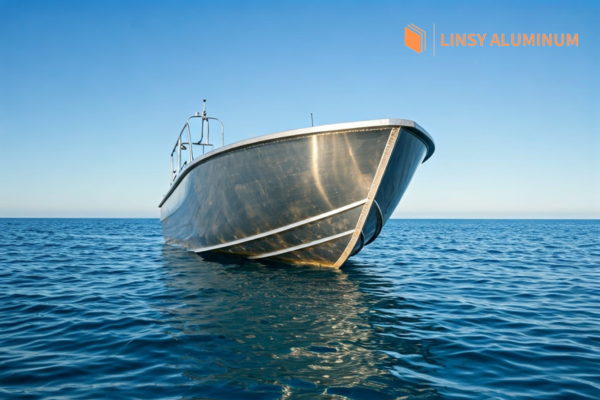
- Cascos de barcos e peças marinhas
- Vasos de pressão
- Equipamentos médicos que devem ser esterilizados
A 6061 é valorizada por seu equilíbrio entre peso, resistência e trabalhabilidade. Os usos típicos incluem:
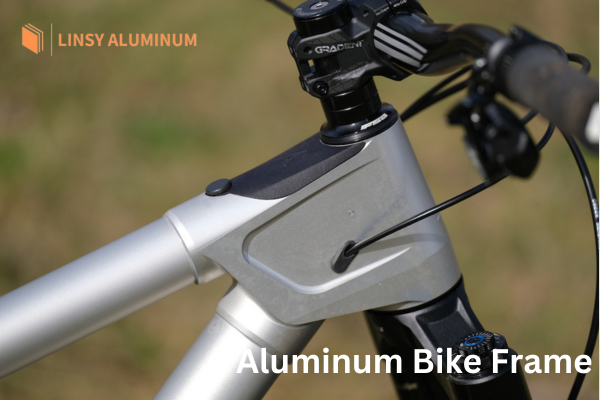
- Quadros de bicicletas
- Peças de aeronaves
- Gabinetes eletrônicos
Ambas as ligas também aparecem em construções, sinalização e peças automotivas, o que demonstra o quão amplamente são aplicadas.
Diferença de composição química
As duas ligas diferem principalmente em seus elementos adicionados. 5052 A 5052 depende de magnésio e cromo, que aumentam a resistência à ferrugem (especialmente em água salgada) e facilitam a soldagem. 6061 A 6061 depende de magnésio e silício, uma combinação que permite tratamento térmico e melhor conformabilidade que a 5052, embora a 6061 fique atrás da 5052 em resistência à corrosão.
|
Elemento |
Alumínio 5052 |
Alumínio 6061 |
|
Alumínio (Al) |
Restante |
95.85-98.56% |
|
Magnésio (Mg) |
2.2-2.8% |
0.8-1.2% |
|
Silício (Si) |
≤0,25% |
0.4-0.8% |
|
Ferro (Fe) |
≤0,4% |
≤0,7% |
|
Cobre (Cu) |
≤0,1% |
0.15-0.4% |
|
Manganês (Mn) |
≤0,1% |
≤0,15% |
|
Cromo (Cr) |
0.15-0.35% |
0.04-0.35% |
|
Zinco (Zn) |
≤0,1% |
≤0,25% |
|
Titânio (Ti) |
– |
≤0,15% |
Diferença de propriedades físicas
A tabela abaixo compara as propriedades físicas da 5052 e da 6061:
|
Propriedade |
Alumínio 5052 |
Alumínio 6061 |
|
Densidade |
2,68 g/cm³ |
2,70 g/cm³ |
|
Resistência à tração |
210-260 MPa |
290-310 MPa |
|
Resistência ao rendimento |
130 MPa |
240 MPa |
|
Alongamento na ruptura |
6-12% |
12-20% |
|
Módulo de elasticidade |
70,3 GPa |
68,9 GPa |
|
Condutividade térmica |
138 W/m-K |
151-167 W/m-K |
|
Dureza Brinell |
61 HB |
95 HB |
|
Resistência à fadiga |
117 MPa |
inferior ao alumínio 5052 |
As propriedades físicas da 5052 e da 6061 mostram diferenças claras que orientam suas aplicações.
A 6061 geralmente apresenta maior resistência à tração e ao escoamento e maior dureza que a 5052, o que a torna adequada para peças estruturais que devem suportar carga. A 5052, no entanto, possui maior resistência à fadiga e módulo de elasticidade, além de conformabilidade e soldabilidade superiores, e melhor resistência à corrosão, enquanto a 6061 possui maior condutividade térmica. É por isso que a 5052 é preferida para trabalhos marinhos e de conformação, e a 6061 para extrusões, usinagem e componentes estruturais.
Diferenças de resistência e durabilidade
A 6061, especialmente no tempera T6, supera a 5052 em resistência à tração, o que a torna adequada para situações de alta carga. Mas a 5052 tem vantagem em resistência à fadiga.
A resistência à fadiga mede o quão bem um material sobrevive a cargas repetidas. A alta resistência à fadiga da 5052 a torna ideal onde ocorrem vibração, flexão ou tensão constante.
Ao escolher, combine a propriedade com o trabalho: escolha 6061 para alta resistência à tração e 5052 quando a peça estiver sujeita a carregamento cíclico ou tensão constante.
Comparação da resistência à corrosão
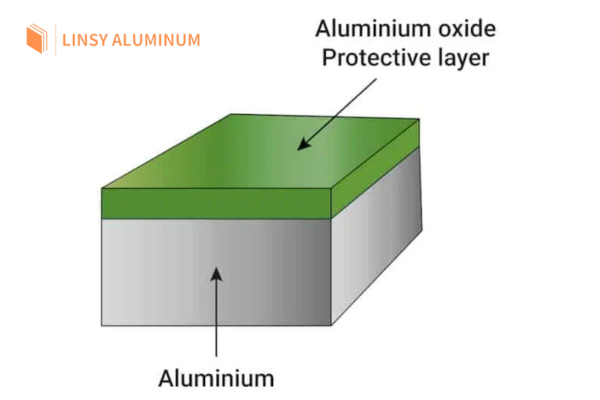
Ambas as ligas resistem bem à corrosão, mas a 5052 é a melhor escolha para uso marinho e em água salgada devido ao seu baixo teor de cobre, que reduz a corrosão induzida por sal.
A 6061 resiste bem à corrosão para uso geral, mas não tão bem quanto a 5052 contra água salgada.
Para condições severas de clima, produtos químicos ou serviço marinho, a 5052 geralmente é a escolha mais segura.
Soldabilidade e usinabilidade
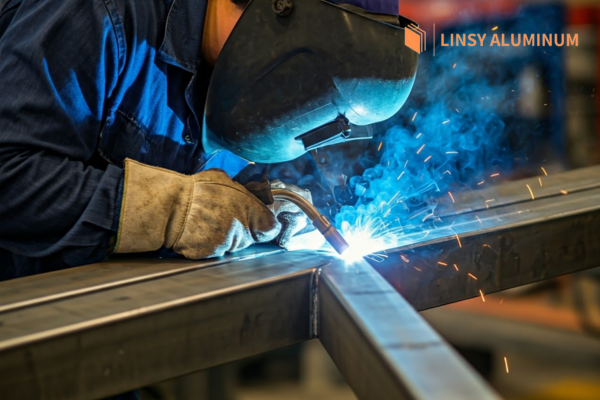
Ambas soldam de forma limpa e produzem juntas duráveis. A 6061 pode exigir tratamento térmico pós-solda, o que pode causar distorção e adicionar uma etapa de endireitamento; a 5052 mantém melhor sua forma após a soldagem, o que simplifica a fabricação.
Em usinabilidade, a 6061 é a escolha mais forte. Ela produz cavacos curtos que se removem facilmente, permitindo cortes mais rápidos e melhores acabamentos. A 5052 é mais dúctil e produz cavacos mais longos e fibrosos que podem reduzir a vida útil da ferramenta e prejudicar o acabamento superficial.
Quando tolerâncias apertadas e usinagem de precisão importam, a 6061 é a mais adequada.
Escolhendo a liga certa para seu projeto
A escolha depende da sua aplicação. Se você precisa de resistência, trabalhabilidade e baixo custo, a 6061 se encaixa, e sua variedade de têmperas se adapta a muitas necessidades. Se a resistência à corrosão (especialmente marinha) é a prioridade, a 5052 vence em soldabilidade e conformabilidade. Conheça a resistência, conformabilidade e perfil de corrosão de cada liga antes de se comprometer.
Quando escolher o alumínio 5052
Se você Se você precisa de resistência à corrosão, a 5052 é a escolha certa. Ela é ideal para ambientes marinhos onde o sal ataca os materiais, perfeita para construção de barcos, ferramentas marinhas e estruturas costeiras. Sua fácil conformabilidade é adequada para projetos detalhados, como tanques personalizados ou vasos de pressão.
Sua soldabilidade com baixa distorção a torna popular para trabalhos complexos, e sua densidade ligeiramente menor que a da 6061 ajuda quando o peso importa.
A 5052 fica atrás da 6061 em resistência à tração, mas sua resistência à fadiga e à corrosão a tornam a melhor opção para aplicações específicas e exigentes.
Quando escolher o alumínio 6061
A 6061 é uma liga versátil, resistente, trabalhável e com preço razoável para trabalhos que exigem integridade estrutural, especialmente peças que precisam ser usinadas.
Sua condutividade térmica é adequada para dissipadores de calor, invólucros eletrônicos e componentes de controle de temperatura. O tratamento térmico ajusta suas propriedades mecânicas, o que torna a 6061 uma escolha prática e flexível.
A 6061 resiste menos à ferrugem que a 5052 em uso marinho, mas ainda protege bem para a maioria das aplicações comuns.
Conclusão
A troca é clara: a 5052 lidera em resistência à corrosão, resistência à fadiga, conformabilidade e estabilidade de soldagem, enquanto a 6061 lidera em resistência, dureza e usinabilidade. Escolha 5052 para trabalhos marinhos, de vasos de pressão e conformação; escolha 6061 para peças estruturais, usinadas e de dissipação de calor.
Em Alumínio Linsy, nós mantemos em estoque ambos 5052 e 6061 em têmperas e formatos comuns, com relatórios de teste SGS disponíveis mediante solicitação por custo adicional. Nossos engenheiros analisam seu desenho e recomendam o grau de menor custo que ainda atende à especificação, para que você não especifique material em excesso. Informe-nos sua aplicação e faremos uma cotação da liga e têmpera corretas. Solicite uma Cotação
Perguntas frequentes
O que é melhor, 6061 ou 5052?
Nenhuma é universalmente melhor. A 6061 é mais resistente e mais fácil de usinar; a 5052 resiste melhor à corrosão e solda com menos distorção. Escolha com base em se resistência ou corrosão/conformabilidade orienta seu projeto.
Quais são as desvantagens do alumínio 6061?
Em comparação com algumas ligas da série 7000, a 6061 tem menor resistência ao escoamento e pode sofrer fadiga sob tensão repetida. Ela também pode distorcer durante o tratamento térmico, o que adiciona uma etapa de endireitamento pós-solda ou pós-tratamento.
Qual alumínio é mais resistente que o 6061?
A 7075 é geralmente mais resistente que a 6061 porque seu teor de zinco eleva a resistência à tração e à fadiga. Para a maior relação resistência-peso em estruturas soldadas, a 7075 é frequentemente o próximo passo.
Para que serve o alumínio 5052?
A 5052 se destaca onde a resistência à corrosão importa, especialmente em ambientes marinhos. Sua conformabilidade a torna uma forte escolha para peças marinhas, vasos de pressão e componentes que devem resistir ao desgaste e ao sal.