Faits marquants
- Le 7075 et le 6061 sont tous deux des alliages courants, mais ils remplissent des fonctions différentes — le 7075 pour la résistance, le 6061 pour l'équilibre.
- Le 7075 est l'option à haute résistance, utilisé dans les structures aérospatiales, sportives et de défense.
- Le 6061 offre un bon équilibre entre résistance, résistance à la corrosion et aptitude à la fabrication pour la construction et le cyclisme.
- Leur composition chimique diffère : le 7075 est à base de zinc et de magnésium ; le 6061 est à base de magnésium et de silicium.
- Ces différences influencent l'usinabilité, la soudabilité, le comportement à l'anodisation et le coût.
Introduction
Alliages d'aluminium Ils sont utilisés dans de nombreux secteurs industriels car ils sont résistants et résistent à la corrosion, ce qui les rend adaptés aux applications exigeantes. Ce guide compare deux options bien connues — le 7075 et le 6061 forgés — en couvrant leur composition, leurs propriétés et leurs usages typiques afin que vous puissiez choisir le bon alliage pour votre projet.
Comprendre les bases des alliages d'aluminium 7075 et 6061
Alliage d'aluminium 7075 appartient à la Série 7000. Il est réputé pour sa haute résistance et contient du zinc, du magnésium et du cuivre, qui confèrent une résistance élevée tout en maintenant un poids réduit. Le traitement thermique (trempe T6) augmente encore sa résistance.
Alliage d'aluminium 6061 appartient à la Série 6000 Il contient du magnésium et du silicium. Ces éléments améliorent la résistance à la corrosion et facilitent le soudage et l'usinage. Comparé aux alliages à haute résistance, le 6061 offre un mélange équilibré de résistance et d'aptitude au travail, adapté à une large gamme d'applications.
Composition et propriétés de l'aluminium 7075
La composition du 7075 le rend très résistant. Il contient plus de zinc que la plupart des alliages d'aluminium, et cette teneur plus élevée en zinc lui permet d'atteindre une résistance à la traction proche de celle de certains aciers. Le cuivre et le magnésium ajoutent une résistance supplémentaire.
Ce mélange implique également des compromis. Le 7075 est moins formable que de nombreux alliages d'aluminium et se fissure plus facilement lors du formage ou du soudage. Sa teneur élevée en éléments d'alliage signifie également une résistance à la corrosion seulement modérée.
Composition et propriétés de l'aluminium 6061
Les éléments d'alliage du 6061 sont le magnésium, le silicium et une petite quantité de titane. Ensemble, ils offrent une bonne résistance à faible poids et rendent l'alliage facile à souder et à usiner — c'est pourquoi il constitue un choix par défaut pour les pièces fabriquées.
Le 6061 possède également une bonne résistance à la corrosion et une conductivité thermique raisonnable, ce qui le rend adapté aux applications extérieures et de gestion thermique. Son aptitude à la fabrication est la principale raison pour laquelle de nombreux ingénieurs le préfèrent.
Comparaison détaillée des caractéristiques mécaniques
Le 7075 et le 6061 sont tous deux des alliages d'aluminium présentant des caractéristiques distinctes qui importent lors de la sélection d'un matériau. Comprendre les différences aide les ingénieurs et les fabricants à choisir le meilleur alliage pour l'application.
À l'état T6, le 7075 est beaucoup plus résistant et plus dur que le 6061 — sa résistance à la traction ultime est presque le double. Le 6061, en revanche, est le meilleur choix pour le soudage, le formage et l'usinage, et il est généralement plus facile et moins coûteux à traiter.
Différences de résistance et de durabilité
La différence principale réside dans la résistance. À la trempe T6, la résistance à la traction du 7075 est presque le double de celle du 6061 — environ 572 MPa contre environ 310 MPa. Cette résistance provient de la teneur plus élevée en zinc du 7075.
Le 6061 est moins résistant mais reste performant, avec une bonne résistance à l'usure et la capacité de supporter les contraintes de service courantes. Sa dureté l'aide également à résister aux bosses et à l'usure de surface dans les environnements de friction.
Conductivité thermique et traitement thermique
Le traitement thermique façonne les performances des deux alliages. La trempe T6 provient d'un traitement thermique en solution suivi d'un vieillissement artificiel, ce qui augmente la résistance et la dureté des deux.
Le 7075 est plus résistant mais conduit moins bien la chaleur que le 6061 en raison de sa teneur plus élevée en éléments d'alliage. La charge d'alliage plus faible du 6061 — y compris son silicium — lui confère une conductivité thermique plus élevée.
| Propriété | Aluminium 7075 | Aluminium 6061 |
| Conductivité thermique (W/m-K) | 130 | 167 |
| Résistance à la traction ultime, T6 (MPa) | ~572 | ~310 |
| Résistance à la corrosion | Modéré | Bon |
| Soudabilité | Pauvre | Bon |
Le 6061 est le choix populaire pour les applications de dissipation thermique telles que les dissipateurs de chaleur et les échangeurs de chaleur grâce à sa conductivité thermique plus élevée.
Applications pratiques de chaque alliage
Le 7075 et le 6061 ne sont pas interchangeables ; leurs propriétés les orientent vers différents rôles dans divers secteurs industriels.
Le rapport résistance/poids du 7075 convient aux pièces critiques en poids dans l'aérospatiale, les équipements sportifs et le matériel militaire. Les propriétés équilibrées et le coût inférieur du 6061 en font un choix judicieux pour les usages courants comme la construction, les pièces automobiles et les biens de consommation.
Utilisation du 7075 dans l'aérospatiale et l'automobile
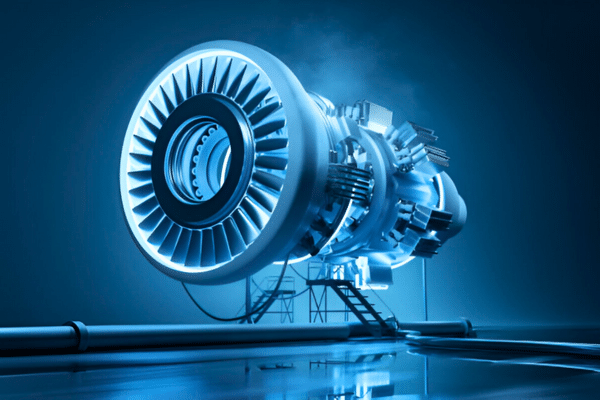
Le 7075 est l'un des alliages d'aluminium corroyés les plus résistants et est courant dans le industrie aérospatiale. Son rapport résistance/poids élevé convient aux pièces aéronautiques telles que les longerons d'aile, les cadres de fuselage et les trains d'atterrissage qui doivent supporter des contraintes élevées en vol.
Dans l'automobile, la résistance du 7075 permet aux pièces de rester légères et résistantes, améliorant les performances et la consommation de carburant. On le trouve dans les châssis de course, les pièces de suspension et les fixations structurelles.
Une autre raison pour laquelle les ingénieurs privilégient le 7075 est sa résistance élevée à la fatigue — les pièces peuvent supporter des millions de cycles de contrainte sans défaillance, ce qui maintient la fiabilité des structures critiques.
Industries de la construction et du cyclisme pour 6061
Le 6061 est largement extrudé pour la construction. Il est formable et offre une meilleure résistance à la corrosion que les alliages à haute teneur en zinc, convenant aux façades de bâtiments, aux cadres de fenêtres, aux pièces de ponts et aux supports structurels.
Dans le cyclisme, le rapport résistance/poids et la résistance à l'usure du 6061 en font un matériau de base pour les cadres de vélos de route et de montagne, et sa facilité de formage et de soudage permet aux fabricants de le façonner en géométries de tubes précises.
Bien que le 6061 ne soit pas aussi dur que le 7075, cela ne constitue pas un inconvénient pour les cadres de vélos — la dureté inférieure aide à absorber les vibrations de la route pour une conduite plus douce.

Usinabilité et soudabilité
L'usinabilité et la soudabilité influencent fortement la fabrication de chaque alliage, et elles déterminent le coût et la qualité finale.
Pour l'usinage intensif ou le soudage, le 6061 est la voie la plus facile — il se coupe, se perce et se forme rapidement et se soude en joints solides et durables. Le 7075 est plus dur et plus résistant, ce qui rend à la fois l'usinage et le soudage plus difficiles.
Capacités d'anodisation et qualité
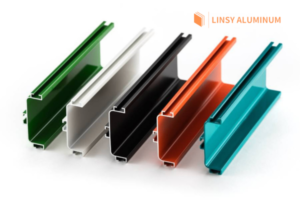
L'anodisation crée une couche d'oxyde protectrice qui améliore la résistance à la corrosion et l'apparence des deux alliages par électrolyse.
Le 6061 s'anodise bien : sa teneur en silicium favorise une couche d'oxyde épaisse et uniforme qui résiste aux conditions difficiles. Le 7075 peut également être anodisé, mais sa teneur élevée en zinc peut provoquer une formation d'oxyde inégale si le processus n'est pas contrôlé. Réalisée correctement, l'anodisation prolonge la durée de vie du 7075 même dans des environnements sévères.
Travailler avec de l'aluminium 7075
Le 7075 est très résistant, sa manipulation nécessite donc des précautions. Sa dureté rend la coupe difficile ; des outils spéciaux et des vitesses plus lentes protègent les outils et maintiennent les tolérances.
Le contrôle de la température est essentiel lors du forgeage, en particulier pour les pièces exigeantes. Un forgeage approprié peut en réalité augmenter la résistance du 7075 pour les services à fortes contraintes.
La trempe modifie l'aptitude au travail : la trempe O recuite est plus facile à former, tandis que la trempe T6 est plus difficile à gérer. Connaître la trempe est essentiel pour la fabrication et la conception.
Travailler avec de l'aluminium 6061
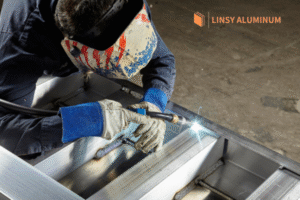
Le 6061 est populaire car il est facile à travailler et se soude facilement. Les méthodes courantes telles que le soudage à l'arc au tungstène (GTAW) et le soudage à l'arc de métaux gazeux (GMAW) fonctionnent bien sur lui.
Le fraisage du 6061 est rapide et convivial pour les outils, rendant la fabrication efficace et rentable.
Exposé à l'air, le 6061 forme une couche d'oxyde protectrice qui résiste à la corrosion, de sorte que de nombreuses applications ne nécessitent aucun traitement de surface supplémentaire.
Différences de coût entre le 7075 et le 6061 forgés
Le 7075 forgé coûte généralement plus cher que le 6061. La prime provient du coût d'alliage plus élevé du 7075 (plus de zinc), de sa plus grande résistance et du forgeage et de l'usinage plus exigeants qu'il requiert — et non de sa résistance à la corrosion, qui est en réalité inférieure à celle du 6061. Le 6061 est l'option économique lorsque la résistance de pointe n'est pas requise, et les ingénieurs choisissent le 7075 lorsqu'ils ont besoin de résistance sous fortes contraintes.
Conclusion
Le 7075 et le 6061 résolvent des problèmes différents. Le 7075 offre une résistance presque double de celle du 6061 pour les structures aérospatiales et automobiles, au prix d'un usinage plus difficile, d'une soudabilité médiocre, d'une résistance à la corrosion seulement modérée et d'un prix plus élevé. Le 6061 échange la résistance maximale contre une fabrication facile, une bonne résistance à la corrosion et un coût inférieur, ce qui explique sa domination dans la construction et le cyclisme. Faites correspondre l'alliage à la contrainte la plus importante — résistance ou aptitude à la fabrication.
Linsy Aluminum fournit à la fois le 7075 et le 6061 sous formes forgées et extrudées — tôle, plaque, barre, tube et profils personnalisés — avec personnalisation des dimensions et des finitions. Les délais de livraison typiques sont de 10 à 60 jours selon l'alliage, la trempe et le traitement. Contactez Linsy Aluminum pour discuter de votre sélection entre le 7075 et le 6061 et demander un devis.
Questions fréquemment posées
Lequel est le plus résistant, le 7075 ou le 6061 ?
À la trempe T6, le 7075 est nettement plus résistant — résistance à la traction ultime d'environ 572 MPa contre environ 310 MPa pour le 6061. C'est pourquoi le 7075 est utilisé dans les pièces aérospatiales et structurelles fortement sollicitées, tandis que le 6061 couvre la fabrication générale.
Quel alliage se soude le mieux ?
Le 6061 se soude facilement avec GTAW/GMAW et forme des joints solides. Le 7075 est difficile à souder : sa teneur en cuivre et en zinc provoque des fissures à chaud et une perte de résistance dans la zone affectée par la chaleur, de sorte que la plupart des structures en 7075 utilisent plutôt une fixation mécanique ou un collage.
Comment choisir entre eux pour un support ?
Si le support doit supporter des charges élevées dans une conception critique en poids et ne sera pas soudé, le 7075 est le choix le plus résistant. Si vous devez le souder, réduire les coûts ou l'exposer à des environnements corrosifs, le 6061 est généralement le meilleur choix.