Principais destaques
- 7075 e 6061 são ambas ligas comuns, mas desempenham funções diferentes — 7075 para resistência, 6061 para equilíbrio.
- A 7075 é a opção de alta resistência, utilizada em estruturas aeroespaciais, esportivas e de defesa.
- A 6061 oferece um bom equilíbrio entre resistência, resistência à corrosão e capacidade de fabricação para construção e ciclismo.
- Suas composições químicas diferem: a 7075 é impulsionada por zinco e magnésio; a 6061 é impulsionada por magnésio e silício.
- Essas diferenças influenciam a usinabilidade, a soldabilidade, o comportamento na anodização e o custo.
Introdução
Ligas de alumínio São utilizadas em muitos setores porque são resistentes e apresentam boa resistência à corrosão, o que as torna adequadas para aplicações exigentes. Este guia compara duas opções bem conhecidas — 7075 e 6061 forjadas — abordando sua composição, propriedades e usos típicos para que você possa escolher a liga certa para o seu projeto.
Entendendo os conceitos básicos das ligas de alumínio 7075 e 6061
Liga de alumínio 7075 pertence ao Série 7000. É famosa pela alta resistência e contém zinco, magnésio e cobre, que proporcionam resistência mantendo o peso baixo. O tratamento térmico (têmpera T6) eleva ainda mais sua resistência.
Liga de alumínio 6061 pertence ao Série 6000 Contém magnésio e silício. Esses elementos auxiliam na resistência à corrosão e facilitam a soldagem e a usinagem. Em comparação com ligas de alta resistência, a 6061 oferece um equilíbrio entre resistência e trabalhabilidade, adequado a uma ampla gama de usos.
Composição e propriedades do alumínio 7075
A composição da 7075 a torna muito resistente. Ela contém mais zinco do que a maioria das ligas de alumínio, e esse maior teor de zinco ajuda a atingir uma resistência à tração próxima à de alguns aços. Cobre e magnésio adicionam resistência adicional.
A composição também traz contrapartidas. A 7075 é menos conformável do que muitas ligas de alumínio e trinca com mais facilidade quando moldada ou soldada. Seu alto teor de elementos de liga também significa resistência à corrosão apenas moderada.
Composição e propriedades do alumínio 6061
Os elementos de liga da 6061 são magnésio, silício e uma pequena quantidade de titânio. Juntos, proporcionam boa resistência com baixo peso e facilitam a soldagem e a usinagem — por isso é uma escolha padrão para peças fabricadas.
A 6061 também apresenta boa resistência à corrosão e condutividade térmica razoável, sendo adequada para aplicações externas e de gestão de calor. Sua capacidade de fabricação é o principal motivo pelo qual muitos engenheiros a preferem.
Comparação detalhada das características mecânicas
Tanto a 7075 quanto a 6061 são ligas de alumínio com características distintas que importam na seleção de materiais. Compreender as diferenças ajuda engenheiros e fabricantes a escolher a melhor liga para cada aplicação.
Na condição T6, a 7075 é muito mais resistente e dura que a 6061 — sua resistência à tração final é quase o dobro. A 6061, por outro lado, é a melhor escolha para soldagem, conformação e usinagem, sendo geralmente mais fácil e barata de processar.
Diferenças de resistência e durabilidade
A principal diferença é a resistência. Na têmpera T6, a resistência à tração da 7075 é quase o dobro da 6061 — aproximadamente 572 MPa contra cerca de 310 MPa. Essa resistência vem do maior teor de zinco da 7075.
A 6061 é menos resistente, mas ainda capaz, com boa resistência ao desgaste e capacidade de suportar tensões de serviço rotineiras. Sua dureza também ajuda a resistir a amassados e desgaste superficial em ambientes de atrito.
Condutividade térmica e tratamento térmico
O tratamento térmico influencia o desempenho de ambas as ligas. A têmpera T6 resulta de tratamento térmico de solução seguido de envelhecimento artificial, o que aumenta a resistência e a dureza de ambas.
A 7075 é mais resistente, mas conduz calor menos bem que a 6061 devido ao seu maior teor de elementos de liga. O menor teor de liga da 6061 — incluindo o silício — confere maior condutividade térmica.
| Propriedade | Alumínio 7075 | Alumínio 6061 |
| Condutividade térmica (W/m-K) | 130 | 167 |
| Resistência à Tração Final, T6 (MPa) | ~572 | ~310 |
| Resistência à corrosão | Moderado | Bom |
| Soldabilidade | Ruim | Bom |
A 6061 é a escolha popular para tarefas de dissipação de calor, como dissipadores e trocadores de calor, graças à sua maior condutividade térmica.
Aplicações práticas de cada liga
A 7075 e a 6061 não são intercambiáveis; suas propriedades as direcionam a diferentes funções em diversos setores.
A relação resistência-peso da 7075 é adequada para peças críticas em peso nos setores aeroespacial, de equipamentos esportivos e militares. As propriedades equilibradas e o menor custo da 6061 a tornam uma escolha inteligente para usos cotidianos, como construção, peças automotivas e bens de consumo.
Usos aeroespaciais e automotivos do 7075
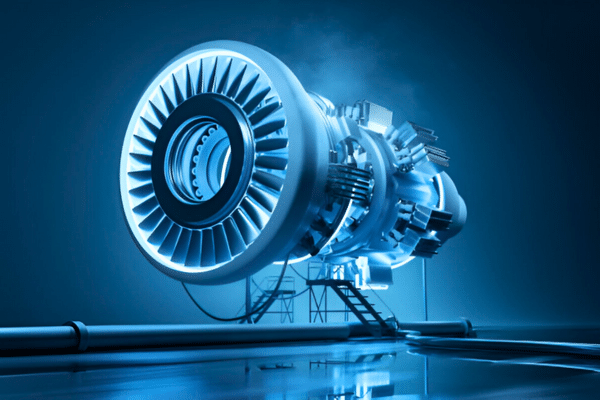
A 7075 é uma das ligas de alumínio forjado mais resistentes e é comum no setor setor aeroespacial. Sua alta relação resistência-peso é adequada para peças de aeronaves, como longarinas de asa, estruturas de fuselagem e trens de pouso, que devem suportar altas tensões em voo.
No setor automotivo, a resistência da 7075 permite que as peças permaneçam leves e resistentes, melhorando o desempenho e o consumo de combustível. Ela aparece em chassis de corrida, peças de suspensão e fixadores estruturais.
Outra razão pela qual os engenheiros favorecem a 7075 é sua alta resistência à fadiga — as peças podem suportar milhões de ciclos de tensão sem falhar, mantendo a confiabilidade de estruturas críticas.
Indústrias de construção e de ciclismo para 6061
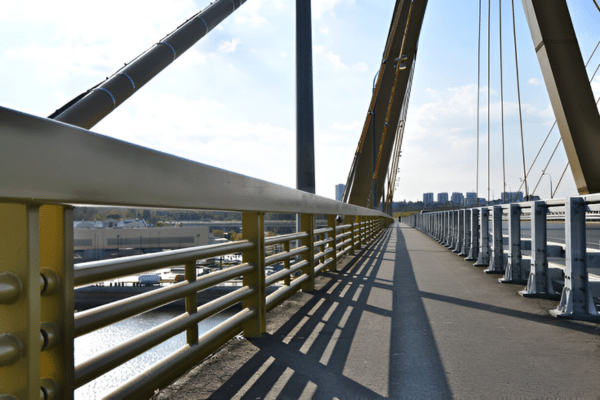
A 6061 é amplamente extrudada para construção. Ela é conformável e oferece melhor resistência à corrosão do que ligas com alto teor de zinco, sendo adequada para fachadas de edifícios, caixilhos de janelas, peças de pontes e suportes estruturais.
No ciclismo, a relação resistência-peso e a resistência ao desgaste da 6061 a tornam um material essencial para quadros de bicicletas de estrada e mountain bike, e sua facilidade de conformação e soldagem permite que os fabricantes a modelem em geometrias precisas de tubos.
Embora a 6061 não seja tão dura quanto a 7075, isso não é uma desvantagem para quadros de bicicleta — a menor dureza ajuda a absorver vibrações da estrada para um passeio mais suave.
Usinabilidade e soldabilidade
A usinabilidade e a soldabilidade afetam fortemente a forma como cada liga é fabricada, e influenciam o custo e a qualidade final.
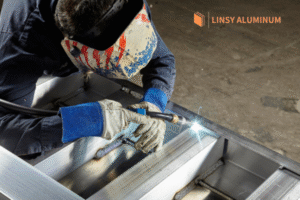
Para usinagem pesada ou soldagem, a 6061 é o caminho mais fácil — ela corta, fura e molda rapidamente e solda em juntas fortes e duráveis. A 7075 é mais resistente e dura, o que torna tanto a usinagem quanto a soldagem mais difíceis.
Capacidades e qualidade de anodização
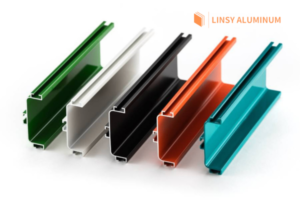
A anodização cria uma camada protetora de óxido que melhora a resistência à corrosão e a aparência de ambas as ligas por meio de eletrólise.
A 6061 anodiza bem: seu teor de silício suporta uma camada de óxido espessa e uniforme que resiste a condições adversas. A 7075 também pode ser anodizada, mas seu alto teor de zinco pode causar formação irregular de óxido se o processo não for controlado. Feita corretamente, a anodização prolonga a vida útil da 7075 mesmo em ambientes agressivos.
Trabalhando com alumínio 7075
A 7075 é muito resistente, portanto seu manuseio exige cuidado. Sua dureza dificulta o corte; ferramentas especiais e velocidades mais baixas protegem as ferramentas e mantêm as tolerâncias.
O controle de temperatura é importante durante a forjamento, especialmente para peças exigentes. A forjamento adequado pode, na verdade, aumentar a resistência da 7075 para serviço sob alta tensão.
A têmpera altera a trabalhabilidade: a têmpera O recozida é mais fácil de conformar, enquanto a têmpera T6 é mais difícil de gerenciar. Conhecer a têmpera é essencial para a fabricação e o projeto.
Trabalhando com alumínio 6061
A 6061 é popular porque é fácil de trabalhar e solda prontamente. Métodos comuns como soldagem a arco com gás tungstênio (GTAW) e soldagem a arco com gás metálico (GMAW) funcionam bem nela.
A fresagem da 6061 é rápida e amigável às ferramentas, tornando a fabricação eficiente e econômica.
Quando exposta ao ar, a 6061 forma uma camada protetora de óxido que resiste à corrosão, portanto muitas aplicações não precisam de tratamento superficial adicional.
Diferenças de Custo entre 7075 e 6061 Forjadas
A 7075 forjada geralmente custa mais do que a 6061. O prêmio vem do maior custo de liga da 7075 (mais zinco), sua maior resistência e a forjamento e usinagem mais exigentes que requer — não da resistência à corrosão, que é na verdade menor que a da 6061. A 6061 é a opção econômica quando a resistência máxima não é necessária, e os engenheiros recorrem à 7075 quando precisam de resistência sob alta tensão.
Conclusão
A 7075 e a 6061 resolvem problemas diferentes. A 7075 oferece quase o dobro da resistência da 6061 para estruturas aeroespaciais e automotivas, ao custo de usinagem mais difícil, soldabilidade ruim, resistência à corrosão apenas moderada e preço mais alto. A 6061 troca resistência máxima por facilidade de fabricação, boa resistência à corrosão e menor custo, razão pela qual domina a construção e o ciclismo. Combine a liga à restrição que mais importa — resistência ou capacidade de fabricação.
A Linsy Aluminum fornece tanto 7075 quanto 6061 em formas forjadas e extrudadas — chapa, placa, barra, tubo e perfis personalizados — com personalização de dimensões e acabamento. Os prazos típicos variam de 10 a 60 dias, dependendo da liga, têmpera e processamento. Entre em contato com a Linsy Aluminum para discutir sua seleção entre 7075 e 6061 e solicitar um orçamento.
Perguntas frequentes
Qual é mais resistente, 7075 ou 6061?
Na têmpera T6, a 7075 é muito mais resistente — resistência à tração final em torno de 572 MPa contra cerca de 310 MPa da 6061. É por isso que a 7075 é usada em peças aeroespaciais e estruturais altamente tensionadas, enquanto a 6061 cobre a fabricação geral.
Qual liga solda melhor?
A 6061 solda prontamente com GTAW/GMAW e forma juntas fortes. A 7075 é difícil de soldar: seu teor de cobre e zinco causa trincas a quente e perda de resistência na zona afetada pelo calor, portanto a maioria das estruturas de 7075 usa fixação mecânica ou adesão em vez de solda.
Como escolher entre elas para um suporte?
Se o suporte precisar suportar altas cargas em um projeto crítico em peso e não for soldado, a 7075 é a escolha mais resistente. Se você precisar soldá-lo, manter os custos baixos ou expô-lo a ambientes corrosivos, a 6061 geralmente é a melhor escolha.