Key Highlights
- 7075 and 6061 are both common alloys but serve different jobs — 7075 for strength, 6061 for balance.
- 7075 is the high-strength option, used in aerospace, sport, and defense structures.
- 6061 offers a good mix of strength, corrosion resistance, and fabricability for construction and cycling.
- Their chemistry differs: 7075 is zinc- and magnesium-driven; 6061 is magnesium- and silicon-driven.
- Those differences drive machinability, weldability, anodizing behavior, and cost.
Introduction
Aluminum alloys are used across many industries because they are strong and resist corrosion, which makes them suitable for demanding jobs. This guide compares two well-known options — forged 7075 and 6061 — covering their composition, properties, and typical uses so you can pick the right alloy for your project.
Understanding the Basics of 7075 and 6061 Aluminum Alloys
7075 aluminum alloy belongs to the 7000 series. It is famous for high strength and contains zinc, magnesium, and copper, which deliver strength while keeping weight low. Heat treatment (the T6 temper) pushes its strength even higher.
6061 aluminum alloy belongs to the 6000 series and contains magnesium and silicon. Those elements aid corrosion resistance and make it easy to weld and machine. Compared with high-strength alloys, 6061 offers a balanced mix of strength and workability, which suits a wide range of uses.
Composition and Properties of 7075 Aluminum
7075’s makeup makes it very strong. It carries more zinc than most aluminum alloys, and that higher zinc content helps it reach a tensile strength close to some steels. Copper and magnesium add further strength.
The mix also brings trade-offs. 7075 is less formable than many aluminum alloys and cracks more easily when shaped or welded. Its high alloy content also means only moderate corrosion resistance.
Composition and Properties of 6061 Aluminum
6061’s alloying elements are magnesium, silicon, and a small amount of titanium. Together they give good strength at low weight and make the alloy easy to weld and machine — which is why it is a default choice for fabricated parts.
6061 also has good corrosion resistance and reasonable thermal conductivity, making it suitable for outdoor and heat-management roles. Its fabricability is the main reason many engineers prefer it.
Detailed Comparison of Mechanical Characteristics
Both 7075 and 6061 are aluminum alloys with distinct traits that matter when selecting a material. Understanding the differences helps engineers and manufacturers choose the best alloy for the job.
In the T6 condition, 7075 is much stronger and harder than 6061 — its ultimate tensile strength is nearly double. 6061, by contrast, is the better choice for welding, forming, and machining, and is usually easier and cheaper to process.
Strength and Durability Differences
The headline difference is strength. In T6 temper, 7075’s tensile strength is nearly double 6061’s — roughly 572 MPa versus about 310 MPa. That strength comes from 7075’s higher zinc content.
6061 is less strong but still capable, with good wear resistance and the ability to handle routine service stress. Its hardness also helps it resist dents and surface wear in frictional environments.
Thermal Conductivity and Heat Treatment
Heat treatment shapes how both alloys perform. The T6 temper comes from solution heat treatment followed by artificial aging, which raises strength and hardness in both.
7075 is stronger but conducts heat less well than 6061 because of its higher alloy content. 6061’s lower alloy loading — including its silicon — gives it higher thermal conductivity.
| Property | 7075 Aluminum | 6061 Aluminum |
| Thermal Conductivity (W/m·K) | 130 | 167 |
| Ultimate Tensile Strength, T6 (MPa) | ~572 | ~310 |
| Corrosion Resistance | Moderate | Good |
| Weldability | Poor | Good |
6061 is the popular choice for heat-dissipation tasks such as heat sinks and heat exchangers thanks to its higher thermal conductivity.
Practical Applications of Each Alloy
7075 and 6061 are not interchangeable; their properties steer them to different roles across industries.
7075’s strength-to-weight ratio suits weight-critical parts in aerospace, sport equipment, and military hardware. 6061’s balanced properties and lower cost make it a smart pick for everyday uses like construction, auto parts, and consumer goods.

Aerospace and Automotive Uses for 7075
7075 is one of the strongest wrought aluminum alloys and is common in the aerospace industry. Its high strength-to-weight ratio fits aircraft parts such as wing spars, fuselage frames, and landing gear that must survive high stress in flight.
In automotive, 7075’s strength lets parts stay light and strong, improving performance and fuel use. It appears in racing frames, suspension parts, and structural fasteners.
Another reason engineers favor 7075 is its high fatigue strength — parts can endure millions of stress cycles without failing, which keeps critical structures reliable.
Construction and Cycling Industries for 6061
6061 is widely extruded for construction. It is formable and offers better corrosion resistance than high-zinc alloys, suiting building exteriors, window frames, bridge parts, and structural supports.
In cycling, 6061’s strength-to-weight and wear resistance make it a staple for road and mountain bike frames, and its ease of shaping and welding lets builders form it into precise tube geometries.
Although 6061 is not as hard as 7075, that is no drawback for bike frames — the lower hardness helps absorb road vibration for a smoother ride.

Machinability and Weldability
Machinability and weldability strongly affect how each alloy is made, and they drive cost and final quality.
For heavy machining or welding, 6061 is the easier route — it cuts, drills, and shapes quickly and welds into strong, lasting joints. 7075 is tougher and harder, which makes both machining and welding more difficult.
Anodizing Capabilities and Quality
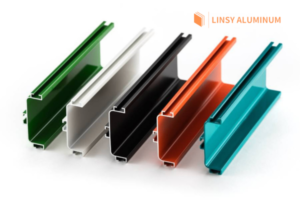
Anodizing builds a protective oxide layer that improves corrosion resistance and appearance of both alloys through electrolysis.
6061 anodizes well: its silicon content supports a thick, even oxide layer that stands up to tough conditions. 7075 can also be anodized, but its high zinc content can cause uneven oxide formation if the process is not controlled. Done properly, anodizing extends 7075’s service life even in harsh environments.
Working with 7075 Aluminum
7075 is very strong, so handling it needs care. Its hardness makes cutting difficult; special tooling and slower speeds protect tools and hold tolerances.
Temperature control matters during forging, especially for demanding parts. Proper forging can actually raise 7075’s strength for high-stress service.
Temper changes workability: the annealed O-temper is easier to form, while the T6 temper is harder to manage. Knowing the temper is essential to manufacturing and design.
Working with 6061 Aluminum
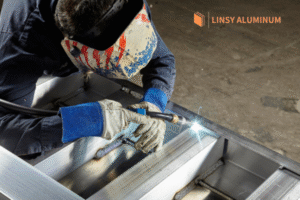
6061 is popular because it is easy to work with and welds readily. Common methods such as gas tungsten arc welding (GTAW) and gas metal arc welding (GMAW) work well on it.
Milling 6061 is fast and tool-friendly, making fabrication efficient and cost-effective.
When exposed to air, 6061 forms a protective oxide layer that resists corrosion, so many applications need no extra surface treatment.
Cost Differences Between Forged 7075 and 6061
Forged 7075 typically costs more than 6061. The premium comes from 7075’s higher alloying cost (more zinc), its greater strength, and the more demanding forging and machining it requires — not from corrosion resistance, which is actually lower than 6061’s. 6061 is the budget-friendly option when top-end strength is not required, and engineers reach for 7075 when they need strength under high stress.
Conclusion
7075 and 6061 solve different problems. 7075 delivers near-double the strength of 6061 for aerospace and automotive structures, at the cost of harder machining, poor weldability, only moderate corrosion resistance, and a higher price. 6061 trades peak strength for easy fabrication, good corrosion resistance, and lower cost, which is why it dominates construction and cycling. Match the alloy to the constraint that matters most — strength or fabricability.
Linsy Aluminum supplies both 7075 and 6061 in forged and extruded forms — sheet, plate, bar, tube, and custom profiles — with dimension and finish customization. Typical lead times run 10–60 days depending on alloy, temper, and processing. Contact Linsy Aluminum to discuss your 7075 vs 6061 selection and request a quote.
Frequently Asked Questions
Which is stronger, 7075 or 6061?
In the T6 temper, 7075 is far stronger — ultimate tensile strength around 572 MPa versus about 310 MPa for 6061. That is why 7075 goes into highly stressed aerospace and structural parts while 6061 covers general fabrication.
Which alloy welds better?
6061 welds readily with GTAW/GMAW and forms strong joints. 7075 is difficult to weld: its copper and zinc content causes hot cracking and heat-affected-zone strength loss, so most 7075 structures use mechanical fastening or bonding instead.
How do I choose between them for a bracket?
If the bracket must carry high loads in a weight-critical design and won’t be welded, 7075 is the stronger pick. If you need to weld it, keep costs down, or expose it to corrosive environments, 6061 is usually the better choice.