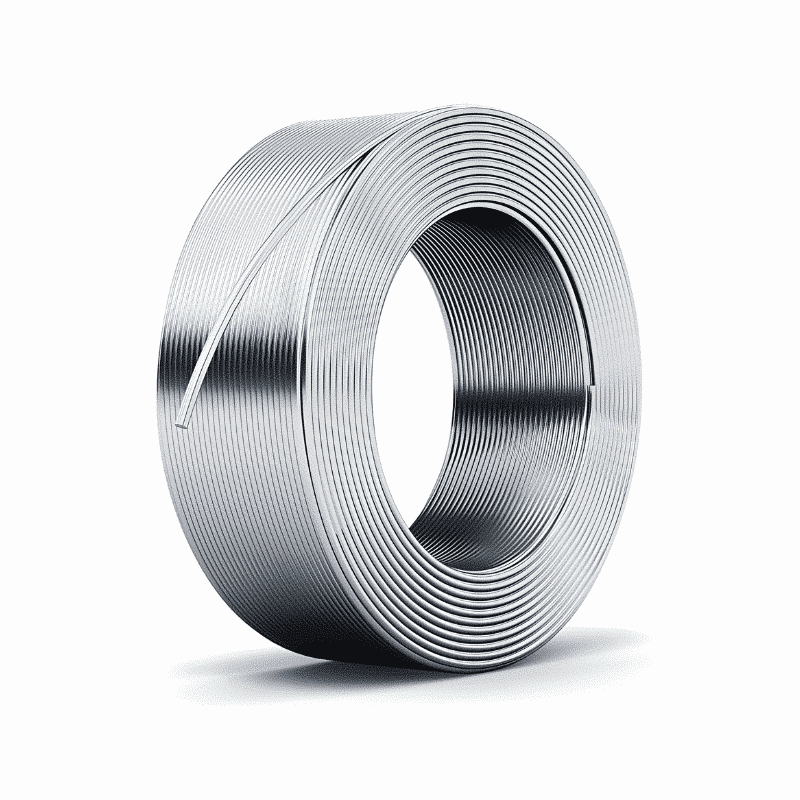
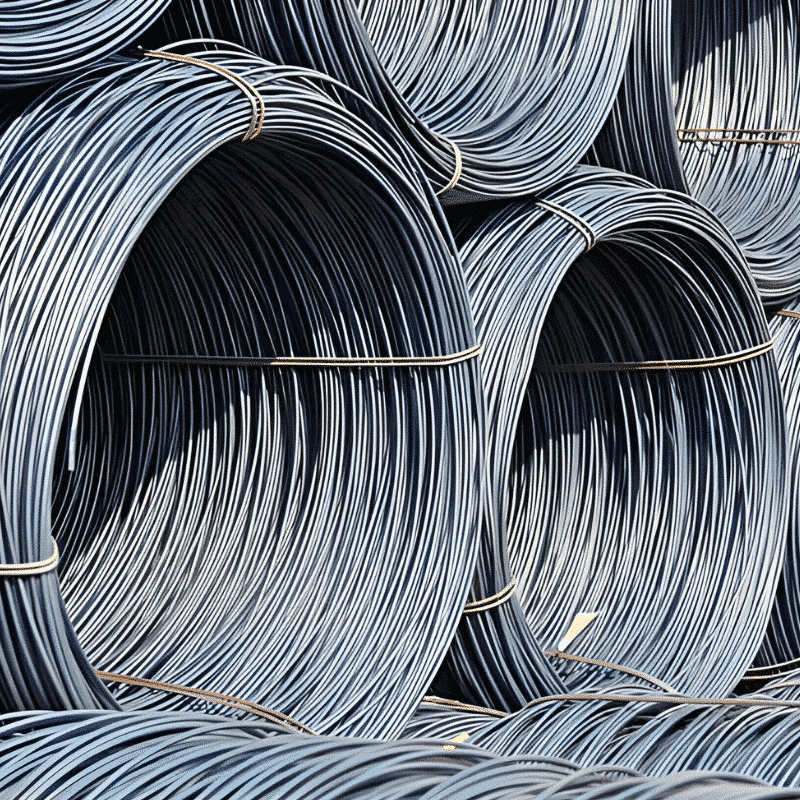


1050 aluminum wire is commercial-purity aluminium for electrical and general use: about 61% IACS, soft and highly formable in O, and cheap. It serves braids, windings, connections and electrical hardware where the controlled purity of EC grade is not required. For overhead line, 1350-H19 is the correct grade.
Diameter: 0.8–30 mm, ±0.02–0.05 mm
Tempers: O / H14
Coil weight: from 50 kg
Standards: ASTM B230, ASTM B211
Quality documents: MTC with conductivity and tensile
1050 aluminum wire is commercial-purity aluminium (99.5% minimum) supplied as drawn wire for electrical and general use. It is the general-purpose member of the conductor family: about 61% IACS, soft and highly formable in O, and cheap. Where 1350 is specified for overhead line, 1050 turns up in connections, braids, winding and general electrical hardware where the extra purity control of EC grade is not required. Alloy data: 1050 aluminum alloy.
| Item | Range |
|---|---|
| Diameter | 0.8 – 30 mm |
| Tolerance | ±0.02 – 0.05 mm drawn |
| Coil weight | Minimum 50 kg, custom on request |
| Standards | ASTM B230 (electrical), ASTM B211 (bar and wire) |
State the tolerance with the diameter. On a braiding or winding line the wire is often the cheapest component and the most expensive to get wrong — out-of-tolerance wire changes tension across the whole run.
| Temper | Tensile (MPa) | Conductivity (% IACS) | Typical use |
|---|---|---|---|
| O | ~70–95 | ~61.5 | Annealed — winding, braiding, flexible connections |
| H14 | ~100–140 | ~61 | Half hard — formed parts, moderate strength |
Typical values; confirm against the MTC. Density 2.70 g/cm³, resistivity about 0.0283 Ω·mm²/m at 20 °C. 1050 has almost no alloying addition, so there is no heat treatment available — the temper is the whole story of its strength.
O is the reason to buy 1050: maximum formability for winding, braiding and flexible connections, and the condition in which it competes with copper on cost per amp. H14 adds modest strength for formed parts that will not be bent repeatedly. There is no hard-drawn conductor temper here — for overhead line use 1350-H19.
| Alloy | Tensile (MPa) | Conductivity (% IACS) | Where it fits |
|---|---|---|---|
| 1050-O / H14 | ~70–140 | ~61 | Braids, winding, connections, general electrical hardware |
| 1350-H19 | ~160–200 | ~61 | Overhead conductor, the standard EC grade |
| 1370-H18 | ~170–200 | ~61.5 | Conductivity-priority conductor |
1050 and 1350 are close on conductivity, and the choice is about strength and specification control rather than performance: 1350 is the controlled EC grade with a hard-drawn temper, 1050 is the general-purpose metal. If the drawing names EC grade, use 1350.
1050 sits in the conductor family but at its soft end: it is chosen for formability and cost in flexible and wound applications rather than for line construction. It is not a structural wire and it is not a welding filler — those are different families with different specs.
For electrical work, ask for conductivity and tensile on the finished wire on one certificate.
How conductivity is specified. Conductivity is expressed as a percentage of the International Annealed Copper Standard, so 61% IACS means 61% of the conductivity of annealed copper. It is measured on the finished wire, by resistance per unit length at a stated temperature (normally 20 °C), and because aluminium resistance rises about 0.4% per °C the measurement temperature has to be declared or the number means nothing. This is why a conductor certificate reports conductivity and test temperature together, and why a room-temperature reading taken on a cold morning can be argued about.
One practical consequence for 1050: because it is commercial-purity rather than controlled EC grade, conductivity can vary a little more between lots. If the application is loss-sensitive, specify the conductivity band rather than assuming the nominal figure — that is the difference between buying general-purpose metal and buying conductor grade.
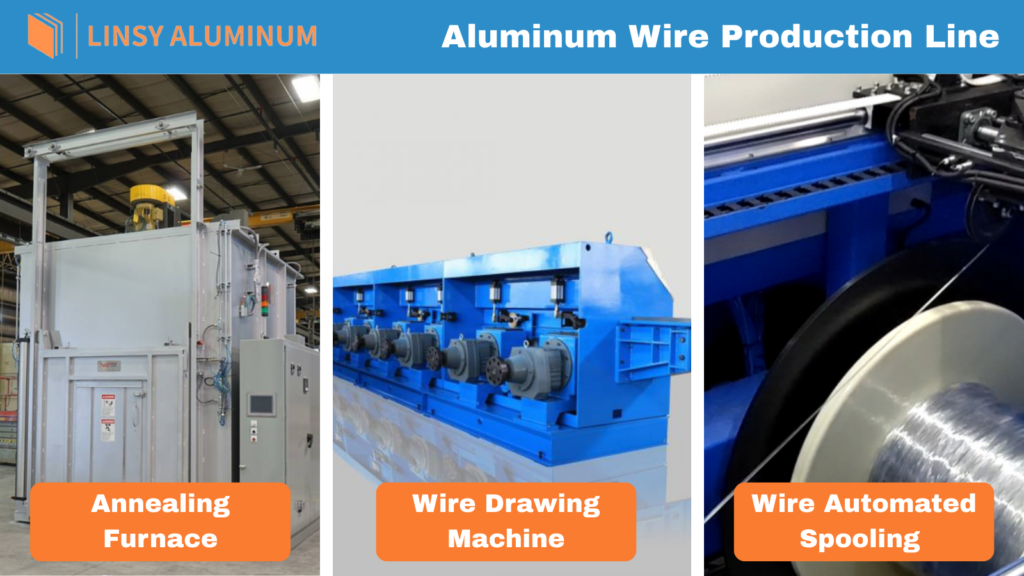
Drawing: bright drawn, lubricant removed. On soft O-temper wire the surface marks easily in handling — specify protective packaging if appearance matters.
Spooling: coils from 50 kg, spools on request; give the spool bore your payoff accepts.
Joining: welds readily, but the joint anneals and carries less current. Compression fittings and mechanical connectors are the norm on conductor work.
Where 1050 competes with copper, the calculation is ampacity per kilogram rather than conductivity per se: aluminium conducts about 61% as well as copper but weighs roughly 30% as much, so on an equal-resistance basis an aluminium conductor is about half the mass. That is the whole economic case for aluminium winding and braid, and it is why the soft O temper matters more than the conductivity figure in those applications.
Flexible braids and connections, transformer and reactor windings, earthing and grounding, electrical hardware and terminals, decorative and general-purpose wire, mesh and binding.
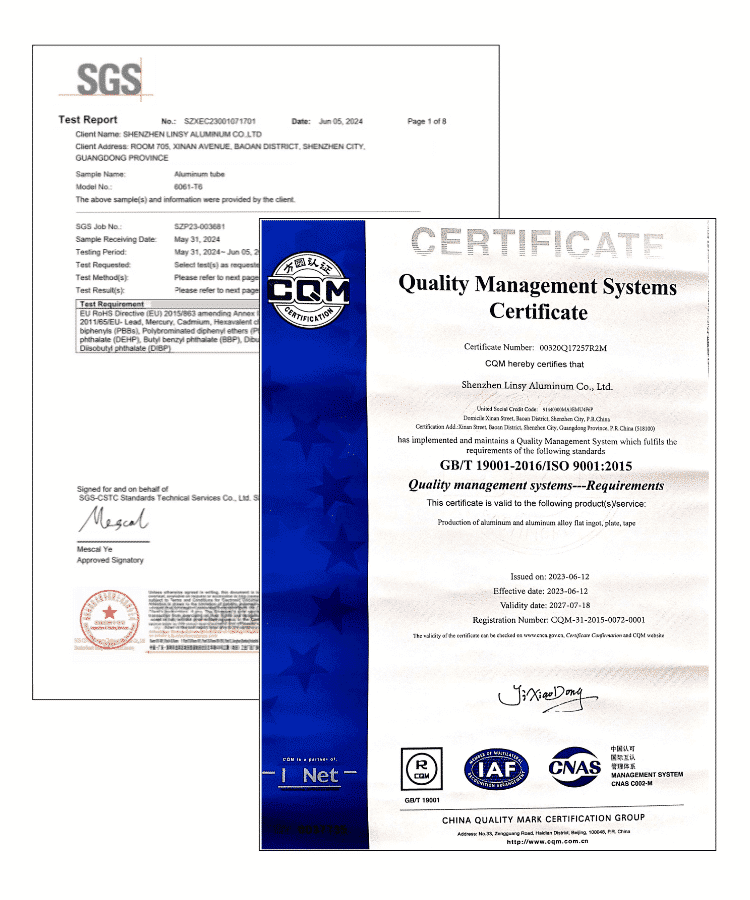
Every order ships with an MTC reporting alloy, temper, diameter, tensile and conductivity. Third-party testing is available on request at additional cost; production runs under ISO 9001, ISO 14001 and ISO 45001 certified systems.
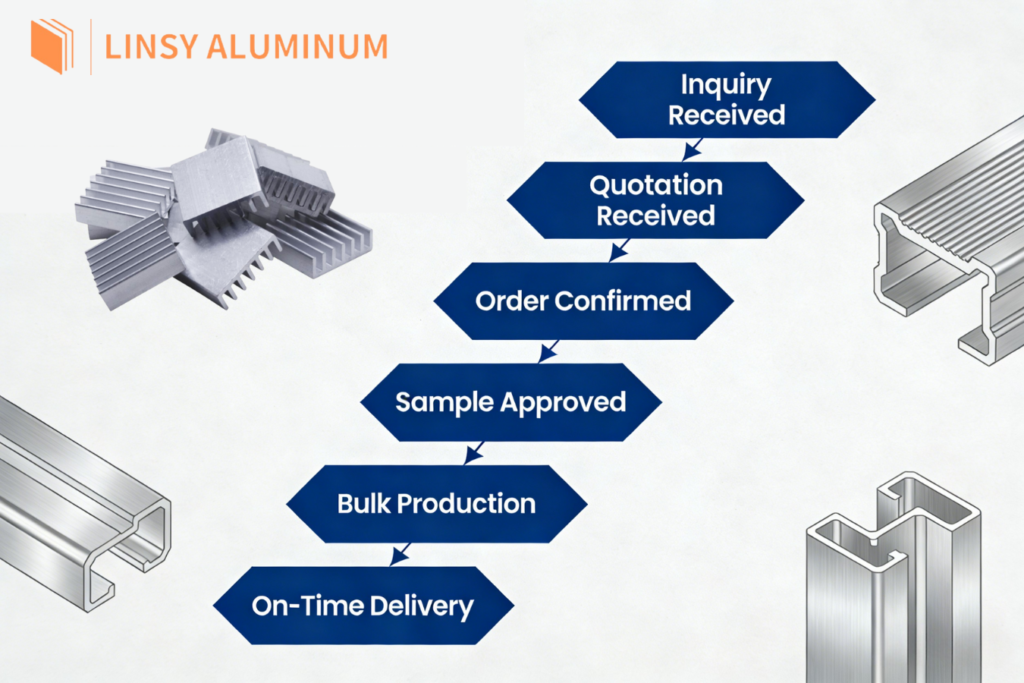
To quote in one round, send: diameter and tolerance, temper (O for winding, H14 for formed parts), coil or spool weight, conductivity requirement, and the destination.
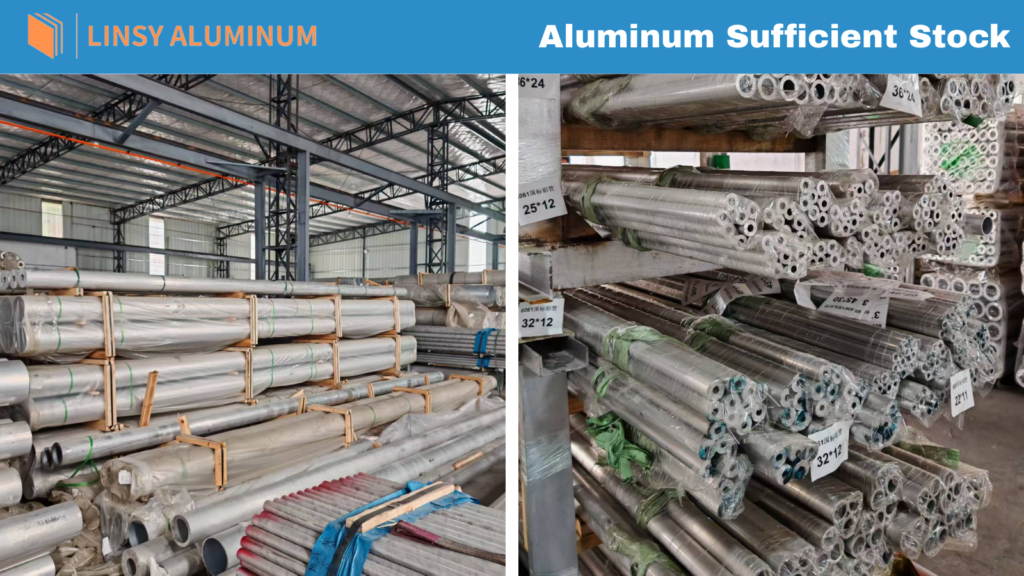
Shenzhen-based aluminum factory, more than 20 years in the industry, supplying 1000–8000 series alloys in standard specifications and custom sizes.
Q: Is 1050 the same as EC grade?
A: Not for specification purposes. EC grade is 1350 with controlled purity and a hard-drawn temper; 1050 is commercial-purity general-purpose metal. If the drawing says EC, use 1350.
Q: O or H14?
A: O for winding, braiding and flexible connections; H14 for formed parts needing modest strength that will not be bent repeatedly.
Q: Can it be used for overhead line?
A: No — there is no hard-drawn conductor temper in 1050 here, and it lacks the strength for stringing. Use 1350-H19.
Q: Can 1050 wire be welded?
A: Yes, but the joint anneals and carries less current. On conductor work, mechanical or compression connections are normal.
Q: What sizes and coils do you supply?
A: 0.8–30 mm diameter, coils from 50 kg, spools on request.
Linsy Advantages
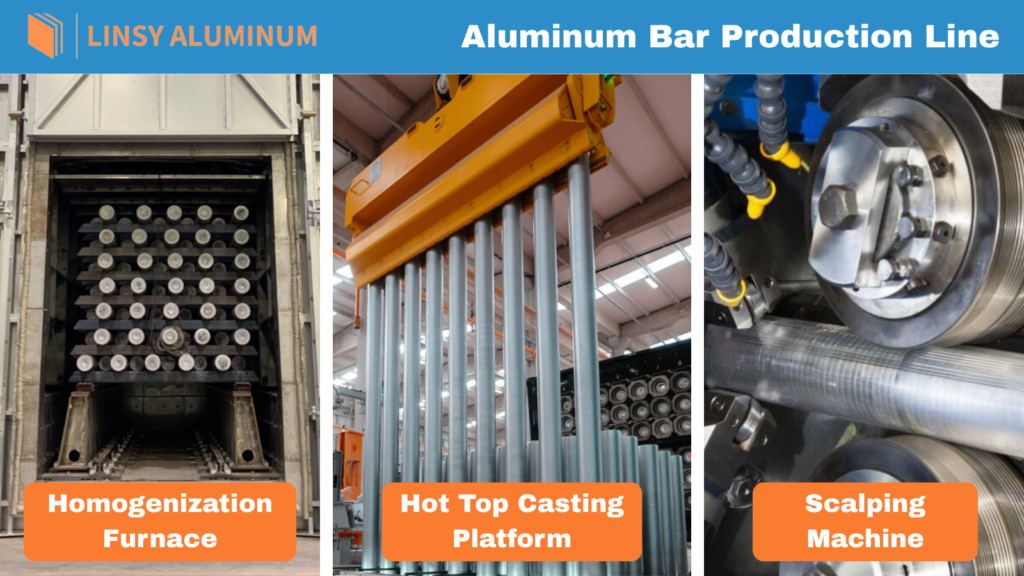
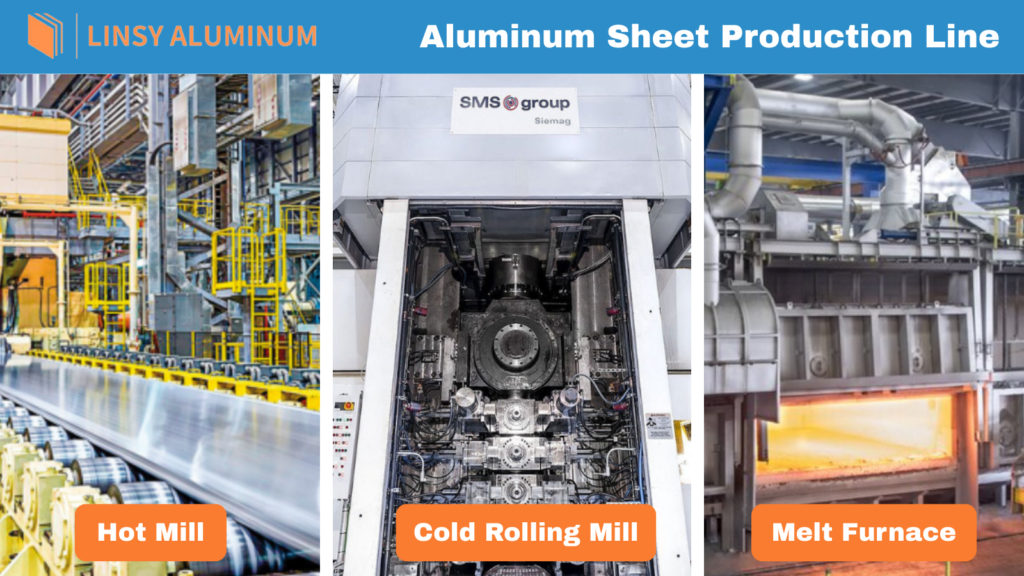
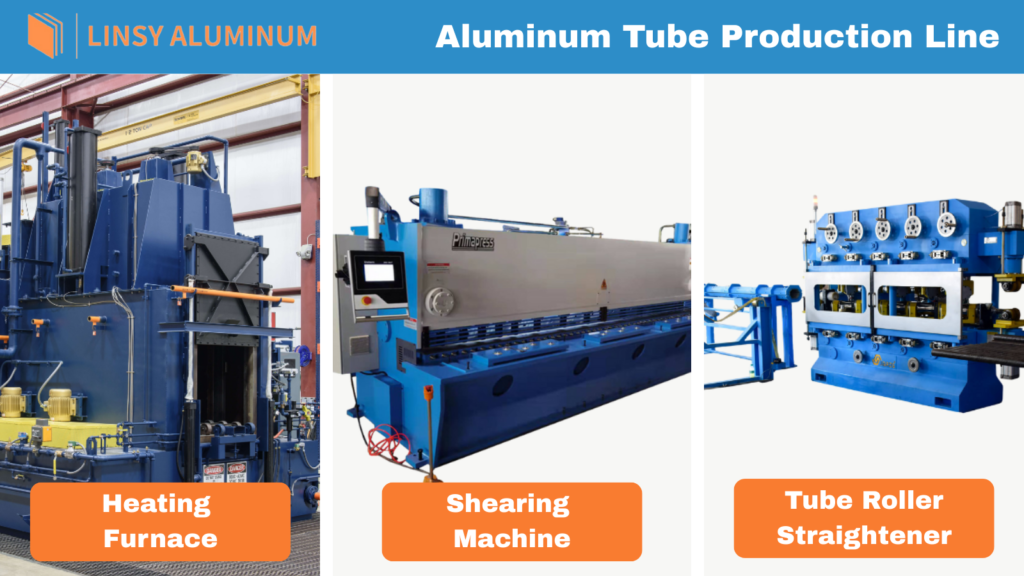
Linsy Aluminum is a leading supplier of aluminum processing products, serving diverse industries including aerospace, general engineering, automotive, marine, shipbuilding and other specialized industrial applications.
We are committed to maintaining the highest standards of quality and environmental responsibility, as demonstrated by our certifications: ISO 9001:2008, ISO 14001:2004 and SGS.