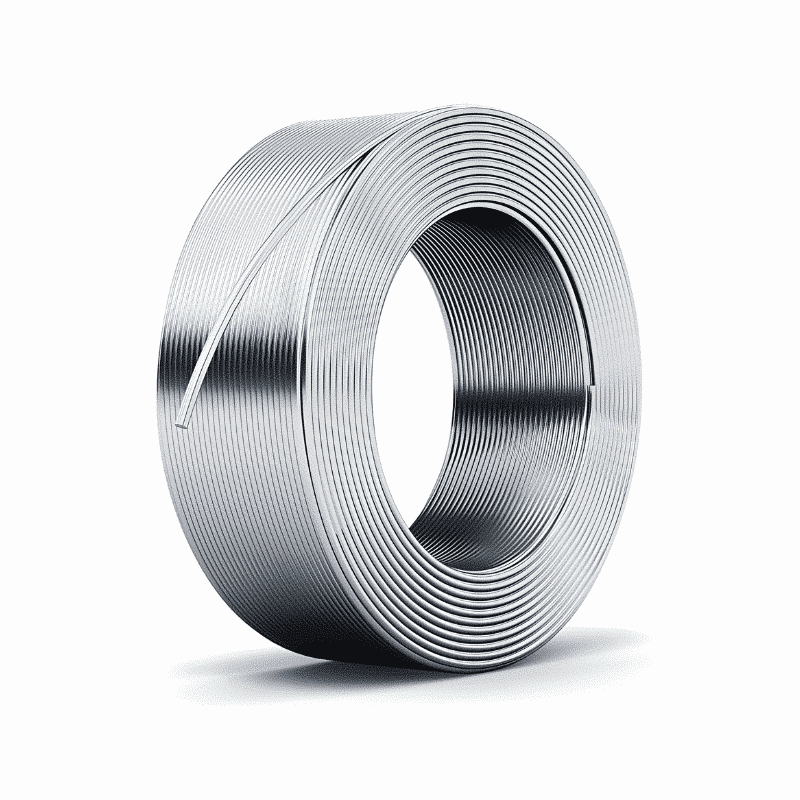
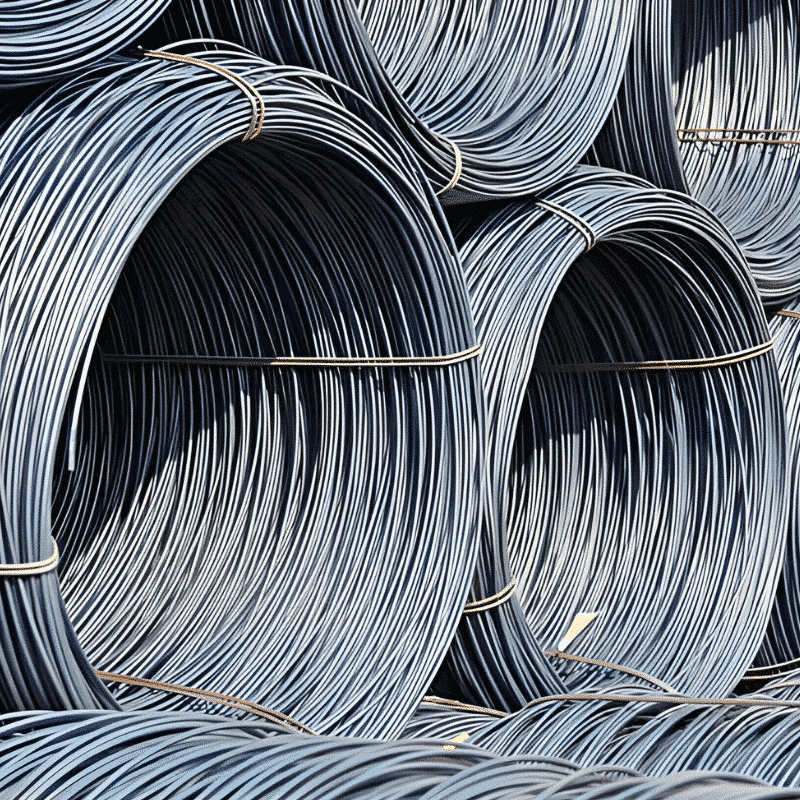


1350 aluminum wire is the standard EC (electrical conductor) grade: 99.5% minimum aluminium, about 61% IACS, hard drawn in H19 for overhead line and cable. If a specification says EC aluminium, it means 1350. O temper serves winding and flexible connections.
Diameter: 0.8–30 mm, ±0.02–0.05 mm
Tempers: O / H14 / H19
Coil weight: from 50 kg
Standards: ASTM B230
Quality documents: MTC with conductivity and tensile
1350 aluminum wire is electrical-conductor grade aluminium with a minimum aluminium content of 99.5%, supplied hard drawn for overhead line and cable. It is the standard EC (electrical conductor) grade: about 61% IACS conductivity, adequate strength in H19, and the reference against which every other conductor alloy is measured. If a specification says “EC aluminium”, it means 1350. Alloy data: 1350 aluminum alloy.
| Item | Range |
|---|---|
| Diameter | 0.8 – 30 mm |
| Tolerance | ±0.02 – 0.05 mm (drawn) |
| Coil weight | Minimum 50 kg, custom on request |
| Form | Coil or spool, bright drawn |
| Standards | ASTM B230 (1350 EC wire), ASTM B231/B232 for stranded conductor |
Tolerance matters more on a stranding line than on almost any other product: an out-of-tolerance wire changes the lay length and the tension of the whole conductor, and the fault shows up as birdcaging rather than as a dimension. State the tolerance class with the diameter.
| Temper | Tensile (MPa) | Conductivity (% IACS) | Typical use |
|---|---|---|---|
| O | ~70–95 | ~62 | Annealed, for winding and flexible conductors |
| H14 | ~100–140 | ~61.5 | Intermediate, where some strength is needed |
| H19 | ~160–200 | ~61 | Hard drawn, overhead conductors and cable cores |
Typical values; confirm against the MTC. Density 2.70 g/cm³, resistivity about 0.0283 Ω·mm²/m at 20 °C. Note the pattern: as the temper hardens, strength rises and conductivity falls slightly — that is the physical trade on this grade, and it is why H19 is specified only where the stringing loads require it.
H19 is the conductor temper: hard drawn, sized for stringing tension and sag. O is for winding and flexibility — transformer windings, flexible connections and anything that has to bend repeatedly. H14 sits between and is used where a little strength is needed without the full hard draw.
Annealing is the operation to watch: 1350 softens at a relatively low temperature, and an over-annealed H19 becomes an O-temper wire that will not hold sag. If the wire is being formed or welded before installation, the heat-affected length has to be accounted for.
| Alloy | Tensile (MPa) | Conductivity (% IACS) | Where it fits |
|---|---|---|---|
| 1350-H19 | ~160–200 | ~61 | ACSR, plain conductor, standard EC grade |
| 6201-T81 | ~295 | ~52 | AAAC, long spans where strength governs |
| 1370-H18 | ~170–200 | ~61.5 | High-purity conductor, conductivity priority |
1350 is the default and the cheapest conductor grade. Step to 6201 when strength governs — long spans, ice, high wind — and to 1370 when the loss budget is tight enough that half a point of conductivity pays for the higher-purity metal.
Conductor wire is judged on conductivity, strength and how it strands. Mechanical wire is judged on formability, weldability or corrosion. The families share a product form and nothing else: a 5052 spec cannot substitute for 1350 on an electrical job, and 1350 cannot substitute for 5052 on a welded one.
For 1350 the certification is the deliverable: conductivity measured on the finished wire, reported with tensile, on one document. A line operator will not accept a billet analysis as proof of conductor performance.
How conductivity is specified. Conductivity is expressed as a percentage of the International Annealed Copper Standard, so 61% IACS means 61% of the conductivity of annealed copper. It is measured on the finished wire, by resistance per unit length at a stated temperature (normally 20 °C), and because aluminium resistance rises about 0.4% per °C the measurement temperature has to be declared or the number means nothing. This is why a conductor certificate reports conductivity and test temperature together, and why a room-temperature reading taken on a cold morning can be argued about.
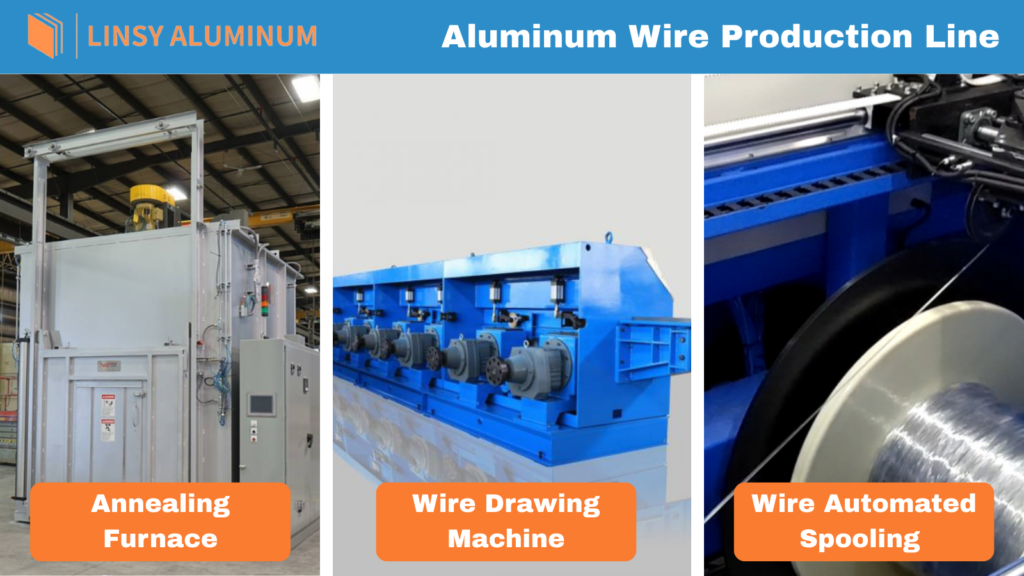
Drawing: supplied bright drawn to finish diameter with lubricant removed. Residual drawing lubricant affects both stranding and any subsequent annealing, so state the cleaning standard if the wire is critical.
Spooling: coils from 50 kg, spools on request. Give the spool type and bore your payoff accepts.
Joining: conductors are joined with compression fittings, splices or welding in busbar applications. 1350 welds readily, but the weld and heat-affected zone come back annealed and carry less current — a welded joint in a conductor is a design decision, not a shop convenience.
ACSR and plain overhead conductors, cable cores and stranded cable, transformer and reactor windings, busbar and substation connections, flexible braids and connections, earthing and grounding conductors.
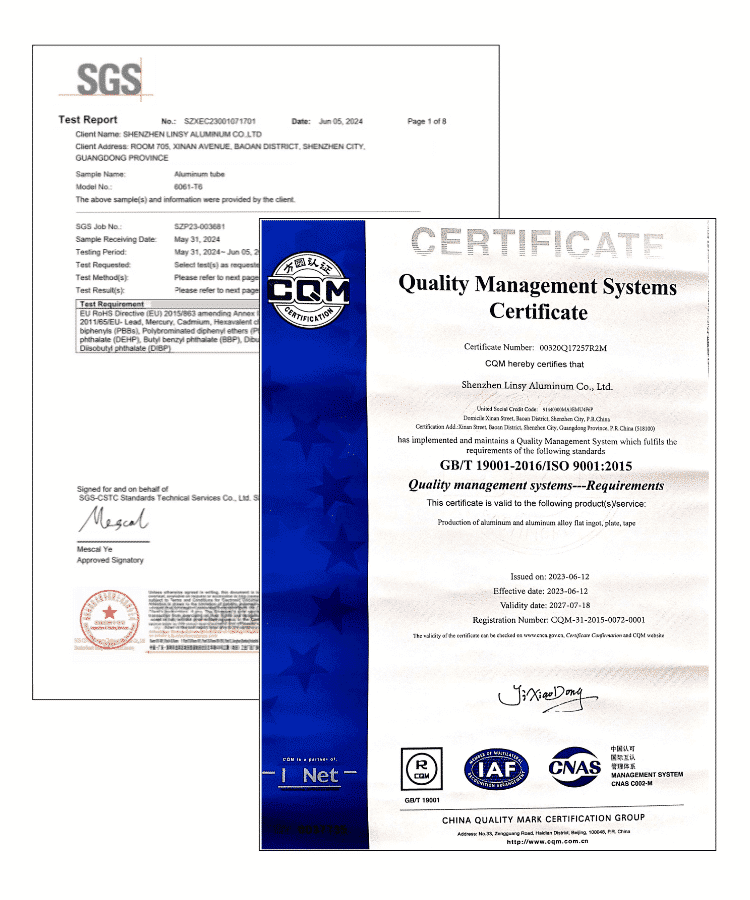
Every order ships with an MTC reporting alloy, temper, diameter, tensile strength and electrical conductivity measured on the finished wire. Third-party testing is available on request at additional cost; production runs under ISO 9001, ISO 14001 and ISO 45001 certified systems.
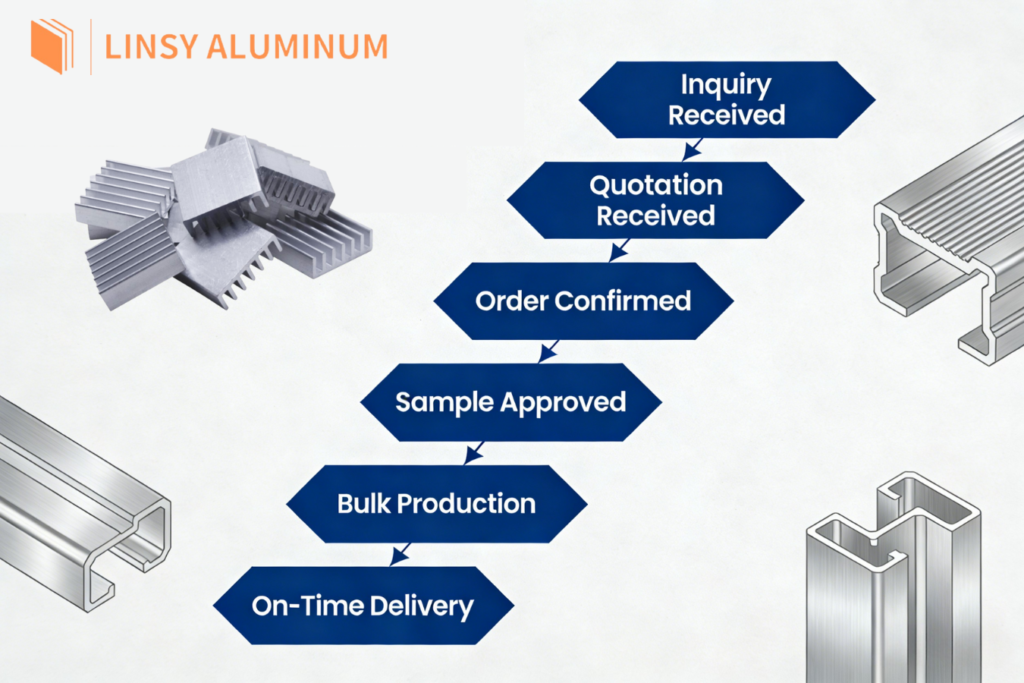
To quote in one round, send: diameter and tolerance, temper (H19 for overhead, O for winding), coil or spool weight and spool type, conductivity and tensile requirement, surface standard, and the destination.
Shenzhen-based aluminum factory, more than 20 years in the industry, supplying 1000–8000 series alloys in standard specifications and custom sizes.
Q: What does EC grade mean?
A: Electrical conductor grade — in practice 1350, with a minimum 99.5% aluminium content and about 61% IACS. If a spec says EC aluminium, it is this alloy.
Q: H19 or O for a conductor?
A: H19 for overhead line, where the wire has to hold stringing tension and sag. O for windings and flexible connections that have to bend repeatedly.
Q: Why does conductivity drop as the temper hardens?
A: Because strain hardening raises strength and slightly raises resistivity. It is a physical trade on this grade, which is why H19 is only specified where the stringing loads require it.
Q: Is 1350 or 6201 better?
A: 1350 conducts better (61% against 52%); 6201 is nearly twice as strong. Choose by whether span strength or line loss governs.
Q: What sizes and coils do you supply?
A: 0.8–30 mm diameter at ±0.02–0.05 mm, coils from 50 kg, spools on request.
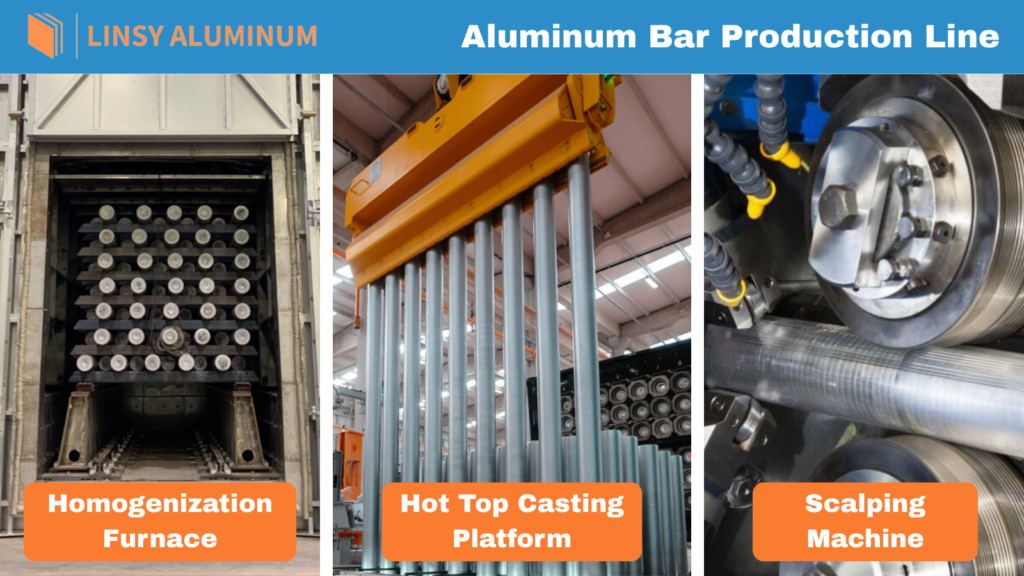
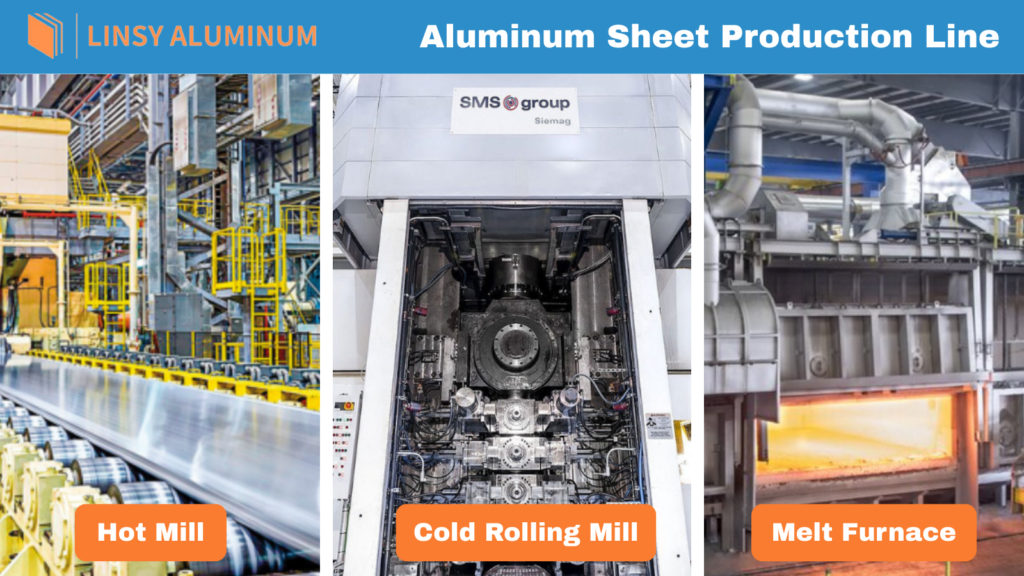
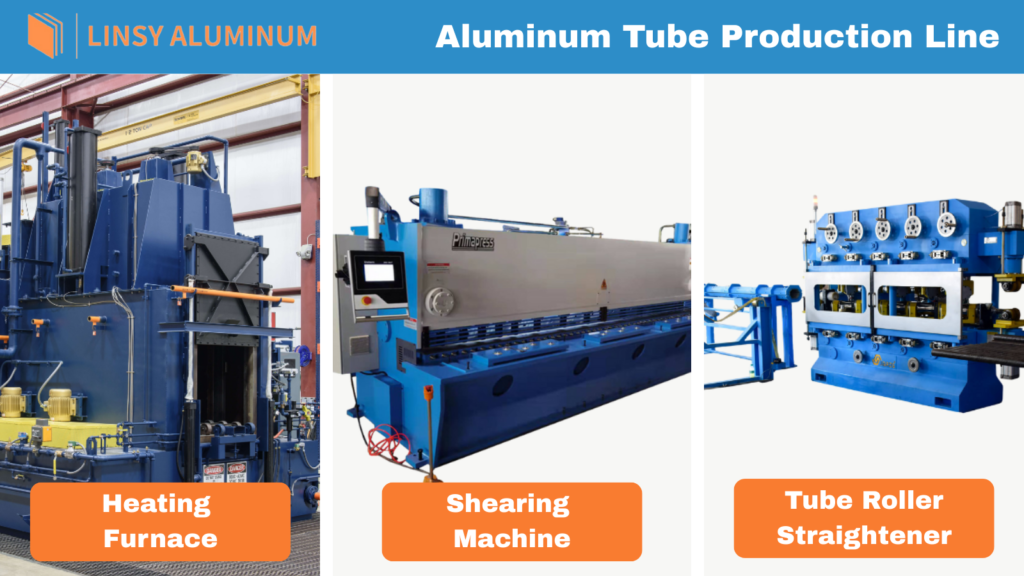
Linsy Advantages
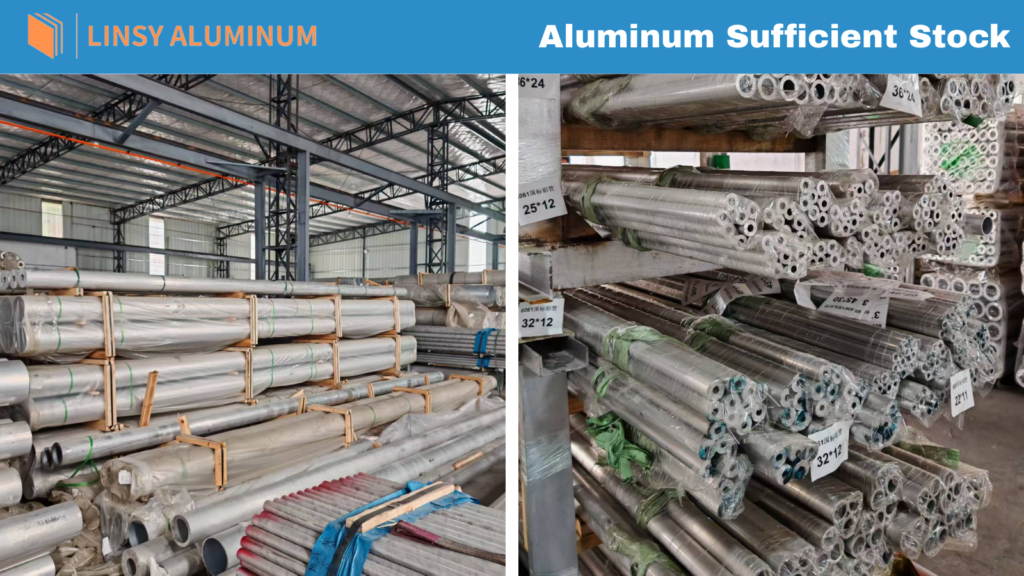
Linsy Aluminum is a leading supplier of aluminum processing products, serving diverse industries including aerospace, general engineering, automotive, marine, shipbuilding and other specialized industrial applications.
We are committed to maintaining the highest standards of quality and environmental responsibility, as demonstrated by our certifications: ISO 9001:2008, ISO 14001:2004 and SGS.