ไฮไลท์สำคัญ
If you want to learn about aluminum alloys, let’s focus on one special type – 1350 Aluminum. This blog post will help you understand its features and uses. We will talk about the physical and chemical properties of 1350 Aluminum. You will find out that it is mostly used in electrical conductors, cable wraps, heat exchangers, and radiator tubes. We will also cover the pros and cons of using 1350 Aluminum. Additionally, you will discover its common tempers. We will compare it to other popular alloys like 6061, 8000, and 1370 Aluminum. If you are interested in materials or work in this field, this blog is perfect for everything about 1350 Aluminum.
การแนะนำ
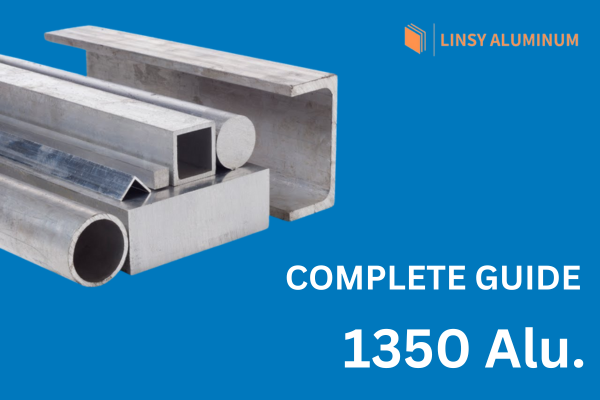
1350 aluminum alloy is a kind of pure aluminum alloy. It is famous for its excellent electrical conductivity. This aluminum alloy contains at least 99.5% aluminum, making it highly pure. Due to this purity, it has better electrical conductivity than other aluminum alloys. This makes 1350 aluminum alloy crucial for many electrical uses, especially where electrical conductivity and tensile strength matter.
What is 1350 Aluminum Alloy?
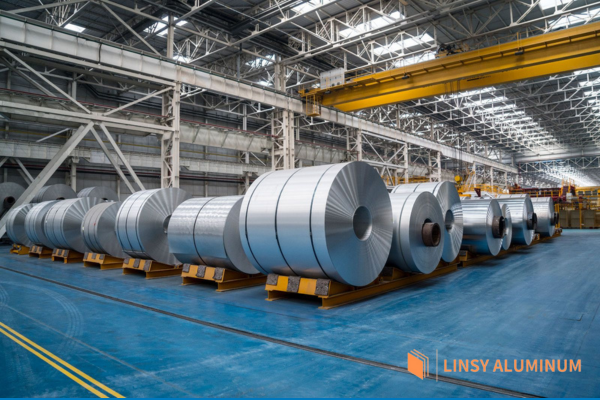
อลูมิเนียม 1350 is a pure aluminum alloy with excellent electrical conductivity. It is also soft and flexible, making it ideal for tasks where shaping matters. However, the specifications should not be used for design purposes. Since it has high thermal conductivity, 1350 Aluminum is commonly used in electrical conductors and cable wraps.
Physical Properties of 1350 Aluminum
1350 aluminum is excellent at conducting electricity. This quality makes it a great option for electrical applications. It is made up of 99.5% pure aluminum, which allows it to be widely used in the electrical industry. A key feature of 1350 aluminum is its slightly higher amount of silicon, which helps conduct electricity. When creating products, its great electrical properties are usually a main focus.
Chemical Composition of 1350 Aluminum
The chemical makeup of 1350 aluminum is key to knowing its qualities. This aluminum alloy is mainly pure aluminum, with at least 99.5% purity. Manganese is the main ingredient that helps improve its electrical conductivity. Also, 1350 aluminum has low silicon content, which makes it ideal for electrical uses. Because of this makeup, it is excellent for electrical conductors and for making transformers. It serves several critical applications in the electrical and switchgear markets.
|
องค์ประกอบ |
ช่วงเปอร์เซ็นต์ |
|
อะลูมิเนียม (Al) |
99.50% minimum |
|
ซิลิกอน (Si) |
0% ถึง 0.10% |
|
เหล็ก (Fe) |
0% to 0.40% |
|
ทองแดง (Cu) |
0% to 0.05% |
|
แมงกานีส (Mn) |
0% to 0.01% |
|
แมกนีเซียม (Mg) |
– |
|
โครเมียม (Cr) |
0% to 0.01% |
|
สังกะสี (Zn) |
0% to 0.05% |
|
Boron (B) |
0% to 0.050% |
|
Gallium (Ga) |
0% to 0.030% |
|
ไททาเนียม (Ti) |
0% to 0.020% |
|
Vanadium (V) |
0% to 0.020% |
|
คนอื่น |
Each 0% to 0.03%, total 0% to 0.10% |
Main Applications of 1350 Aluminum
The special qualities of 1350 aluminum make it popular in many industries. It has high electrical conductivity, which is perfect for electrical parts. It is also budget-friendly, making it a smart option. Plus, it resists corrosion, which helps it remain strong in tough conditions.
1350 aluminum is important in many fields. It is used in complex electrical systems and everyday gadgets. Its strength makes it great for tough conditions, making it perfect for items like heat exchangers and sensitive electronic components.
Electrical Conductors and Cable Wraps
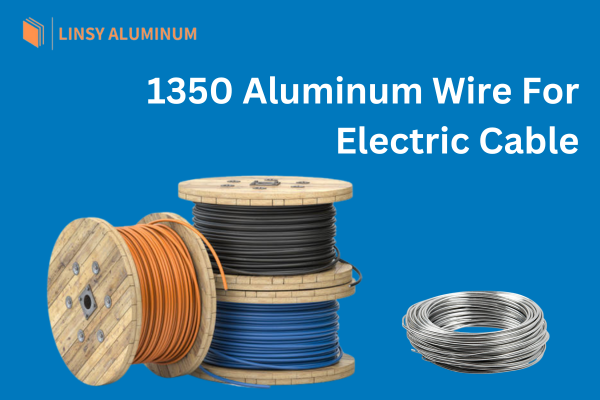
One common use of 1350 aluminum is for electrical conductors and cable wraps. Its high electrical conductivity makes it a great choice instead of copper, especially when weight matters.
You can often find 1350 aluminum conductors in:
-
Power cables
-
Busbars
-
Transformer windings
The light weight of 1350 aluminum makes electrical systems easier to handle. This means installation is simpler and transport costs are lower. Its corrosion resistance allows conductors to last longer, even under tough conditions.
Heat Exchangers and Radiator Tubes
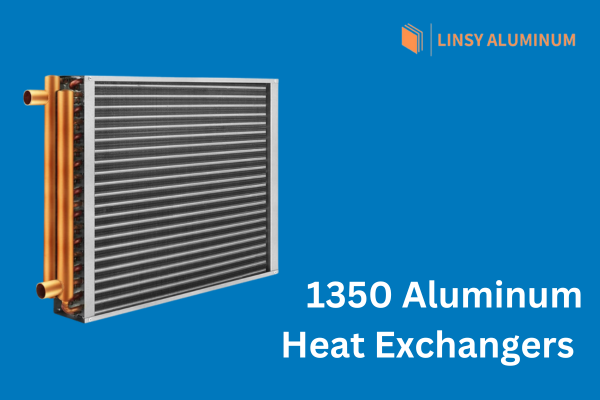
1350 aluminum is great for electrical uses and has good thermal conductivity. This makes it suitable for making heat exchangers and radiator tubes. Heat exchangers are important because they move heat between different fluids. Many people like using 1350 aluminum for this job because it works efficiently.
In car radiators, 1350 aluminum tubes help remove heat from the engine, keeping the engine at the right temperature. The same applies to air conditioning and refrigeration systems. In these systems, 1350 aluminum heat exchangers transfer heat effectively, improving their performance. Also, 1350 aluminum is lightweight, making it a good option for these uses.
Pros and Cons of 1350 Aluminum
1350 aluminum is well-known for being a great conductor of electricity and having high purity. This is why it is a good choice for electrical uses. It also resists corrosion and is very malleable, so it can handle different environments. However, it is not as strong as some other alloys. This lower tensile strength might limit its use in high-stress situations. Its specific difference from copper could influence some designs in switchgear markets, and its chemistry specification further highlights these characteristics. To sum it up, 1350 aluminum is great for its electrical conductivity and purity, but it has lower strength when compared to other alloys.
|
ข้อดี |
ข้อเสีย |
|
High Electrical Conductivity: Excellent for electrical applications, such as power transmission cables and bus bars. |
Low Mechanical Strength: Not suitable for high-load applications. |
|
ทนทานต่อการกัดกร่อนได้ดี: Maintains integrity in environments with moisture or corrosive elements. |
Limited Heat Resistance: Not ideal for high-temperature applications. Safety Data Sheet (SDS) documentation is recommended for handling materials. |
|
น้ำหนักเบา: Offers significant weight savings compared to other materials. |
Limited Wear Resistance: Softer and less durable than other alloys. |
|
ความสามารถในการขึ้นรูปที่ดี: Easy to shape and fabricate into various forms. |
Limited Hardness: Not suitable for applications requiring high hardness. |
Common Tempers of 1350 Aluminum
Common Tempers of 1350 Aluminum:
-
O Temper: Fully annealed, soft, and ductile, suitable for bending and forming applications.
-
H12 Temper: Strain hardened, partially annealed, with slightly increased strength.
-
H14 Temper: The strain hardened more than H12, yet it retains good formability.
-
H16 Temper: Further strain hardened to improve strength and stability. 5. H18 Temper: The highest strength temper for 1350 aluminum is used in applications requiring more strength.
Comparing 1350 Aluminum to Other Alloys
1350 aluminum is a popular choice due to its good electrical conductivity. However, it’s key to understand that other aluminum alloys have unique characteristics that can meet different needs. By exploring these alloys, we can discover their strengths and weaknesses. This information will help us make better choices when picking materials.
Let’s look at how 1350 aluminum is different from other common alloys. This will show the unique benefits of each one in different uses.
1350 Vs. 6061 Aluminum

1350 aluminum and อลูมิเนียม 6061 have very different properties. 1350 aluminum is a pure aluminum alloy known for its excellent electrical conductivity. In contrast, 6061 aluminum is strong, flexible, and has better corrosion resistance.
You often use 1350 aluminum for electrical conductors and cable wraps. On the other hand, 6061 aluminum is common for structural parts and machined items due to its high tensile strength and durability. The choice between these two alloys depends on your specific use.
Here is the physical properties comparison table:
|
คุณสมบัติ |
อลูมิเนียม 1350 |
อลูมิเนียม 6061-T6 |
|
ความหนาแน่น |
2.70 ก./ซม.³ |
2.70 ก./ซม.³ |
|
ความแข็งแรงแรงดึงสูงสุด |
68-190 MPa |
310 เมกะปาสคาล |
|
ความแข็งแรงในการยืดตัว |
25-170 MPa |
270 เมกะปาสคาล |
|
การยืดตัวที่จุดขาด |
1.4-30% |
10% |
|
ความแข็งแรงของความเหนื่อยล้า |
24-50 MPa |
96.5 เมกะปาสคาล |
|
ความแข็งแรงในการเฉือน |
44-110 MPa |
207 เมกะปาสคาล |
|
การนำไฟฟ้า |
61% IACS |
40% IACS |
|
ความสามารถในการเชื่อม |
Excellent, easy to weld |
Good, but requires precise techniques |
|
ความสามารถในการแปรรูป |
Fair, requires sharp tools |
Excellent, suitable for precision machining |
|
ความต้านทานการกัดกร่อน |
High, due to purity |
High, but less than 1350 due to alloying elements |
|
แอปพลิเคชัน |
Electrical conductors, high-purity applications |
อวกาศ ยานยนต์ ก่อสร้าง เครื่องจักร |
1350 Vs. 8000 Aluminum
1350 aluminum is very pure and great at conducting electricity. In contrast, 8000 aluminum has more silicon. Both kinds of aluminum are used in important electrical designs. However, 8000 aluminum has better corrosion resistance compared to 1350. When picking the right alloy for the transformer and switchgear markets, it’s key to know how their chemical compositions differ. Companies need to consider the purity and silicon content levels in these aluminum alloys based on their needs.
Here is the physical properties comparison table:
|
คุณสมบัติ |
อลูมิเนียม 1350 |
อะลูมิเนียมซีรีส์ 8000 |
|
ความหนาแน่น |
2.70 ก./ซม.³ |
2.63-2.80 g/cm³ |
|
ความแข็ง (บริเนลล์) |
Approximately 23 HB |
Not specified, but generally harder due to alloying elements |
|
ความแข็งแรงแรงดึงสูงสุด |
95-115 MPa |
99-104 MPa (depending on specific alloy) |
|
การนำไฟฟ้า |
Approximately 61% IACS |
Approximately 60.5% IACS or higher |
|
ความต้านทานการกัดกร่อน |
High, due to purity |
Higher due to additional alloying elements |
|
แอปพลิเคชัน |
Electrical conductors, high-purity applications |
Wires for secondary distribution circuits, terminations |
บทสรุป
In conclusion, knowing what 1350 aluminum can do is useful for many industries. Its great electrical conductivity and heat management make it a perfect choice for electrical conductors, heat exchangers, and more. The way it is made has also improved its quality over time. Its special benefits become clear when you look at 1350 aluminum next to other alloys. Whether you need it for electrical work or aerospace, 1350 aluminum is reliable. By looking at its uses and features, you can make good choices when picking the right material for your needs.
If you want to learn how 1350 aluminum can improve your projects, schedule a meeting with our experts today.
เหตุใดจึงควรเลือก Linsy Aluminum
ในฐานะหนึ่งในแบรนด์อลูมิเนียมชั้นนำและซัพพลายเออร์ชั้นนำในประเทศจีน ลินซี่ อะลูมิเนียม เน้นย้ำคุณภาพและความน่าเชื่อถือในผลิตภัณฑ์ทั้งหมดของเรา ผลิตภัณฑ์ของเรา โรงงานอลูมิเนียมในประเทศจีน ผลิตโลหะผสมอลูมิเนียมประสิทธิภาพสูงที่ตอบสนองความต้องการที่เข้มงวดที่สุดของอุตสาหกรรม เรามุ่งมั่นสู่ความเป็นเลิศ มอบความแม่นยำ ความทนทาน และตัวเลือกเฉพาะที่ตอบโจทย์ความต้องการเฉพาะของโครงการของคุณ ทำให้เราเป็นพันธมิตรที่เชื่อถือได้สำหรับธุรกิจทั่วโลกที่กำลังมองหาโซลูชันอลูมิเนียมที่เหนือระดับ รับใบเสนอราคา
คำถามที่พบบ่อย
What is the difference between aluminum 1050 and 1350?
Aluminum 1050 contains at least 99.5% aluminum. Aluminum 1350 also has a high aluminum content but includes other elements like iron and silicon. People commonly use 1050 for various everyday purposes. In contrast, 1350 is better for electrical applications because it conducts electricity well. The aluminum alloys 1050 and 1350 do have one specific difference, and it is a very small difference that could affect critical applications.
What is the difference between 1350 and 8000 aluminum?
1350 aluminum is mostly used for electrical jobs because it is great with electricity. However, it is not as strong as 8000 aluminum. The 8000 aluminum is stronger, making it ideal for building tougher parts. Their main difference is their purpose: one is for good conductivity, while the other is for strong structures.
What is the difference between aluminum 1350 O and 1350 H19?
Aluminum 1350 O is soft, making it easy to bend and suitable for tasks that require a lot of stretching. In contrast, aluminum 1350 H19 is strengthened by a method called strain hardening. This process increases its strength and hardness. Therefore, it is ideal for situations where durability is important.