Najważniejsze informacje
- Stop aluminium 2014 to materiał o wysokiej wytrzymałości z serii 2xxx, zawierający miedź, charakteryzujący się wysokim stosunkiem wytrzymałości do masy.
- Obróbka skrawaniem tego stopu przebiega czysto, co czyni go odpowiednim do precyzyjnych, szczegółowych elementów.
- Jest szeroko stosowany w wymagających zastosowaniach konstrukcyjnych, takich jak elementy statków powietrznych i pojazdy ciężkie.
- Jego głównym ograniczeniem jest umiarkowana odporność na korozję, zwykle zarządzana poprzez platerowanie (Alclad) lub anodowanie.
- Po obróbce cieplnej osiąga wysoką wytrzymałość, co czyni go podstawowym materiałem w inżynierii wydajnościowej.
Wprowadzenie
Stop aluminium 2014 Jest to materiał o wysokiej wytrzymałości, poddawany obróbce cieplnej, stosowany w przemyśle lotniczym, motoryzacyjnym i inżynierii konstrukcyjnej. Połączenie wytrzymałości i sztywności pomaga inżynierom zmniejszyć masę bez utraty integralności strukturalnej. Niniejszy przewodnik obejmuje jego skład, właściwości, zastosowania oraz porównanie ze stopami 2024, 6061 i 7075, aby pomóc w wyborze odpowiedniego stopu do danego zadania.
Czym jest stop aluminium 2014?
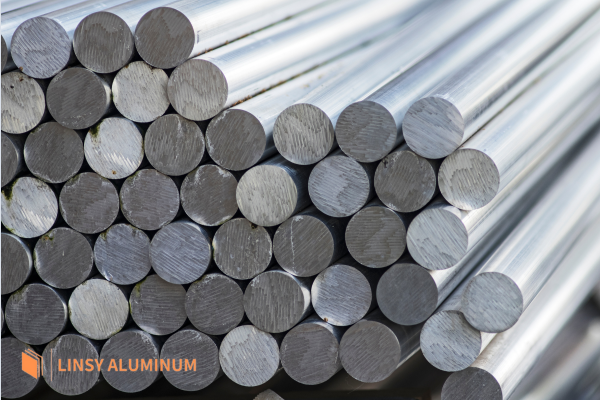
Stop 2014 to stop aluminium z dominującą zawartością miedzi, należący do serii 2xxx. Charakteryzuje się doskonałą obrabialnością skrawaniem, ale jedynie umiarkowaną spawalnością, ponieważ zawartość miedzi czyni go podatnym na pękanie pod wpływem ciepła. Po obróbce cieplnej osiąga wysoką wytrzymałość, dlatego jest stosowany w konstrukcjach lotniczych i transportowych.
Przegląd jego składu chemicznego
Miedź jest głównym pierwiastkiem wzmacniającym, w ilości 3,9%–5%, i odpowiada za większość wytrzymałości stopu. Magnez, krzem i mangan precyzyjnie regulują właściwości związane z obróbką cieplną, strukturę ziarna oraz równowagę odporności korozyjnej.
| Element | Zakres zawartości | Rola |
|---|---|---|
| Miedź | 3,9% – 5% | Główny pierwiastek stopowy zapewniający wysoką wytrzymałość |
| Magnez | 0,2% – 0,8% | Wspiera właściwości związane z obróbką cieplną |
| Krzem | 0,5% – 1,2% | Poprawia właściwości odlewnicze i kontrolę ziarna |
| Mangan | 0,2% – 1,2% | Dodaje wytrzymałości i pewną odporność na korozję |
Kluczowe cechy: wysoka wytrzymałość, dobra obrabialność skrawaniem i umiarkowana odporność na korozję. Stop jest poddawany obróbce cieplnej i nadaje się do ciężkich elementów konstrukcyjnych.
Zrozumienie jego kluczowych właściwości fizycznych i mechanicznych
W stanie T6 stop 2014 osiąga wytrzymałość na rozciąganie do około 427 MPa, co plasuje go wśród mocniejszych stopów aluminium. Jego granica plastyczności wynosi około 290 MPa, a przewodność cieplna około 192 W/mK, co pomaga w odprowadzaniu ciepła w elementach inżynierskich.
| Nieruchomość | Wartość |
|---|---|
| Wytrzymałość na rozciąganie | 427 MPa |
| Wytrzymałość na rozciąganie | 290 MPa |
| Przewodność cieplna | 192 W/mK |
Jego granica plastyczności pokazuje, że może przenosić znaczne obciążenia przed trwałym odkształceniem. W połączeniu z wysoką wytrzymałością na rozciąganie, stop 2014 jest niezawodnym wyborem do elementów pracujących w ciężkich warunkach.
Zalety i ograniczenia stopu aluminium 2014
Zalety:
- Wysoki stosunek wytrzymałości do wagi
- Doskonała skrawalność części precyzyjnych
Wady:
- Umiarkowana odporność na korozję; wymaga platerowania lub powłok ochronnych
- Słaba spawalność; podatność na pękanie
Stop 2014 zapewnia wysoką wytrzymałość i czystą obrabialność skrawaniem, ale jego odporność na korozję jest umiarkowana, a nie doskonała, dlatego należy zaplanować zabezpieczenie ochronne. Jego odporność na pękanie jest nieco niższa niż w przypadku stopu 2024, a przewodność elektryczna i cieplna są użyteczne, ale nie jest to aluminium o najwyższej wytrzymałości. Te kompromisy można zarządzać poprzez odpowiedni stan i wykończenie.
Kluczowe aplikacje i zastosowania stopów aluminium w 2014 r.
Stop 2014 nadaje się do zastosowań o wysokich naprężeniach, gdzie masa ma znaczenie. Jego stosunek wytrzymałości do masy czyni go idealnym do części, które muszą pozostać lekkie, a jednocześnie przenosić obciążenia.
Typowe zastosowania obejmują konstrukcje lotnicze, pojazdy wojskowe i ciężkie maszyny. W przemyśle lotniczym występuje w dźwigarach skrzydeł, elementach kadłuba i podwoziu, gdzie niezawodne działanie pod obciążeniem jest kluczowe.
Komponenty lotnicze wykorzystujące stop 2014

W przemyśle lotniczym odkuwki ze stopu 2014 przenoszą ekstremalne naprężenia lotu, pozostając lekkimi, dlatego są stosowane do dźwigarów skrzydeł, żeber i ram kadłuba. Jego odporność na zmęczenie wspiera długą żywotność, a obrabialność skrawaniem umożliwia wykonywanie złożonych kształtów wymaganych w projektach lotniczych.
Inne zastosowania przemysłowe
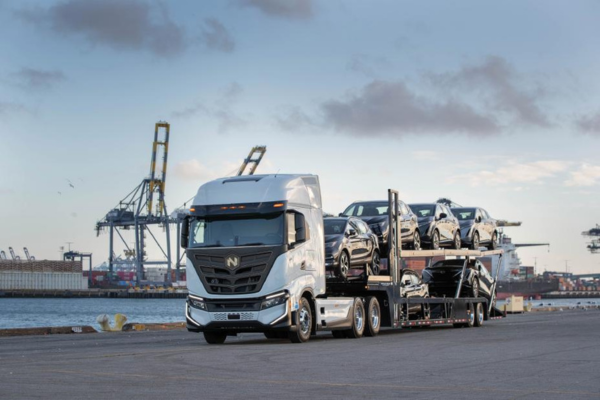
Poza przemysłem lotniczym stop 2014 jest stosowany w przemyśle motoryzacyjnym, wojskowym i maszynowym, gdzie stosunek wytrzymałości do masy przynosi korzyści. Pojazdy wojskowe wykorzystują go do elementów konstrukcyjnych i płyt pancernych, a producenci maszyn cenią jego wytrzymałość i umiarkowaną przewodność elektryczną do złączy i komponentów.
Porównanie: stop aluminium 2014 vs inne stopy
Stop 2014 oferuje doskonałą obrabialność skrawaniem, ale niższą odporność na korozję niż stopy 6061 lub 7075, dlatego zwykle wymaga platerowania lub powłok ochronnych. Jego wytrzymałość jest niższa niż stopu 7075 i nieco niższa niż stopu 2024, ale pozostaje mocnym wyborem konstrukcyjnym. Stop 6061 jest słabszy, ale znacznie bardziej odporny na korozję i łatwiejszy do spawania, podczas gdy stop 7075 jest najwytrzymalszy z tej grupy.
Porównanie aluminium 2014 vs 2024 vs 6061 vs 7075
| Cecha | 2014 Aluminium | Aluminium 2024 | Aluminium 6061 | Aluminium 7075 |
|---|---|---|---|---|
| Makijaż główny | Al + 4,4% Cu + Si | Al + 4,4% Cu + 1,5% Mg | Al + 1% Mg + 0,6% Si | Al + 5,6% Zn + 2,5% Mg |
| Siła | Wysoka (~420–480 MPa, T6) | Bardzo wysoka (~470 MPa, T3) | Umiarkowany (~310 MPa, T6) | Bardzo wysoka (~570 MPa, T6) |
| Odporność na korozję | Słaby (wymaga powłoki) | Słaby (wymaga okładziny) | Bardzo dobry | Umiarkowany (lepszy niż seria 2000) |
| Spawalność | Słaba (podatna na pękanie) | Słaba (podatna na pękanie) | Doskonały | Słaby (niezalecany) |
| Obrabialność | Doskonały | Dobry | Dobry | Dobry |
| Typowe zastosowanie | Części samolotów, koła | Poszycia samolotów, struktury | Ramy rowerowe, łodzie | Wojsko, ramy samolotów |
Krótko mówiąc, stop 2014 zapewnia doskonałą obrabialność skrawaniem i umiarkowaną odporność na korozję wymagającą powłok ochronnych, podczas gdy stop 2024 dodaje nieco więcej wytrzymałości dla poszycia lotniczego. Stop 6061 wymienia wytrzymałość na spawalność i odporność na korozję, a stop 7075 prowadzi pod względem surowej wytrzymałości. Dopasuj stop do obciążenia, środowiska i metody łączenia wymaganych w projekcie.
Wskazówki dotyczące wyboru odpowiedniego stopu
Wybór między stopami 2014, 2024, 6061 i 7075 sprowadza się do priorytetów projektu:
- Potrzebujesz maksymalnej wytrzymałości? Wybierz stop 7075 — około 570 MPa, przeznaczony do ram wojskowych i lotniczych, choć trudny do spawania i wymagający ochrony antykorozyjnej.
- Budujesz elementy lotnicze? Użyj stopu 2014 lub 2024. Oba są wytrzymałe (420–480 MPa dla 2014, 470 MPa dla 2024) i dobrze obrabialne; stop 2014 nadaje się do kół i okuć, stop 2024 do poszycia i konstrukcji. Oba łatwo korodują, więc dodaj powłokę ochronną.
- Potrzebujesz dużo spawać? Wybierz stop 6061 — najlepiej się spawa i jest odporny na korozję, kosztem niższej wytrzymałości (310 MPa). Idealny do ram rowerowych, łodzi i rurociągów.
- Stoisz w obliczu trudnych warunków atmosferycznych? Zostań przy stopie 6061 ze względu na jego odporność na korozję; stop 7075 jest akceptowalny, ale stopy 2014 i 2024 będą wymagać powłok ochronnych.
- Obróbka skrawaniem małych, szczegółowych części? Wybierz stop 2014 — tnie się najczyściej, co czyni go idealnym do śrub, okuć i precyzyjnych komponentów.
W przypadku kształtowników magazynowych lub niestandardowych form stopu 2014, zobacz naszą stronę produktową stopu aluminium 2014. Dopasuj wytrzymałość, środowisko i obrabialność, aby wybrać odpowiedni stop.
Wnioski
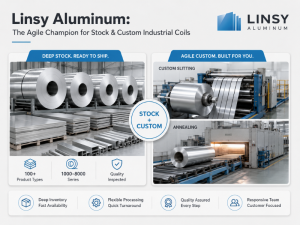
Stop aluminium 2014 zapewnia wysoką wytrzymałość i doskonałą obrabialność skrawaniem, ale jego głównym kompromisem jest umiarkowana odporność na korozję i słaba spawalność, dlatego części zwykle wymagają platerowania, takiego jak Alclad, lub anodowania, a także starannej kontroli procesu. Linsy Aluminium, fabryka z siedzibą w Shenzhen, z ponad 20-letnim doświadczeniem, dostarcza stop 2014 w ramach pełnej gamy serii 1000–8000 i wspiera go własną obróbką CNC, cięciem laserowym oraz wykończeniem powierzchni, takim jak anodowanie i malowanie proszkowe. Każde zamówienie jest wysyłane z MTC, raporty z badań SGS są dostępne na życzenie, a niestandardowa produkcja o niskim MOQ realizowana jest w terminie 10–60 dni w ramach systemów zarządzania ISO 9001, ISO 14001 i ISO 45001. Skontaktuj się z Linsy Aluminum już dziś, aby omówić wymagania dotyczące stopu aluminium 2014 i poprosić o wycenę.
Często zadawane pytania
Jaka jest różnica między aluminium z 2014 i 2024 roku?
Oba stopy spawają się słabo, ponieważ są podatne na pękanie pod wpływem ciepła. Stop 2024 ma nieco lepszą formowalność, podczas gdy stop 2014 obrabia się czyściej. Ich wytrzymałość jest zbliżona — około 420–480 MPa dla 2014 w porównaniu z 470 MPa dla 2024 — więc wybór często sprowadza się do formowalności versus obrabialności skrawaniem.
Jak stop 2014 wypada w porównaniu z innymi stopami aluminium pod względem wytrzymałości?
Stop 2014 należy do wysokowytrzymałych stopów aluminium. Nie jest tak wytrzymały jak stop 7075, ale jego wytrzymałość na rozciąganie przewyższa stop 6061 i dorównuje stopowi 2024, co czyni go niezawodnym wyborem do wymagających prac konstrukcyjnych.
Co sprawia, że stop aluminium 2014 nadaje się do zastosowań lotniczych?
Jego wysoki stosunek wytrzymałości do masy, dobra odporność na zmęczenie i użyteczna przewodność cieplna czynią go idealnym do lekkich, ale wytrzymałych części, które muszą przetrwać naprężenia lotu, takich jak dźwigary i okucia.
Czy stop aluminium 2014 można łatwo spawać?
Stop 2014 można spawać tylko przy starannej kontroli. Zawartość miedzi czyni go podatnym na pękanie, dlatego wymagane są specjalistyczne techniki i obróbka cieplna po spawaniu, a wiele projektów unika spawania na rzecz obróbki skrawaniem lub łączenia mechanicznego.
Jakie są główne wyzwania podczas pracy ze stopem 2014?
Głównym wyzwaniem jest jego umiarkowana odporność na korozję, która wymaga powłok ochronnych lub platerowania. Wymaga również kontrolowanej obróbki cieplnej, aby osiągnąć pożądaną wytrzymałość bez uszkodzenia materiału.
Czy istnieją zalecane obróbki cieplne dla stopu 2014?
Roztworzenie i sztuczne starzenie — stan T6 — jest powszechnie stosowane w celu osiągnięcia wysokiej wytrzymałości i stabilnych właściwości mechanicznych, dla których wybierany jest stop 2014.