Klíčové informace
- Slitina hliníku 2014 je vysoce pevný materiál řady 2xxx s obsahem mědi, který se vyznačuje vynikajícím poměrem pevnosti k hmotnosti.
- Výborně se obrábí, díky čemuž je vhodná pro detailní a přesné součásti.
- Je široce používána v náročných konstrukčních aplikacích, jako jsou součásti letadel a těžká užitková vozidla.
- Jejím hlavním omezením je střední odolnost proti korozi, která se obvykle řeší plátováním (Alclad) nebo eloxováním.
- Tepelným zpracováním dosahuje vysoké pevnosti, což z ní činí základní materiál ve výkonnostním strojírenství.
Úvod
Slitina hliníku 2014 Je to vysoce pevný, tepelně zpracovatelný materiál používaný v leteckém, automobilovém a konstrukčním inženýrství. Kombinace pevnosti a tuhosti pomáhá konstruktérům snižovat hmotnost bez ztráty konstrukční integrity. Tato příručka se zabývá jejím složením, vlastnostmi, aplikacemi a srovnáním s materiály 2024, 6061 a 7075, abyste si mohli vybrat správnou slitinu pro danou práci.
Co je slitina hliníku 2014?
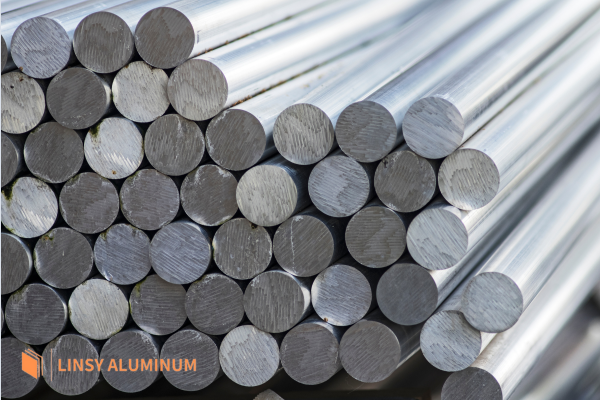
Slitina 2014 je hliníková slitina řady 2xxx s dominantním obsahem mědi. Vyznačuje se vynikající obrobitelností, ale pouze střední svařitelností, protože obsah mědi způsobuje náchylnost k praskání za tepla. Tepelným zpracováním dosahuje vysoké pevnosti, a proto se používá v leteckých a dopravních konstrukcích.
Přehled jeho chemického složení
Měď je primárním zpevňujícím prvkem, s obsahem 3,9 %–5 %, a je hlavním zdrojem pevnosti slitiny. Hořčík, křemík a mangan jemně ladí chování při tepelném zpracování, strukturu zrn a korozní rovnováhu.
| Prvek | Rozsah obsahu | Role |
|---|---|---|
| Měď | 3,9 % – 5 % | Primární legující prvek pro vysokou pevnost |
| Hořčík | 0,2 % – 0,8 % | Podporuje schopnost tepelného zpracování |
| Křemík | 0,5 % – 1,2 % | Zlepšuje licí chování a kontrolu zrna |
| Mangan | 0,2 % – 1,2 % | Přidává pevnost a částečnou odolnost proti korozi |
Klíčové vlastnosti: vysoká pevnost, dobrá obrobitelnost a střední odolnost proti korozi. Je tepelně zpracovatelná a vhodná pro těžké konstrukční součásti.
Pochopení jeho klíčových fyzikálních a mechanických vlastností
Ve stavu T6 dosahuje slitina 2014 pevnosti v tahu až přibližně 427 MPa, což ji řadí mezi pevnější hliníkové slitiny. Její mez kluzu je přibližně 290 MPa a tepelná vodivost asi 192 W/mK, což napomáhá odvodu tepla u strojních součástí.
| Majetek | Hodnota |
|---|---|
| Pevnost v tahu | 427 MPa |
| Pevnost v tahu | 290 MPa |
| Tepelná vodivost | 192 W/mK |
Její mez kluzu ukazuje, že unese značné zatížení před trvalou deformací. V kombinaci s vysokou pevností v tahu je slitina 2014 spolehlivou volbou pro těžké součásti.
Výhody a omezení hliníkové slitiny 2014
Výhody:
- Vysoký poměr pevnosti a hmotnosti
- Vynikající obrobitelnost pro přesné díly
Nevýhody:
- Střední odolnost proti korozi; vyžaduje plátování nebo povrchovou úpravu
- Špatná svařitelnost; náchylnost k praskání
Slitina 2014 nabízí vysokou pevnost a čistou obrobitelnost, ale její odolnost proti korozi je střední, nikoli vynikající, proto je třeba počítat s ochrannou úpravou. Její houževnatost je o něco nižší než u slitiny 2024, a ačkoli jsou její elektrická a tepelná vodivost užitečné, nejedná se o nejpevnější dostupný hliník. Tyto kompromisy jsou zvládnutelné při správném temperování a povrchové úpravě.
Klíčové aplikace a použití hliníkové slitiny 2014
Slitina 2014 se hodí pro vysoce namáhané aplikace, kde záleží na hmotnosti. Její poměr pevnosti k hmotnosti ji činí ideální pro součásti, které musí zůstat lehké a zároveň nést zatížení.
Typické použití zahrnuje letecké konstrukce, vojenská vozidla a těžké stroje. V letectví se používá u nosníků křídel, částí trupu a podvozku, kde je rozhodující spolehlivý výkon pod zatížením.
Letecké komponenty využívající slitinu 2014
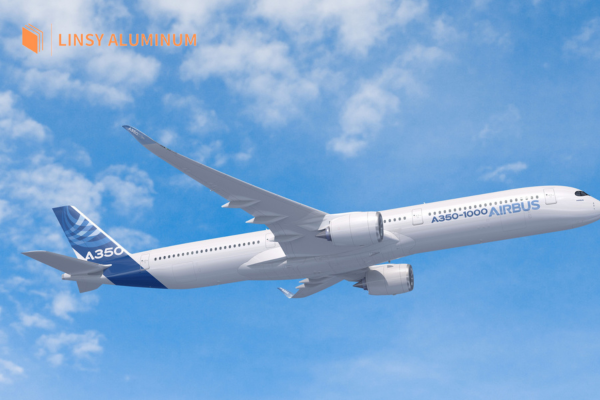
V letectví nesou výkovky ze slitiny 2014 extrémní namáhání za letu a přitom zůstávají lehké, proto se používají pro nosníky křídel, žebra a rámy trupu. Její odolnost proti únavě podporuje dlouhou životnost a obrobitelnost umožňuje výrobu složitých tvarů, které letecké konstrukce vyžadují.
Další průmyslové aplikace
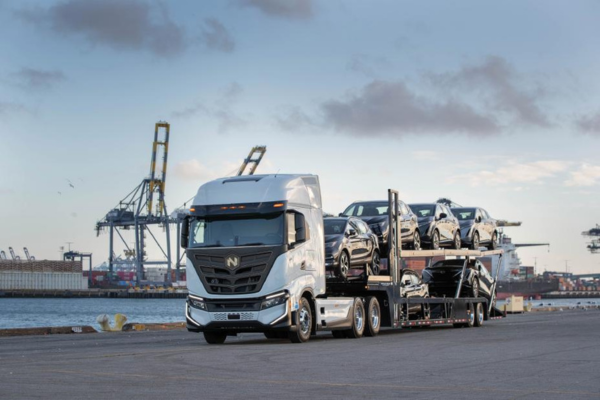
Mimo letectví se slitina 2014 používá v automobilovém, vojenském a strojírenském průmyslu, kde se vyplácí poměr pevnosti k hmotnosti. Vojenská vozidla ji používají pro konstrukční díly a pancéřové pláty a výrobci strojů oceňují její pevnost a střední elektrickou vodivost pro konektory a součásti.
Srovnání: Hliníková slitina 2014 vs. ostatní slitiny
Slitina 2014 nabízí vynikající obrobitelnost, ale nižší odolnost proti korozi než slitiny 6061 nebo 7075, proto obvykle vyžaduje plátování nebo povrchovou úpravu. Její pevnost je nižší než u slitiny 7075 a mírně nižší než u slitiny 2024, přesto zůstává silnou konstrukční volbou. Slitina 6061 je slabší, ale výrazně odolnější proti korozi a snadněji svařitelná, zatímco slitina 7075 je z této skupiny nejpevnější.
Hliník 2014 vs. 2024 vs. 6061 vs. 7075
| Funkce | 2014 Hliník | 2024 Hliník | Hliník 6061 | Hliník 7075 |
|---|---|---|---|---|
| Hlavní líčení | Al + 4.4% Cu + Si | Al + 4,4% Cu + 1,5% Mg | Al + 1% Mg + 0,6% Si | Al + 5,6% Zn + 2,5% Mg |
| Síla | Vysoká (~420–480 MPa, T6) | Velmi vysoká (~470 MPa, T3) | Mírná (~310 MPa, T6) | Extrémně vysoká (~570 MPa, T6) |
| Odolnost proti korozi | Špatný (potřebuje nátěr) | Špatný (potřebuje opláštění) | Velmi dobré | Mírná (lepší než řada 2000) |
| Svařitelnost | Špatný (náchylný k praskání) | Špatný (náchylný k praskání) | Vynikající | Špatný (nedoporučuje se) |
| Obrobitelnost | Vynikající | Dobrý | Dobrý | Dobrý |
| Typické použití | Letecké díly, kola | Pláště letadel, konstrukce | Rámy kol, lodě | Vojenské, rámy letadel |
Stručně řečeno, slitina 2014 přináší vynikající obrobitelnost a střední odolnost proti korozi, která vyžaduje povrchovou úpravu, zatímco slitina 2024 přidává o něco více pevnosti pro letecké pláště. Slitina 6061 obětuje pevnost ve prospěch svařitelnosti a odolnosti proti korozi a slitina 7075 vede v surové pevnosti. Přizpůsobte slitinu zatížení, prostředí a způsobu spojování, které váš projekt vyžaduje.
Tipy pro výběr správné slitiny
Volba mezi slitinami 2014, 2024, 6061 a 7075 závisí na prioritách vašeho projektu:
- Potřebujete maximální pevnost? Zvolte 7075 – přibližně 570 MPa, určená pro vojenské a letecké rámy, i když je obtížně svařitelná a vyžaduje ochranu proti korozi.
- Stavíte součásti letadel? Použijte 2014 nebo 2024. Obě jsou pevné (420–480 MPa pro 2014, 470 MPa pro 2024) a dobře se obrábějí; 2014 se hodí pro kola a fitinky, 2024 pro pláště a konstrukce. Obě snadno korodují, proto přidejte povrchovou úpravu.
- Potřebujete hodně svařovat? Zvolte 6061 – svařuje se nejlépe a odolává korozi, za cenu nižší pevnosti (310 MPa). Ideální pro rámy kol, lodě a potrubí.
- Čelíte nepříznivému počasí? Zůstaňte u slitiny 6061 kvůli její odolnosti proti korozi; 7075 je přijatelná, ale 2014 a 2024 budou vyžadovat povrchové úpravy.
- Obrábíte malé, detailní součásti? Zvolte 2014 – řeže se nejčistěji, což ji činí ideální pro šrouby, fitinky a přesné součásti.
Pro standardní tvary nebo zakázkové formy slitiny 2014 navštivte naši stránku produktu slitiny hliníku 2014. Přizpůsobte pevnost, prostředí a zpracovatelnost pro výběr správné slitiny.
Závěr
Slitina hliníku 2014 poskytuje vysokou pevnost a vynikající obrobitelnost, ale jejím hlavním kompromisem je střední odolnost proti korozi a špatná svařitelnost, proto součásti obvykle vyžadují plátování, jako je Alclad, nebo eloxování, plus pečlivou kontrolu procesu. Hliník Linsy, továrna se sídlem v Shenzhenu s více než 20 lety zkušeností, dodává slitinu 2014 jako součást své kompletní řady sérií 1000–8000 a podporuje ji vlastním CNC obráběním, laserovým řezáním a povrchovými úpravami, jako je eloxování a práškové lakování. Každá objednávka je dodávána s MTC, protokoly SGS jsou k dispozici na vyžádání a zakázková výroba s nízkým minimálním množstvím probíhá v dodací lhůtě 10–60 dní v rámci systémů řízení ISO 9001, ISO 14001 a ISO 45001. Kontaktujte společnost Linsy Aluminum ještě dnes a prodiskutujte své požadavky na hliník 2014 a vyžádejte si cenovou nabídku.
Často kladené otázky
Jaký je rozdíl mezi hliníkem z roku 2014 a 2024?
Obě se svařují špatně, protože jsou náchylné k praskání za tepla. Slitina 2024 má mírně lepší tvařitelnost, zatímco slitina 2014 se obrábí čistěji. Jejich pevnost je podobná – přibližně 420–480 MPa pro 2014 versus 470 MPa pro 2024 – takže volba často závisí na tvařitelnosti versus obrobitelnosti.
Jak si stojí slitina 2014 ve srovnání s jinými hliníkovými slitinami z hlediska pevnosti?
Slitina 2014 patří mezi vysoce pevné hliníkové slitiny. Není tak pevná jako 7075, ale její pevnost v tahu převyšuje slitinu 6061 a srovnává se se slitinou 2024, což z ní činí spolehlivou volbu pro náročné konstrukční práce.
Co činí slitinu hliníku 2014 vhodnou pro letecké aplikace?
Její vysoký poměr pevnosti k hmotnosti, dobré únavové chování a užitečná tepelná vodivost ji činí ideální pro lehké, ale pevné součásti, které musí odolávat namáhání za letu, jako jsou nosníky a fitinky.
Lze slitinu hliníku 2014 snadno svařovat?
Slitinu 2014 lze svařovat pouze s pečlivou kontrolou. Obsah mědi ji činí náchylnou k praskání, proto jsou zapotřebí specializované techniky a následné tepelné zpracování po svařování, a mnoho konstrukcí se svařování vyhýbá ve prospěch obrábění nebo spojování spojovacími prvky.
Jaké jsou hlavní výzvy při práci se slitinou 2014?
Hlavní výzvou je její střední odolnost proti korozi, která vyžaduje ochranné povlaky nebo plátování. Vyžaduje také řízené tepelné zpracování, aby bylo dosaženo požadované pevnosti bez poškození materiálu.
Existují specifická tepelná zpracování doporučená pro slitinu 2014?
Rozpouštěcí žíhání následované umělým stárnutím – temper T6 – se běžně používá k dosažení vysoké pevnosti a stabilních mechanických vlastností, pro které je slitina 2014 volena.