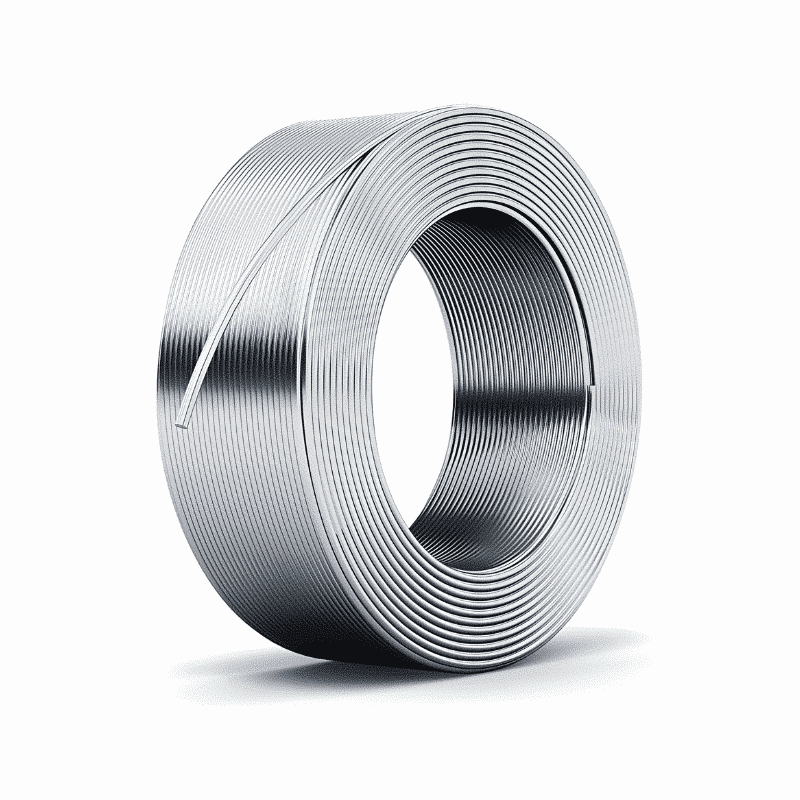
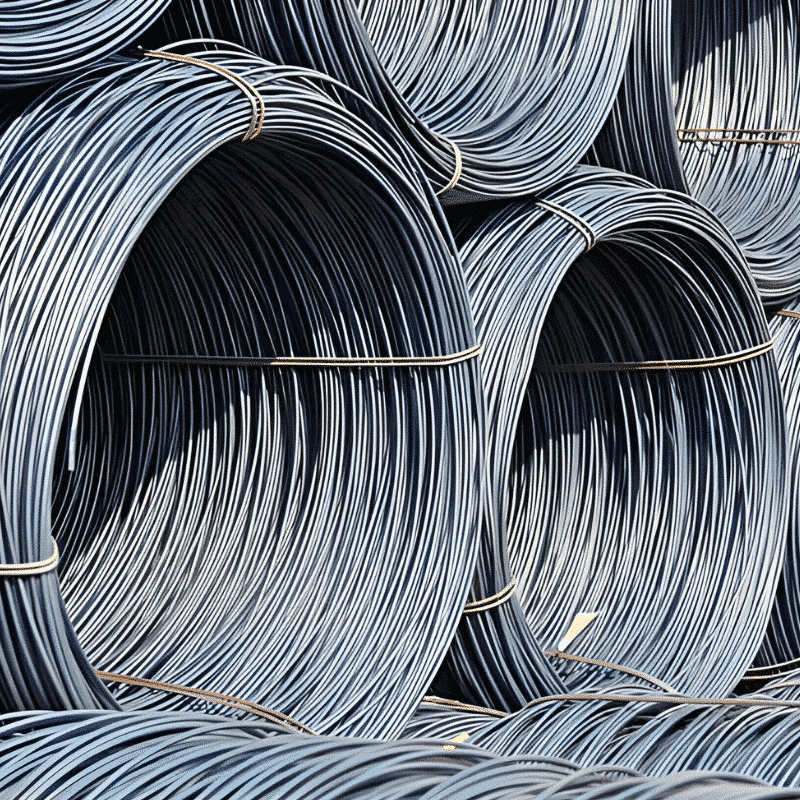


6061 aluminum wire is the industrial general-purpose wire: heat-treatable Al-Mg-Si, mostly T6, used for cold-headed structural parts, fastener blanks, machining stock and special welding rings. Moderate strength, good corrosion resistance, available everywhere.
Diameter: 0.8–12 mm, ±0.05 mm
Tempers: O / T4 / T6
Coil: 10–500 kg
Standards: ASTM B211
Quality documents: MTC with every order
6061 aluminum wire is the industrial general-purpose wire: heat-treatable Al-Mg-Si, supplied mostly in T6, used for cold-headed structural parts, fastener blanks, machining stock and special welding rings. It is the mainstream choice in its family — moderate strength, heat-treatable, good corrosion resistance, and available everywhere. Where 2024 and 2024-class wires serve aerospace, 6061 serves the general engineering shop. Alloy data: 6061 aluminum alloy.
| Item | Range |
|---|---|
| Diameter | 0.8 – 12 mm |
| Tolerance | ±0.05 mm standard, tighter quoted on request |
| Coil weight | 10 – 500 kg, custom |
| Tempers | O / T4 / T6 |
| Standards | ASTM B211 (bar, rod and wire) |
State the tolerance with the diameter: on a cold-header the wire diameter sets the blank volume, and a drift in diameter becomes a drift in finished length rather than a visible defect.
| Temper | Tensile (MPa) | Yield (MPa) | Elongation | Typical use |
|---|---|---|---|---|
| O | ≤ 150 | 83 – 110 | 10 – 18% | Severe forming and heading before ageing |
| T4 | 180 – 210 | ≥ 110 | 10 – 16% | Heading where the part will age afterwards |
| T6 | ≥ 290 (typical 310) | ≥ 240 (typical 276) | 8 – 12% | Finished fasteners, structural and machining wire |
Typical values; confirm against the MTC. Density 2.70 g/cm³, elastic modulus 69 GPa. Note that T6 is a finished condition: heading in T6 is harder on the tooling than heading in T4 or O and ageing afterwards, so the process route and the temper have to agree.
T6 is the supply temper for finished parts — screws, nuts, machined items, welding rings — where the wire is cut or lightly formed and used. T4 is for heading: form the part, then let it age naturally, which is gentler on dies than heading in T6.
O is for severe cold forming followed by heat treatment. If your process heads a complex shape with a large upset ratio, the O route is worth costing even though it adds a heat-treatment step — die life often pays for it.
| Alloy / temper | Tensile (MPa) | Headability | Where it fits |
|---|---|---|---|
| 6061-T6 | 310 | Moderate | General fasteners, structural and machining wire, welding rings |
| 6082-T6 | ~310–340 | Moderate | Same, slightly stronger; the European equivalent |
| 2024-T4 | 462 | Good | Aerospace rivets and high-strength fastener blanks |
6061 and 6082 are close enough that the choice is usually commercial or regional rather than technical — 6082 is the grade European drawings name. 2024 is the step up when strength or fatigue governs and the part can be protected from corrosion.
Tell us which of these you are running and we quote the temper for it — the grade name alone does not determine the right condition.
Cold heading: moderate. 6061 heads well in T4 or O and less comfortably in T6; where the part is complex, the softer route with a post-age is usually cheaper overall than tool wear in T6.
Forming: good in O and T4; T6 is for finished parts. Machining: good but gummy — sharp carbide and a firm feed.
Joining: welds readily with 5356 or 4043 filler, though welding in T6 softens the heat-affected zone. Anodizes to a clean, uniform film, which is a reason it is chosen over 2xxx and 7xxx for visible hardware.
On welding-ring stock, two things matter more than the temper: the chemistry has to sit consistently inside the 6061 range, and the surface has to be clean. The ring becomes filler, so a variation in magnesium or silicon shows up as a variation in the weld pool rather than as a rejected ring — and drawing lubricant left on the surface becomes porosity in the deposit.
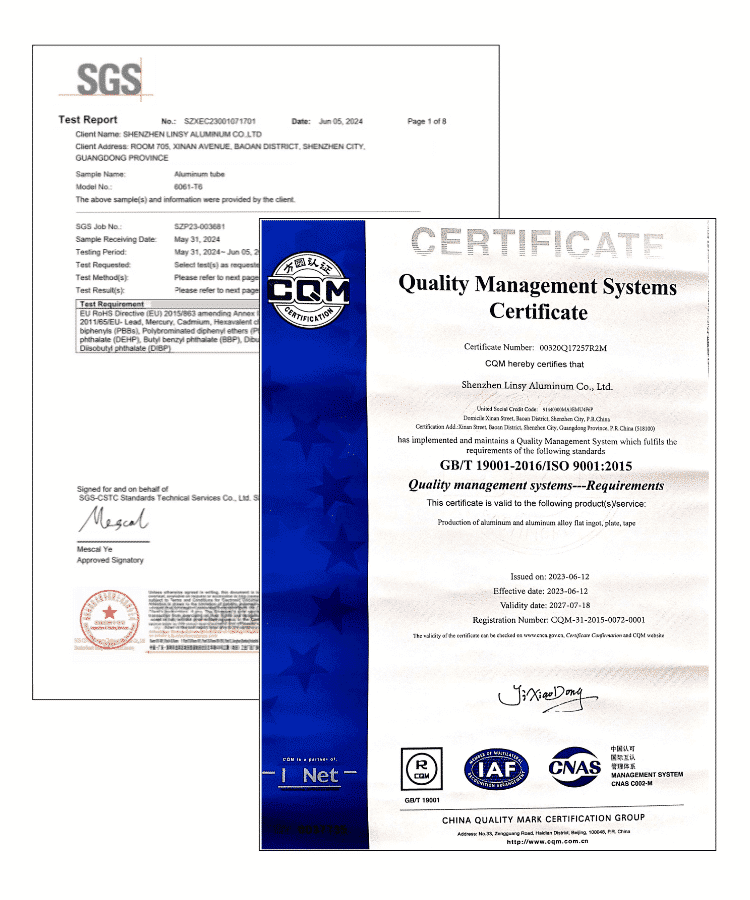
Bright drawn with lubricant removed; specify surface cleanliness where the wire becomes filler or is anodized. Every order ships with an MTC reporting alloy, temper, diameter, composition and mechanical results; third-party testing on request; production under ISO 9001, ISO 14001 and ISO 45001 certified systems.
To quote in one round, send: diameter and tolerance, temper (T6 finished, T4 for heading), coil or spool weight, the application (fastener / machining / welding ring), and the destination.
Shenzhen-based aluminum factory, more than 20 years in the industry, supplying 1000–8000 series alloys in standard specifications and custom sizes.
Q: What is 6061 wire used for?
A: Fastener blanks, cold-headed structural parts, machining wire, special welding rings and stamped hardware — the general industrial wire grade.
Q: Which temper for cold heading?
A: T4, or O for severe upset ratios, with ageing afterwards. Heading in T6 works but wears tooling faster than the softer route.
Q: 6061 or 6082?
A: Nearly interchangeable; 6082 is slightly stronger and is the grade European drawings name. Take the one the drawing specifies.
Q: Can 6061 wire be anodized?
A: Yes — it gives a clean, uniform clear or dyed film, which is why it is used for visible hardware rather than 2xxx or 7xxx.
Q: What sizes and coils do you supply?
A: 0.8–12 mm at ±0.05 mm, coils 10–500 kg.
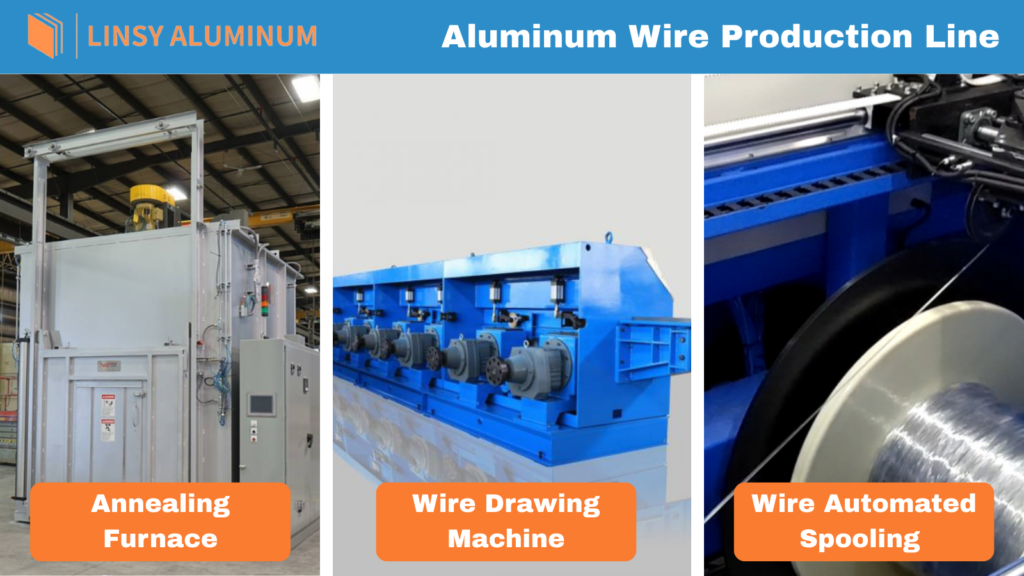
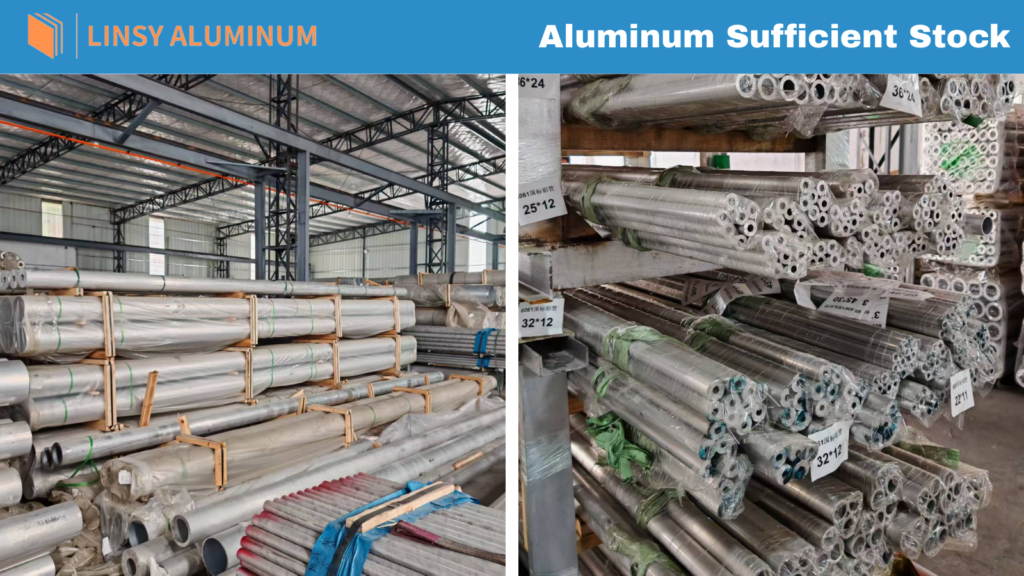
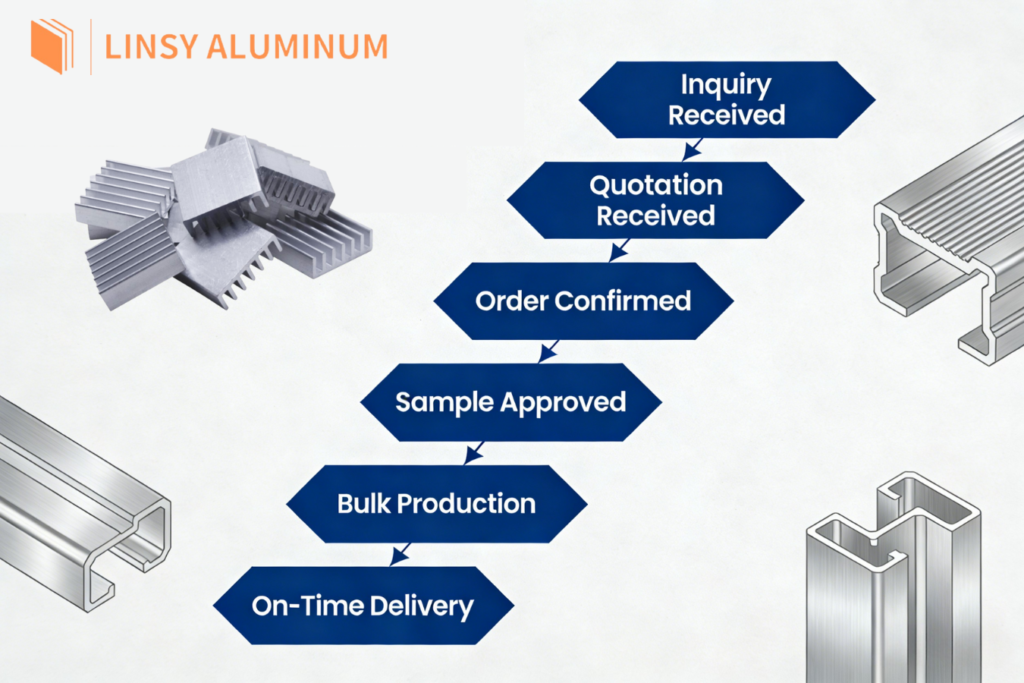
Linsy Advantages
Linsy Aluminum is a leading supplier of aluminum processing products, serving diverse industries including aerospace, general engineering, automotive, marine, shipbuilding and other specialized industrial applications.
We are committed to maintaining the highest standards of quality and environmental responsibility, as demonstrated by our certifications: ISO 9001:2008, ISO 14001:2004 and SGS.