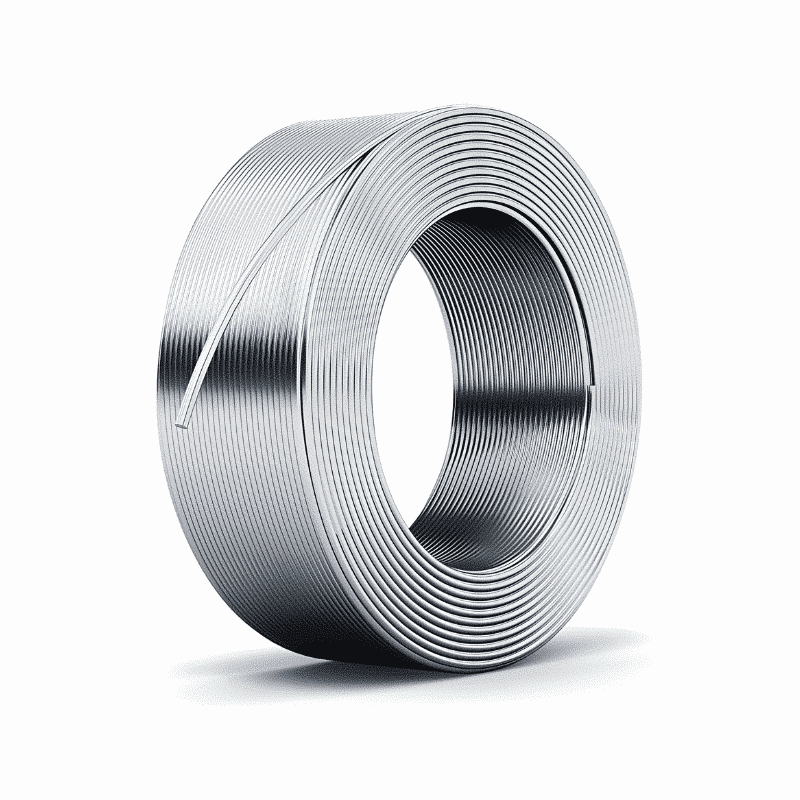
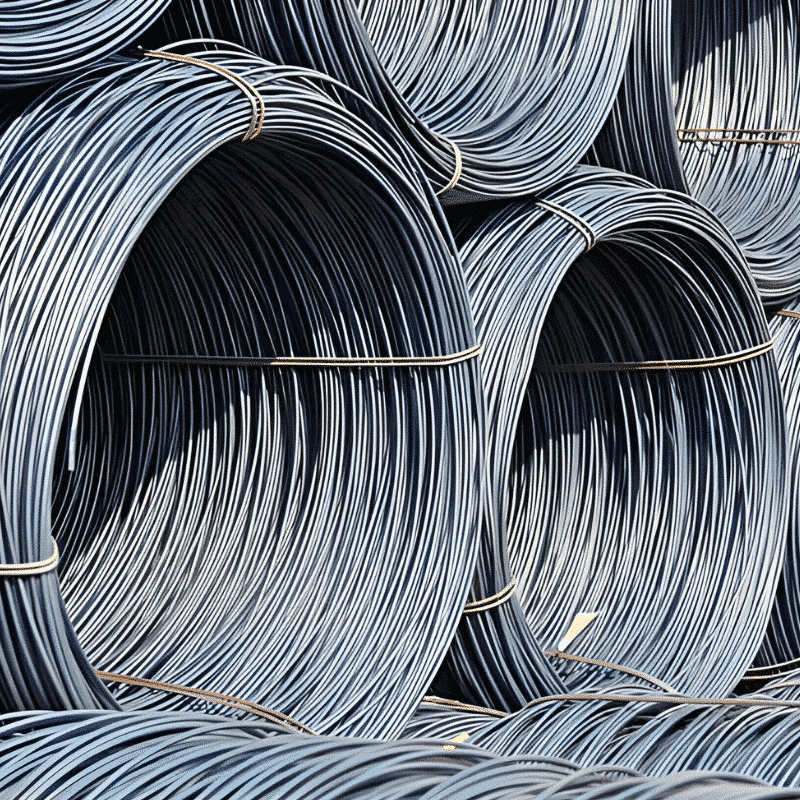


6082 aluminum wire is the European counterpart to 6061: heat-treatable Al-Mg-Si with a little more manganese and slightly higher strength. Drawings from Europe name 6082, so the choice against 6061 is usually about which standard the certificate must state.
Diameter: 0.8–30 mm
Tempers: O / T4 / T6
Coil: from 50 kg
Standards: EN 573 / EN 755 or ASTM B211
Quality documents: MTC stating the standard
6082 aluminum wire is the European counterpart to 6061: a heat-treatable Al-Mg-Si wire with a little more manganese, slightly higher strength, and a specification habit that follows EN rather than ASTM. In practice the two are close enough that the choice is usually about which standard the drawing names — and drawings from Europe and from European-influenced markets name 6082. It is used for cold-headed structural parts, fastener blanks, machining wire and hardware, much like 6061. Alloy data: 6082 aluminum alloy.
| Form | Tempers | Diameter (mm) | Coil weight |
|---|---|---|---|
| Drawn wire | O / T4 / T6 | 0.8 – 30 | From 50 kg per coil |
| Spool | O / T4 / T6 | 0.8 – 30 | Tolerance per specification |
Tolerance ±0.02–0.05 mm drawn, tighter on request. Because 6082 is usually specified against EN 573-3 for chemistry and EN 755 for the product, state whether you need compliance to those or to ASTM B211 — the certificate wording differs and a European customer will check.
| Temper | Tensile (MPa) | Yield (MPa) | Elongation | Typical use |
|---|---|---|---|---|
| O | ≤ 160 | ≤ 110 | ≥ 12% | Severe heading and forming before ageing |
| T4 | 205 – 250 | ≥ 110 | ≥ 12% | Heading where the part ages afterwards |
| T6 | ≥ 310 (typical 330) | ≥ 260 | ≥ 8% | Finished fasteners, structural and machining wire |
Typical values; confirm against the MTC. Density 2.70 g/cm³, elastic modulus 69 GPa. The extra manganese gives 6082 a little more strength than 6061 at the same temper — not enough to change a design, but enough that a European drawing quoting 6082-T6 is marginally different from 6061-T6.
T6 for finished parts — cut, lightly formed, used. T4 for heading, with ageing after forming; it is gentler on dies than heading in T6 and is the standard route for fastener blanks. O for severe cold forming followed by heat treatment.
The same trap applies as on 6061: the temper and the process route have to agree. If the drawing says T6 and the shop heads a complex shape, expect tool wear or cracking — the right answer is usually to head in T4 and age, not to force the harder wire.
| Alloy / temper | Tensile (MPa) | Standard habit | Where it fits |
|---|---|---|---|
| 6082-T6 | ~310–340 | EN 573 / EN 755 | European engineering and construction, fasteners, machining wire |
| 6061-T6 | 310 | ASTM B211 | General industrial wire, same applications |
| 2024-T4 | 462 | ASTM | Aerospace rivets and high-strength fasteners |
6082 and 6061 are near-interchangeable; pick the one the drawing names and say which standard the certificate has to state. Where strength is genuinely short, neither is the answer and 2024 or a steel part is.
If your customer’s drawing references EN 755, say so at enquiry; producing a certificate that names the right standard afterwards is not always possible.
Cold heading: moderate, similar to 6061 — good in T4 and O, harder in T6. Forming: good in O and T4. Machining: good but gummy; sharp carbide and firm feed.
Joining: welds well with 5356 or 4043 filler; welding in T6 softens the heat-affected zone. Anodizes to a uniform film, so it takes the same finishing route as 6061.
The documentation difference is real rather than cosmetic. A European customer will typically check that the certificate names EN 573-3 for chemistry and EN 755 for the product form, and that the temper designation matches the drawing exactly — not “T6 equivalent”. If the enquiry comes from a European OEM, ask which references the certificate must carry before the material is produced; rewording a certificate after the fact is not something we can always do.
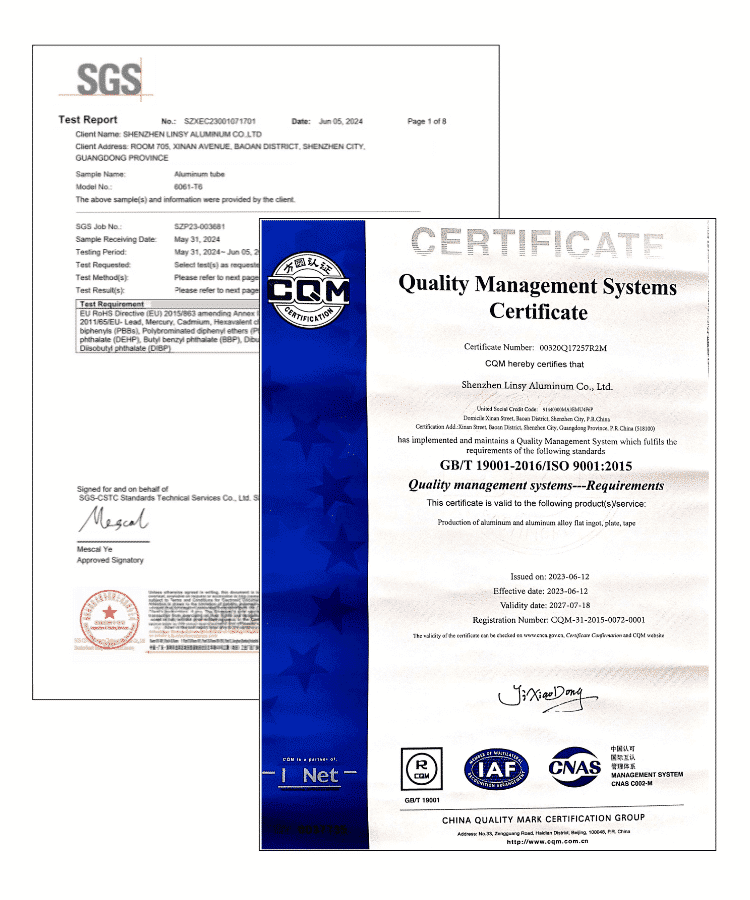
Supplied bright drawn with lubricant removed. Every order ships with an MTC reporting alloy, temper, diameter, composition and mechanical results, against EN or ASTM as ordered; third-party testing on request; production under ISO 9001, ISO 14001 and ISO 45001 certified systems.
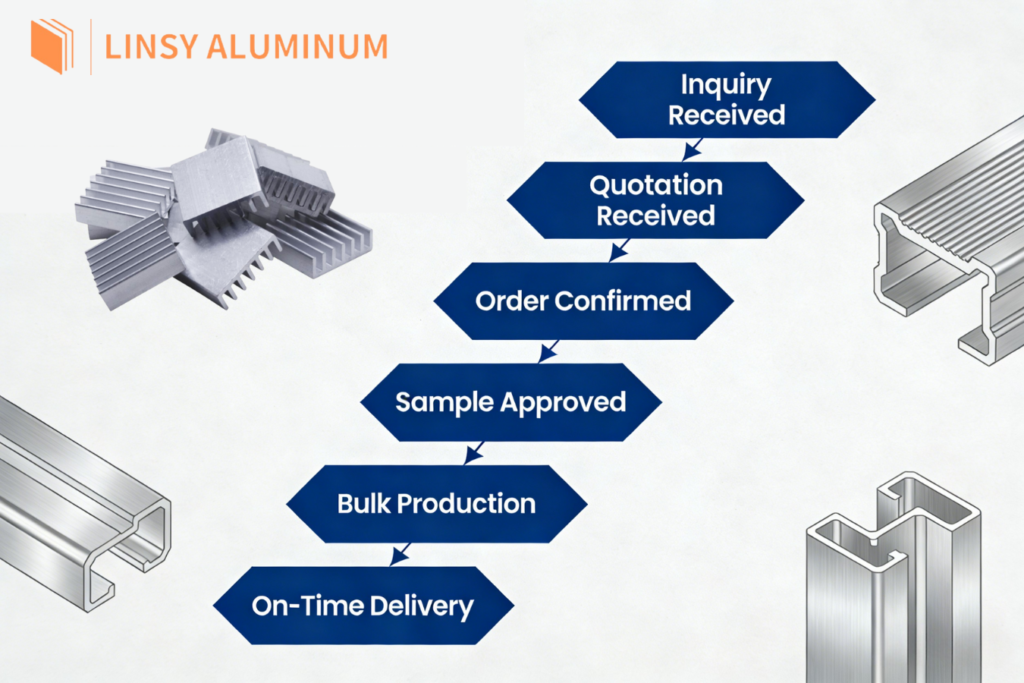
To quote in one round, send: diameter and tolerance, temper (T6 finished, T4 for heading), the standard the certificate must name, coil or spool weight, the application, and the destination.
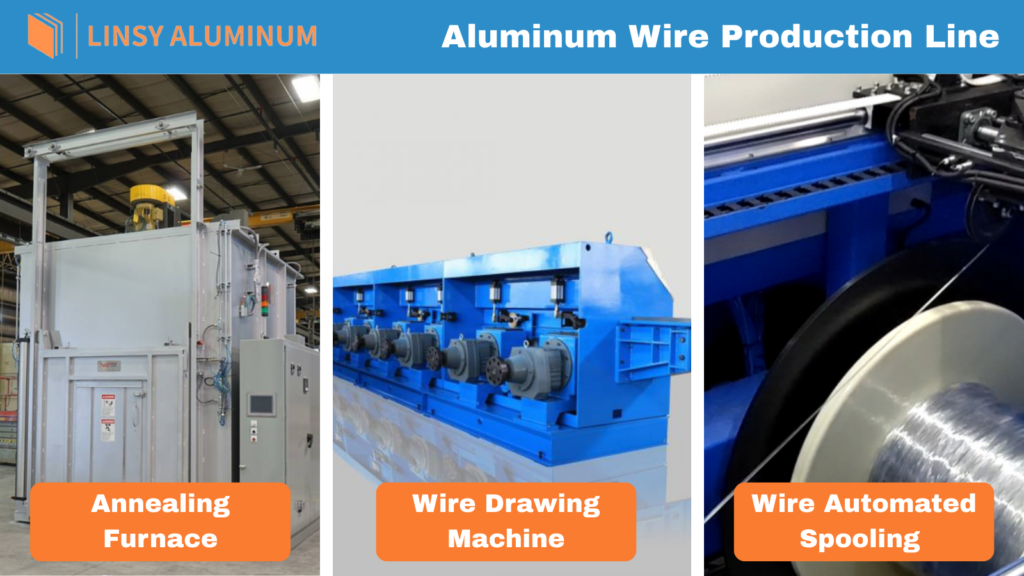
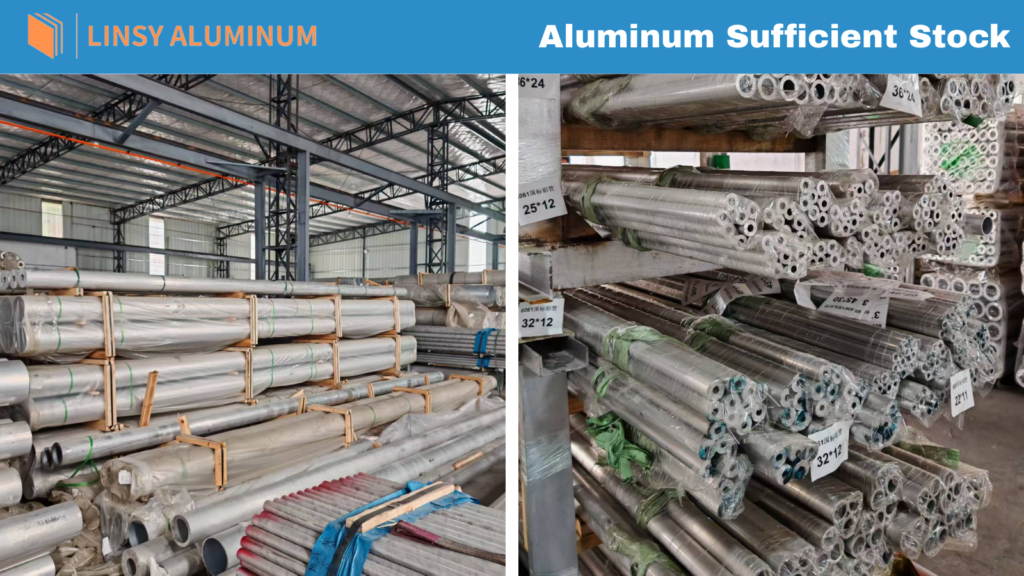
Shenzhen-based aluminum factory, more than 20 years in the industry, supplying 1000–8000 series alloys in standard specifications and custom sizes.
Q: What is the difference between 6082 and 6061 wire?
A: Small. 6082 has slightly more manganese and strength, and it is the grade European drawings name. Pick the one the drawing specifies.
Q: Which temper for heading?
A: T4, with ageing afterwards — or O for severe upset ratios. Heading in T6 works but wears tooling faster.
Q: Can the certificate reference EN standards?
A: Yes, if stated at enquiry. EN 573-3 for chemistry and EN 755 for the product are the usual references; producing that wording afterwards is not always possible.
Q: Is 6082 wire weldable?
A: Yes, with 5356 or 4043 filler, though welding in T6 softens the heat-affected zone. Clean surface matters for welding-ring use.
Q: What sizes and coils do you supply?
A: 0.8–30 mm diameter, coils from 50 kg, spools on request.
Linsy Advantages
Linsy Aluminum is a leading supplier of aluminum processing products, serving diverse industries including aerospace, general engineering, automotive, marine, shipbuilding and other specialized industrial applications.
We are committed to maintaining the highest standards of quality and environmental responsibility, as demonstrated by our certifications: ISO 9001:2008, ISO 14001:2004 and SGS.