Punti salienti
- La lega di alluminio 5052 è un materiale versatile: è resistente, anticorrosione e facile da formare.
- Questa lega si comporta particolarmente bene in ambienti marini perché resiste alla corrosione dell'acqua salata.
- Il suo peso ridotto e la sua resistenza la rendono popolare nelle applicazioni automobilistiche e aerospaziali.
- L'alluminio 5052 ha anche una buona saldabilità e lavorabilità, quindi si adatta a un'ampia gamma di metodi di produzione.
- È disponibile in diverse tempra, che consentono di regolare le sue proprietà per diversi impieghi.
Introduzione
Lega di alluminio 5052 È un materiale resistente e lavorabile con buona resistenza alla corrosione e tenacità all'usura. Queste qualità lo rendono una scelta comune in molti settori industriali. L'Aluminum Association lo classifica nella serie 5000, dove il magnesio è il principale elemento legante che ne determina la resistenza. Si salda facilmente e offre proprietà meccaniche affidabili, motivo per cui è presente in elettrodomestici, strutture e componenti navali.
Per utilizzarlo correttamente, è necessario comprenderne le specifiche, i limiti di impurità e le tempra. Questi dettagli sono importanti per soddisfare requisiti specifici di proprietà meccaniche. Questa lega rimane stabile a temperatura ambiente e in acqua di mare, un altro motivo per cui è una scelta affidabile. Le sezioni seguenti illustrano ciò che rende unico il 5052, come si comporta la sua composizione e dove trova impiego nei diversi settori.
Capire la lega di alluminio 5052
La lega di alluminio 5052 appartiene alla serie 5000, dove il magnesio è il componente chiave. Questa lega contiene circa il 2,5% di magnesio più una piccola quantità di cromo, che le conferiscono le sue proprietà distintive.
Il 5052 non è come le leghe trattabili termicamente. Non acquisisce resistenza dal riscaldamento; invece, viene irrobustito tramite lavorazione a freddo, che modella il metallo a temperatura ambiente e ne modifica la struttura. Ciò rende la lega più resistente, sebbene le tempra fortemente incrudite diventino anche leggermente meno formabili.
Caratteristiche e proprietà principali
La lega di alluminio 5052 è adatta a lavori impegnativi. Resiste bene alla corrosione, soprattutto in ambienti marini, perché il magnesio contribuisce a formare uno strato protettivo di ossido che blocca acqua salata e aria.
Il contenuto di magnesio conferisce inoltre al 5052 una buona resistenza a fatica, quindi tollera sollecitazioni ripetute senza cedere. Ciò è importante per le parti esposte a vibrazioni, come i componenti di aeromobili e veicoli.
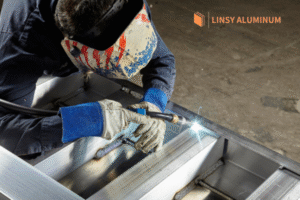
Il 5052 si salda facilmente con metodi comuni, il che semplifica la fabbricazione e ne amplia gli utilizzi.
Composizione chimica
Il carattere del 5052 deriva dai suoi ingredienti. Il magnesio è l'aggiunta principale: a circa il 2,5%, aumenta la resistenza, migliora la resistenza alla corrosione e favorisce la saldabilità.
Il 5052 contiene anche piccole quantità di altri elementi. Il cromo è tipicamente intorno allo 0,25% e contribuisce ad aumentare la resistenza alla corrosione, mentre piccole quantità di silicio e manganese aggiungono resistenza e migliorano la lavorabilità.
La chimica esatta può variare leggermente in base al grado e al fornitore, ma i livelli di magnesio, cromo, silicio e manganese rimangono in un intervallo costante. Questa costanza è ciò che consente alla lega di mantenere le sue proprietà chiave da un ordine all'altro.
Come scegliere il giusto temperamento?
La scelta della tempra giusta è una delle decisioni più importanti quando si lavora con il 5052. Una tempra è un trattamento che determina le proprietà finali della lega. Le tempra che si vedono più spesso per il 5052 provengono dalla serie H (incrudimento): H32, H34 e H38.
La “H” indica che la lega è stata lavorata a freddo per aumentare la resistenza, e il numero (32, 34, 38) mostra quanto sia dura la tempra – un numero più alto significa una tempra più resistente e rigida. Il “3” indica una condizione stabilizzata che mantiene queste proprietà nel tempo. Per i prodotti laminati piani, la nostra la lamiera in alluminio 5052 H32/H34 copre le tempra più comuni ed è un punto di partenza pratico per la selezione.
Applicazioni pratiche della lega di alluminio 5052
Il 5052 combina resistenza, resistenza alla corrosione e facile formabilità, quindi è presente in molti settori, dalle attrezzature pesanti ai componenti elettronici sensibili. Le sezioni seguenti esaminano dove si comporta al meglio.
Usi industriali
In contesti industriali, il 5052 è una scelta forte per la resistenza alla corrosione e la tenacità in condizioni difficili. Gli usi marini e strutturali tipici includono:
- Scafi e parti di imbarcazioni: La sua resistenza alla corrosione dell'acqua di mare lo rende ideale per scafi, ponti e altri componenti marini.
- Serbatoi e contenitori chimici: La buona resistenza chimica lo rende sicuro per lo stoccaggio e il trasporto di sostanze aggressive.
- Apparecchiature di lavorazione: Il 5052 è utilizzato in utensili per la lavorazione alimentare, dove pulizia e protezione dalla ruggine sono fondamentali.
- Componenti edilizi: La sua formabilità supporta pannelli architettonici e decorativi.
- Carrozzerie per camion e rimorchi: Il peso ridotto e la resistenza alla corrosione aiutano a ridurre il consumo di carburante e la manutenzione.
- Elettrodomestici: La facile formatura e la buona resistenza sono adatte a frigoriferi, lavatrici e lavastoviglie.
Vantaggi nell'industria automobilistica e aerospaziale
Il 5052 non è limitato alle fabbriche. La sua saldabilità, resistenza alla corrosione e rapporto resistenza/peso lo rendono utile in automobili e aeromobili.
Nel settore automobilistico, il 5052 appare in:
- Pannelli della carrozzeria: Pannelli leggeri e resistenti che riducono il peso e migliorano l'efficienza del carburante.
- Serbatoi del carburante: La resistenza alla corrosione mantiene il carburante al sicuro durante lo stoccaggio e il trasporto.
- Parti interne: Supporta design dettagliati mantenendo l'integrità strutturale.
Negli aeromobili, il 5052 è apprezzato per essere leggero e resistente alla corrosione:
- Pelle e pannelli dell'aeromobile: Il suo equilibrio resistenza/peso aiuta a ridurre il peso dell'aeromobile e a migliorare l'efficienza.
Confronto con Altre Leghe
Il 5052 è spesso confrontato con la lega 6061 e la lega 7075. Il 5052 eccelle in resistenza alla corrosione e si salda facilmente, con una forte resistenza a fatica. Al contrario, il 6061 offre una maggiore resistenza a trazione ed è adatto a strutture portanti, mentre il 7075 è molto resistente ma meno anticorrosione del 5052. Conoscere queste differenze aiuta a scegliere la lega giusta per il lavoro.
5052 vs 6061
Andando oltre la serie 5000, il 6061 è trattabile termicamente, il che gli conferisce maggiore flessibilità nella regolazione della resistenza. Sia il 5052 che il 6061 resistono alla corrosione e sono facili da lavorare, ma differiscono in resistenza e risposta al trattamento termico.
Il 6061 acquisisce una maggiore resistenza a trazione dopo il trattamento termico rispetto al 5052, il che lo rende adatto a parti ad alta resistenza come strutture aeronautiche e telai di biciclette.
Il 6061 resiste bene alla corrosione, ma non al livello del 5052 in ambienti marini. Il maggiore contenuto di magnesio del 5052 gli conferisce una migliore protezione dall'acqua salata. Per un confronto completo affiancato, leggi il nostro guida alluminio 5052 vs 6061.
5052 vs 5082 vs 5083
La serie 5000 include diverse leghe con magnesio: 5052, 5082, e 5083. Condividono il magnesio come elemento chiave, ma differiscono leggermente nella chimica e quindi nelle prestazioni.
La tabella seguente confronta queste leghe:
| Lega | Contenuto di magnesio (%) | Resistenza alla trazione (MPa) | Uso tipico |
|---|---|---|---|
| 5052 | 2,2 – 2,8 | 228 – 331 | Uso marino, elettrodomestici, lamiera generale |
| 5082 | 4,0 – 4,9 | 276 – 393 | Grado marino, recipienti a pressione, strutture |
| 5083 | 4,0 – 4,9 | 290 – 414 | Marino ad alta resistenza, piastre corazzate, serbatoi criogenici |
Come mostra la tabella, il 5082 e il 5083 contengono più magnesio e quindi più resistenza del 5052. Il 5052 è adatto alla lamiera generale dove è sufficiente una resistenza media, mentre il 5082 e il 5083 si adattano a lavori più pesanti come la costruzione navale e i recipienti a pressione.
Il prezzo dell'alluminio 5052
Il 5052 è ampiamente utilizzato per la sua resistenza alla corrosione e la sua robustezza a un costo ragionevole rispetto ad altre leghe di alluminio. Il prezzo è determinato dalla domanda di mercato, dalla disponibilità di materie prime, dal percorso di produzione, dalla quantità ordinata e dai prezzi del fornitore. Tieni presenti questi fattori quando pianifichi il budget per ottenere il miglior valore per il tuo progetto.
Certificazione dell'alluminio 5052
Quando acquisti il 5052, verifica la qualità rispetto agli standard industriali riconosciuti. Certificazioni e specifiche confermano che il materiale soddisfa i tuoi requisiti.
Organismi come l'Aluminum Association stabiliscono e mantengono standard per le leghe in termini di composizione e proprietà. Scegli fornitori che seguono le specifiche ASTM – ad esempio, la ASTM B209 copre lastre e lamiere di alluminio e leghe di alluminio.
Rivedi anche la Scheda di Sicurezza (SDS) per informazioni su manipolazione, stoccaggio e pericoli. Questo aiuta a utilizzare il materiale in modo sicuro ed efficace.
Conclusione
Il 5052 è una lega versatile e resistente alla corrosione che si comporta bene in applicazioni marine, automobilistiche e di lamiera generale. Il suo principale compromesso è la resistenza: il 5052 non è trattabile termicamente, quindi non può raggiungere la resistenza a trazione di gradi trattati termicamente come il 6061 o il 7075, e le tempra incrudite che aggiungono rigidità riducono la formabilità.
Alluminio Linsy è un produttore con sede a Shenzhen con oltre 20 anni di esperienza, che fornisce 5052 in forma di piastra, barra, tubo, filo, bobina, profilo e blocco nelle serie 1000-8000. Forniamo parti personalizzate in 5052 con tempi di consegna di 10-60 giorni, supportati da lavorazioni CNC interne, saldatura, taglio laser e trattamenti superficiali come l'anodizzazione. Ogni ordine viene spedito con certificato di prova del materiale (MTC), e la nostra produzione è certificata ISO 9001, ISO 14001 e ISO 45001, con rapporti di prova SGS disponibili su richiesta a costo aggiuntivo.
Contatta Linsy Aluminum per discutere la tua specifica 5052 e richiedere un preventivo personalizzato.
Domande frequenti
Perché la lega di alluminio 5052 è preferita per le applicazioni marine?
Il 5052 resiste fortemente alla corrosione, soprattutto in ambienti marini, perché magnesio e cromo contribuiscono a formare uno strato protettivo stabile che impedisce all'acqua di mare e alle impurità di attaccare il metallo.
Come si colloca l'alluminio 5052 rispetto ad altre leghe in termini di resistenza?
Il 5052 è resistente grazie al suo contenuto di magnesio, ma non è resistente come alcune leghe trattate termicamente. La sua elevata resistenza a fatica lo rende comunque una scelta solida per parti soggette a sollecitazioni regolari.
La lega di alluminio 5052 può essere saldata e, in caso affermativo, come?
Il 5052 si salda facilmente. Metodi comuni come la saldatura ad arco con gas metallico (GMAW) e la saldatura TIG lo uniscono bene, e il contenuto di magnesio aiuta il processo. Non è necessario preriscaldare, il che mantiene la saldatura rapida e semplice.
Quali finiture sono consigliate per la lega di alluminio 5052?
L'anodizzazione crea uno strato di ossido più spesso che migliora la resistenza alla corrosione e la durabilità. La verniciatura a polvere e altri trattamenti di finitura possono inoltre proteggere la superficie e migliorare l'aspetto estetico.