Aspectos más destacados
- La aleación de aluminio 5052 es un material versátil: es resistente, tiene buena resistencia a la corrosión y es fácil de conformar.
- Esta aleación se desempeña especialmente bien en entornos marinos porque resiste la corrosión por agua salada.
- Su bajo peso y su resistencia la hacen popular en aplicaciones automotrices y aeroespaciales.
- El aluminio 5052 también tiene buena soldabilidad y maquinabilidad, por lo que se adapta a una amplia gama de métodos de fabricación.
- Está disponible en varios templetes, lo que permite ajustar sus propiedades para diferentes trabajos.
Introducción
Aleación de aluminio 5052 Es un material resistente y trabajable con buena resistencia a la corrosión y tenacidad al desgaste. Esas cualidades lo convierten en una opción común en muchas industrias. La Asociación del Aluminio lo clasifica en la serie 5000, donde el magnesio es el principal elemento de aleación que impulsa su resistencia. Se suelda fácilmente y ofrece propiedades mecánicas confiables, por lo que aparece en electrodomésticos, estructuras y herrajes marinos.
Para utilizarlo correctamente, es necesario comprender sus especificaciones, límites de impurezas y templetes. Estos detalles son importantes para cumplir con requisitos específicos de propiedades mecánicas. Esta aleación permanece estable a temperatura ambiente y en agua de mar, otra razón por la que es una opción confiable. Las secciones siguientes cubren qué hace único al 5052, cómo se comporta su composición y dónde se aplica en diferentes campos.
La aleación de aluminio 5052
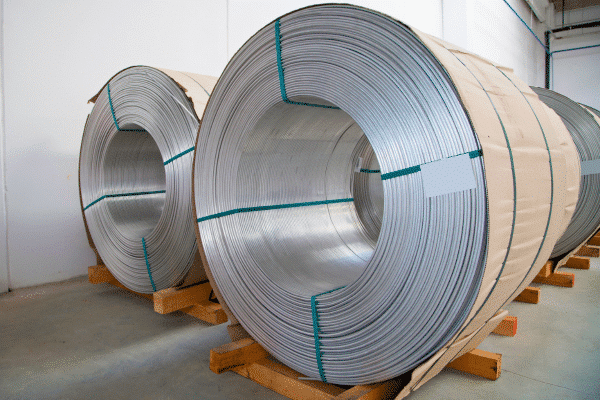
La aleación de aluminio 5052 pertenece a la serie 5000, donde el magnesio es el componente clave. Esta aleación contiene aproximadamente 2.5% de magnesio más una pequeña cantidad de cromo, que le confieren sus propiedades distintivas.
El 5052 no es como las aleaciones tratables térmicamente. No gana resistencia mediante el calentamiento; en cambio, se fortalece mediante trabajo en frío, que conforma el metal a temperatura ambiente y cambia su estructura. Esto hace que la aleación sea más resistente, aunque los templetes muy trabajados en frío también pierden algo de formabilidad.
Características y propiedades clave
La aleación de aluminio 5052 es adecuada para trabajos exigentes. Resiste bien la corrosión, especialmente en entornos marinos, porque el magnesio ayuda a formar una capa de óxido protectora que bloquea el agua salada y el aire.
El contenido de magnesio también le otorga al 5052 una buena resistencia a la fatiga, por lo que tolera esfuerzos repetidos sin fallar. Esto es importante para piezas expuestas a vibraciones, como componentes de aeronaves y vehículos.
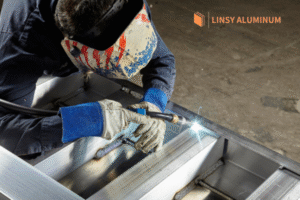
El 5052 se suelda fácilmente con métodos comunes, lo que simplifica la fabricación y amplía sus usos.
Desglose de la composición química
El carácter del 5052 proviene de sus ingredientes. El magnesio es la adición principal: en aproximadamente 2.5%, aumenta la resistencia, mejora la resistencia a la corrosión y facilita la soldabilidad.
El 5052 también contiene pequeñas cantidades de otros elementos. El cromo suele estar alrededor del 0.25% y ayuda a aumentar la resistencia a la corrosión, mientras que pequeñas cantidades de silicio y manganeso añaden resistencia y mejoran la trabajabilidad.
La química exacta puede variar ligeramente según el grado y el proveedor, pero los niveles de magnesio, cromo, silicio y manganeso se mantienen en un rango consistente. Esa consistencia es lo que permite que la aleación mantenga sus propiedades clave de pedido a pedido.
¿Cómo elegir el temperamento adecuado?
Elegir el templete adecuado es una de las decisiones más importantes al trabajar con 5052. Un templete es un tratamiento que establece las propiedades finales de la aleación. Los templetes que verá con mayor frecuencia para el 5052 provienen de la serie H (endurecida por deformación): H32, H34 y H38.
La “H” significa que la aleación fue trabajada en frío para aumentar su resistencia, y el número (32, 34, 38) indica qué tan duro es el templete: un número más alto significa un templete más resistente y rígido. El “3” indica una condición estabilizada que mantiene esas propiedades con el tiempo. Para chapa plana laminada, nuestra chapa de aluminio 5052 H32/H34 cubre los templetes más comunes y es un punto de partida práctico para la selección.
Aplicaciones prácticas de la aleación de aluminio 5052
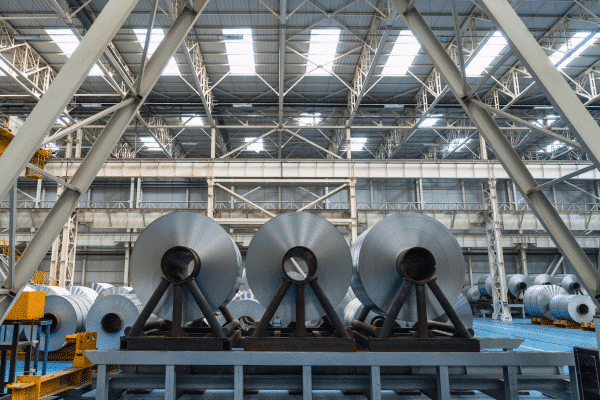
El 5052 combina resistencia, resistencia a la corrosión y fácil formabilidad, por lo que aparece en muchos campos, desde equipos pesados hasta componentes electrónicos sensibles. Las secciones siguientes revisan dónde se desempeña mejor.
Usos industriales
En entornos industriales, el 5052 es una opción sólida por su resistencia a la corrosión y tenacidad en condiciones difíciles. Los usos marinos y estructurales típicos incluyen:
- Cascos y piezas de embarcaciones: Su resistencia a la corrosión por agua de mar lo hace ideal para cascos, cubiertas y otros componentes marinos.
- Depósitos y contenedores de productos químicos: Su buena resistencia química lo hace seguro para almacenar y mover sustancias agresivas.
- Equipo de procesamiento: El 5052 se utiliza en herramientas de procesamiento de alimentos, donde la limpieza y la protección contra la oxidación son críticas.
- Piezas de construcción: Su formabilidad permite paneles arquitectónicos y decorativos.
- Carrocerías de camiones y remolques: El bajo peso y la resistencia a la corrosión ayudan a reducir el consumo de combustible y el mantenimiento.
- Electrodomésticos: La fácil conformación y la buena resistencia son adecuadas para refrigeradores, lavadoras y lavavajillas.
Beneficios en la industria aeroespacial y del automóvil
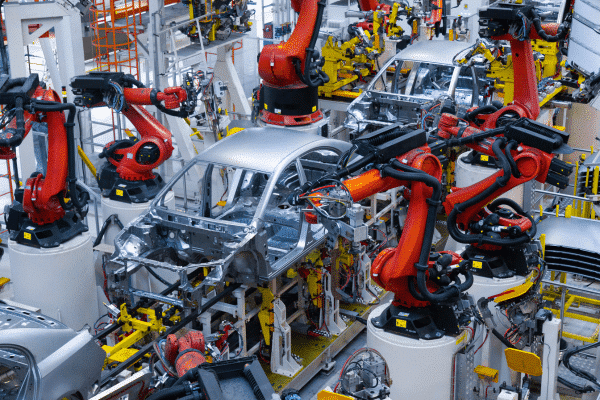
El 5052 no se limita a fábricas. Su soldabilidad, resistencia a la corrosión y relación resistencia-peso lo hacen útil en automóviles y aeronaves.
En aplicaciones automotrices, el 5052 aparece en:
- Paneles de la carrocería: Paneles ligeros y resistentes que reducen el peso y mejoran la eficiencia de combustible.
- Depósitos de combustible: La resistencia a la corrosión mantiene el combustible seguro durante el almacenamiento y el tránsito.
- Partes interiores: Soporta diseños detallados mientras mantiene su integridad estructural.
En aeronaves, el 5052 es valorado por ser ligero y resistente a la corrosión:
- Piel y paneles de aeronaves: Su equilibrio entre resistencia y peso ayuda a reducir el peso de la aeronave y mejorar la eficiencia.
Comparación con otras aleaciones
El 5052 se compara frecuentemente con la aleación 6061 y la aleación 7075. El 5052 lidera en resistencia a la corrosión y se suelda fácilmente, con una fuerte resistencia a la fatiga. En contraste, el 6061 ofrece mayor resistencia a la tracción y es adecuado para estructuras, mientras que el 7075 es muy resistente pero menos resistente a la corrosión que el 5052. Conocer estas diferencias ayuda a elegir la aleación adecuada para cada trabajo.
5052 vs 6061
Más allá de la serie 5000, el 6061 es tratable térmicamente, lo que le otorga mayor flexibilidad para ajustar la resistencia. Tanto el 5052 como el 6061 resisten la corrosión y son fáciles de trabajar, pero difieren en resistencia y respuesta al tratamiento térmico.
El 6061 gana más resistencia a la tracción después del tratamiento térmico que el 5052, lo que lo hace adecuado para piezas de alta resistencia como estructuras de aeronaves y cuadros de bicicletas.
El 6061 resiste bien la corrosión, pero no al nivel del 5052 en entornos marinos. El mayor contenido de magnesio del 5052 le proporciona mejor protección contra el agua salada. Para una comparación detallada, lea nuestro guía de comparación 5052 vs 6061.
5052 vs 5082 vs 5083
La serie 5000 incluye varias aleaciones con magnesio: 5052, 5082y 5083. Comparten el magnesio como elemento clave, pero difieren ligeramente en química y, por lo tanto, en rendimiento.
La tabla siguiente compara estas aleaciones:
| Aleación | Contenido de magnesio (%) | Resistencia a la tracción (MPa) | Uso típico |
|---|---|---|---|
| 5052 | 2.2 – 2.8 | 228 – 331 | Uso marino, electrodomésticos, chapa metálica general |
| 5082 | 4.0 – 4.9 | 276 – 393 | Grado marino, recipientes a presión, estructuras |
| 5083 | 4.0 – 4.9 | 290 – 414 | Marino de alta resistencia, blindaje, tanques criogénicos |
Como muestra la tabla, el 5082 y el 5083 contienen más magnesio y, por lo tanto, más resistencia que el 5052. El 5052 es adecuado para chapa metálica general donde se requiere resistencia media, mientras que el 5082 y el 5083 se adaptan a trabajos más exigentes como construcción naval y recipientes a presión.
El precio del aluminio 5052
El 5052 es ampliamente utilizado por su resistencia a la corrosión y su resistencia a un costo razonable en comparación con otras aleaciones de aluminio. El precio está impulsado por la demanda del mercado, la disponibilidad de materias primas, la ruta de fabricación, la cantidad del pedido y los precios del proveedor. Tenga en cuenta estos factores al presupuestar para obtener el mejor valor para su proyecto.
Certificación de aluminio 5052
Al comprar 5052, verifique la calidad contra estándares industriales reconocidos. Las certificaciones y especificaciones confirman que el material cumple con sus requisitos.
Organismos como la Asociación del Aluminio establecen y mantienen estándares de aleación para composición y propiedades. Elija proveedores que sigan las especificaciones ASTM; por ejemplo, la ASTM B209 cubre chapa y placa de aluminio y aleaciones de aluminio.
También revise la Hoja de Datos de Seguridad (SDS) para obtener información sobre manejo, almacenamiento y peligros. Esto ayuda a utilizar el material de manera segura y efectiva.
Conclusión
El 5052 es una aleación versátil y resistente a la corrosión que se desempeña bien en trabajos marinos, automotrices y de chapa metálica general. Su principal desventaja es la resistencia: el 5052 no es tratable térmicamente, por lo que no puede alcanzar la resistencia a la tracción de grados tratados térmicamente como el 6061 o el 7075, y los templetes trabajados en frío que añaden rigidez reducen la formabilidad.
Linsy Aluminio es un fabricante con sede en Shenzhen con más de 20 años de experiencia, que suministra 5052 en forma de placa, barra, tubo, alambre, bobina, perfil y bloque en las series 1000-8000. Entregamos piezas personalizadas de 5052 con un plazo de entrega de 10 a 60 días, respaldados por mecanizado CNC interno, soldadura, corte por láser y tratamientos superficiales como anodizado. Cada pedido se envía con un certificado de prueba de material (MTC), y nuestra producción cuenta con certificación ISO 9001, ISO 14001 e ISO 45001, con informes de prueba SGS disponibles bajo solicitud con costo adicional.
Contacte a Linsy Aluminum para discutir su especificación de 5052 y solicitar una cotización personalizada.
Preguntas frecuentes
¿Por qué se prefiere la aleación de aluminio 5052 para aplicaciones marinas?
El 5052 resiste fuertemente la corrosión, especialmente en entornos marinos, porque el magnesio y el cromo ayudan a formar una capa protectora estable que bloquea el agua de mar y las impurezas para que no ataquen el metal.
¿Cómo se compara el aluminio 5052 con otras aleaciones en términos de resistencia?
El 5052 es resistente gracias a su contenido de magnesio, pero no es tan resistente como algunas aleaciones tratadas térmicamente. Su alta resistencia a la fatiga sigue siendo una opción sólida para piezas sometidas a esfuerzos regulares.
¿Se puede soldar la aleación de aluminio 5052 y, en caso afirmativo, cómo?
El 5052 se suelda fácilmente. Métodos comunes como la soldadura por arco metálico con gas (GMAW) y la soldadura con gas inerte de tungsteno (TIG) lo unen bien, y el contenido de magnesio facilita el proceso. No se requiere precalentamiento, lo que mantiene la soldadura rápida y sencilla.
¿Qué acabados se recomiendan para la aleación de aluminio 5052?
El anodizado crea una capa de óxido más gruesa que mejora la resistencia a la corrosión y la durabilidad. El recubrimiento en polvo y otros acabados también pueden proteger la superficie y mejorar la apariencia.