소개
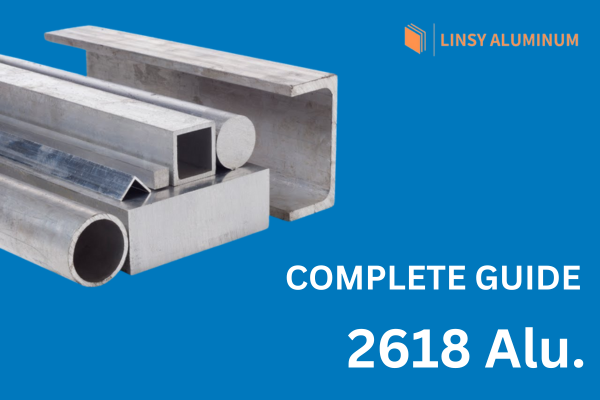
2618 알루미늄 합금 2618은 고온 응용 분야를 위해 설계된 열처리 가능한 2xxx 계열 단조 알루미늄 합금입니다. 구리, 마그네슘, 니켈을 주요 합금 원소로 하여, 2618은 약 200°C까지의 고온에서 우수한 강도를 유지합니다. 또한 지속적인 열 하중 하에서 강한 피로 저항성과 우수한 크리프 저항성을 제공합니다.
이러한 특성으로 인해 2618은 열 안정성이 중요한 항공우주 엔진 부품, 고성능 피스톤, 압축기 휠, 터빈 부품에 선호되는 소재입니다. 본 문서는 합금의 화학적 조성, 기계적 특성, 실용적 응용 분야, 그리고 2024, 4032, 6061, 7075와 같은 다른 알루미늄 등급과의 비교를 다룹니다.
2618 알루미늄 합금이란?
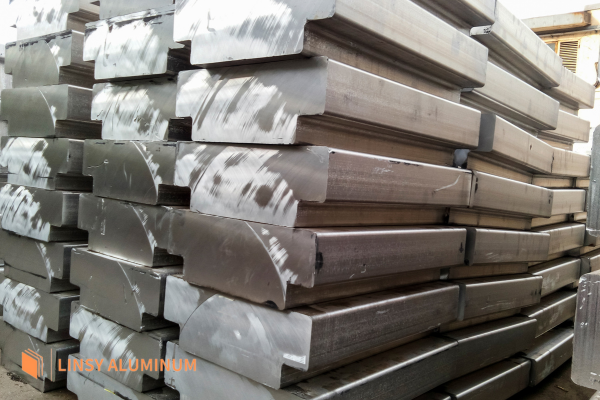
2618 알루미늄 합금은 열처리 가능한 단조 알루미늄 합금 계열에 속하며, 고온에서의 강도 유지 특성으로 구별됩니다. 고온 강도, 피로 저항성, 기계 가공성의 조합은 항공우주 및 모터스포츠 분야의 까다로운 응용에 적합합니다.
이 합금의 조성—주로 알루미늄에 구리, 마그네슘, 니켈—은 열 안정성에 직접적으로 기여합니다. 이로 인해 2618은 반복적인 열 사이클링과 기계적 응력 하에서도 구조적 무결성을 유지해야 하는 부품에 신뢰할 수 있는 선택지가 됩니다.
2618 알루미늄의 화학적 조성
2618 알루미늄 합금의 독특한 특성은 화학적 조성에 의해 결정됩니다. 아래는 주요 합금 원소의 세부 내역입니다.
| 요소 | 구성 백분율 | 역할 |
|---|---|---|
| 알루미늄 | ~90% | 기본 재료 |
| 구리 | 2-3% | 특히 열처리 후 강도 향상 |
| 마그네슘 | 1.2-1.8% | 구리와 함께 작용하여 합금을 더욱 강화합니다. |
| 니켈 | 1.2-1.8% | 고온 성능과 열 안정성을 향상시킵니다. |
생산 과정에서 신중하게 제어되는 이러한 합금 원소들은 2618이 열 안정성이 필수적인 항공우주 및 고성능 산업에서 요구하는 엄격한 기준을 충족할 수 있게 합니다.
주요 물리적 및 기계적 특성
| 속성 | 가치 | 의미 |
|---|---|---|
| 밀도 | 2.75g/cm³ | 고강도 응용 분야에 적합한 경량성 |
| 녹는점 | 550~640°C(1,022~1,184°F) | 넓은 응고 범위로 열간 가공에 적합 |
| 인장 강도 | ~420-450 MPa(T6) | 까다로운 구조 응용 분야를 위한 높은 강도 |
| 수율 강도 | ~350-380 MPa(T6) | 영구 변형에 대한 우수한 내성 |
| 신장 | ~5-10% | 적절한 연성 |
| 경도 | ~120-130 HB(브리넬, T6) | 내마모성을 위한 우수한 표면 경도 |
| 열 전도성 | ~140-155 W/m-K | 적절한 열 전달 능력 |
| 피로 강도 | ~150-180 MPa | 반복 하중에 대한 강한 저항성 |
2618 알루미늄 합금은 적절한 중량, 높은 강도, 열 안정성의 균형 잡힌 조합을 제공합니다. 낮은 밀도는 부품 중량을 줄여주며, 높은 용융 범위는 엔진 베이와 같은 고온 환경에서 안정적으로 작동할 수 있게 합니다. T6 템퍼에서의 인장 강도 420–450 MPa 및 피로 저항성 150–180 MPa은 피스톤 및 압축기 휠과 같이 반복 응력을 받는 부품에 신뢰할 수 있는 선택지가 됩니다.
2618 알루미늄 합금의 장점과 한계
| 혜택 | 제한 사항 |
|---|---|
| 높은 온도에서 높은 강도 | 6xxx 및 5xxx 합금에 비해 낮은 내식성 |
| 우수한 피로 저항성 | 범용 합금보다 높은 비용 |
| 열처리 가능하여 속성 향상 | 응력 부식 균열에 취약 |
| 열처리 상태에서 우수한 기계 가공성 | 제한된 저온 성형성 |
| 특정 기술을 통한 용접 가능 | 부식 환경에서 보호 코팅 필요 |
2618 알루미늄 합금의 실제 응용 분야
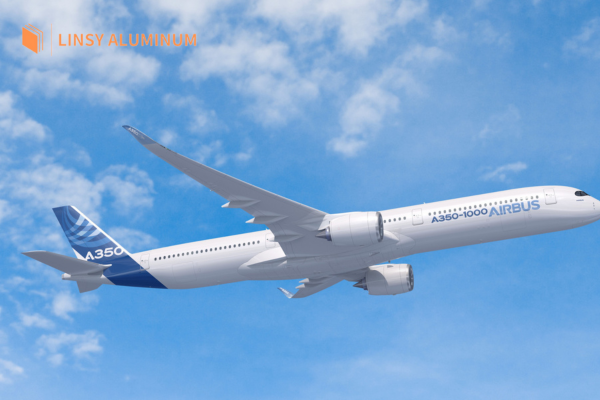
2618 알루미늄 합금은 높은 강도 대 중량비와 고온 성능으로 인해 항공우주 및 모터스포츠 분야에서 높은 가치를 인정받고 있습니다. 합금의 하중 지지 능력과 피로 저항성은 극한 조건에서의 신뢰성이 필수적인 피스톤, 단조품, 구조용 엔진 부품에 이상적입니다.
항공우주 및 모터스포츠
항공우주 분야에서 2618 알루미늄은 항공기 엔진 부품, 동체 부품, 날개 구조물 제조에 사용됩니다. 고온에서 강도를 유지하는 능력은 부품이 지속적인 열적 및 기계적 응력을 견뎌야 하는 제트 엔진 환경에서 중요합니다.
2618로 제조된 피스톤과 압축기 휠은 고온 작동 중에도 형상과 강도를 유지하여 엔진이 장기간 서비스 간격 동안 안정적으로 작동하도록 돕습니다.
모터스포츠 산업에서도 레이싱 엔진 피스톤 및 부품에 2618을 사용합니다. 합금의 고온 저항성과 피로 강도는 부품이 고RPM 레이싱 환경의 가혹한 조건을 견딜 수 있게 합니다.
비교: 2618 대 다른 알루미늄 합금
2618 알루미늄 합금이 고온 응용 분야에서 탁월하지만, 적절한 소재 선택은 특정 강도, 성형성, 내식성, 비용 요구 사항에 따라 달라집니다. 2618을 다른 일반적인 합금과 비교하면 엔지니어가 정보에 입각한 소재 선택을 할 수 있습니다.
2618 대 4032 대 6061 대 7075 알루미늄
각 합금은 기계적 특성과 의도된 응용 분야에 따라 뚜렷한 장점을 제공합니다.
| 특징 | 2618 알루미늄 | 4032 알루미늄 | 6061 알루미늄 | 7075 알루미늄 |
|---|---|---|---|---|
| 주요 합금 원소 | Cu, Mg, Ni | Cu, Mg, Si | Mg, Si | 아연, 구리, 마그네슘 |
| 밀도(g/cm³) | ~2.77 | ~2.69 | ~2.70 | ~2.81 |
| 인장 강도(MPa) | ~440(T6 성질) | ~380(T6 성질) | ~310(T6 성질) | ~570(T6 성질) |
| 항복 강도(MPa) | ~370(T6 성질) | ~315(T6 성질) | ~275(T6 성질) | ~505(T6 성질) |
| 내열성 | 우수(최대 ~200°C) | 양호(최대 ~150°C) | 보통(최대 ~150°C) | 보통(최대 ~120°C) |
| 내식성 | 보통(코팅 필요) | 좋음(2618보다 좋음) | 매우 좋음 | 보통(Cu 함량으로 인해 민감함) |
| 기계 가공성 | Good | 우수 | 매우 좋음 | 공정 |
| 용접성 | 공정(특별한 기술 필요) | Poor | 우수 | Poor |
| 피로 저항 | 우수 | Good | Good | 우수 |
| 비용 | 높음 | 보통 | 낮음 | 높음 |
| 일반적인 애플리케이션 | 항공우주 엔진 부품, 피스톤 | 자동차 피스톤, 엔진 부품 | 구조용 부품, 일반용 | 항공우주 프레임, 고응력 부품 |
| 주요 이점 | 높은 온도에서 높은 강도 | 내마모성, 낮은 열팽창 | 다용도성, 내식성 | 탁월한 상온 강도 |
| 주요 한계 | 낮은 내식성, 높은 비용 | 열악한 용접성, 중간 정도의 강도 | 낮은 최대 강도 | 용접성 저하, 부식 우려 |
2618 알루미늄 2618은 고온 강도와 우수한 기계 가공성으로 두각을 나타내며, 항공기 엔진 부품과 고성능 피스톤에 이상적입니다. 4032는 낮은 열팽창 계수와 우수한 내마모성으로 엔진 부품에 선호됩니다. 6061은 다용도성으로 잘 알려져 있으며 구조 응용 분야에 널리 사용됩니다. 7075는 탁월한 상온 강도로 고응력 구조 시나리오를 처리합니다.
어떤 합금을 선택할 것인가
적절한 합금 선택—2618, 4032, 6061또는 7075—은 특정 응용 분야, 작동 조건, 우선순위에 따라 달라집니다.
고려해야 할 주요 요소
- 강도 요구 사항상온에서 최대 강도가 필요하다면 7075(인장 강도 570 MPa)를 선택하십시오. 고온 강도가 필요하다면 2618(약 200°C까지 강도 유지)을 선택하십시오. 7075 알루미늄 150°C 이상에서 작동하는 엔진 부품 및 피스톤의 경우 2618이 최선의 선택입니다. 4032와 6061은 약 150°C까지의 중간 온도를 처리하며, 7075는 약 120°C 이상에서 약화됩니다. 2618 알루미늄 부품이 습기나 옥외 노출에 직면하는 경우 6061이 최상의 내식성을 제공합니다. 2618과 7075는 부식 환경에서 보호 코팅이 필요합니다.
- 온도 노출표면 마모가 우려되는 피스톤과 같은 움직이는 부품의 경우 4032가 더 높은 실리콘 함량으로 최상의 내마모성을 제공합니다.
- 내식성용접성 및 성형성, 6061 알루미늄 6061은 용접과 성형이 가장 쉽습니다. 2618은 전문적인 용접 기술이 필요하며, 4032와 7075는 일반적으로 용접이 권장되지 않습니다.
- 내마모성6061은 가장 비용 효율적이고 널리 사용 가능합니다. 2618과 7075는 특수 특성으로 인해 가격이 더 높으며, 4032는 그 사이에 해당합니다., 4032 알루미늄 2618 알루미늄 합금은 고온용 항공우주 및 모터스포츠 특수 소재로, 범용 합금이 아닙니다. 니켈 강화 조성은 약 200°C까지의 우수한 강도 유지와 강한 피로 저항성, 우수한 기계 가공성을 제공하여 피스톤, 압축기 휠, 터빈 부품에 이상적입니다. 그러나 범용 합금에 비해 높은 비용, 낮은 내식성, 제한된 가용성으로 인해 고온 성능이 주요 요구 사항일 때만 지정해야 합니다.
- Linsy Aluminum은 1000~8000 시리즈 전체 범위를涵盖하며 2xxx 계열을 포함하여 특수 응용 분야를 위한 2618 알루미늄을 조달하거나 공급할 수 있습니다. 20년 이상의 경험, ISO 9001/14001/45001 인증, 사내 CNC 가공, TIG/GTAW 용접, 레이저 절단, 표면 처리 역량을 갖추고 있으며, Linsy는 맞춤 조달부터 제작까지 고성능 알루미늄 솔루션이 필요한 프로젝트를 지원합니다. 리드 타임은 일반적으로 10~60일이며, 주문별 전체 재료 시험 인증서(MTC)가 제공되고 요청 시 SGS 시험 보고서가 제공됩니다.오늘 Linsy Aluminum에 문의하여 2618 알루미늄 요구 사항을 논의하고 견적을 요청하십시오.
- 비용2618 알루미늄은 주로 고온 항공우주 및 모터스포츠 부품에 사용되며, 엔진 피스톤, 압축기 휠, 터빈 부품, 항공기 구조 부품, 초음속 항공기 외피를 포함합니다. 150°C 이상에서 강도 유지가 필요한 모든 응용 분야는 2618의 후보가 됩니다.
결론
2618 알루미늄은 몇 도까지 견딜 수 있나요?.
린시 알루미늄 2618 알루미늄은 약 200°C(392°F)까지의 온도에서 우수한 강도를 유지합니다. 이 임계값을 초과하면 기계적 특성이 저하되기 시작하지만, 합금은 약 250°C(482°F)까지 일부 유용한 강도를 유지합니다. 이는 더 낮은 온도에서 약화되는 6061 및 7075와 같은 합금보다 훨씬 우수합니다.
2618은 2024 및 7075 알루미늄과 어떻게 다른가요?.
자주 묻는 질문
2618 알루미늄 합금은 무엇에 사용됩니까?
2618은 최고 상온 강도를 희생하여 우수한 고온 성능을 얻습니다. 2024 알루미늄은 상온에서 더 높은 강도를 제공하지만 150°C 이상에서 더 빠르게 강도를 잃습니다. 7075 알루미늄은 상온에서 가장 강하지만(약 570 MPa) 120°C 이상에서 크게 약화됩니다. 지속적인 열 노출이 주요 설계 조건일 때 2618이 선호되는 선택입니다.
2618 알루미늄 합금은 용접이 가능한가요?
2618 알루미늄은 적절한 필러 금속을 사용한 TIG(GTAW)와 같은 전문 기술로 용접할 수 있지만, 용접 난이도는 보통에서 어려움으로 간주됩니다. 높은 구리 함량은 용접 중 열간 균열과 기공 발생 위험을 증가시킵니다. 대부분의 응용 분야에서 2618 부품은 용접 조립체보다는 단조품이나 봉재에서 가공됩니다.
2618 알루미늄에 니켈이 포함된 이유는 무엇인가요?
2618 알루미늄 니켈은 2618 알루미늄 합금의 고온 강도와 열 안정성을 향상시키는 데 중요한 역할을 합니다. 니켈은 고온에서 합금의 미세 구조를 안정화시켜 장기간 열 노출 시 강도 저하를 늦추고 크리프 저항성을 개선합니다. 이는 2618이 다른 2xxx 계열 합금과 차별화되는 핵심 요소로, 지속적인 열 응력 하에서도 구조적 무결성을 유지해야 하는 항공우주 엔진 부품 및 고성능 피스톤에 특히 유리합니다.
2618 알루미늄의 일반적인 열처리 조건은 무엇인가요?
2618 알루미늄은 일반적으로 T6 템퍼(용체화 처리 후 인공 시효)로 공급됩니다. 용체화 처리는 약 525°C에서 수행되며, 이후 담금질과 약 190°C에서 10~20시간 동안의 시효 처리가 이어집니다. 이 열처리 과정은 합금의 고온 강도와 피로 저항성을 최적화하여, 항공우주 및 모터스포츠 응용 분야에서 요구되는 성능을 달성합니다.
2618 알루미늄의 피로 수명은 다른 합금과 비교하여 어떤가요?
니켈(1.2-1.8%)은 2618 알루미늄에 첨가되어 고온 안정성과 크리프 저항성을 향상시키는 데 특화되어 있습니다. 니켈은 미세하고 열적으로 안정적인 금속간 화합물을 형성하여 고온에서 조대화(coarsening)에 저항하며, 합금이 장시간 열에 노출되는 동안 강도를 유지하도록 돕습니다. 이는 엔진 및 터빈 응용 분야에서 중요한 이점입니다.