Giriş
2618 alüminyum alaşım 2618, yüksek sıcaklık uygulamaları için tasarlanmış, ısıl işlem uygulanabilen 2xxx serisi dövme alüminyum alaşımıdır. Birincil alaşım elementleri olarak bakır, magnezyum ve nikel içeren 2618, yaklaşık 200°C'ye kadar yüksek sıcaklıklarda mükemmel mukavemetini korur. Ayrıca sürekli termal yükler altında güçlü yorulma direnci ve iyi sürünme direnci sunar.
Bu özellikler, 2618'i termal stabilitesinin kritik olduğu havacılık motor bileşenleri, yüksek performanslı pistonlar, kompresör çarkları ve türbin parçaları için tercih edilen bir malzeme haline getirir. Bu makale, alaşımın kimyasal bileşimini, mekanik özelliklerini, pratik uygulamalarını ve 2024, 4032, 6061 ve 7075 gibi diğer alüminyum kaliteleriyle karşılaştırmasını kapsamaktadır.
2618 Alüminyum Alaşım Nedir
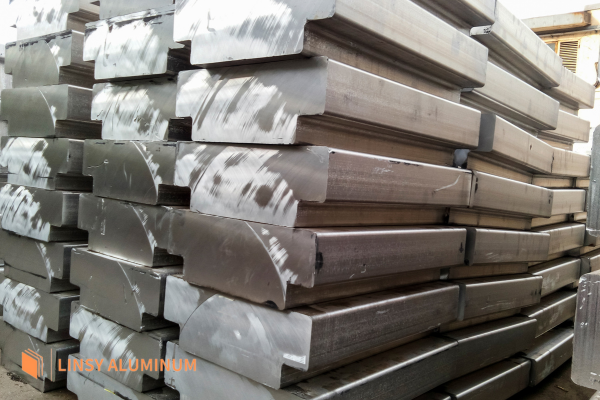
2618 alüminyum alaşımı, yüksek sıcaklıklarda mukavemetini korumasıyla ayırt edilen, ısıl işlem uygulanabilir dövme alüminyum alaşım ailesine aittir. Yüksek sıcaklık mukavemeti, yorulma direnci ve işlenebilirliğinin kombinasyonu, onu havacılık ve motor sporlarında zorlu uygulamalar için uygun kılar.
Alaşımın bileşimi—temel olarak bakır, magnezyum ve nikel içeren alüminyum—termal stabilitesine doğrudan katkıda bulunur. Bu, 2618'i bileşenlerin tekrarlanan termal döngü ve mekanik stres altında yapısal bütünlüğünü koruması gerektiğinde güvenilir bir seçim haline getirir.
2618 Alüminyumun Kimyasal Bileşimi
2618 alüminyum alaşımının ayırt edici özellikleri kimyasal bileşimiyle tanımlanır. Aşağıda temel alaşım elementlerinin dökümü verilmiştir:
| Element | Bileşim Yüzdesi | Rol |
|---|---|---|
| Alüminyum | ~90% | Temel malzeme |
| Bakır | 2-3% | Özellikle ısıl işlemden sonra mukavemeti artırır |
| Magnezyum | 1.2-1.8% | Alaşımı daha da güçlendirmek için bakırla birlikte çalışır |
| Nikel | 1.2-1.8% | Yüksek sıcaklık performansını ve termal stabiliteyi iyileştirir |
Üretim sırasında dikkatle kontrol edilen bu alaşım elementleri, 2618'in termal stabilitesinin esas olduğu havacılık ve yüksek performanslı endüstrilerin gerektirdiği katı standartları karşılamasını sağlar.
Temel Fiziksel ve Mekanik Özellikler
| Mülkiyet | Değer | Ne anlama geliyor |
|---|---|---|
| Yoğunluk | 2,75 g/cm³ | Yüksek mukavemetli uygulamalar için hafiftir |
| Erime Noktası | ~550-640°C (1,022-1,184°F) | Sıcak işlemeye uygun geniş katılaşma aralığı |
| Çekme Dayanımı | ~420-450 MPa (T6) | Zorlu yapısal uygulamalar için yüksek mukavemet |
| Akma Dayanımı | ~350-380 MPa (T6) | Kalıcı deformasyona karşı iyi direnç |
| Uzama | ~5-10% | Orta düzeyde süneklik |
| Sertlik | ~120-130 HB (Brinell, T6) | Aşınma direnci için iyi yüzey sertliği |
| Termal İletkenlik | ~140-155 W/m-K | Yeterli ısı transfer kapasitesi |
| Yorulma Dayanımı | ~150-180 MPa | Döngüsel yüklemeye karşı güçlü direnç |
2618 alüminyum alaşımı, orta düzey ağırlık, yüksek mukavemet ve termal stabilite dengesi sunar. Düşük yoğunluğu bileşen ağırlığını düşük tutarken, yüksek erime aralığı motor bölmeleri gibi sıcak ortamlarda güvenilir performans göstermesini sağlar. T6 temperinde 420–450 MPa çekme mukavemeti ve 150–180 MPa yorulma direnci, onu pistonlar ve kompresör çarkları gibi tekrarlanan strese maruz kalan parçalar için güvenilir bir seçim yapar.
2618 Alüminyum Alaşımının Faydaları ve Sınırlamaları
| Avantajlar | Sınırlamalar |
|---|---|
| Yüksek sıcaklıklarda yüksek mukavemet | 6xxx ve 5xxx alaşımlarına kıyasla daha düşük korozyon direnci |
| İyi yorulma direnci | Genel amaçlı alaşımlara göre daha yüksek maliyet |
| Gelişmiş özellikler için ısıl işlem uygulanabilir | Gerilme korozyonu çatlamasına duyarlıdır |
| Isıl işlem görmüş durumda iyi işlenebilirlik | Sınırlı soğuk şekillendirilebilirlik |
| Belirli tekniklerle kaynaklanabilir | Korozif ortamlar için koruyucu kaplamalar gerektirir |
2618 Alüminyum Alaşımının Pratik Uygulamaları

2618 alüminyum alaşımı, yüksek mukavemet-ağırlık oranı ve yüksek sıcaklık performansı nedeniyle havacılık ve motor sporlarında büyük değer görür. Alaşımın yük taşıma kapasitesi ve yorulma direnci, aşırı koşullar altında güvenilirliğin tartışılmaz olduğu pistonlar, dövmeler ve yapısal motor bileşenleri için idealdir.
Havacılık ve Uzay ve Motor Sporları
Havacılıkta, 2618 alüminyum uçak motor parçaları, gövde bileşenleri ve kanat yapılarının üretiminde kullanılır. Yüksek sıcaklıklarda mukavemetini koruma yeteneği, bileşenlerin sürekli termal ve mekanik strese maruz kaldığı jet motoru ortamları için kritiktir.
2618'den üretilen pistonlar ve kompresör çarkları, yüksek sıcaklıkta çalışma sırasında şekillerini ve mukavemetlerini korur, motorların uzun servis aralıklarında güvenilir performans göstermesine yardımcı olur.
Motor sporları endüstrisi de yarış motoru pistonları ve bileşenleri için 2618'e güvenir. Alaşımın yüksek sıcaklık direnci ve yorulma mukavemeti, parçaların yüksek devirli yarış ortamlarının cezalandırıcı koşullarına dayanmasını sağlar.
Karşılaştırma: 2618 ve Diğer Alüminyum Alaşımları
2618 alüminyum alaşımı yüksek sıcaklık uygulamalarında üstün olsa da, doğru malzemeyi seçmek belirli mukavemet, şekillendirilebilirlik, korozyon direnci ve maliyet gereksinimlerine bağlıdır. 2618'i diğer yaygın alaşımlarla karşılaştırmak, mühendislerin bilinçli malzeme seçimleri yapmasına yardımcı olur.
2618 vs 4032 vs 6061 vs 7075 Alüminyum
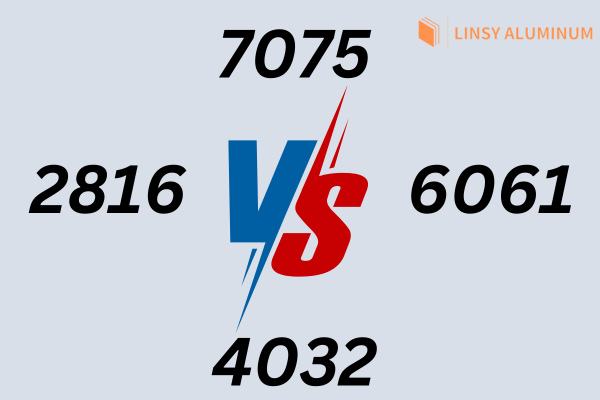
Bu alaşımların her biri, mekanik özelliklerine ve amaçlanan uygulamalarına bağlı olarak farklı avantajlar sunar:
| Karakteristik | 2618 Alüminyum | 4032 Alüminyum | 6061 Alüminyum | 7075 Alüminyum |
|---|---|---|---|---|
| Birincil Alaşım Elementleri | Cu, Mg, Ni | Cu, Mg, Si | Mg, Si | Zn, Cu, Mg |
| Yoğunluk (g/cm³) | ~2.77 | ~2.69 | ~2.70 | ~2.81 |
| Çekme Dayanımı (MPa) | ~440 (T6 temper) | ~380 (T6 temper) | ~310 (T6 temper) | ~570 (T6 temper) |
| Akma Dayanımı (MPa) | ~370 (T6 temper) | ~315 (T6 temper) | ~275 (T6 temper) | ~505 (T6 temper) |
| Isı Direnci | Mükemmel (~200°C'ye kadar) | İyi (~150°C'ye kadar) | Orta (~150°C'ye kadar) | Orta (~120°C'ye kadar) |
| Korozyon Direnci | Orta (kaplama gerektirir) | İyi (2618'den daha iyi) | Çok iyi | Orta (Cu içeriği nedeniyle hassas) |
| İşlenebilirlik | İyi | Mükemmel | Çok iyi | Adil |
| Kaynaklanabilirlik | Adil (özel teknikler gerekli) | Zayıf | Mükemmel | Zayıf |
| Yorulma Direnci | Mükemmel | İyi | İyi | Mükemmel |
| Maliyet | Yüksek | Orta düzeyde | Düşük | Yüksek |
| Tipik Uygulamalar | Havacılık motor parçaları, pistonlar | Otomotiv pistonları, motor bileşenleri | Yapısal parçalar, genel kullanım | Havacılık çerçeveleri, yüksek stresli parçalar |
| Temel Fayda | Yüksek sıcaklıklarda yüksek mukavemet | Aşınma direnci, düşük termal genleşme | Çok yönlülük, korozyon direnci | Olağanüstü oda sıcaklığı mukavemeti |
| Temel Sınırlama | Daha düşük korozyon direnci, daha yüksek maliyet | Zayıf kaynaklanabilirlik, orta mukavemet | Daha düşük maksimum mukavemet | Zayıf kaynaklanabilirlik, korozyon endişeleri |
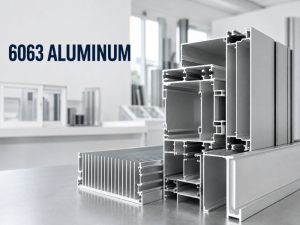
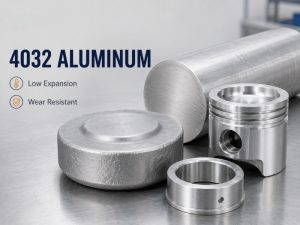
2618 alüminyum 2618, yüksek sıcaklık mukavemeti ve iyi işlenebilirliğiyle öne çıkar ve uçak motor bileşenleri ile yüksek performanslı pistonlar için idealdir. 4032, düşük termal genleşmesi ve iyi aşınma direnci nedeniyle motor bileşenleri için tercih edilir. Çok yönlülüğüyle bilinen 6061, yapısal uygulamalarda yaygın olarak kullanılır. 7075, olağanüstü oda sıcaklığı mukavemetiyle yüksek stresli yapısal senaryoları yönetir.
Hangi Alaşımı Seçmeli
Doğru alaşımı seçmek—2618, 4032, 6061veya 7075—belirli uygulamanıza, çalışma koşullarınıza ve önceliklerinize bağlıdır.
Dikkate Alınması Gereken Temel Faktörler
- Güç Gereksinimleri: Oda sıcaklığında maksimum mukavemet için, 7075 alüminyum (570 MPa çekme) seçin. Yüksek sıcaklık mukavemeti için, 2618 alüminyum (yaklaşık 200°C'ye kadar mukavemetini korur) seçin.
- Sıcaklığa Maruz Kalma: 150°C üzerinde çalışan motor parçaları ve pistonlar için 2618 en iyi seçimdir. 4032 ve 6061, yaklaşık 150°C'ye kadar orta düzey ısıyı yönetirken, 7075 yaklaşık 120°C üzerinde zayıflar.
- Korozyon Direnci: Parça nem veya dış mekan maruziyetiyle karşılaşıyorsa, 6061 alüminyum en iyi korozyon direncini sunar. 2618 ve 7075, korozif ortamlarda koruyucu kaplamalar gerektirir.
- Aşınma Direnci: Yüzey aşınmasının önemli olduğu pistonlar gibi hareketli parçalar için, 4032 alüminyum daha yüksek silikon içeriği nedeniyle en iyi aşınma direncini sağlar.
- Kaynaklanabilirlik ve Şekillendirilebilirlik: 6061 kaynaklanması ve şekillendirilmesi en kolay olanıdır. 2618, özel kaynak teknikleri gerektirirken, 4032 ve 7075 genellikle kaynak için önerilmez.
- Maliyet: 6061 en uygun maliyetli ve yaygın olarak bulunandır. 2618 ve 7075, özel özellikleri nedeniyle daha yüksek fiyatlandırılır; 4032 ise arada kalır.
Sonuç
2618 alüminyum alaşımı, genel amaçlı bir alaşım değil, yüksek sıcaklık havacılık ve motor sporları özel malzemesidir. Nikel takviyeli bileşimi, yaklaşık 200°C'ye kadar mükemmel mukavemet koruması, güçlü yorulma direnci ve iyi işlenebilirlik sunar—bu da onu pistonlar, kompresör çarkları ve türbin bileşenleri için ideal kılar. Ancak, emtia alaşımlarına kıyasla daha yüksek maliyeti, daha düşük korozyon direnci ve sınırlı bulunabilirliği, yalnızca yüksek sıcaklık performansının birincil gereksinim olduğu durumlarda belirtilmesi gerektiği anlamına gelir.
Linsy Alüminyum Linsy, 2xxx ailesi dahil 1000 ila 8000 serisi aralığının tamamını kapsar ve özel uygulamalar için 2618 alüminyum tedarik edebilir veya sağlayabilir. 20 yılı aşkın deneyim, ISO 9001/14001/45001 sertifikaları ve şirket içi CNC işleme, TIG/GTAW kaynak, lazer kesim ve yüzey bitirme yetenekleriyle Linsy, özel tedarikten imalata kadar yüksek performanslı alüminyum çözümleri gerektiren projeleri destekler. Teslim süreleri genellikle 10 ila 60 gündür; her sipariş için tam malzeme test sertifikaları (MTC) sağlanır ve talep üzerine SGS test raporları sunulur.
2618 alüminyum gereksinimlerinizi görüşmek ve fiyat teklifi almak için bugün Linsy Alüminyum ile iletişime geçin.
Sıkça Sorulan Sorular
2618 alüminyum alaşımı ne için kullanılır?
2618 alüminyum öncelikle yüksek sıcaklık havacılık ve motor sporları bileşenleri için kullanılır: motor pistonları, kompresör çarkları, türbin parçaları, uçak yapısal bileşenleri ve süpersonik uçak gövdeleri dahil. 150°C üzerinde mukavemet koruması gerektiren herhangi bir uygulama 2618 için adaydır.
2618 alüminyum hangi sıcaklığa dayanabilir?
2618 alüminyum, yaklaşık 200°C'ye (392°F) kadar olan sıcaklıklarda mükemmel mukavemetini korur. Bu eşiğin üzerinde mekanik özellikler düşmeye başlar; ancak alaşım yaklaşık 250°C'ye (482°F) kadar bazı kullanışlı mukavemet değerlerini korur. Bu, daha düşük sıcaklıklarda zayıflayan 6061 ve 7075 gibi alaşımlardan önemli ölçüde daha iyidir.
2618, 2024 ve 7075 alüminyumdan nasıl farklıdır?
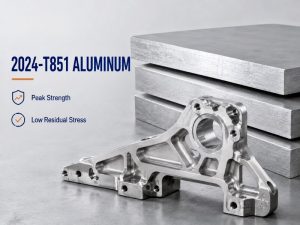
2618 alüminyum 2618, üstün yüksek sıcaklık performansı için tepe oda sıcaklığı mukavemetinden fedakarlık eder. 2024 alüminyum oda sıcaklığında daha yüksek mukavemet sunar ancak 150°C üzerinde mukavemetini daha hızlı kaybeder. 7075 alüminyum oda sıcaklığında en güçlüsüdür (~570 MPa) ancak 120°C üzerinde önemli ölçüde zayıflar. Sürekli ısı maruziyeti birincil tasarım koşulu olduğunda 2618 tercih edilen seçimdir.
2618 alüminyum alaşımı kaynaklanabilir mi?
2618 alüminyum, uygun dolgu metalleriyle TIG (GTAW) gibi özel teknikler kullanılarak kaynaklanabilir; ancak kaynaklanması orta ila zor olarak kabul edilir. Yüksek bakır içeriği, kaynak sırasında sıcak çatlama ve gözeneklilik riskini artırır. Çoğu uygulamada, 2618 bileşenleri kaynaklı montajlar yerine dövmelerden veya çubuk stoktan işlenir.
2618 alüminyum neden nikel içerir?
Nikel (1,2-1,8%TP3T), 2618 alüminyuma özellikle yüksek sıcaklık kararlılığını ve sürünme direncini iyileştirmek amacıyla eklenir. Nikel, yüksek sıcaklıklarda kabalaşmaya karşı direnç gösteren ince, termal olarak kararlı intermetalik bileşikler oluşturur ve alaşımın uzun süreli ısıya maruz kalma sırasında mukavemetini korumasına yardımcı olur. Bu durum, motor ve türbin uygulamaları için kritik bir avantajdır.