Introduzione
Lega di alluminio 2618 È una lega di alluminio lavorato della serie 2xxx, trattabile termicamente, progettata per applicazioni ad alta temperatura. Con rame, magnesio e nichel come principali elementi di lega, la 2618 mantiene un'eccellente resistenza a temperature elevate fino a circa 200°C. Offre inoltre un'elevata resistenza a fatica e una buona resistenza allo scorrimento viscoso sotto carichi termici prolungati.
Queste proprietà rendono la 2618 un materiale preferito per componenti aerospaziali di motori, pistoni ad alte prestazioni, ruote di compressori e parti di turbine dove la stabilità termica è critica. Questo articolo tratta la composizione chimica della lega, le proprietà meccaniche, le applicazioni pratiche e il confronto con altre leghe di alluminio come 2024, 4032, 6061 e 7075.
Che cos'è la lega di alluminio 2618
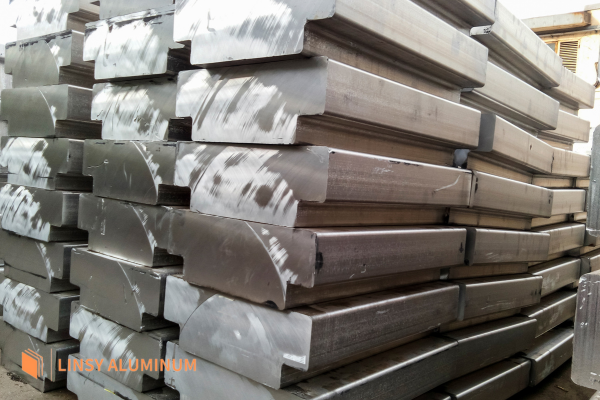
La lega di alluminio 2618 appartiene alla famiglia delle leghe di alluminio lavorato trattabili termicamente, contraddistinta dal mantenimento della resistenza a temperature elevate. La sua combinazione di resistenza alle alte temperature, resistenza a fatica e lavorabilità la rende adatta ad applicazioni impegnative nel settore aerospaziale e motoristico.
La composizione della lega — principalmente alluminio con rame, magnesio e nichel — contribuisce direttamente alla sua stabilità termica. Ciò rende la 2618 una scelta affidabile quando i componenti devono mantenere l'integrità strutturale sotto cicli termici ripetuti e sollecitazioni meccaniche.
Composizione chimica dell'alluminio 2618
Le caratteristiche distintive della lega di alluminio 2618 sono definite dalla sua composizione chimica. Di seguito è riportata una ripartizione dei principali elementi di lega:
| Elemento | Composizione Percentuale | Ruolo |
|---|---|---|
| Alluminio | ~90% | Materiale di base |
| Rame | 2-3% | Aumenta la resistenza, soprattutto dopo il trattamento termico |
| Magnesio | 1.2-1.8% | Interagisce con il rame per rafforzare ulteriormente la lega |
| Nichel | 1.2-1.8% | Migliora le prestazioni ad alta temperatura e la stabilità termica |
Questi elementi di lega, controllati attentamente durante la produzione, consentono alla 2618 di soddisfare gli standard rigorosi richiesti dalle industrie aerospaziali e ad alte prestazioni dove la stabilità termica è essenziale.
Principali proprietà fisiche e meccaniche
| Proprietà | Valore | Cosa significa |
|---|---|---|
| Densità | 2,75 g/cm³ | Leggera per applicazioni ad alta resistenza |
| Punto di fusione | ~550-640°C (1.022-1.184°F) | Ampio intervallo di solidificazione, adatta alla lavorazione a caldo |
| Resistenza alla trazione | ~420-450 MPa (T6) | Elevata resistenza per applicazioni strutturali impegnative |
| Resistenza allo snervamento | ~350-380 MPa (T6) | Buona resistenza alla deformazione permanente |
| Allungamento | ~5-10% | Duttilità moderata |
| Durezza | ~120-130 HB (Brinell, T6) | Buona durezza superficiale per la resistenza all'usura |
| Conduttività termica | ~140-155 W/m-K | Discreta capacità di trasferimento del calore |
| Resistenza alla fatica | ~150-180 MPa | Elevata resistenza al carico ciclico |
La lega di alluminio 2618 offre una combinazione equilibrata di peso moderato, elevata resistenza e stabilità termica. La sua bassa densità mantiene contenuto il peso dei componenti, mentre l'elevato intervallo di fusione le consente di operare in modo affidabile in ambienti caldi come i vani motore. La resistenza a trazione di 420–450 MPa nella tempra T6 e la resistenza a fatica di 150–180 MPa la rendono una scelta affidabile per parti soggette a sollecitazioni ripetute, come pistoni e ruote di compressori.
Vantaggi e limiti della lega di alluminio 2618
| Vantaggi | Limitazioni |
|---|---|
| Elevata resistenza a temperature elevate | Minore resistenza alla corrosione rispetto alle leghe 6xxx e 5xxx |
| Buona resistenza alla fatica | Costo più elevato rispetto alle leghe generiche |
| Trattabile termicamente per migliorare le proprietà | Suscettibile alla corrosione sotto tensione |
| Buona lavorabilità allo stato trattato termicamente | Limitata formabilità a freddo |
| Saldabile con tecniche specifiche | Richiede rivestimenti protettivi in ambienti corrosivi |
Applicazioni pratiche della lega di alluminio 2618

La lega di alluminio 2618 è molto apprezzata nel settore aerospaziale e motoristico per il suo elevato rapporto resistenza/peso e le prestazioni ad alta temperatura. La capacità di carico e la resistenza a fatica della lega la rendono ideale per pistoni, fucinati e componenti strutturali di motori dove l'affidabilità in condizioni estreme è imprescindibile.
Aerospaziale e automobilistico
Nel settore aerospaziale, l'alluminio 2618 viene utilizzato per produrre parti di motori aeronautici, componenti di fusoliera e strutture alari. La sua capacità di mantenere la resistenza alle alte temperature è critica per gli ambienti dei motori a getto, dove i componenti sono soggetti a sollecitazioni termiche e meccaniche prolungate.
I pistoni e le ruote di compressori realizzati in 2618 mantengono forma e resistenza durante il funzionamento ad alta temperatura, contribuendo all'affidabilità dei motori su intervalli di manutenzione prolungati.
Anche l'industria motoristica fa affidamento sulla 2618 per pistoni e componenti di motori da competizione. La resistenza alle alte temperature e la resistenza a fatica della lega consentono alle parti di sopportare le condizioni estreme degli ambienti di gara ad alto regime.
Confronto: 2618 vs altre leghe di alluminio
Sebbene la lega di alluminio 2618 eccella nelle applicazioni ad alta temperatura, la scelta del materiale giusto dipende da requisiti specifici di resistenza, formabilità, resistenza alla corrosione e costo. Il confronto della 2618 con altre leghe comuni aiuta gli ingegneri a prendere decisioni informate sui materiali.
2618 vs 4032 vs 6061 vs 7075 Alluminio
Ciascuna di queste leghe offre vantaggi distinti in base alle proprie proprietà meccaniche e alle applicazioni previste:
| Caratteristica | 2618 Alluminio | 4032 Alluminio | Alluminio 6061 | Alluminio 7075 |
|---|---|---|---|---|
| Elementi di lega primaria | Cu, Mg, Ni | Cu, Mg, Si | Mg, Si | Zn, Cu, Mg |
| Densità (g/cm³) | ~2.77 | ~2.69 | ~2.70 | ~2.81 |
| Resistenza alla trazione (MPa) | ~440 (tempra T6) | ~380 (tempra T6) | ~310 (tempra T6) | ~570 (tempra T6) |
| Resistenza allo snervamento (MPa) | ~370 (tempra T6) | ~315 (tempra T6) | ~275 (tempra T6) | ~505 (tempra T6) |
| Resistenza al calore | Eccellente (fino a ~200°C) | Buono (fino a ~150°C) | Moderato (fino a ~150°C) | Moderato (fino a ~120°C) |
| Resistenza alla corrosione | Moderato (richiede rivestimenti) | Buono (migliore di 2618) | Molto buono | Discreto (suscettibile a causa del contenuto di Cu) |
| Lavorabilità | Buono | Eccellente | Molto buono | Fiera |
| Saldabilità | Discreto (sono necessarie tecniche speciali) | Povero | Eccellente | Povero |
| Resistenza alla fatica | Eccellente | Buono | Buono | Eccellente |
| Costo | Alto | Moderato | Basso | Alto |
| Applicazioni tipiche | Parti di motori aerospaziali, pistoni | Pistoni per autoveicoli, componenti per motori | Parti strutturali, uso generale | Telai aerospaziali, parti ad alta sollecitazione |
| Vantaggio Chiave | Elevata resistenza a temperature elevate | Resistenza all'usura, bassa espansione termica | Versatilità, resistenza alla corrosione | Eccezionale resistenza a temperatura ambiente |
| Limitazione principale | Minore resistenza alla corrosione, costo più elevato | Scarsa saldabilità, resistenza moderata | Resistenza massima inferiore | Scarsa saldabilità, problemi di corrosione |
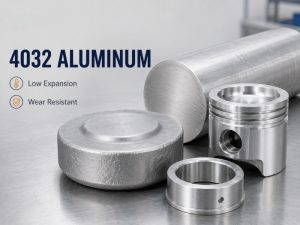
2618 alluminio La 2618 si distingue per la resistenza alle alte temperature e la buona lavorabilità, rendendola ideale per componenti di motori aeronautici e pistoni ad alte prestazioni. La 4032 è preferita per componenti di motori grazie alla sua bassa dilatazione termica e alla buona resistenza all'usura. La 6061, nota per la sua versatilità, è ampiamente utilizzata in applicazioni strutturali. La 7075, con la sua eccezionale resistenza a temperatura ambiente, gestisce scenari strutturali ad alta sollecitazione.
Quale lega scegliere
La scelta della lega giusta—2618, 4032, 6061, o 7075—dipende dall'applicazione specifica, dalle condizioni operative e dalle priorità.
Fattori chiave da considerare
- Requisiti di forza: Per la massima resistenza a temperatura ambiente, scegliere Alluminio 7075 (resistenza a trazione 570 MPa). Per la resistenza alle alte temperature, scegliere 2618 alluminio (mantiene la resistenza fino a ~200°C).
- Esposizione alla temperatura: Per parti di motori e pistoni che operano sopra i 150°C, la 2618 è la scelta migliore. La 4032 e la 6061 gestiscono calore moderato fino a ~150°C, mentre la 7075 si indebolisce sopra i ~120°C.
- Resistenza alla corrosione: Se la parte è esposta a umidità o ambienti esterni, Alluminio 6061 offre la migliore resistenza alla corrosione. La 2618 e la 7075 richiedono rivestimenti protettivi in ambienti corrosivi.
- Resistenza all'usura: Per parti in movimento come pistoni dove l'usura superficiale è un problema, 4032 alluminio offre la migliore resistenza all'usura grazie al suo maggiore contenuto di silicio.
- Saldabilità e formabilità: La 6061 è la più facile da saldare e formare. La 2618 richiede tecniche di saldatura specializzate, mentre la 4032 e la 7075 generalmente non sono raccomandate per la saldatura.
- Costo: La 6061 è la più conveniente e ampiamente disponibile. La 2618 e la 7075 hanno prezzi più elevati a causa delle loro proprietà specializzate, con la 4032 che si colloca in una posizione intermedia.
Conclusione
La lega di alluminio 2618 è un materiale specializzato per applicazioni aerospaziali e motoristiche ad alta temperatura, non una lega per uso generale. La sua composizione rinforzata con nichel offre un'eccellente conservazione della resistenza fino a circa 200°C, insieme a un'elevata resistenza a fatica e una buona lavorabilità — rendendola ideale per pistoni, ruote di compressori e componenti di turbine. Tuttavia, il suo costo più elevato, la minore resistenza alla corrosione e la disponibilità limitata rispetto alle leghe standard significano che dovrebbe essere specificata solo quando le prestazioni ad alta temperatura sono il requisito principale.
Alluminio Linsy copre l'intera gamma dalla serie 1000 alla 8000, inclusa la famiglia 2xxx, e può reperire o fornire alluminio 2618 per applicazioni specializzate. Con oltre 20 anni di esperienza, certificazioni ISO 9001/14001/45001 e capacità interne di lavorazione CNC, saldatura TIG/GTAW, taglio laser e finiture superficiali, Linsy supporta progetti che richiedono soluzioni in alluminio ad alte prestazioni dall'approvvigionamento personalizzato alla fabbricazione. I tempi di consegna sono tipicamente da 10 a 60 giorni, con certificati completi dei materiali (MTC) forniti per ogni ordine e rapporti di prova SGS disponibili su richiesta.
Contatta oggi Linsy Aluminum per discutere i tuoi requisiti per l'alluminio 2618 e richiedere un preventivo.
Domande frequenti
A cosa serve la lega di alluminio 2618?
L'alluminio 2618 è utilizzato principalmente per componenti aerospaziali e motoristici ad alta temperatura, inclusi pistoni di motori, ruote di compressori, parti di turbine, componenti strutturali di aeromobili e pelli di aeromobili supersonici. Qualsiasi applicazione che richieda il mantenimento della resistenza sopra i 150°C è un candidato per la 2618.
Quale temperatura può sopportare l'alluminio 2618?
L'alluminio 2618 mantiene un'eccellente resistenza a temperature fino a circa 200°C (392°F). Oltre questa soglia, le proprietà meccaniche iniziano a diminuire, sebbene la lega mantenga una certa resistenza utile fino a circa 250°C (482°F). Questo è significativamente migliore rispetto a leghe come 6061 e 7075, che si indeboliscono a temperature più basse.
In cosa differisce la 2618 dall'alluminio 2024 e 7075?
2618 alluminio La 2618 sacrifica la massima resistenza a temperatura ambiente per prestazioni superiori alle alte temperature. L'alluminio 2024 offre una maggiore resistenza a temperatura ambiente ma perde resistenza più rapidamente sopra i 150°C. L'alluminio 7075 è il più resistente a temperatura ambiente (~570 MPa) ma si indebolisce significativamente sopra i 120°C. La 2618 è la scelta preferita quando l'esposizione prolungata al calore è la condizione di progettazione primaria.
La lega di alluminio 2618 è saldabile?
L'alluminio 2618 può essere saldato utilizzando tecniche specializzate come TIG (GTAW) con metalli d'apporto appropriati, ma è considerato da discreto a difficile da saldare. L'elevato contenuto di rame aumenta il rischio di cricche a caldo e porosità durante la saldatura. Nella maggior parte delle applicazioni, i componenti in 2618 sono lavorati da fucinati o barre piuttosto che da assemblaggi saldati.
Perché l'alluminio 2618 contiene nichel?
Il nichel (1,2-1,8%) viene aggiunto alla lega di alluminio 2618 specificamente per migliorare la stabilità alle alte temperature e la resistenza allo scorrimento viscoso. Il nichel forma composti intermetallici fini e termicamente stabili che resistono all'ingrossamento a temperature elevate, aiutando la lega a mantenere la resistenza durante l'esposizione prolungata al calore. Questo rappresenta un vantaggio critico per le applicazioni in motori e turbine.