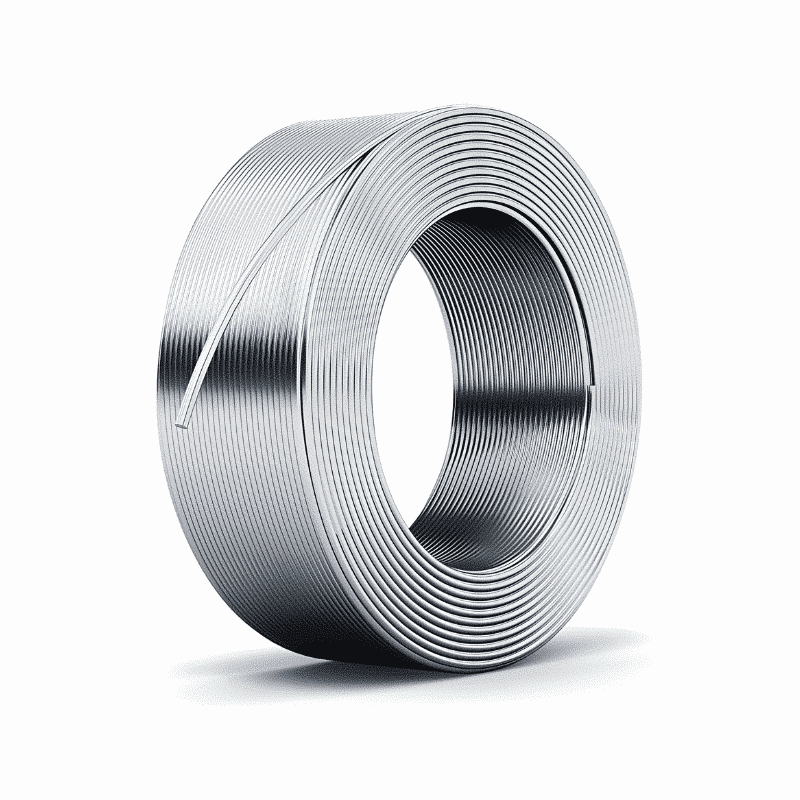
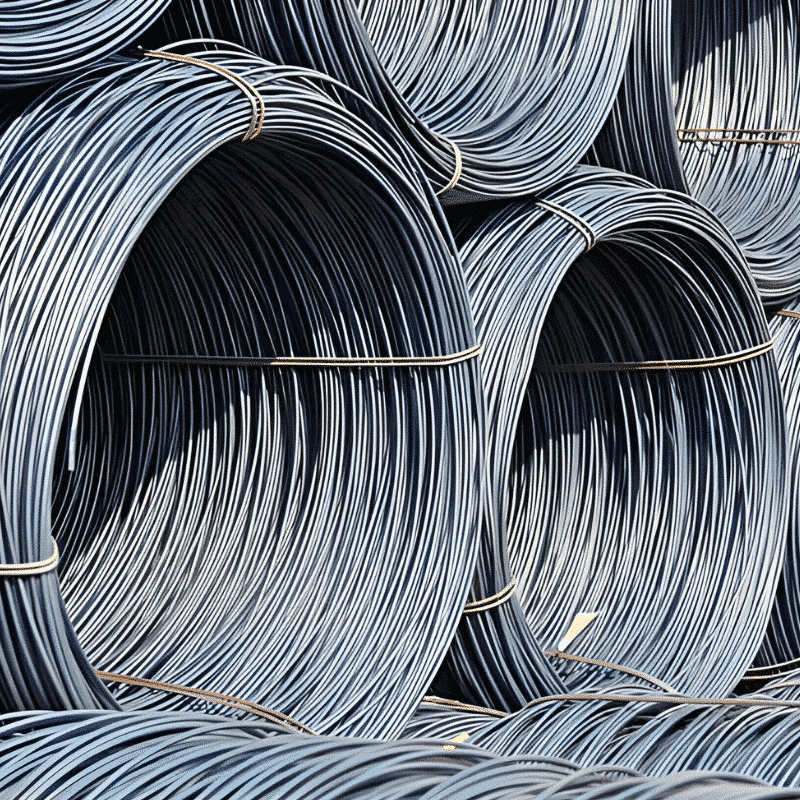


1370 aluminum wire is a high-purity conductor grade at 99.7% minimum, used where the loss budget justifies the extra purity — about 61.5% IACS against 61% for 1350. The gain looks small until it is multiplied by kilometres of conductor and years of operation.
Diameter: 0.8–30 mm
Tempers: O / H14 / H18
Coil weight: 50–500 kg
Purity: 99.7% Al minimum
Quality documents: MTC with conductivity, tensile and purity
1370 aluminum wire is a high-purity electrical conductor grade with a minimum aluminium content of 99.7%, used where the loss budget is tight enough that the extra purity pays for itself. Conductivity runs about 61.5% IACS — marginally better than 1350 EC — with similar strength in the hard-drawn condition. The difference looks small until it is multiplied by kilometres of conductor and decades of operation. Alloy data: 1370 aluminum alloy.
| Temper | Diameter (mm) | Coil weight (kg) | Condition |
|---|---|---|---|
| O | 0.8 – 30 | 50 – 500 | Annealed, maximum ductility for drawing and stranding |
| H14 | 0.8 – 30 | 50 – 500 | Intermediate strength |
| H18 | 0.8 – 30 | 50 – 500 | Hard drawn for conductor |
Tolerance is ±0.02–0.05 mm drawn, tighter on request. On a stranding line the tolerance controls lay length and tension, so state the class rather than leaving it to the standard.
| Temper | Tensile (MPa) | Conductivity (% IACS) | Typical use |
|---|---|---|---|
| O | ~70–95 | ~62 | Annealed, winding and flexible conductors |
| H14 | ~100–140 | ~61.5 | Intermediate, formed parts |
| H18 | ~170–200 | ~61.5 | Hard drawn conductor |
Typical values; confirm against the MTC. Density 2.70 g/cm³, resistivity about 0.0280 Ω·mm²/m at 20 °C. The advantage over 1350 is in the metal, not the temper: higher purity means fewer scattering sites and less resistive loss.
H18 is the conductor temper for overhead and cable work where the wire has to hold stringing tension. O is for winding and flexibility — the condition for anything that bends repeatedly. H14 sits between and is used where some strength is needed without a full hard draw. As with 1350, an over-annealed H18 becomes effectively O and will not hold sag.
| Alloy | Tensile (MPa) | Conductivity (% IACS) | Where it fits |
|---|---|---|---|
| 1370-H18 | ~170–200 | ~61.5 | Conductivity-priority conductor |
| 1350-H19 | ~160–200 | ~61 | Standard EC grade, the default |
| 6201-T81 | ~295 | ~52 | Long spans where strength governs |
1370 buys about half a point of conductivity over 1350 at a higher metal cost — worth it on high-load-factor lines and in wound applications, not worth it on short runs. When strength is the constraint rather than loss, neither answer is right and 6201 is.
Conductor wire is judged on conductivity, strength and stranding behaviour; mechanical wire on formability, weldability or corrosion. 1370 belongs firmly to the first family — it is not a structural or welding wire, and its low alloy content means it has little strength to offer outside electrical work.
Certification is part of the product: conductivity on the finished wire, reported with tensile on the same document.
How conductivity is specified. Conductivity is expressed as a percentage of the International Annealed Copper Standard, so 61% IACS means 61% of the conductivity of annealed copper. It is measured on the finished wire, by resistance per unit length at a stated temperature (normally 20 °C), and because aluminium resistance rises about 0.4% per °C the measurement temperature has to be declared or the number means nothing. This is why a conductor certificate reports conductivity and test temperature together, and why a room-temperature reading taken on a cold morning can be argued about.
Half a point of conductivity is not a rounding error: on a 200 km line at high load factor it is a measurable energy saving over the asset life, and that is the only calculation that justifies the higher-purity metal. If the line is short or lightly loaded, 1350 wins on cost and nobody notices the difference.
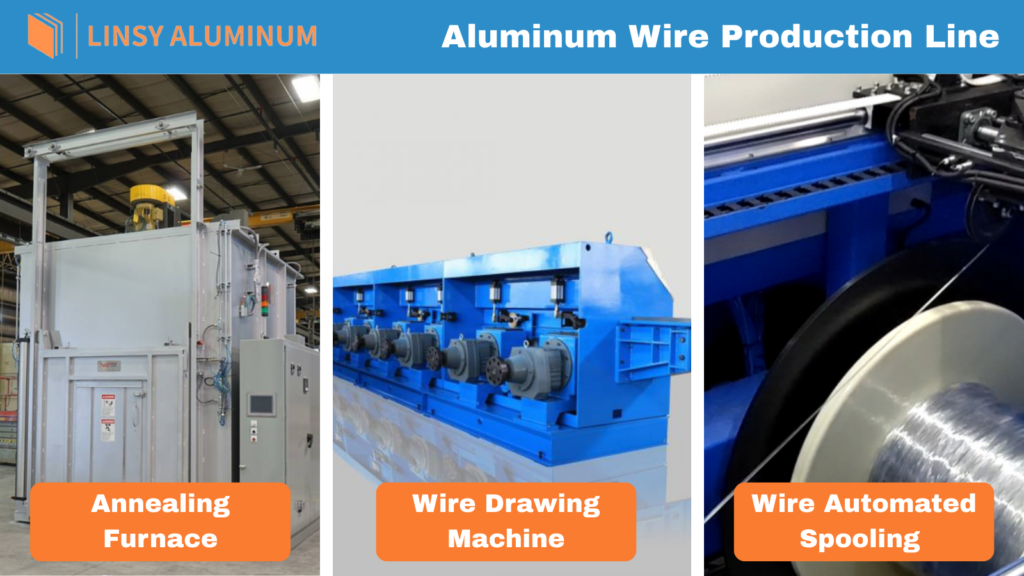
Drawing: bright drawn to finish diameter with lubricant removed. On a high-purity grade, surface contamination matters more than on an alloy wire, because there is no alloying element to mask it — a contaminated surface is a local hot spot.
Spooling: coils 50–500 kg, spools on request; give the spool type and bore your payoff accepts.
Joining: compression fittings and splices on conductor; welding is possible but anneals the joint and reduces its current capacity.
Annealing control is the other variable on this grade. 1370 softens at a low temperature, and an over-annealed H18 coil becomes effectively O — it will not hold sag on the line, and the fault appears only when the conductor is strung. If the wire is annealed or heat-treated anywhere in your process, tell us the thermal history so the temper we supply accounts for it.
High-efficiency overhead conductors, cable cores, transformer and reactor windings, busbar and substation connections, flexible braids, precision electrical components.
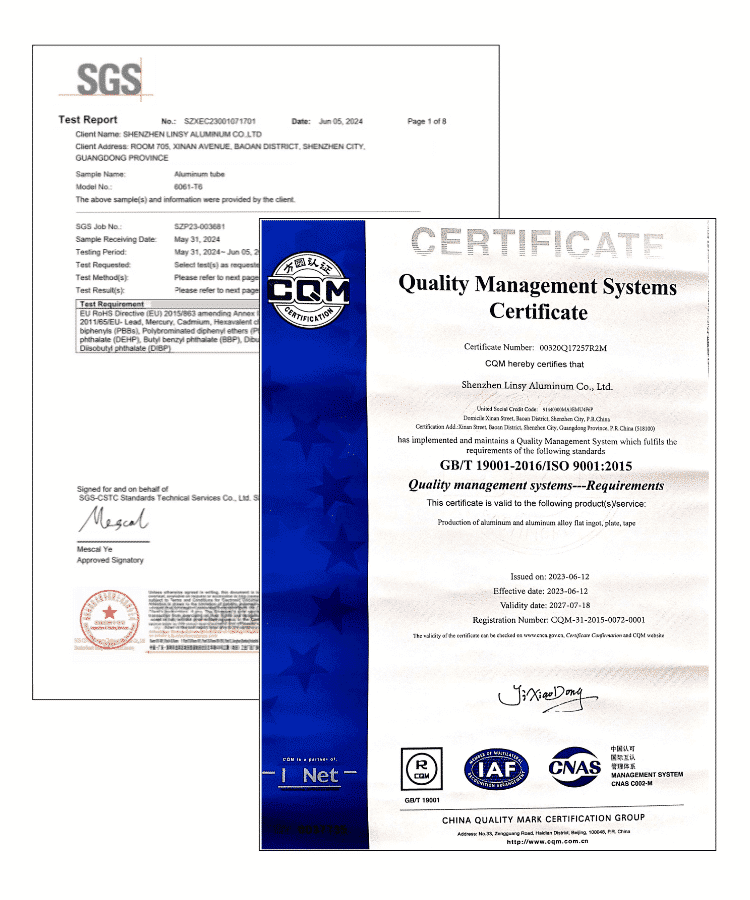
Every order ships with an MTC reporting alloy, temper, diameter, tensile strength and conductivity measured on the finished wire, plus the purity check that distinguishes 1370 from 1350. Third-party testing is available on request; production runs under ISO 9001, ISO 14001 and ISO 45001 certified systems.
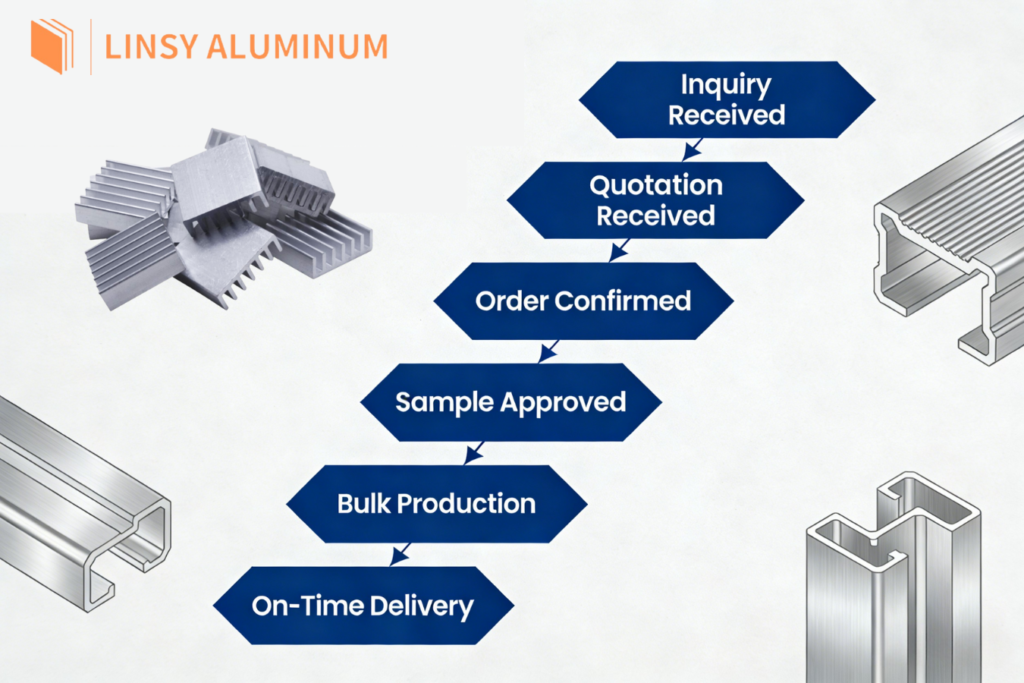
To quote in one round, send: diameter and tolerance, temper (H18 for conductor, O for winding), coil or spool weight, conductivity and purity requirement, surface standard, and the destination.
Shenzhen-based aluminum factory, more than 20 years in the industry, supplying 1000–8000 series alloys in standard specifications and custom sizes.
Q: Is 1370 worth the extra cost over 1350?
A: On high-load-factor lines and wound applications, yes — about half a point of conductivity compounds over decades. On short runs, 1350 is the value choice.
Q: How is 1370 different from 1350?
A: Purity. 1370 is 99.7% minimum against 99.5%, which means fewer scattering sites and slightly lower resistance. Strength is comparable.
Q: H18 or O?
A: H18 for overhead conductor where stringing tension matters; O for windings and flexible connections.
Q: Does surface condition matter on this grade?
A: More than on an alloy wire — there is no alloying element to mask contamination, and a dirty surface becomes a local hot spot.
Q: What sizes and coils do you supply?
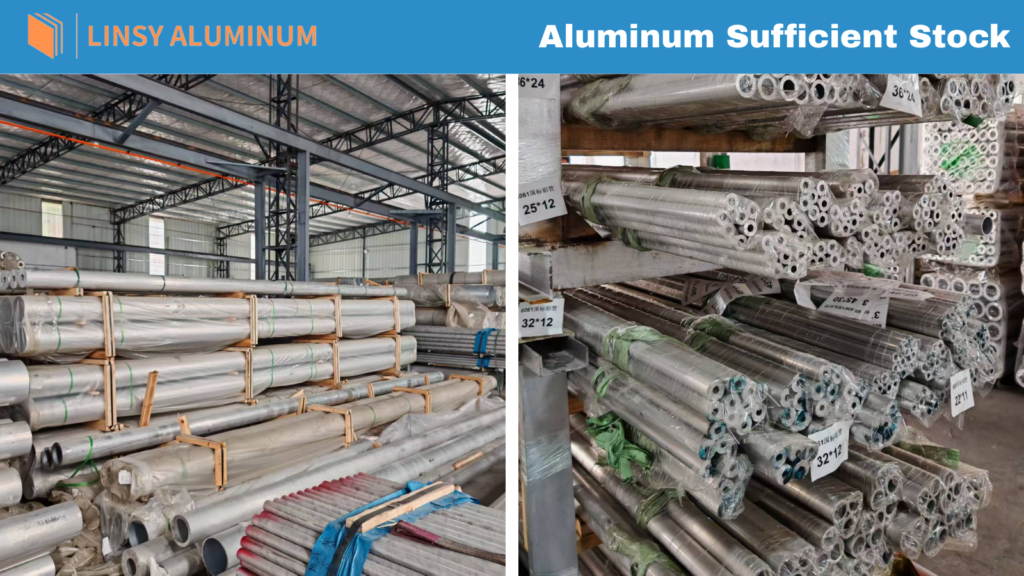
A: 0.8–30 mm diameter, coils 50–500 kg, spools on request.
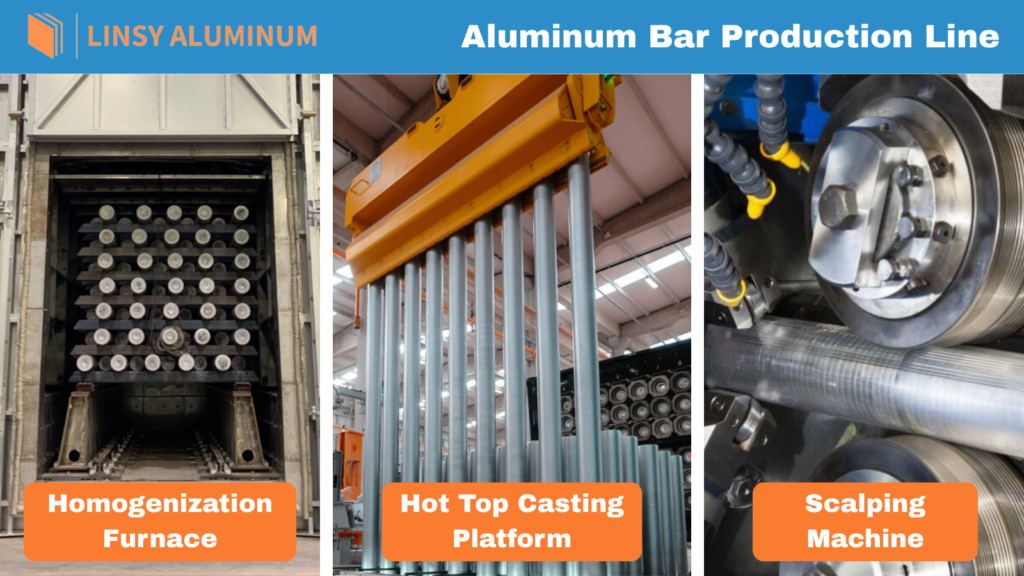
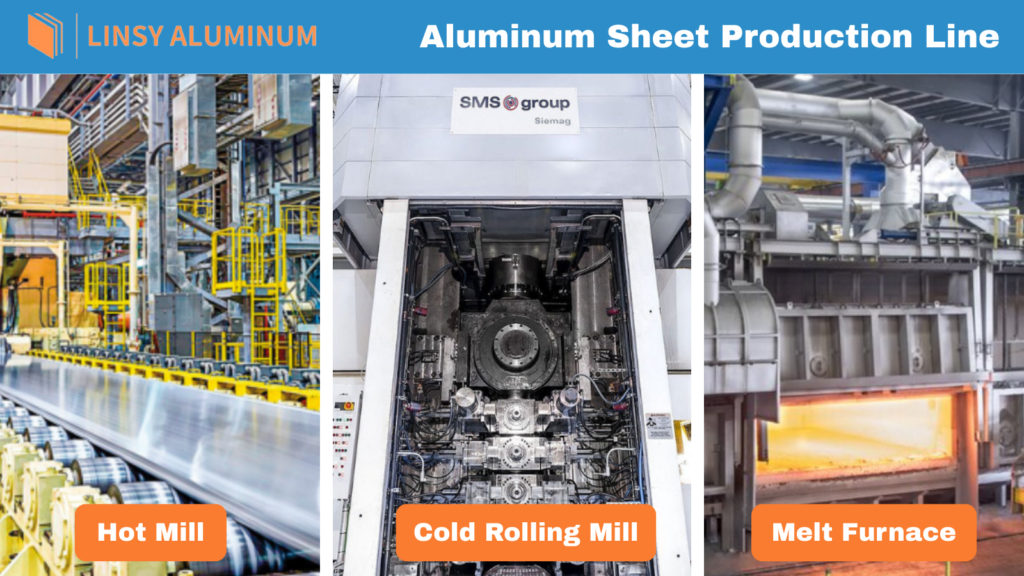
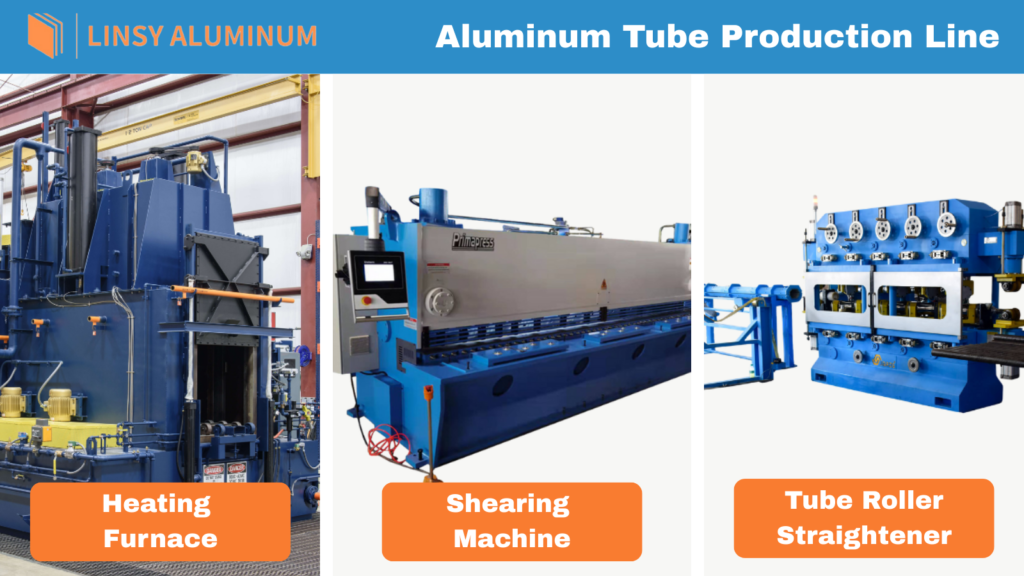
Linsy Advantages
Linsy Aluminum is a leading supplier of aluminum processing products, serving diverse industries including aerospace, general engineering, automotive, marine, shipbuilding and other specialized industrial applications.
We are committed to maintaining the highest standards of quality and environmental responsibility, as demonstrated by our certifications: ISO 9001:2008, ISO 14001:2004 and SGS.